

Your little one is almost four years old now, right? So you probably have some idea about the upcoming Well-Child Visit . Today we are going to talk about what to look for when taking a little one for a medical checkup at this age, and what you as a mother and father should know. Very simply, let's go through these things one by one so that you can understand.
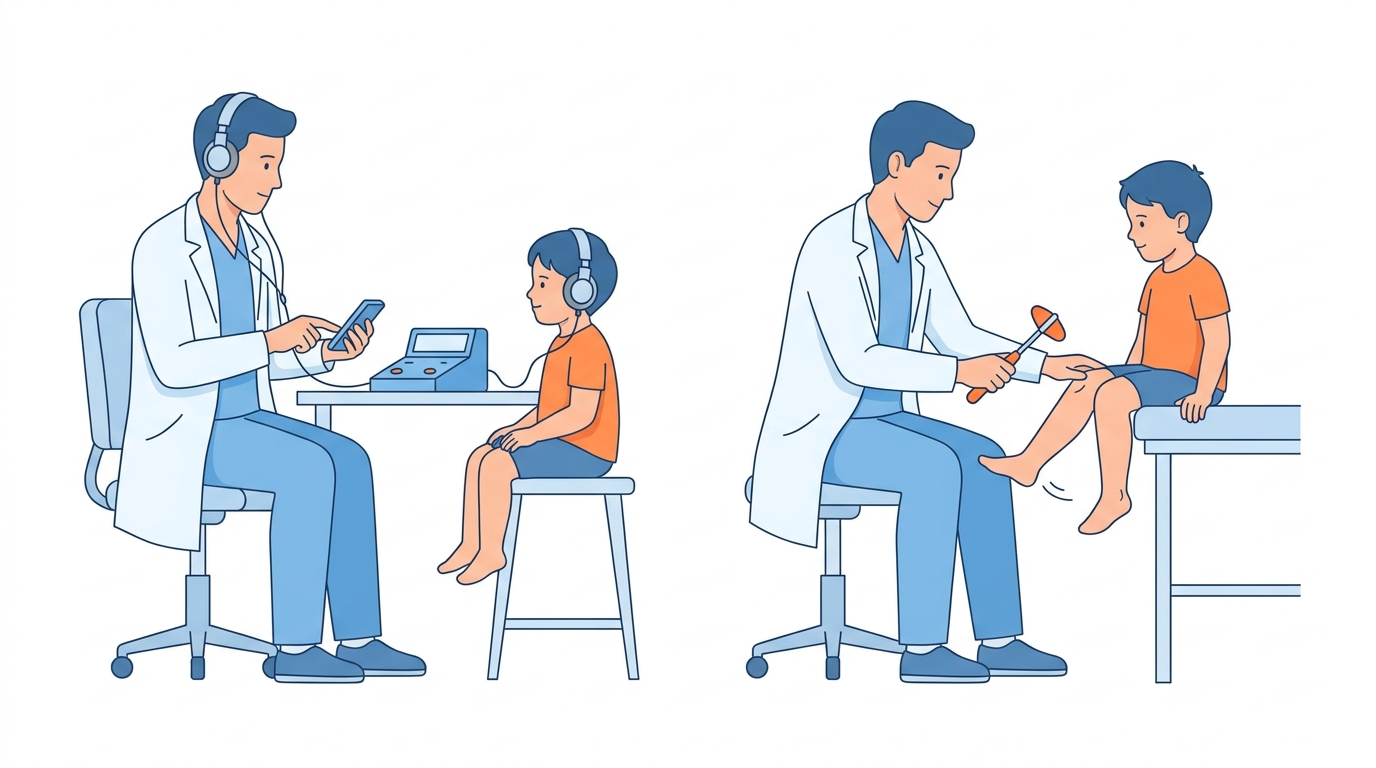
What happens in this medical examination? Shall we see?
Usually when you take your little one to the doctor or the nurse at the clinic, they do these things:
1. The baby's weight and height are measured. Then, the Body Mass Index (BMI) is calculated based on that, and a growth chart is drawn to show how the baby is growing. This is how they understand whether the baby is growing properly and whether he or she is at a weight and height appropriate for his or her age.
2. Blood pressure, vision, and hearing are checked using standard testing equipment. These are very important tests. Because sometimes, even if there are problems with these, little ones don't understand how to tell.
3. Next comes the most important part. The doctor or nurse will ask you questions, talk about your problems, and give you advice on various things for your baby.
- About food: It talks about how to provide three main meals and two nutritious snacks a day. If your little one is a bit picky about food, you should continue to offer him a variety of nutritious foods to choose from. Encourage him to try new foods. But never force him to eat. That will only make him lose interest in food even more.
- About Toilet Habits : By the age of four, most toddlers are toilet trained. However, it is common for some preschoolers to wet the bed at night, even if they are potty trained during the day. Also, small mistakes can happen from time to time during the day when they are not paying attention while playing. Check to see if your child is holding back their urine /poo, and encourage them to continue using the toilet. If your child is not yet potty trained , or if they have been potty trained and are having problems again, talk to your doctor.
- About sleep: Preschoolers should get about 10-13 hours of sleep a day. By the age of four, most children will stop napping during the day. However, don't forget to give them a little quiet time during the day.
- Checking out your child's developmental milestones: By the age of four, most children should be able to do these things:
- Says sentences with four or more words.
- You can tell me at least one thing that happened that day.
- Answers simple questions like "What is the color box used for?"
- If there are no other children, they ask to go play with the others.
- When someone is hurt and sad, they comfort them.
- When you go to a place like a library or a playground, you change your behavior to suit that place.
- When drawing a human figure, three or more body parts are drawn.
- Can you name a few colors?
- If you throw a big ball up, you can often catch it.
- Some buttons can be undone that way.
If your child can't do one or more of these things, or if you notice that they've lost some of their previous abilities, be sure to talk to your doctor about it. It's very important.
4. You will first undress your baby and perform a complete physical examination. This will include listening to the baby's heart and lungs, observing the baby's motor skills, and talking to the baby to assess their speech and language skills.
5. Update your vaccines. Vaccines are very important to protect your children from serious childhood diseases. Therefore, it is essential to get your vaccines on time. However, vaccination schedules may vary slightly from doctor to doctor. Therefore, talk to your doctor about what to expect.
6. If necessary, you will be asked to do some tests. Sometimes the doctor may order tests to check for things like anemia, lead poisoning, high cholesterol, and tuberculosis . These are not done for everyone, but are done based on need.
Keep these things in mind until your next checkup.
There are a few things you should be aware of until your next checkup at five years old. Let's take a look at those too.
Should we be a little more careful about food and drink?
- Try to have the whole family eat dinner together on weekdays as much as possible. This will strengthen family bonds and help your little one develop good eating habits .
- Always offer a variety of nutritious foods. These include lean meats, fish, fruits, vegetables, and whole grains.
- Preschoolers should be given two and a half cups (about 600 ml) of low-fat milk a day. Other low-fat dairy products, such as yogurt, are also good.You can also give them an unsweetened, fortified soy drink.
- If you are giving 100% fruit juice, don't give more than 4-6 ounces (120-180 ml) per day , as it is high in sugar. It is best to give fresh fruit.
Daily routine care is very important!
- Let your child be active every day under adult supervision. Be active together as a family. For example, you can do things like go for a short walk in the evening, play games, etc.
- Screen time - that is, time spent with TV, smartphones, tablets, and computers - should not exceed one hour a day. The time allotted should be appropriate for children and should include a program that has something to learn. If you and your child watch together, it will help them learn more. Do not keep things like TVs and phones in your child's bedroom.
- If your child is not attending preschool, find opportunities for him to play and socialize with other children.
- These things can help prepare your child for kindergarten or school:
- Establish a consistent routine for things like meals, snacks, playtime, reading time, cleaning time, getting up in the morning, and going to bed at night.
- Practice counting numbers, saying the ABCs , and singing other songs and poems.
- Read a book to your child every day.
- Encourage them to draw, color, recognize letters, and write letters.
- Give him some responsibility for doing things on his own, like going to the toilet, washing his hands, brushing his teeth, and getting dressed. Remind him and help him when needed.
- Teach your child your home address and phone number.
- Brush your child's teeth twice a day with a small amount of fluoride toothpaste. Visit your dentist at regular intervals as recommended by your dentist. To help prevent tooth decay, your doctor or dentist can apply a fluoride varnish to your child's teeth two to four times a year.
You definitely need to think about safety (Safety First!)
Little ones this age are very mischievous, so we need to be very careful about their safety.
- Supervise your child when playing outside, especially near water or roads. Consider enrolling your child in swimming lessons if possible.
- Check that the playground equipment is in good condition and appropriate for the child's age. To prevent injuries in the event of a fall, the floor surface should be made of something soft, such as sand, rubber mats, or a thick layer of wood chips/rubber chips.
- Apply sunscreen with SPF 30 or higher at least 15 minutes before your child goes outside to play.Sing. Sing again about every two hours.
- Protect your child from secondhand smoke. It increases the risk of heart disease and lung disease. The smoke from e-cigarettes is also harmful.
- Always make sure your child wears a helmet when riding a tricycle or bicycle.
- When traveling with your child in the car, keep them in a forward-facing car seat in the back seat until they reach the maximum weight or height that the seat can support. Once they outgrow the seat, switch to a booster seat that has a belt that fits in the right place . It should be used until the child is 4 feet 9 inches (about 150 centimeters) tall, which is usually around 8-12 years old.
- Do not keep firearms at home. If you do, keep them locked up, empty of ammunition. Keep ammunition locked up separately. Do not leave keys where small children can get hold of them. This can protect children from firearm accidents.
- Teach your child about appropriate touch. Teach them that some parts of their body are private and should not be touched or seen by anyone. If someone asks to see or touch such private parts, or tells them to see or touch someone else's private parts, or tells them to keep a secret, tell your child to come and tell you.
- If you have questions about your living situation, such as whether you have the things you need to care for your child, enough food, a safe place to live, and health insurance, talk to your doctor. He or she can tell you about community resources or refer you to a social worker .
Remember, all of this is for your own good and that of your little one. Don't be afraid to talk openly about anything with the doctor.
In short: Things to remember (Take-Home Message)
Okay, so, shall we remind you again of the things you definitely need to remember from what we've talked about?
- Take your baby to the doctor for checkups at regular intervals. This will help you get an accurate picture of his growth and health.
- Pay attention to your baby's eating, sleeping, and toileting habits. If there are any changes or problems, tell the doctor .
- Be aware of developmental milestones. See if your child is doing things according to their age. It's important to find out if there are any delays early.
- Get your vaccines on time. It's the best way to protect yourself from diseases.
- Safety comes first! Think about your little one's safety at home, when out and about, and when traveling in a car.
- If you have any questions or doubts, ask the doctor.It doesn't matter if it's something small, it's best to ask and find out.
Don't forget that by taking care of these things, you are paving the way for a healthy, happy future for your little one.
Doctor's Note
The 4-Year Well-Child Visit (4-Year Well-Child Visit) assesses whether the child is ready for preschool and assesses many basic skills. Here, the child's hearing test and blood pressure can be measured for the first time. The doctor observes the child's social behavior such as standing on one leg and keeping balance, dressing alone, sharing toys and playing with friends.


💬 Comments (0)
No comments yet. Be the first to share your thoughts here.
Add Your Comment