Everything you need to know about COVID-19, just like from a friend!

Everything you need to know about COVID-19, just like from a friend!

Hello! These days , Covid-19 (COVID-19) is a topic that almost everyone is talking about, and it can be a bit scary. So I'm going to tell you these things to help you know exactly about this disease and be careful without being afraid. Let's talk about this simply and clearly, just like your best friend would explain it to you.

Let's learn the basics about COVID-19.

It will be easier for you to understand if we talk a little about this disease from the beginning.

What is COVID-19?

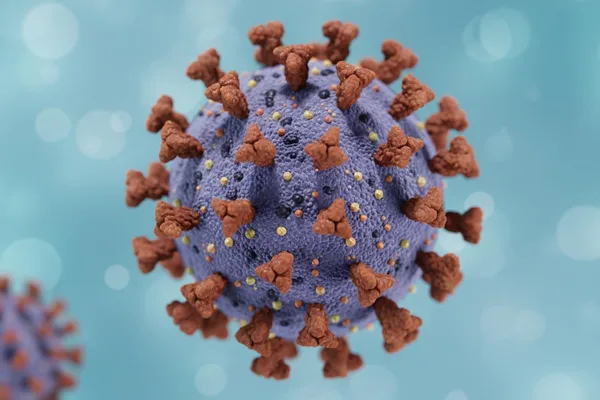
Simply put, COVID-19 is a disease caused by a virus that mainly affects our respiratory system. The virus that causes it is called SARS-CoV-2 . Because it is a new virus, it was a little difficult for us to control it at first. This means that it can cause the most damage to areas like our lungs and throat.

How does this spread from person to person?

This is a very contagious disease. Imagine, when a person with COVID-19 coughs, sneezes, talks, or sings loudly, droplets of urine and feces are released from their mouth and nose. These droplets can contain the virus. If a healthy person breathes in the air that has this virus, or touches a surface or doorknob that has the virus on it and then touches their nose, mouth, or eyes, the risk of getting the disease is high. That's why we always say to wash your hands and wear face masks.

What are the common symptoms?

When someone gets COVID -19 , they may experience different symptoms. Some may feel very mild symptoms, while others may have a more severe illness. Some people may have no symptoms at all. The most common symptoms are:

  • Fever or body heat
  • Cough (usually a dry cough, but sometimes a cough with phlegm)
  • Tiredness, feeling of weakness
  • Sore throat, itchy throat
  • Body aches, muscle pain
  • Headache
  • Some people lose their sense of smell and taste (this is a somewhat specific sign for Covid)
  • Difficulty breathing , shortness of breath (this is a serious sign , if this happens, you should seek medical advice immediately)
  • Some people may also experience symptoms such as stomach upset, diarrhea, and vomiting.

What do we need to know about the Covid-19 vaccine?

It is very important to talk about vaccination, because this is one of the main weapons we have to protect ourselves from this disease.

Why is this vaccine so important?

The COVID-19 vaccine is the best way to protect us from getting seriously ill from this disease, which means hospitalization, intensive care unit admission, and even death. Think of it this way: the vaccine works like a training for our bodies. That is, our immune system is prepared in advance to fight the real virus if it enters our bodies. Then, even if we do get sick, most people will not have any problems.

Is the vaccine safe? A question many people ask!

Yes, this is something that many people ask and think about. Before COVID-19 vaccines are released to the world, they undergo a lot of meticulous research, that is, clinical trials , to ensure their safety and efficacy. These are then approved by organizations like the World Health Organization (WHO).

As with any vaccine, there may be minor side effects . For example, soreness at the injection site, a slight fever, feeling unwell, and a headache. However, these will subside within a day or two. Serious side effects are very rare. The safety of getting the vaccine far outweighs these minor side effects.

Covid vaccine for children too?

Yes, the COVID-19 vaccine is now recommended for children ages 6 months to 5 years. It is important to protect children as they can also develop complications from this virus. This is especially important for children with other chronic conditions. If you have any questions about vaccinating your child, it is best to talk to your pediatrician.

What are these Covid variants?

You may have heard of Delta, Omicron. That's what we call COVID-19 Variants. Simply put, viruses change their characteristics little by little, that is, they mutate. Just like we wear clothes differently, they also make small changes. With these changes, some variants can spread faster than others, or they can slightly affect the effectiveness of the vaccine. That's why scientists are always paying attention to these variants, and vaccination and safety measures need to be maintained.

What to do if your little one gets COVID-19?

It's scary when we hear that our little one is sick, right? So if you think your child has symptoms of COVID-19, don't panic.

  • First, talk to a doctor. Either by phone or in person if possible. He or she will tell you what to do next. They may also order a test .
  • Isolate the child from others. This is important to stop the spread of the disease to others in the household, especially the elderly and those with other illnesses.
  • Give plenty of water and fluids (such as porridge, soup, fruit juice) to drink. Dehydration should be prevented when the body has a fever.
  • Let him rest well. Stop playing, running, and jumping for a few days.
  • To reduce fever, give something like Paracetamol, as directed by your doctor, in the prescribed dosage and at the prescribed time.
  • If you see any serious signs, such as difficulty breathing, chest pain, blue lips, or the child being very lifeless, you should take them to a hospital without delay.

What should we do to stay safe from COVID-19? (Precautions)

Isn't it better to prevent illness than to suffer from it? So let's see what we can do.

Let's use masks correctly.

Wearing a mask is one of the simplest and most important ways to protect yourself and others. It is especially important to wear a mask when going to crowded places (such as on the bus, train, or in the store) and when using public transportation. It should cover both your nose and mouth. When it comes to wearing a mask for young children, it is best to consult a doctor based on their age. Masks are generally not recommended for babies under 2 years old, as they may have difficulty breathing.

Don't forget to wash your hands and keep your distance!

This is something that helps protect against many diseases, not just COVID-19.

  • Always wash your hands thoroughly with soap for at least 20 seconds. Clean your palms, backs of your hands, between your fingers, and under your nails.
  • If soap is hard to find when you go out, use a hand sanitizer that contains at least 60% alcohol .
  • Maintain a distance of at least one meter from other people (Social Distancing) as much as possible. Especially stay away from people who have a cough or cold.

How do you protect a small baby?

Since babies under 6 months old cannot be given the COVID-19 vaccine, it is our responsibility to protect them.

  • Limit the number of people who come to see the baby, especially during this pandemic.
  • Those coming must be healthy and, if possible, have taken the COVID-19 vaccine.
  • Everyone should wash their hands thoroughly or use hand sanitizer before touching the baby.
  • Take your baby to crowded places as little as possible.

Questions about COVID-19 during pregnancy

If a pregnant mother gets COVID-19, she is more likely to develop complications and become more severely ill than the general population. Therefore, special care should be taken to protect herself from COVID-19 during pregnancy.

Pregnant women can also get the COVID-19 vaccine, which is safe and recommended. It protects both the mother and the baby in the womb. When you get the vaccine, the baby also gets the antibodies that the mother produces. If you have any further questions about this, talk to your Visiting Obstetrician and Gynaecologist (VOG).

Can I breastfeed my baby if I have COVID-19?

This is something that many mothers ask. Yes, even if you have COVID-19, you can still breastfeed your baby, as long as you follow the proper safety precautions. Breastfeeding is not only the best nutrition for your baby, it also boosts your baby's immunity. There is no evidence that the virus is transmitted through breast milk.

The most important thing is:

  • Wash your hands thoroughly with soap before feeding your baby.
  • Wearing a mask properly while breastfeeding.
  • If possible, keep the baby's room well ventilated (with windows open).

Medical treatment and tests for COVID-19

Let's learn what to do if you get sick and what kind of tests are available.

About taking the COVID-19 test

If you have symptoms of COVID-19, or have been in close contact with someone who has COVID-19, it is important to get tested. There are several types of tests, the main ones being:

1. PCR (Polymerase Chain Reaction) Test: This is the most accurate test, the "gold standard." It looks for the genetic material of the virus. The sample is taken from the nose or throat. It can usually take a few hours to a day or two for the results to come back.

2. Rapid Antigen Test (RAT): This can provide results quickly, within 15-30 minutes. This also requires a nasal swab. However, it is not as sensitive as PCR. This means that sometimes the disease can be detected even if it is not present (this is called a false negative). This is more likely to detect the disease in the early days of symptoms.

What is this antibody test?

An antibody test looks to see if you have had COVID-19 before and have developed antibodies against it, or if you have developed antibodies as a result of a vaccine. This does not tell you for sure whether you currently have the disease. You would need to do a PCR or antigen test for that.

Which COVID-19 Test is Best?

It depends on your situation and needs.

  • If you have symptoms, it is best to get a PCR test .
  • If you want a quick result, you can use a RAT . However, if the RAT comes back negative but symptoms persist, or you are in a high-risk group, it is better to do a PCR.
  • If you just want to know, without any signs,Even a RAT would suffice.

It's best to talk to your doctor about this and seek his advice.

Multisystem inflammatory condition in children (MIS-C) and COVID-19

This is a serious, but rare , condition that can occur in children. Several weeks after contracting COVID-19 (sometimes without symptoms), some children may develop inflammation, meaning swelling and redness, in various body systems (e.g., heart, lungs, kidneys, brain, skin, eyes, gastrointestinal system). This is called MIS-C (Multisystem Inflammatory Syndrome in Children) .

If your child has symptoms such as fever, body aches, red eyes, cracked and red lips, stomach ache, vomiting, diarrhea, extreme fatigue, and swollen lymph nodes in the neck, see a doctor immediately. If this is recognized and treated quickly, it can be completely cured.

Can I get multiple vaccines at once?

Yes, in most cases, it is okay to get the COVID-19 vaccine, the flu vaccine, and the RSV (Respiratory Syncytial Virus) vaccine, which some people may need (especially young children and the elderly), on the same day or in close proximity. It is best to discuss this with your doctor.

Is this a cold, the flu, RSV, or Covid?

This is a bit of a confusing question. Because the symptoms of all four of these diseases are very similar, it's hard to tell exactly which one is which based on the symptoms alone. Fever, cough, body aches, sore throat, and runny nose can all occur together.

  • The common cold is usually not severe, and fever rarely occurs.
  • The flu can start suddenly, causing body aches and extreme fatigue.
  • RSV can be severe in young children and the elderly, and symptoms can include fever.
  • COVID-19 can cause symptoms such as loss of smell and taste.

Therefore, if in doubt, it is best to see a doctor and get tested if necessary, especially if you are in a risk group or if there are people you are in contact with who are at risk.

How to deal with COVID-19 at home and school?

We now have to get used to living with the illness.

How to take care of yourself when you get COVID-19 at home (Home Care)

If someone in the family gets COVID-19, others need to be protected while caring for them.

  • Keep the patient in a separate room. If possible, allow them to use a separate bathroom.
  • Keep the room well ventilated. Keep the windows open.
  • Both of you should wear masks when talking to the patient and when feeding the patient.
  • Wash the patient's dishes, cutlery, clothing, and bedding separately, using hot water (if possible) and soap.
  • Clean frequently touched surfaces (doorknobs, tables, chairs, light switches) with disinfectant liquid daily.
  • Give the patient plenty of rest and fluids to drink.

What are Quarantine and Isolation?

We hear these two words all the time. Simply put:

  • Isolation: This is when someone who has COVID-19 (with or without symptoms) is completely isolated from others. This is done to stop the spread of the disease to others. Usually, you should isolate for a few days (according to instructions) from the day your symptoms start.
  • Quarantine: This is when someone who has been in close contact with someone who has COVID-19, but is not yet showing symptoms, is separated from others during the infectious period to see if they develop symptoms. This is done to prevent them from unknowingly spreading the disease to others if they also have the disease.

You can find the latest advice on these time limits and what to follow from your local health authorities (e.g., CDC, WHO websites, or local health department office).

How to isolate at home?

As mentioned above in the section 'How to take care of yourself when you get COVID-19 at home'.

  • Use a separate room and, if possible, a separate bathroom.
  • Do not have any close relationships with other people in the house.
  • Tell them to leave the food and drinks near the room door.
  • Wear a mask , especially if you have to leave the room (e.g. to go to the bathroom).
  • Pay attention to your symptoms. If your condition worsens (such as difficulty breathing), seek medical advice immediately.

Following these things correctly will go a long way in protecting the rest of your family.

So, what are the things we need to remember from all of this?

COVID-19 is something that has affected all of our lives to some extent. But if we are properly informed about it and follow the necessary safety measures, we can successfully cope with this situation. There is no need to panic, but we need to be careful.

  • Get the vaccine and get the booster dose on time. That's the best way to protect yourself from getting seriously ill.
  • Continue to follow basic health practices: wear a mask (especially in public and indoors), wash your hands frequently, and keep your distance from others (whenever possible).
  • If you feel sick, stay home. Don't spread it to others. If you have symptoms, don't panic and seek medical advice. Get tested if necessary.
  • Only accept reliable information. Be careful about what doctors and health authorities (e.g., World Health Organization - WHO, Centers for Disease Control and Prevention - CDC, local health ministry) say. Don't believe everything you see on social media.
  • You are not alone.This is a challenge for all of us. Let's get through this time with support, understanding, and mental health.

Don't forget, your awareness and responsible behavior will protect not only yourself, but also your loved ones and the entire community!

If you have any further questions, don't hesitate to ask your family doctor or local health officer. They will help you. Stay healthy!

👩🏽‍⚕️ Additional questions (FAQs)

💬 What kind of virus is Covid 19 (COVID-19)?

Covid belongs to a large family of viruses called 'Coronaviruses'. It first infects our nose, throat and lungs (respiratory system). That's why we cough and have difficulty breathing.

💬 Are the symptoms of this virus different from those that occurred earlier?

Yes. In the early days, the main symptoms were loss of taste and smell of food. But in the new Covid conditions, most people only experience a sore throat, fatigue, and headache, similar to a common cold.

💬 How can we build our immunity to prevent the Covid virus from reoccurring?

The best and 100% effective way is to get the Covid vaccine on time. It is also very important to control other diseases in our body (like diabetes) through good nutrition and exercise.


` Covid-19, COVID-19, Corona virus, Vaccine, Symptoms, Safety, Children, Pregnancy, Test, Quarantine, Isolation, MIS-C, Variants

Frequently Asked Questions (FAQ)

How do you protect a small baby?

Since babies under 6 months old cannot be given the COVID-19 vaccine, it is our responsibility to protect them.

Which COVID-19 Test is Best?

It depends on your situation and needs.

Can I get multiple vaccines at once?

Yes, in most cases, it is okay to get the COVID-19 vaccine, the flu vaccine, and the RSV (Respiratory Syncytial Virus) vaccine, which some people may need (especially young children and the elderly), on the same day or in close proximity. It is best to discuss this with your doctor.

Is this a cold, the flu, RSV, or Covid?

This is a bit of a confusing question. Because the symptoms of all four of these diseases are very similar, it's hard to tell exactly which one is which based on the symptoms alone. Fever, cough, body aches, sore throat, and runny nose can all occur together.

What are Quarantine and Isolation?

We hear these two words all the time. Simply put:

How to isolate at home?

As mentioned above in the section 'How to take care of yourself when you get COVID-19 at home'.

⚠️ Important: The medical articles and information on Nirogi Lanka are for general awareness only, and are by no means a substitute for professional medical advice, diagnosis, or treatment. For any medical problem you have, consult a qualified physician immediately.

💬 Comments (0)

No comments yet. Be the first to share your thoughts here.

Add Your Comment

Please calculate: 7 + 2 =
Everything you need to know about COVID-19, just like from a friend!

Everything you need to know about COVID-19, just like from a friend!

Hello! These days , Covid-19 (COVID-19) is a topic that almost everyone is talking about, and it can be a bit scary. So I'm going to tell you these things to help you know exactly about this disease and be careful without being afraid. Let's talk about this simply and clearly, just like your best friend would explain it to you.

Let's learn the basics about COVID-19.

It will be easier for you to understand if we talk a little about this disease from the beginning.

What is COVID-19?

Simply put, COVID-19 is a disease caused by a virus that mainly affects our respiratory system. The virus that causes it is called SARS-CoV-2 . Because it is a new virus, it was a little difficult for us to control it at first. This means that it can cause the most damage to areas like our lungs and throat.

How does this spread from person to person?

This is a very contagious disease. Imagine, when a person with COVID-19 coughs, sneezes, talks, or sings loudly, droplets of urine and feces are released from their mouth and nose. These droplets can contain the virus. If a healthy person breathes in the air that has this virus, or touches a surface or doorknob that has the virus on it and then touches their nose, mouth, or eyes, the risk of getting the disease is high. That's why we always say to wash your hands and wear face masks.

What are the common symptoms?

When someone gets COVID -19 , they may experience different symptoms. Some may feel very mild symptoms, while others may have a more severe illness. Some people may have no symptoms at all. The most common symptoms are:

  • Fever or body heat
  • Cough (usually a dry cough, but sometimes a cough with phlegm)
  • Tiredness, feeling of weakness
  • Sore throat, itchy throat
  • Body aches, muscle pain
  • Headache
  • Some people lose their sense of smell and taste (this is a somewhat specific sign for Covid)
  • Difficulty breathing , shortness of breath (this is a serious sign , if this happens, you should seek medical advice immediately)
  • Some people may also experience symptoms such as stomach upset, diarrhea, and vomiting.

What do we need to know about the Covid-19 vaccine?

It is very important to talk about vaccination, because this is one of the main weapons we have to protect ourselves from this disease.

Why is this vaccine so important?

The COVID-19 vaccine is the best way to protect us from getting seriously ill from this disease, which means hospitalization, intensive care unit admission, and even death. Think of it this way: the vaccine works like a training for our bodies. That is, our immune system is prepared in advance to fight the real virus if it enters our bodies. Then, even if we do get sick, most people will not have any problems.

Is the vaccine safe? A question many people ask!

Yes, this is something that many people ask and think about. Before COVID-19 vaccines are released to the world, they undergo a lot of meticulous research, that is, clinical trials , to ensure their safety and efficacy. These are then approved by organizations like the World Health Organization (WHO).

As with any vaccine, there may be minor side effects . For example, soreness at the injection site, a slight fever, feeling unwell, and a headache. However, these will subside within a day or two. Serious side effects are very rare. The safety of getting the vaccine far outweighs these minor side effects.

Covid vaccine for children too?

Yes, the COVID-19 vaccine is now recommended for children ages 6 months to 5 years. It is important to protect children as they can also develop complications from this virus. This is especially important for children with other chronic conditions. If you have any questions about vaccinating your child, it is best to talk to your pediatrician.

What are these Covid variants?

You may have heard of Delta, Omicron. That's what we call COVID-19 Variants. Simply put, viruses change their characteristics little by little, that is, they mutate. Just like we wear clothes differently, they also make small changes. With these changes, some variants can spread faster than others, or they can slightly affect the effectiveness of the vaccine. That's why scientists are always paying attention to these variants, and vaccination and safety measures need to be maintained.

What to do if your little one gets COVID-19?

It's scary when we hear that our little one is sick, right? So if you think your child has symptoms of COVID-19, don't panic.

  • First, talk to a doctor. Either by phone or in person if possible. He or she will tell you what to do next. They may also order a test .
  • Isolate the child from others. This is important to stop the spread of the disease to others in the household, especially the elderly and those with other illnesses.
  • Give plenty of water and fluids (such as porridge, soup, fruit juice) to drink. Dehydration should be prevented when the body has a fever.
  • Let him rest well. Stop playing, running, and jumping for a few days.
  • To reduce fever, give something like Paracetamol, as directed by your doctor, in the prescribed dosage and at the prescribed time.
  • If you see any serious signs, such as difficulty breathing, chest pain, blue lips, or the child being very lifeless, you should take them to a hospital without delay.

What should we do to stay safe from COVID-19? (Precautions)

Isn't it better to prevent illness than to suffer from it? So let's see what we can do.

Let's use masks correctly.

Wearing a mask is one of the simplest and most important ways to protect yourself and others. It is especially important to wear a mask when going to crowded places (such as on the bus, train, or in the store) and when using public transportation. It should cover both your nose and mouth. When it comes to wearing a mask for young children, it is best to consult a doctor based on their age. Masks are generally not recommended for babies under 2 years old, as they may have difficulty breathing.

Don't forget to wash your hands and keep your distance!

This is something that helps protect against many diseases, not just COVID-19.

  • Always wash your hands thoroughly with soap for at least 20 seconds. Clean your palms, backs of your hands, between your fingers, and under your nails.
  • If soap is hard to find when you go out, use a hand sanitizer that contains at least 60% alcohol .
  • Maintain a distance of at least one meter from other people (Social Distancing) as much as possible. Especially stay away from people who have a cough or cold.

How do you protect a small baby?

Since babies under 6 months old cannot be given the COVID-19 vaccine, it is our responsibility to protect them.

  • Limit the number of people who come to see the baby, especially during this pandemic.
  • Those coming must be healthy and, if possible, have taken the COVID-19 vaccine.
  • Everyone should wash their hands thoroughly or use hand sanitizer before touching the baby.
  • Take your baby to crowded places as little as possible.

Questions about COVID-19 during pregnancy

If a pregnant mother gets COVID-19, she is more likely to develop complications and become more severely ill than the general population. Therefore, special care should be taken to protect herself from COVID-19 during pregnancy.

Pregnant women can also get the COVID-19 vaccine, which is safe and recommended. It protects both the mother and the baby in the womb. When you get the vaccine, the baby also gets the antibodies that the mother produces. If you have any further questions about this, talk to your Visiting Obstetrician and Gynaecologist (VOG).

Can I breastfeed my baby if I have COVID-19?

This is something that many mothers ask. Yes, even if you have COVID-19, you can still breastfeed your baby, as long as you follow the proper safety precautions. Breastfeeding is not only the best nutrition for your baby, it also boosts your baby's immunity. There is no evidence that the virus is transmitted through breast milk.

The most important thing is:

  • Wash your hands thoroughly with soap before feeding your baby.
  • Wearing a mask properly while breastfeeding.
  • If possible, keep the baby's room well ventilated (with windows open).

Medical treatment and tests for COVID-19

Let's learn what to do if you get sick and what kind of tests are available.

About taking the COVID-19 test

If you have symptoms of COVID-19, or have been in close contact with someone who has COVID-19, it is important to get tested. There are several types of tests, the main ones being:

1. PCR (Polymerase Chain Reaction) Test: This is the most accurate test, the "gold standard." It looks for the genetic material of the virus. The sample is taken from the nose or throat. It can usually take a few hours to a day or two for the results to come back.

2. Rapid Antigen Test (RAT): This can provide results quickly, within 15-30 minutes. This also requires a nasal swab. However, it is not as sensitive as PCR. This means that sometimes the disease can be detected even if it is not present (this is called a false negative). This is more likely to detect the disease in the early days of symptoms.

What is this antibody test?

An antibody test looks to see if you have had COVID-19 before and have developed antibodies against it, or if you have developed antibodies as a result of a vaccine. This does not tell you for sure whether you currently have the disease. You would need to do a PCR or antigen test for that.

Which COVID-19 Test is Best?

It depends on your situation and needs.

  • If you have symptoms, it is best to get a PCR test .
  • If you want a quick result, you can use a RAT . However, if the RAT comes back negative but symptoms persist, or you are in a high-risk group, it is better to do a PCR.
  • If you just want to know, without any signs,Even a RAT would suffice.

It's best to talk to your doctor about this and seek his advice.

Multisystem inflammatory condition in children (MIS-C) and COVID-19

This is a serious, but rare , condition that can occur in children. Several weeks after contracting COVID-19 (sometimes without symptoms), some children may develop inflammation, meaning swelling and redness, in various body systems (e.g., heart, lungs, kidneys, brain, skin, eyes, gastrointestinal system). This is called MIS-C (Multisystem Inflammatory Syndrome in Children) .

If your child has symptoms such as fever, body aches, red eyes, cracked and red lips, stomach ache, vomiting, diarrhea, extreme fatigue, and swollen lymph nodes in the neck, see a doctor immediately. If this is recognized and treated quickly, it can be completely cured.

Can I get multiple vaccines at once?

Yes, in most cases, it is okay to get the COVID-19 vaccine, the flu vaccine, and the RSV (Respiratory Syncytial Virus) vaccine, which some people may need (especially young children and the elderly), on the same day or in close proximity. It is best to discuss this with your doctor.

Is this a cold, the flu, RSV, or Covid?

This is a bit of a confusing question. Because the symptoms of all four of these diseases are very similar, it's hard to tell exactly which one is which based on the symptoms alone. Fever, cough, body aches, sore throat, and runny nose can all occur together.

  • The common cold is usually not severe, and fever rarely occurs.
  • The flu can start suddenly, causing body aches and extreme fatigue.
  • RSV can be severe in young children and the elderly, and symptoms can include fever.
  • COVID-19 can cause symptoms such as loss of smell and taste.

Therefore, if in doubt, it is best to see a doctor and get tested if necessary, especially if you are in a risk group or if there are people you are in contact with who are at risk.

How to deal with COVID-19 at home and school?

We now have to get used to living with the illness.

How to take care of yourself when you get COVID-19 at home (Home Care)

If someone in the family gets COVID-19, others need to be protected while caring for them.

  • Keep the patient in a separate room. If possible, allow them to use a separate bathroom.
  • Keep the room well ventilated. Keep the windows open.
  • Both of you should wear masks when talking to the patient and when feeding the patient.
  • Wash the patient's dishes, cutlery, clothing, and bedding separately, using hot water (if possible) and soap.
  • Clean frequently touched surfaces (doorknobs, tables, chairs, light switches) with disinfectant liquid daily.
  • Give the patient plenty of rest and fluids to drink.

What are Quarantine and Isolation?

We hear these two words all the time. Simply put:

  • Isolation: This is when someone who has COVID-19 (with or without symptoms) is completely isolated from others. This is done to stop the spread of the disease to others. Usually, you should isolate for a few days (according to instructions) from the day your symptoms start.
  • Quarantine: This is when someone who has been in close contact with someone who has COVID-19, but is not yet showing symptoms, is separated from others during the infectious period to see if they develop symptoms. This is done to prevent them from unknowingly spreading the disease to others if they also have the disease.

You can find the latest advice on these time limits and what to follow from your local health authorities (e.g., CDC, WHO websites, or local health department office).

How to isolate at home?

As mentioned above in the section 'How to take care of yourself when you get COVID-19 at home'.

  • Use a separate room and, if possible, a separate bathroom.
  • Do not have any close relationships with other people in the house.
  • Tell them to leave the food and drinks near the room door.
  • Wear a mask , especially if you have to leave the room (e.g. to go to the bathroom).
  • Pay attention to your symptoms. If your condition worsens (such as difficulty breathing), seek medical advice immediately.

Following these things correctly will go a long way in protecting the rest of your family.

So, what are the things we need to remember from all of this?

COVID-19 is something that has affected all of our lives to some extent. But if we are properly informed about it and follow the necessary safety measures, we can successfully cope with this situation. There is no need to panic, but we need to be careful.

  • Get the vaccine and get the booster dose on time. That's the best way to protect yourself from getting seriously ill.
  • Continue to follow basic health practices: wear a mask (especially in public and indoors), wash your hands frequently, and keep your distance from others (whenever possible).
  • If you feel sick, stay home. Don't spread it to others. If you have symptoms, don't panic and seek medical advice. Get tested if necessary.
  • Only accept reliable information. Be careful about what doctors and health authorities (e.g., World Health Organization - WHO, Centers for Disease Control and Prevention - CDC, local health ministry) say. Don't believe everything you see on social media.
  • You are not alone.This is a challenge for all of us. Let's get through this time with support, understanding, and mental health.

Don't forget, your awareness and responsible behavior will protect not only yourself, but also your loved ones and the entire community!

If you have any further questions, don't hesitate to ask your family doctor or local health officer. They will help you. Stay healthy!

👩🏽‍⚕️ Additional questions (FAQs)

💬 What kind of virus is Covid 19 (COVID-19)?

Covid belongs to a large family of viruses called 'Coronaviruses'. It first infects our nose, throat and lungs (respiratory system). That's why we cough and have difficulty breathing.

💬 Are the symptoms of this virus different from those that occurred earlier?

Yes. In the early days, the main symptoms were loss of taste and smell of food. But in the new Covid conditions, most people only experience a sore throat, fatigue, and headache, similar to a common cold.

💬 How can we build our immunity to prevent the Covid virus from reoccurring?

The best and 100% effective way is to get the Covid vaccine on time. It is also very important to control other diseases in our body (like diabetes) through good nutrition and exercise.


` Covid-19, COVID-19, Corona virus, Vaccine, Symptoms, Safety, Children, Pregnancy, Test, Quarantine, Isolation, MIS-C, Variants

Frequently Asked Questions (FAQ)

How do you protect a small baby?

Since babies under 6 months old cannot be given the COVID-19 vaccine, it is our responsibility to protect them.

Which COVID-19 Test is Best?

It depends on your situation and needs.

Can I get multiple vaccines at once?

Yes, in most cases, it is okay to get the COVID-19 vaccine, the flu vaccine, and the RSV (Respiratory Syncytial Virus) vaccine, which some people may need (especially young children and the elderly), on the same day or in close proximity. It is best to discuss this with your doctor.

Is this a cold, the flu, RSV, or Covid?

This is a bit of a confusing question. Because the symptoms of all four of these diseases are very similar, it's hard to tell exactly which one is which based on the symptoms alone. Fever, cough, body aches, sore throat, and runny nose can all occur together.

What are Quarantine and Isolation?

We hear these two words all the time. Simply put:

How to isolate at home?

As mentioned above in the section 'How to take care of yourself when you get COVID-19 at home'.

⚠️ Important: The medical articles and information on Nirogi Lanka are for general awareness only, and are by no means a substitute for professional medical advice, diagnosis, or treatment. For any medical problem you have, consult a qualified physician immediately.

💬 Comments (0)

No comments yet. Be the first to share your thoughts here.

Add Your Comment

Please calculate: 7 + 2 =