

Expecting a baby is a very special and beautiful experience in every woman's life. At the same time, it is also normal to have a little fear and anxiety about the pain during childbirth. Some people may feel scared even when they think about the pain that comes at that time. However, given how advanced medical science has become, there are ways to help you control that pain to a great extent and face childbirth with a calm and clear mind. One such method that is well-known and very successful among many is called (Epidural) . Some also call this (Epidural Block). Let's talk about this in detail today, okay?
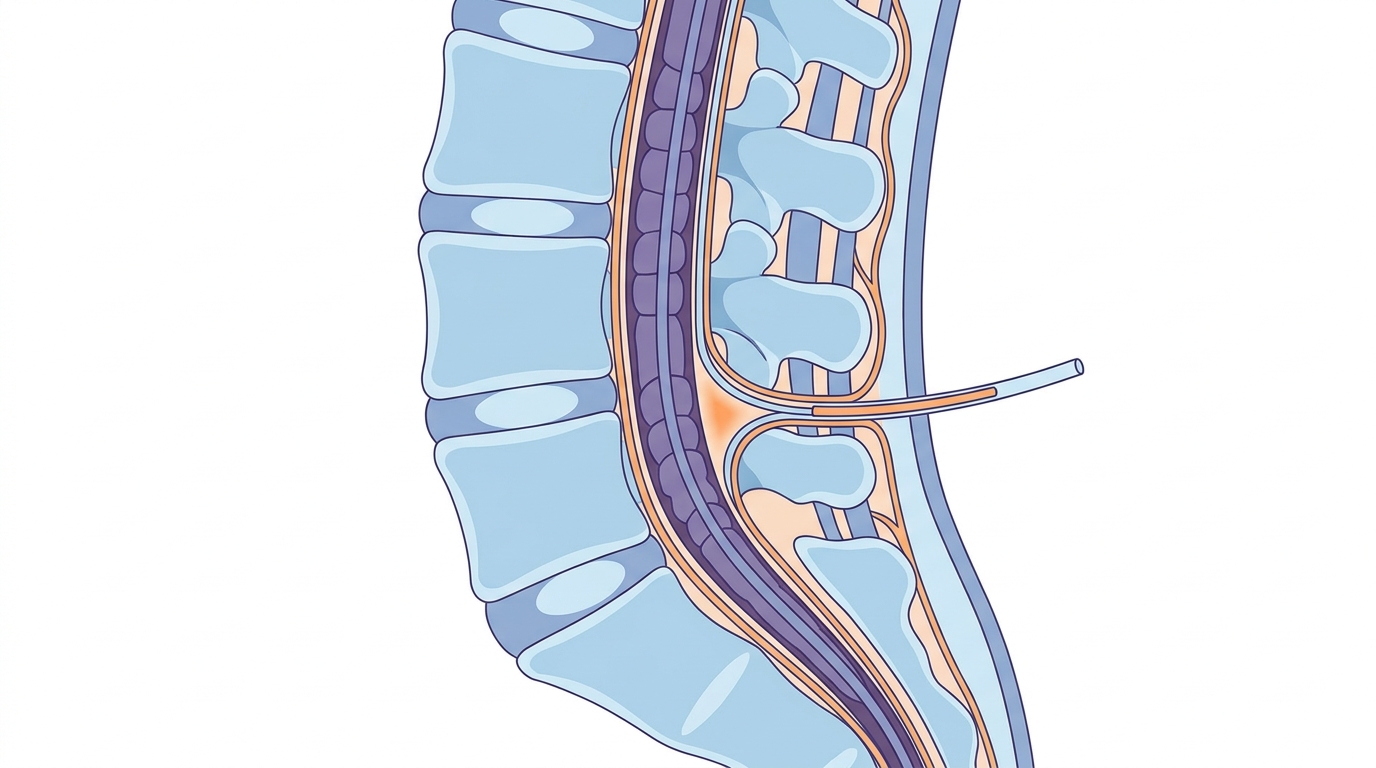
What is this (Epidural)? Simply put...
Simply put, an epidural is a method of reducing the pain of childbirth, making you feel a little more relaxed, and helping you feel calm and in control throughout the process.
This is actually a method of controlling pain in a specific area of the body, Regional pain control. That is, the entire area below your buttocks – including the walls of the vagina and up to your legs – is relieved of pain. But the most important thing is that when you get an Epidural, even though you are pain-free, you are still conscious , you can feel what is happening around you, and you can hear what the doctors and nurses are saying. That means you can enjoy the beautiful moment your baby comes into this world with a clear mind. This is often the main method of giving pain relief during childbirth.
How is this (Epidural) given? Can you explain a little bit?
Now you're probably thinking, "Oh, how do I do this? Will it hurt? What kind of thing will happen?" Don't worry, I'll explain it to you simply.
When you get an epidural, an anesthesiologist inserts a thin tube called a catheter into your lower back, specifically into the space around your spinal cord called the epidural space. The epidural space is a small space outside the thin membrane that covers your spinal cord.
When doing this, you will either be asked to sit or lie down. Either way, you should keep your back well rounded and bent forward . Think of it as a cat with its back arched. That way, it will be easier for the doctor to insert the catheter.
This (Catheter) will take a few minutes to insert. First, a small amount of medicine is injected to numb the area. So you may feel a slight tingling sensation, like a small ant biting you, or a pricking sensation. Then you may feel a strong pressure or a squeezing sensation. The needle is used to guide the small (Catheter) into the right place. After it is inserted, the needle is removed. You may feel the (Catheter) in your back, but it is not painful or uncomfortable.
This (Epidural catheter) will remain in place until your labor is over. It is through it that pain medication is given when needed.
What does it feel like after an epidural is given?
The medicine given through the epidural catheter may contain painkillers (such as opioids), anesthesia, or a combination of both.
You will start to feel the effects of the medicine within 10-20 minutes after it is given. You will still feel the baby's movements, the tightening of your stomach when the uterus contracts. That is, you will feel the pressure of the baby trying to come out. But the unbearable pain will have largely disappeared. It is very important for you to feel these contractions, because they will help you when you start to push the baby.
As the doctor increases or decreases the dose of the medicine, your legs may feel a little weak, warm, tingling, numb, or heavy. However, unlike some other painkillers, when you get an epidural , you are fully conscious and aware of what is going on around you.
What are the benefits of getting an epidural?
There are several benefits of an epidural. Let's look at the main ones.
- Long-term pain relief : The biggest advantage is that you can get pain relief for as long as you need it, which means until the end of labor.
- Ability to adjust the dosage: Doctors can adjust the dosage of the medication based on your needs and the stages of labor. They can also stop giving the medication for a while if necessary.
- Good alertness and strength: Since the dosage of medication is often low, this helps the mother stay alert, feel contractions when they come, and at the same time have the strength needed to push the baby.
- Safety: Because most of the medication stays in the epidural space, very little enters the bloodstream of the mother or baby. Therefore, an epidural is generally very safe for both mother and baby.
- In the event of an emergency C-section : Imagine that you have to have an emergency C-section during labor. In that case, you can have a slightly stronger anesthetic through the epidural catheter that you already have. This will numb you completely from the waist down, but you will be fully conscious during the surgery. (However, if you have an emergency C-section without an epidural catheter, you may need to be given general anesthesia, which means you will not feel anything during the surgery.)
"An epidural can be a great help in reducing pain and allowing you to welcome your baby into the world with a calm, clear mind."
Are there any disadvantages or risks to an epidural?
As with any medical procedure, an epidural is not without its risks. But these are often minor or easily managed by doctors. Let's take a look at what they are:
- Difficulty pushing: Sometimes, the epidural can make it difficult to push the baby . However, if this happens, the anesthesiologist can adjust the dose of the medication to correct the problem.
- Low blood pressure in the mother: This can have a small impact on the blood flow to the baby. But this can also be easily controlled by doctors.
- Other minor discomforts: Some people may experience headaches, body aches, fever, nausea, or vomiting .
- Temporary difficulty urinating: Sometimes it can be difficult to urinate. If this happens, a temporary urinary catheter may need to be inserted.
These things may sound a little scary, but remember that the risks are very low (Corrected: "ரோமா ாயி" is Tamil, use "இதமா ாயி"), very low , and the medical team is prepared for all of this.
Will an epidural affect my baby?
The main fear that some mothers have is, "Will this medicine affect the baby?" In fact, only a very small amount of the medicine given with an epidural reaches the baby's bloodstream. This is much less than the amount of medicine that would reach the baby if you were given an IV or general anesthesia.
The risk to the baby from an epidural is very low. However, sometimes a little distress can occur. This means that the baby's heartbeat can often slow down due to the mother's low blood pressure . However, this can also be easily corrected. This can be avoided by giving the mother fluids through an IV, changing her position, and improving her circulation.
How will I feel after having the baby?
You may feel a little shaky after having your baby. This is different for some people, whether they had an epidural or not, so don't worry about it.
Your legs will feel a little numb and heavy with a ticklish feel until the effects of the medication wear off. So you may not be able to walk for a few hours after your baby is born. Even then, it's best to have someone help you walk until your legs feel normal.
If you had a C-section, your doctor may leave an epidural in place for a while to help control the pain after the surgery.
The epidural site may be slightly sore for a few days. This is normal. Very rarely, mothers who have had an epidural may experience a severe headache after giving birth. If this happens, you should tell your doctor immediately.
The most important thing to keep in mind (Take-Home Message)
So, in conclusion, an epidural is a very good and safe way to manage the pain of childbirth. It can help you reduce pain and welcome your baby into the world with comfort and peace of mind.
Of course, not everyone needs an epidural, and some people don't want one. It's entirely your decision. But if you're thinking about it, talk to your doctor about it . They can help you choose the best option for you, taking into account your health condition, your preferences, and more.
Remember, childbirth is both a challenge and a beautiful experience. You have the right to make that experience as comfortable as possible.
I hope this information is useful to you. If you have anything else to ask, please feel free to ask!
Doctor's Note
Labor pain is one of the worst pains a mother faces in her life. Epidural injection is a very effective way to control this pain. Medicines are administered through a catheter to the lower back area. Although the pain is almost gone, there is no obstacle to a normal delivery as you are fully conscious. Although there is no need to fear, it is important to discuss the side effects and risks with the obstetrician and anesthesiologist in advance.


💬 Comments (0)
No comments yet. Be the first to share your thoughts here.
Add Your Comment