

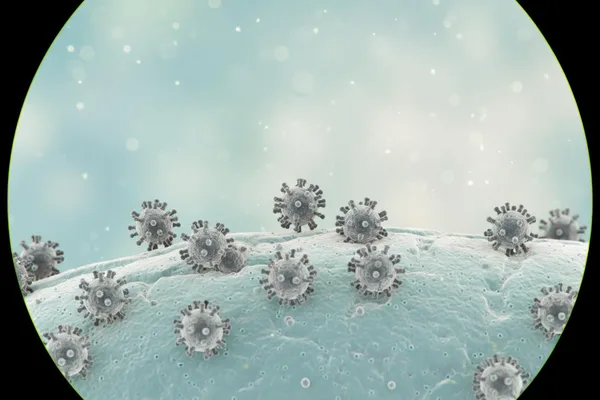
You may have heard of Hepatitis B somewhere. Some people are a little afraid of it, while others don't care much about it. However, this is something we all need to be aware of. Simply put, Hepatitis B is a viral infection that affects our liver. It is caused by the Hepatitis B virus, or HBV for short. Some people get it and get better in a few days without any problems. However, for some people, it can become a chronic disease that can cause serious damage to the liver.
How do we get Hepatitis B?
Now let's see how this disease spreads from one person to another. This is very important, because if we know these methods, we can be careful.
HBV is mainly spread in the following ways:
- Having sex with someone who is infected with HBV: This is the most common way the disease is spread. If you have sex without using proper protection , the virus can be passed from an infected person to a healthy person.
- Sharing infected needles and syringes: This risk is especially high among people who inject drugs. When multiple people use the same needle, the virus can easily spread. This also applies to using equipment that has not been properly sterilized.
- (HBV) to a newborn baby: If the mother has this disease, either during pregnancy or during childbirth, there is a high chance that the baby will also be infected. That is why pregnant mothers should be especially careful about this.
Imagine, this virus is in blood and body fluids. So, the disease is transmitted only if those infected fluids enter the body of a healthy person.
What are acute and chronic hepatitis B?
Doctors talk about two types of Hepatitis B. One is Acute Hepatitis B , and the other is Chronic Hepatitis B.
- Acute Hepatitis B: This is a short-term illness that occurs within 6 months of infection with the virus. Most people recover completely from this condition.
- Chronic Hepatitis B: However, some people still have the virus in their bodies after 6 months. That's when it becomes chronic, meaning a long-term disease. This is the most dangerous, because it can cause lifelong illness.
There is another important thing in this.The younger a person is when they are infected with this virus, the more likely it is that it will become chronic. For example, if you take a newborn baby with `(HBV)`, only 90% of those babies will develop chronic infection. However, if someone over 5 years old gets it, that risk drops to about 6%–10%.
For this reason, organizations such as the World Health Organization (WHO) and the Centers for Disease Control (CDC) recommend that all newborns receive the first dose of the hepatitis B vaccine within 12-24 hours of birth. The second dose is given at 1-2 months, and the third dose is given at 6-18 months. This vaccine has also been included in the national vaccination program in Sri Lanka.
What are the symptoms of acute hepatitis B infection?
When you are infected with `(HBV)`, you can experience a variety of symptoms. It can range from a simple body ache to the chronic liver disease we talked about earlier. A person with acute hepatitis B may experience symptoms similar to those of a common viral flu. These include:
- Feeling very tired, a lifeless feeling.
- Feeling like you're going to vomit, maybe even vomiting.
- Anorexia , not wanting to eat.
- Having a fever.
In addition to this, infection with `(HBV)` can cause several other specific symptoms:
- Urine that is darker than normal.
- Stools becoming lighter or grayer in color.
- Jaundice : This is a condition in which the whites of the eyes and skin turn yellow.
- Joint pain.
- Having a stomach ache.
These symptoms begin to appear between 1 and 6 months after exposure to the hepatitis B virus. These symptoms can last from weeks to months.
The important thing is that some people may not show any symptoms when they have hepatitis B. However, don't forget that even someone who doesn't have any symptoms can still spread the disease to someone else.
What problems can Hepatitis B cause?
Chronic Hepatitis B is a serious infection. If it continues, it can lead to serious conditions such as cirrhosis , liver failure , or liver cancer . These can make a person very ill and even die.
If a pregnant woman has hepatitis B, even if she has no symptoms, there is a very high chance that her baby will be infected with the disease during or shortly after birth. However, this risk can be greatly reduced if the baby is given a special immunization vaccine (Immune Globulin) and the first dose of the hepatitis B vaccine immediately after birth.
Sometimes, people infected with `(HBV)` may not show any symptoms for a long time. By the time symptoms appear after such a long time, the liver may have already been damaged and more serious problems may have already occurred.
How do you know for sure if you have Hepatitis B?
If someone has any of these symptoms, or if they suspect they may have been exposed to the virus through sexual contact or drug use, it is important to see a doctor immediately. The doctor will usually take a blood sample and do a test. This blood test can check for antibodies to the virus. It can also determine whether the infection is acute or chronic.
What are the treatments for Hepatitis B?
Unfortunately, there is no cure for Hepatitis B. Doctors can only help control the symptoms. For example, they advise people to get plenty of rest and drink plenty of fluids. If someone is too ill to eat or drink, they may need to be hospitalized for treatment.
The good news is that older children and young adults often recover from hepatitis B. They may also develop natural immunity to the virus. Most people recover within about 6 months. However, people who develop chronic hepatitis B are closely monitored by health care providers. Sometimes, they are given antiviral medications .
What happens after a Hepatitis B infection?
Some people may have the virus in their bodies for life. This means that they are carriers of the disease for life and can spread the disease to others. There are a few things to keep in mind, especially for these people:
- You should avoid drinking alcohol completely, as alcohol can further damage the liver.
- It is important to consult a doctor before taking any medication (prescribed, over-the-counter, or vitamin supplements). It is important to make sure that the medication will not cause further damage to the liver.
- A person who has ever been confirmed to have hepatitis B cannot donate blood.
Can you survive Hepatitis B?
Yes, you definitely can! This is the most important part.
- Vaccination:Now, all newborns receive the hepatitis B vaccine in three doses over a period of 6 months. This vaccination has greatly reduced the number of hepatitis B cases. Doctors recommend that all children and young people under the age of 19 who were not properly vaccinated or who have not completed all three doses receive a "catch-up" vaccination.
There are some special cases where children may need to be revaccinated later in life. These are:
- Children whose mothers have the hepatitis B virus in their blood.
- Children who require hemodialysis.
- Children with weak immune systems.
- Post-exposure protection: If someone who has not been vaccinated is exposed to the hepatitis B virus (HBV), doctors may give them the vaccine and/or an immune globulin injection that contains antibodies against the virus. This is to try to prevent infection. Therefore, it is very important to see a doctor immediately if you think you may have been exposed to the virus.
- Safety practices: To prevent the spread of hepatitis B through infected blood and other body fluids, adults and young people should take these precautions:
- Always use a latex condom properly during sexual intercourse (oral, vaginal, or anal).
- Avoid contact with the blood of an infected person.
- Do not inject drugs intravenously. Do not share syringes, needles, or other drug paraphernalia.
- Do not share personal items like toothbrushes and razors with others.
- Check tattoo and piercing shops carefully. Make sure they don't reuse the same needles without properly sterilizing them.
The most important things to keep in mind (Take-Home Message)
Okay, so, from what we've discussed, I hope you've gained a better understanding of Hepatitis B. Finally, the most important things to remember are these:
- Hepatitis B is a viral infection that affects the liver. It can sometimes become chronic and cause serious problems.
- Vaccination is the best way to protect yourself from this. It is very important for newborns and those who have missed out on the vaccine to get it.
- The spread of the disease can be prevented by practicing safe sex, not sharing needles and syringes, and not sharing personal hygiene items with others.
- Whether you have symptoms or not, if you have any doubts, be sure to see a doctor and get checked out.
- It is essential for people with chronic hepatitis B to follow their doctor's instructions and make the necessary lifestyle changes.
Remember, awareness is the best defense. You too can educate others about this. Then we can reduce this disease from society.
👩🏽⚕️ Additional questions (FAQs)
💬 What kind of disease is Hepatitis B?
This is a dangerous infection that directly affects our liver caused by a virus called 'Hepatitis B'. This virus causes the liver to swell, and over time, the liver can become completely weak (cirrhosis) and even develop cancer.
💬 How does this virus spread from one person to another?
The virus can be transmitted from an infected person's blood (e.g., through a tattoo needle), through unprotected sex, and from a pregnant mother to her baby. However, it cannot be transmitted by sharing food, coughing, or sneezing with an infected person.
💬 What is the best way to avoid this disease?
The highly effective Hepatitis B vaccine provides 100% protection against this disease. This vaccine is now mandatory for every child born.
` Hepatitis B, Hepatitis B, liver, virus, HBV, vaccine, chronic disease, acute disease




💬 Comments (0)
No comments yet. Be the first to share your thoughts here.
Add Your Comment