
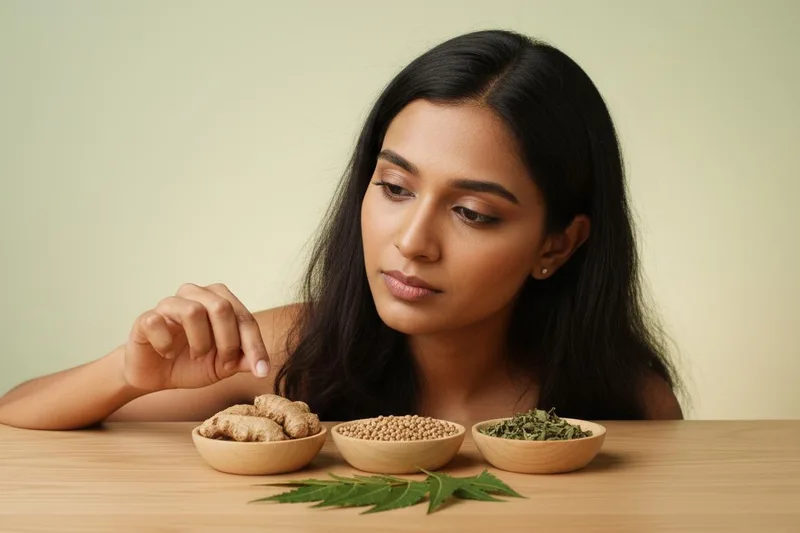
We all know about the simple home remedies we use since childhood. When we have a cough, we drink some boiled ginger and coriander, when we have a stomach ache, we drink some coriander water, when we have a wound, we rub some kohomba leaves. These are things that are connected to our culture. So, using plants, herbs, and other things to get relief from diseases in this way is called herbal therapy or phytotherapy in medicine. This is not new, it is a method that has been used by people all over the world for thousands of years. But using these thinking that "they are made from a plant, so there is nothing wrong with it" can be dangerous. Today, let's talk about what exactly you need to know about these herbal medicines .
What is this plant therapy (Phytotherapy)?
Simply put, this refers to the use of plant parts (such as roots, leaves, flowers, bark) or extracts made from them to manage health conditions. These are also called ``Phytopharmaceuticals'', ``Phytomedicines'', or ``Botanicals''.
Often these are used as a form of complementary medicine . That is, they are used as an additional support alongside the Western medicine you would normally get from a doctor. For example, while taking the medicine your doctor gives you for joint pain, you might mix some turmeric with milk and drink it for relief.
But the biggest problem here is the status and regulation of these. In some countries like Europe, these herbal medicines are subject to strict rules and can only be purchased with a doctor's prescription . But in countries like America, and in our country too, these are often sold as dietary supplements. That is, they are not subjected to rigorous testing like regular medicine, and the quantity, safety, and quality of the ingredients in them are not exactly confirmed.
So the most important thing to remember is to never start using any herbal medicine without talking to your doctor.
How do these actually work?
Herbal medicines can affect our bodies in many ways. Some of them affect our brain chemicals ( neurotransmitters ), our immune system, or our appetite.
Another important way is to prevent damage to the cells in our body. You know, this damage to our cells is the root of many major diseases like cancer and dementia. Plants contain a special type of chemical compound called phytochemicals . Research has found that these act as protectors for our cells and help reduce or prevent that damage. For example, tea leaves, fruits, and vegetables contain many of these beneficial phytochemicals.
Popular herbal medicines that are under research and their uses
Researchers are still researching various herbal medicines. But it's important to remember that many of these are not yet 100% proven. See the table below for some examples.
| Herb / Compound | Expected benefits |
|---|---|
| Beta-sitosterol (A micronutrient found in plants) | It can help with skin problems, wound healing, and heart health. |
| Fish oils (Contains omega-3 fatty acids) | It can help prevent cardiovascular disease. |
| Ginger | It may help relieve symptoms of nausea and vomiting (but research is still ongoing on whether it is safe for pregnant women). |
| Green tea | It can help fight cancer cells and control diabetic retinopathy, a complication of diabetes. |
| Probiotics (Beneficial bacteria found in yogurt and skim milk) | It can help reduce symptoms caused by conditions such as Ulcerative Colitis and Irritable Bowel Syndrome (IBS). |
| Soy products | May help reduce blood cholesterol levels. |
What are the reasons for the change in quality of these?
We know that "not every coriander packet in the store has the same properties." The same is true of these herbal medicines. Even though they have the same name, their properties, quality, and effectiveness can vary greatly. There are several reasons for this:
- The amount of chemicals in the plant: Even if the plants are the same type, the amount of medicinal chemicals they contain varies depending on the soil and climate in which they grow.
- Harvesting and storage methods: The quality can vary greatly depending on factors such as the time the plant is harvested, how it is dried, and the temperature and humidity of the storage location.
- Plant parts used: Some plants have their benefits in their roots, others in their leaves. If you don't use the right part, you won't get results.
- Processing process: The amount of active ingredients in a plant also varies depending on the method used to make the medicine.
- Other added ingredients: Some products have added preservatives and flavorings, which can also affect quality.
Risk is the most important thing! What are the risks in these?
This is the part you need to pay the most attention to. The idea that "herbal products are harmless" is completely wrong. These can cause serious harm.
Think about it, plants like kaneru are natural plants. But how poisonous are they? Also, some herbal medicines can be dangerous if taken incorrectly, in the wrong amount.
See the table below for the main risks involved.
| Main risks of using herbal medicines | |
|---|---|
| Toxicity | Some herbs, if taken in the wrong dosage, can damage the liver and kidneys. They can make you sick. |
| Drug Interactions | It can reduce the effectiveness of other medications you take, increase their effectiveness, or cause dangerous side effects. We'll talk about this in more detail. |
| Contamination | Products that are not of the proper standard may contain heavy metals such as mercury and lead, harmful bacteria, and mold. |
| Allergies | It can range from minor allergies like skin rashes to anaphylaxis , a severe allergic reaction that can be life-threatening. |
| Lack of clarity about dosage and content | Many products do not clearly state the correct dosage to take or what they actually contain. |
Be especially careful about drug interactions!
This is the most serious issue. Research has found that many people do not tell their doctors about the herbal medicines they are taking. This is very dangerous. Because this herbal medicine can react with a regular medicine you are taking and cause a big problem.
For example:
- If you are taking a medication like Warfarin, which is used to prevent blood clotting, and taking too much of things like garlic and ginger with it may increase the risk of bleeding.
- If you are taking antidepressants and taking the herb St. John's Wort with them, you may experience severe toxicity (Serotonin Syndrome).
Below are some medications that may interact with herbal remedies.
- Antidepressants
- Aspirin and other painkillers (NSAIDs)
- Birth control pills
- Blood pressure drugs
- Cholesterol-lowering drugs ``(Statins)``
- Anti-cancer drugs `(Chemotherapy)`
- Immunosuppressants
- Blood thinners `(Warfarin)`
This list is not complete. So, no matter what medication you take, always check with your doctor before using any new herbal product.
When should you seek immediate medical advice?
If you experience any of the following symptoms while taking any herbal medicine, stop taking the medicine immediately and see your doctor. If the symptoms are severe, go to the Emergency Department (ETU) of the nearest hospital.
- Chest pain
- Diarrhea (stomach ache)
- Dizziness
- Loss of consciousness
- Persistent headache
- Feeling like your heart is beating fast (palpitations)
- Nausea and vomiting
- Difficulty breathing (Dyspnea)
- Skin rash
Take-Home Message
- Just because you see the words "herbal" or "natural" doesn't mean it's 100% safe. Like anything, there are risks.
- Tell your doctor about all the medications you take (Western, Ayurvedic, herbal, vitamin pills). Don't hide anything. It's very important for your safety.
- Choose only products of good quality from a trusted source. Read the label carefully.
- Pregnant mothers, nursing mothers, young children, and people with chronic illnesses should be very careful when using herbal medicines.
- If any side effects occur, stop taking the medicine immediately and seek medical advice.


💬 Comments (0)
No comments yet. Be the first to share your thoughts here.
Add Your Comment