
When you look up recovery time for neck lift surgery: clinical meaning, causes, normal ranges & next steps, what you really want is an honest, practical timeline of how your body heals day by day. Neck lift surgery (lower rhytidectomy) reshapes sagging skin, excess fat, and separated muscle bands along the jawline and throat. Because the neck moves constantly whenever you turn your head, swallow, or talk, we doctors always remind patients that surgical healing here requires thoughtful rest and realistic expectations.
Think about it for a second: looking ready to meet friends for coffee is very different from being completely healed deep underneath the skin. Be honest, you have probably wondered how soon you can hop back onto a work video call or drive to the grocery store without anyone noticing, haven't you? Knowing the difference between surface recovery and deep biological healing spares you unnecessary worry during the first month.
Whether you are consulting a specialist or visiting your Primary Care Physician (PCP) or family GP clinic for preoperative medical clearance, understanding each recovery milestone puts you firmly in control. Below, we doctors walk you through how neck tissues repair themselves, why recovery times vary from person to person, exact week-by-week stages, practical home care, and warning signs that need urgent medical attention.
📌 Key Takeaways at a Glance
- Social vs. full healing: Most patients feel comfortable in public with light makeup after 10 to 14 days, return to desk work in 1 to 2 weeks, and reach final contour between 3 and 6 months.
- Procedure depth matters: Simple under-chin fat removal heals in about a week, while deep muscle tightening requires 2 to 4 weeks before resuming normal workouts.
- First 48 hours are critical: Keeping your head elevated at 30 to 45 degrees and maintaining calm, normal blood pressure prevents dangerous bleeding under the skin.
- Temporary tightness is expected: Feeling a snug "turtleneck" sensation and mild under-chin numbness is normal and gradually fades over several months.
- Know red-flag emergencies: Sudden, tense one-sided neck swelling or difficulty breathing requires immediate emergency care via 911, 999, or 000.
What Is the Normal Recovery Time for Neck Lift Surgery?
Recovery time for neck lift surgery typically takes 10 to 14 days for initial social recovery, 2 to 4 weeks to resume regular work and light daily activities, and 3 to 6 months for deep internal swelling, skin tightness, and incisions to mature completely.
Clinically, we doctors divide your postoperative journey into two distinct windows: social recovery and biological tissue remodeling. During the first 10 to 14 days, surface bruising (ecchymosis) fades from dark purple to pale yellow, stitches come out, and visible puffiness drops enough that a scarf or collar is no longer needed. By week three or four, most people attend dinners, run errands, and ease back into brisk neighborhood walks without drawing a second glance.
Underneath that smooth jawline, however, your body continues working quietly for months. Deep internal swelling (edema) settles slowly with gravity, tiny sensory nerves reconnect, and fine incision scars tucked behind the ears and under the chin soften from pink to skin-toned. We rarely stop to think about how much work happens below the surface after stitches come out, do we? Separating visible downtime from internal remodeling helps you judge your progress accurately.
How Does Your Body Heal Underneath the Skin After a Neck Lift?
Look at what happens underneath the skin here once your plastic surgeon finishes the operation. Your body immediately launches three overlapping biological repair phases. First comes the inflammatory phase during days 1 through 5, when blood vessels seal off and white blood cells rush in, creating warmth, puffiness, and bruising. Second is the proliferative phase across weeks 1 through 4, when specialized repair cells lay down fresh collagen fibers to anchor lifted skin and muscle back into place. Finally, the remodeling phase spans months 1 through 6, organizing that new collagen into supple, natural-feeling tissue.
Have you ever wondered why your neck can feel snug like a tight turtleneck after surgery? During surgery, microscopic fluid-draining vessels (lymphatic channels) and tiny skin nerves are temporarily disrupted, causing firm swelling and patchy numbness until those pathways regenerate. Furthermore, the exact technique your surgeon performs directly sets your recovery clock:
- Under-chin fat removal (submental liposuction): Removes small fat pockets through tiny keyholes without skin trimming; most patients recover within 5 to 7 days.
- Excess skin removal (cervicoplasty): Trims loose neck skin alone; initial healing typically takes 10 to 14 days.
- Neck muscle tightening (platysmaplasty): Sutures separated vertical neck bands together internally; expect 2 to 3 weeks before resuming regular physical routines.
- Combined lower facelift and neck lift (lower rhytidectomy): Repositions deeper facial connective tissue alongside the neck, averaging 2 to 4 weeks of primary recovery.
Seeing how much deeper muscle repair goes compared to simple fat suction makes the timeline differences crystal clear. Now that makes sense, right?
What Causes Neck Lift Recovery to Speed Up or Slow Down?
Even when two people undergo the exact same operation, one may look refreshed in ten days while the other stays swollen for a month. What do you think drives such a big difference? It comes down to blood flow, tissue elasticity, blood pressure stability, and preoperative preparation.
Nicotine is the single biggest enemy of surgical healing. Smoking cigarettes, vaping, or even using nicotine gum triggers severe blood vessel narrowing (vasoconstriction), starving newly lifted neck skin of oxygen and risking delayed wound closure or tissue breakdown (skin necrosis). Uncontrolled high blood pressure (hypertension) is equally risky because elevated pressure inside tiny stitched vessels during the first 48 hours can cause a trapped blood collection (hematoma) under the skin. Pretty surprising how strongly everyday blood pressure affects cosmetic healing, right?
Certain medications and health conditions also stretch out recovery. Blood thinners, aspirin, anti-inflammatory painkillers like ibuprofen or naproxen, and common supplements—including high-dose vitamin E, fish oil, garlic tablets, and ginkgo—increase bruising and oozing. Poorly controlled blood sugar (diabetes mellitus), chronic steroid use, older skin with sun damage, or combining eyelid and brow procedures also add extra healing days. Before surgery, we doctors at your PCP or family GP clinic routinely review your prescriptions, check basic blood counts and clotting labs, confirm nicotine abstinence for at least 4 to 6 weeks, and stabilize your blood pressure so you enter the operating room in peak condition.
What Are the Exact Week-by-Week Healing Stages and Preparation Rules?
Following clear, evidence-based clinical targets during each phase keeps your recovery smooth and predictable. Remember how we talked about delicate blood vessels and lymphatic channels earlier? Protecting them starts the moment you wake up from anesthesia.
- Blood pressure target: Keep resting blood pressure comfortably controlled—ideally below 130/80 mmHg or within the specific range set by your doctor—especially during the first 48 to 72 hours, taking prescribed blood pressure tablets on time with a sip of water.
- Head elevation angle: Prop your head and upper torso at a 30-to-45-degree incline using wedge pillows or a recliner day and night for the first 10 to 14 days, keeping your chin neutral rather than tucked toward your chest.
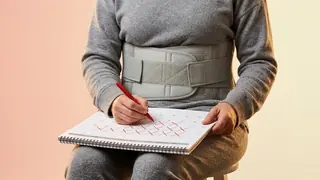
- Compression garment schedule: Wear your elastic chin and neck support strap continuously (23 to 24 hours a day, removing only for brief gentle washing) during days 1 to 7, transitioning to nighttime wear during weeks 2 to 4 as directed by your surgeon.
- Days 1 to 3 (Acute Rest): Swelling and tightness peak around hours 48 to 72; thin surgical tubes (Jackson-Pratt drains), if placed behind the ears to prevent fluid buildup under the skin (seroma), are typically emptied and removed within 24 to 72 hours.
- Days 5 to 10 (Stitch Removal): Non-dissolvable sutures come out at your surgeon's clinic; bruising shifts down toward the collarbones and turns yellowish-green.
- Weeks 2 to 4 (Routine Return): Remote or office work resumes around days 10 to 14; driving restarts only once you are completely off prescription opioid painkillers and can turn cleanly to check blind spots.
- Weeks 4 to 6 and Beyond: Heavy lifting above 10 pounds (4.5 kg), running, yoga inversions, and swimming resume around weeks 4 to 6, while subtle scar fading and nerve tingling finish maturing by month 6.
How Do Recovery Stages Compare, and How Should You Care for Yourself Daily?
To help you track whether your healing is right on schedule, compare what you see in the mirror against our practical clinical roadmap below, followed by everyday home-care habits that ease swelling naturally.
| Recovery Stage or Finding | Clinical Meaning & Recommended Action |
|---|---|
| Days 1 to 3: Peak Swelling & Mild Oozing | Normal acute inflammatory response after tissue lifting; tiny drops of pink fluid near drain sites or behind the ears are common. What you should do: Rest propped at 30 to 45 degrees, keep your chin neutral, wear your compression wrap as instructed, and avoid bending forward. |
| Days 4 to 10: Yellowing Bruises & Itchy Incisions | Bruising breaks down naturally and migrates downward toward your upper chest while surface skin edges seal together. What you should do: Attend your follow-up visit for drain or suture removal, clean incisions gently as directed, and never scratch healing skin. |
| Weeks 2 to 3: Collar-ReadyTightness & Numbness | Surface bruising clears, though internal collagen formation creates firm lumps and reduced skin sensation under the chin. What you should do: Return gradually to desk work and gentle flat walks, switch to nighttime garment wear if approved, and keep hot hairdryers away from numb skin. |
| Weeks 4 to 6: Early Contour & Exercise Readiness | Internal muscle sutures and skin flaps achieve strong tensile strength, allowing normal head rotation and rising heart rates. What you should do: Reintroduce gym cardio, light weights, and golf once cleared by your surgeon, and apply daily SPF 30+ mineral sunscreen over healed scars. |
| Months 3 to 6: Final Jawline Definition | Residual deep swelling resolves, firmness softens, and tiny sensory nerves finish reconnecting across the neck. What you should do: Attend your final surgical checkup and maintain steady hydration, sun protection, and healthy weight stability. |
| Any Stage: Rapid, Firm One-Sided Swelling | Possible active bleeding beneath the skin flap (postoperative hematoma), most common within the first 24 to 48 hours. What you should do: Page your surgical team immediately; if accompanied by neck pressure or breathing trouble, go straight to the nearest hospital ER or A&E. |
At home, small lifestyle tweaks make your first week remarkably smoother. Stock your kitchen ahead of time with nourishing, low-sodium soft foods that require minimal chewing—think scrambled eggs, warm oatmeal or porridge, Greek yogurt, mashed sweet potatoes, smoothies eaten with a spoon rather than a straw, and homemade low-salt chicken broth. Skipping salty takeout and canned soups cuts down fluid retention along your jawline. Wear button-down shirts or zip-up hoodies so you never tug tight collars over delicate ear incisions. See? That's exactly why we doctors emphasize smart home prep before surgery day arrives.
✔️ What You Should Do & ❌ What to Avoid
- ✔️ Do take short, gentle indoor walks every few hours: Strolling slowly around your hallway starting the evening of surgery keeps calf blood flowing and lowers the risk of a deep vein blood clot (deep vein thrombosis).
- ✔️ Do keep your neck straight and supported: Use pillows behind your shoulders and head rather than stacking steep pillows that bend your chin sharply down onto your chest, which crimps skin circulation.
- ✔️ Do manage nausea and constipation proactively: Straining on the toilet or retching spikes neck vein pressure; drink plenty of water and use a gentle stool softener if taking prescription pain tablets.
- ❌ Don't apply ice directly onto neck skin: Because post-op skin is numb and has fragile circulation, direct ice packs can cause frostbite or skin damage without you feeling pain; only use cool compresses if explicitly instructed by your surgeon.
- ❌ Don't smoke, vape, or sit around secondhand smoke: Avoid all nicotine products for at least 4 to 6 weeks before and after surgery so oxygen-rich blood reaches every millimeter of your incisions.
- ❌ Don't lift heavy groceries, pets, or weights early: Hold off on bending below waist level, vacuuming, or lifting anything heavier than a kettle of water for the first 2 to 3 weeks.
🚨 When to Seek Immediate Emergency Care (Red-Flag Symptoms)
If you or someone near you develops any of these red-flag symptoms, do not wait — call 911 (or 999 in the UK / 000 in Australia) immediately or go straight to the nearest hospital Emergency Room (ER / A&E):
- Sudden, tense, or rapidly expanding swelling on one or both sides of the neck: Especially when accompanied by throbbing pain or dark purplish-black skin tightness, which signals an acute hematoma.
- Difficulty breathing, noisy breathing, or trouble swallowing saliva: Expanding pressure in the confined spaces of the neck can compress your airway and requires immediate emergency assessment.
- Bright red bleeding that soaks through dressings: Continuous fresh blood that does not stop despite calm rest and gentle surface pressure.
- Signs of spreading severe infection: A fever above 101°F (38.3°C), chills, foul-smelling yellow-green pus draining from incisions, or rapidly spreading hot redness (for mild non-emergency concerns in the UK, you can also call NHS 111 or your surgical clinic).
- Chest pain, sudden shortness of breath, or a swollen, painful calf: Urgent warning signs of a blood clot traveling from the leg to the lungs.
💡 Key Take-Home Message
- Plan on 10 to 14 days of quiet social downtime and 3 to 6 months of gradual internal softening before judging your final neck contour.
- Recall what we said a moment ago about blood pressure, head elevation, and zero nicotine—those three habits protect your incisions better than any expensive cream.
- Coordinate closely between your PCP or family GP for medical optimization and your plastic surgeon for every postoperative checkup.



No comments yet. Be the first to share your question or experience below.