

As a mother-to-be, you're probably feeling a lot of changes in your body these days. When you're expecting a baby, your body changes a lot, both internally and externally. You might be a little scared to see the changes in your skin. Do you also think things like, "Oh, I've got spots on my face," "My stomach is getting stretch marks," and "I'm really itchy?" But don't worry. Most of these skin changes during pregnancy are normal. Today, we'll talk about everything in a very simple way.
Why does the skin change so much during pregnancy?
Simply put, the main reason for all this is the hormonal changes that occur in your body. During this time, your body's hormone levels go up and down a lot. This directly affects the skin. We can divide these skin conditions into three main categories.
1. Things caused by hormones: These are the most common. Things like skin color changes and increased acne due to the effects of hormones.
2. Worsening of pre-existing conditions: If you had conditions like acne or eczema before pregnancy , they may worsen during this time.
3. Diseases specific to pregnancy: These are some skin diseases that only occur during pregnancy and require some attention.
The important thing is that most of these skin problems will gradually go away after the baby is born, so don't worry too much.
What are the most common skin changes during pregnancy?
Okay, now let's see what skin changes you've been experiencing these days. I'll explain these in a table so it's easier for you to understand.
| Skin condition | Simply put, this is what happens... |
|---|---|
| Darkening of the skin (Hyperpigmentation) | Melanin, the pigment that gives our skin its color, is produced in excess due to hormonal influences. This can cause areas like the armpits, groin, and neck to become darker than normal. This is also the reason why a dark line (Linea nigra) appears down the middle of the abdomen. |
| Melasma | This is also a case of darkening of the skin. Brown spots appear on the face, such as the cheeks, forehead, and above the nose. Many people get this, which is why it is also called the "mask of pregnancy." This can increase when exposed to the sun. |
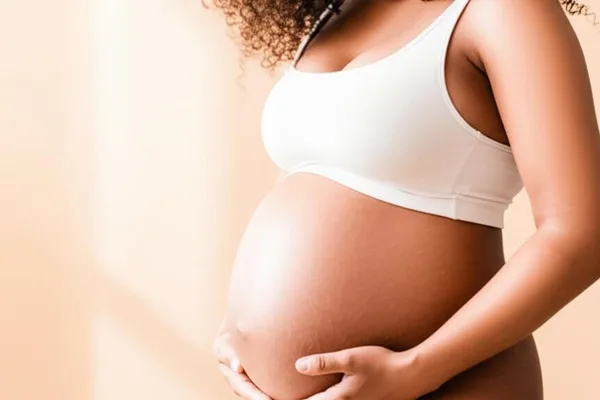
| Stretch Marks / Striae | These are stretch marks that form when the skin stretches rapidly on areas like the stomach, breasts, and buttocks. They are initially red/purple in color, but over time, they turn white/silver. This is a common occurrence for many people. |
| PUPPP (Pruritic Urticarial Papules and Plaques of Pregnancy) | This is the most severe itchy rash of pregnancy. It starts on the abdomen, especially around the stretch marks, and spreads to the arms and legs, causing red, small blisters. It can be very itchy. |
| Skin tags | Small, hanging mole-like lumps of skin appear on places like the neck, armpits, and under the breasts. These are not cancerous conditions, so there is nothing to worry about. They are not painful unless they get caught in clothing. |
| Varicose Veins | Blue/purple veins appear on the legs. This is caused by hormonal changes and the pressure on the veins due to the weight of the baby. |
| Intrahepatic Cholestasis | This is a condition that requires a lot of attention. It is caused by a change in liver function. It causes severe itching without any damage to the skin , especially on the palms and soles . This can affect the baby, so if you have these symptoms , you should see your doctor immediately. |
Shall we also look at previous skin diseases?
If you had conditions like acne , atopic dermatitis , or psoriasis before you got pregnant, these may change during pregnancy. For some people, these symptoms will be much less severe. For others, these symptoms may become more severe and bothersome. This is all due to hormonal changes.
How to treat these skin problems?
The most important thing is this. Do not use any medicine or cream during pregnancy without consulting your doctor. Do not use anything you ask at the pharmacy or just because a friend tells you to. Because some medicines can be harmful to the baby.
- For melasma (spots): Sun protection is the best thing to do. Limit your exposure to the sun between 10 a.m. and 2 p.m. If you do go out, use a good sunscreen with an SPF of 30 or higher. Sometimes your doctor will recommend a cream that is safe for babies.
- PUPPP (pruritus ani): For this, the doctor will prescribe an antihistamine or topical corticosteroid to reduce itching. Also, bathing in lukewarm water, wearing light clothing such as cotton, and avoiding soaping the itchy areas will provide relief.
- Stretch Marks: There is no proven treatment for these. They usually fade over time after childbirth. Sometimes, laser treatments or creams prescribed by a doctor can help reduce their appearance to some extent.
- Skin Tags: These do not require treatment unless they are bothersome. A doctor can easily remove them after the baby is born, if necessary.
- Intrahepatic Cholestasis: As I mentioned earlier, this is a condition that requires immediate medical attention. If you are experiencing unexplained itching on your hands and feet, be sure to see your doctor. He or she will perform the necessary tests and begin treatment that is safe for you and your baby.
Simple things you can do at home
In addition to the treatments your doctor provides, there are some simple things you can do at home to reduce skin itching and discomfort.
- Use a good moisturizer : Apply a good moisturizer that is fragrance-free and moisturizes the skin two to three times a day.
- Wear light clothing: Wear clothes that are loose-fitting and made from natural fibers like cotton. These absorb sweat, which reduces itching.
- Cold water application: Apply a clean cloth with an ice cube on itchy areas.
- Don't bathe in hot water: Bathing in hot water can dry out the skin and make it itch worse. So, use lukewarm water.
- Oatmeal Bath: Adding a little oatmeal, available at pharmacies, to a bucket of water and bathing in it can provide great relief from itchy skin. Try this once or twice a week.
Hopefully, this article has answered many of the questions you may have had. Remember, you are not on this journey alone. You are not the only one struggling with these changes. Don't be afraid to talk to your doctor about any concerns.
Take-Home Message
- Most skin changes during pregnancy are normal and temporary, caused by hormones.
- Avoid using any medicine or cream without medical advice. It may be harmful to the baby.
- If you experience severe itching without any skin damage, especially on the palms and soles of your feet , it could be a sign of Intrahepatic Cholestasis. See your doctor immediately.
- Simple things like using a good moisturizer, wearing light clothing, and bathing in lukewarm water can help reduce discomfort.
- Don't be afraid to talk openly with your doctor about any skin problems that are bothering you.




💬 Comments (0)
No comments yet. Be the first to share your thoughts here.
Add Your Comment