
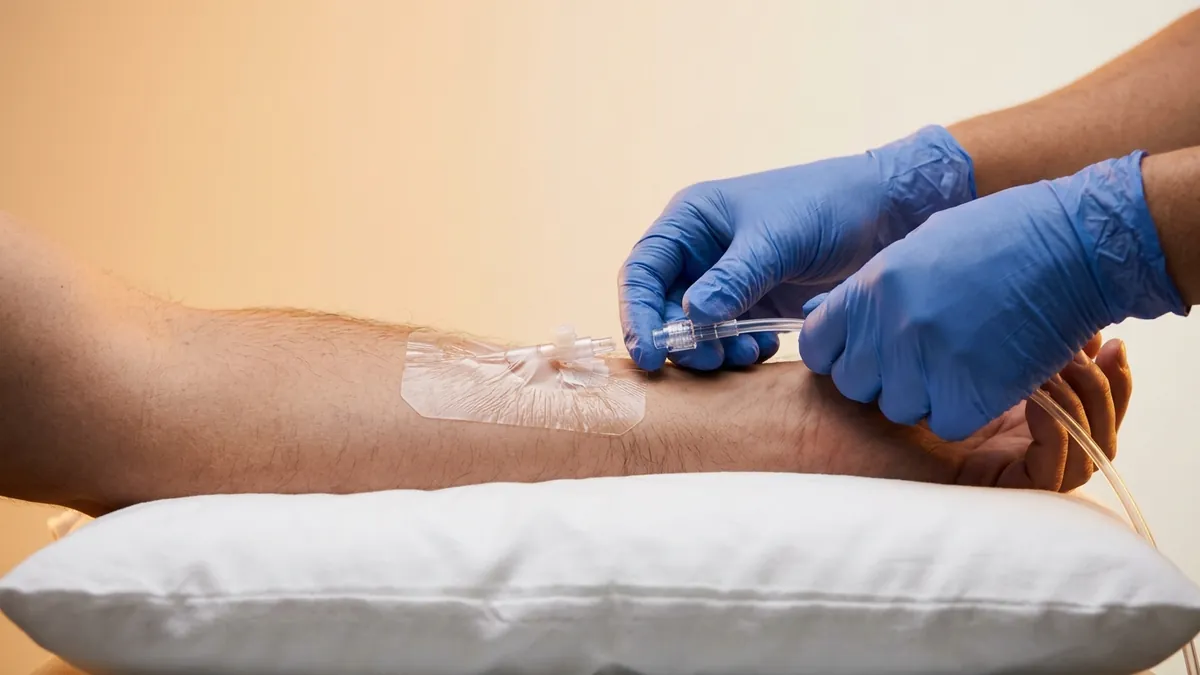
Searching for Subcutaneous Injection Technique: Clinical Meaning, Causes, Normal Ranges & Next Steps usually happens right after your local pharmacy hands you a prescription pen or syringe for home use. Feeling a wave of nervousness before giving yourself or a family member a first shot is completely normal. Be honest, almost everyone hesitates for a second when holding a needle at the kitchen counter, right?
Here is the reassuring truth we doctors share every single day at your Primary Care Physician (PCP) or family GP clinic: an under-the-skin shot (subcutaneous injection) is the gentlest, easiest injection method to learn. Modern micro-fine needles are barely thicker than an eyelash, so once you master a few simple habits, most doses feel like little more than a tiny tap.
Together, we will cover what happens beneath your skin, why certain medicines require this route, the normal clinical ranges for needle sizes and angles, and your exact step-by-step routine at home.
📌 Key Takeaways at a Glance
- Gentle fat-layer delivery: Subcutaneous shots deposit medicine into the soft fatty cushion just beneath your skin for steady, predictable absorption.
- Short, ultra-thin needles: Most adults safely use 4 mm to 8 mm needles (28G to 32G for pens) at a 90-degree or 45-degree angle.
- Four safe body zones: Use your abdomen (at least 2 inches from your belly button), outer thighs, upper arms, or upper buttocks.
- Rotate every single dose: Moving each shot at least 1 inch (2.5 cm) away prevents rubbery fat lumps that block medication absorption.
- Never recap used sharps: Drop needles straight into an approved puncture-proof sharps bin right after injecting.
What Is the Subcutaneous Injection Technique, and What Is Its Clinical Meaning?
The subcutaneous injection technique is a safe medical method for delivering medication into the soft fatty layer directly beneath your skin, just above the muscle. Using a short, fine needle at a 45- or 90-degree angle allows medicines like insulin, blood thinners, and biologics to absorb slowly and steadily.
Look at what happens under your skin when you give one of these shots. Your skin has a thin protective outer surface (the epidermis and dermis), a soft middle cushion of fatty tissue (the subcutis or hypodermis), and firm skeletal muscle underneath. Unlike muscle tissue, which is packed with large blood vessels that rush medication into circulation all at once, your fatty layer contains a delicate web of tiny blood vessels (capillaries).
Think of that fatty layer like a gentle, natural time-release sponge. When medicine sits in this space, your body absorbs it gradually over several hours—or even days—keeping drug levels smooth and steady. That is the core clinical difference between an under-the-skin shot, a deeper into-the-muscle shot (intramuscular injection) used for most routine vaccines, and a shallow top-layer skin test (intradermal injection) used for tuberculosis screening. Now that makes sense, right?
Why Do Doctors Prescribe Under-the-Skin Shots? (Clinical Causes & Common Medications)
Have you ever wondered why insulin, weekly weight-care pens, or arthritis biologics rarely come as standard everyday pills? If you swallowed these delicate protein- and peptide-based medicines with a glass of water, harsh stomach acid and digestive enzymes (proteases) would break them apart before they ever reached your bloodstream. Delivering them right beneath the skin bypasses digestion completely.
We doctors commonly prescribe the subcutaneous route for five major health needs:
- Diabetes and metabolic care: Daily rapid- or long-acting insulin, as well as weekly gut-hormone medications (GLP-1 receptor agonists like semaglutide or tirzepatide) for blood sugar and weight management.
- Blood clot prevention: Low-molecular-weight blood thinners (anticoagulants such as enoxaparin or dalteparin) prescribed after hip or knee replacement surgery, during long hospital recoveries, or in high-risk pregnancies.
- Autoimmune and inflammatory conditions: Targeted immune therapies (biologic drugs like adalimumab or etanercept) for rheumatoid arthritis, psoriasis, or inflammatory bowel disease.
- Fertility and hormone treatments: Precise daily hormone cycles (gonadotropins) during IVF care or growth hormone therapy.
- Preventive specialty medicines: Monthly migraine-prevention pens and certain cholesterol-lowering injections (PCSK9 inhibitors). Note one vital exception: emergency allergy rescue pens (epinephrine auto-injectors) must go firmly into your outer thigh muscle, not gently into fat!
What Are the Normal Ranges for Needle Size, Dose Volume, and Injection Angle?
Getting comfortable with home dosing starts with knowing your numbers. Whether you pick up prefilled pens or standard disposable syringes from your neighborhood pharmacy or chemist, we doctors rely on clear, evidence-based clinical ranges to keep your injections painless and effective—and prevent you from accidentally hitting deeper muscle.
- Needle length normal range (4 mm to 8 mm): For pen devices, 4 mm to 5 mm is now the gold-standard clinical choice for adults and children alike—even if you live in a larger body. Why? Ultrasound studies show human skin is only 1.8 mm to 2.5 mm thick almost everywhere! Pretty surprising, right? Standard vial-and-syringe setups typically use 6 mm to 8 mm needles.
- Needle thickness or gauge (25G to 32G): With needle gauges, a higher number means a thinner needle. Pen needles usually range from ultra-fine 29G to 32G, while syringes for thicker biologics or blood thinners normally use 25G to 27G.
- Dose volume range (up to 1.5 mL): A single subcutaneous spot comfortably holds 0.5 mL to 1.5 mL of liquid (occasionally up to 2.0 mL for specialized biologics). Larger amounts stretch tissue and sting, so doses above 1.5 mL are usually split across two separate spots.
- Insertion angle (90 degrees vs. 45 degrees): Insert short 4 mm to 5 mm needles straight in at a 90-degree angle. Use a 45-degree angle with a gentle skin pinch if you are very lean, injecting a young child, or using an 8 mm needle.
Where Are the Safest Body Sites, and Why Does Site Rotation Matter?
Remember how we talked about that soft fatty cushion earlier? Choosing the right body zone ensures your needle lands squarely in healthy fat away from major nerves, bones, and large blood vessels. We doctors recommend four main anatomical areas, each absorbing medicine at its own steady pace:
- Abdomen (tummy): Absorbs medication fastest and most consistently. Inject into the soft padding below your ribs and above your hip bones, staying a full 2 inches (5 cm) away from your belly button (umbilicus) and avoiding scars or tight waistbands.
- Front and outer thighs: Offers medium absorption speed and clear visibility when sitting down. Aim for the middle third of your thigh, halfway between hip and knee.
- Back of the upper arms: Use the fleshy pad halfway between shoulder and elbow—ideal for auto-injector pens or when a partner helps you.
- Upper outer buttocks and hip roll: Absorbs most slowly, making it a favorite evening spot for slow-acting background insulin.
Here is a golden rule we always emphasize in clinic: never inject into the exact same postage-stamp spot twice in a row. Repeatedly poking one spot scars the fat cells and triggers painless, spongy lumps under the skin (lipohypertrophy). Medicine trapped inside those rubbery lumps absorbs poorly and unpredictably. Simply move each new injection at least 1 inch (2.5 cm)—about two finger-widths—away from your last mark.
How Do You Perform the Technique for Subcutaneous Injection Step by Step?
Once your nurse, pharmacist, or doctor walks through your specific device, following the same calm sequence at home keeps every dose clean and sting-free. Think about it like buckling your seatbelt—the exact order keeps you safe without extra effort:
- Prep your supplies and check temperature: Wash your hands thoroughly with soap and warm water for 20 seconds. Check your medication label, dose, expiration date, and clarity. If your pen or syringe is stored in the fridge and your leaflet allows it, let it rest at room temperature for 15 to 30 minutes first—cold liquid stings far more than room-temperature liquid! Never warm medicine in a microwave or hot water.
- Swab and wait to dry: Wipe your chosen skin spot with a fresh 70% alcohol swab and let it air-dry completely for 10 to 15 seconds. Do not blow on it. Waiting stops surface alcohol from riding the needle tip under your skin and causing a sharp burn. We rarely stop to think about that tiny detail, do we?
- Pinch skin if needed and insert smoothly: If you use a 6 mm to 8 mm needle or have very little body fat, gently lift a 1-to-2-inch fold of skin between your thumb and index finger without squeezing muscle. Insert the needle in one smooth, quick, dart-like motion at your 90- or 45-degree angle.
- Inject slowly and count to 10: Press the syringe plunger or pen button down smoothly. For medication pens, keep the button pressed and count slowly to 10 full seconds before pulling the needle straight out so your full dose settles in.
- Release, press gently, and dispose safely: Let go of your pinched skin fold, press lightly with clean gauze or a cotton ball for a few seconds without rubbing, and drop the used needle straight into a puncture-proof sharps container.
How Can You Tell Normal Injection Reactions From Warning Signs?
Even with flawless technique, noticing a tiny mark afterward can make you wonder whether everything went smoothly. Use this quick reference chart to compare harmless everyday reactions against signs that warrant a call to your doctor.
| What You Notice at the Site | Clinical Meaning & Next Steps |
|---|---|
| A tiny clear droplet or speck of blood | Your needle nicked a microscopic surface capillary, or a tiny trace of fluid followed the needle track out. Small droplets are harmless and rarely change your overall dose. What you should do: Press gently with clean gauze for 10 seconds without rubbing, and count a full 10 seconds before removing pen needles next time. |
| Mild redness, brief stinging, or a mosquito-bite bump | Cold liquid, wet rubbing alcohol, or mild local sensitivity to drug preservatives briefly irritated the skin. What you should do: Apply a cool pack wrapped in a clean kitchen towel for 5 to 10 minutes. Let alcohol swabs dry completely before your next shot. |
| Small purple or blue bruise (ecchymosis) | Very common—especially with blood-thinning tummy shots—when a tiny capillary leaks a few drops of blood beneath the skin. What you should do: Never rub or massage the spot after injecting, and steer clear of bruised skin until the color fades completely. |
| Spongy, rubbery, painless lump (lipohypertrophy) | Repeated injections into the same small patch caused localized fatty scar tissue, which blocks steady medicine absorption. What you should do: Stop injecting into lumpy areas for several months and ask your Primary Care Physician (PCP) or family GP clinic to review your rotation map. |
| Expanding warmth, throbbing pain, pus, or fever | Bacteria may have entered under the skin, causing a localized skin infection (cellulitis) or small abscess. What you should do: Contact your family GP clinic or visit a local Urgent Care center the same day for an examination and treatment. |
See? Knowing the difference between a harmless capillary bruise and a true infection takes almost all the guesswork out of home care.
✔️ What You Should Do & ❌ What to Avoid
- ✔️ DO use a brand-new sterile needle every single time: Even one reuse bends the microscopic tip into a tiny hook that tears tissue and causes bruising.
- ✔️ DO keep a simple rotation habit: Alternate left and right sides or move clockwise like numbers on a clock face, spacing shots 1 inch apart.
- ✔️ DO use an approved sharps bin: Follow FDA, NHS council, Canadian pharmacy, or Australian community sharps rules—never toss loose needles into household trash or recycling.
- ❌ DON'T rub the skin after blood-thinner shots: Rubbing breaks delicate capillaries and causes large, tender dark bruises.
- ❌ DON'T inject through jeans, leggings, or shirts: Injecting through clothing blunts the needle, pushes fabric fibers under your skin, and risks infection.
- ❌ DON'T inject into moles, scars, stretch marks, or sunburned skin: Scarred or inflamed tissue cannot absorb your medication evenly.
🚨 When to Seek Immediate Emergency Care (Red-Flag Symptoms)
If you or someone near you develops any of these red-flag symptoms after an injection, do not wait — call 911 (US & Canada), 999 or 111 (UK), or 000 (Australia) immediately or go straight to the nearest hospital Emergency Room (ER / A&E):
- Signs of a severe allergic reaction (anaphylaxis): Sudden swelling of your lips, tongue, face, or throat, widespread hives, wheezing, or trouble breathing.
- Severe accidental overdose symptoms: Confusion, shakiness, cold sweats, slurred speech, or fainting from excess insulin (severe hypoglycemia).
- Uncontrolled bleeding on blood thinners: An injection site that keeps actively bleeding after 15 minutes of firm pressure, coughing up blood, black tarry stools, or sudden severe headache.
- Rapidly spreading skin infection: Fast-expanding red streaks, hot swollen skin, chills, dizziness, or a high fever.
- Chest tightness or fainting: Sudden dizziness, racing heartbeat, or collapse shortly after taking a dose.
💡 Key Take-Home Message
- Use a fresh, short needle (usually 4 mm to 8 mm), let your alcohol swab air-dry completely, and hold pen needles in place for a slow 10-second count.
- Rotate across clean, healthy skin on your abdomen, outer thighs, upper arms, or upper buttocks—staying 2 inches from your belly button and 1 inch from your last shot.
- Reach out to your pharmacist or family GP clinic anytime you notice stubborn lumps, unexpected bruising, or dosing confusion.

No comments yet. Be the first to share your question or experience below.