
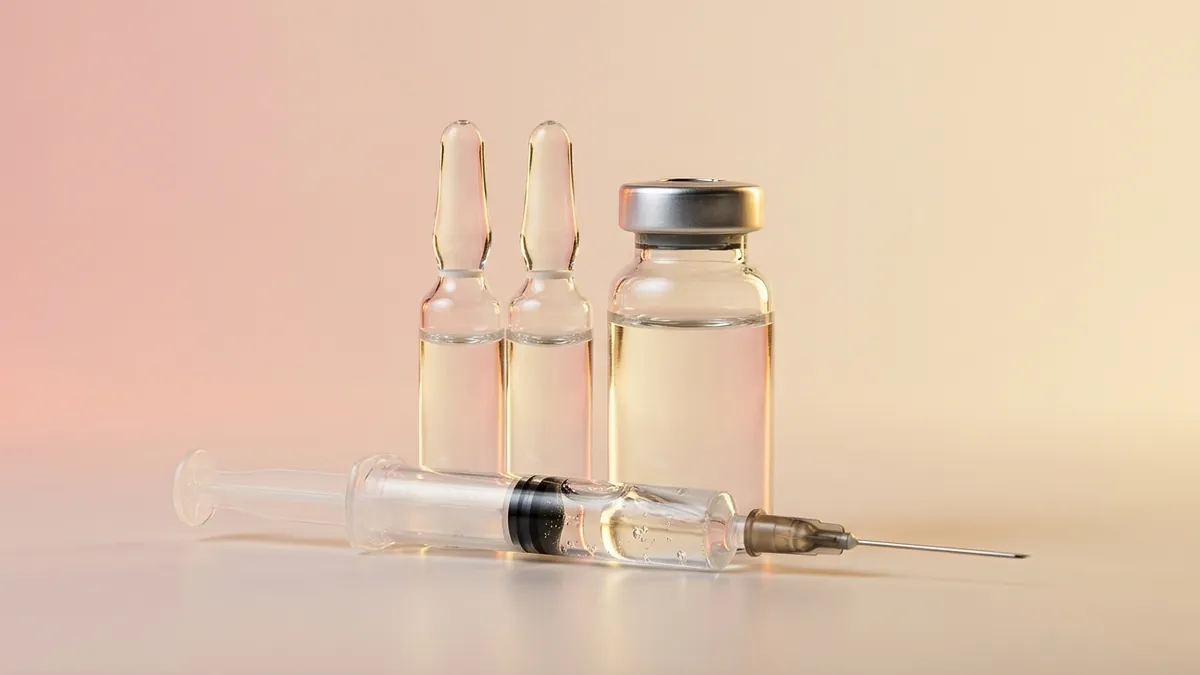
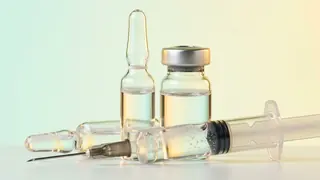
When your prescription comes back as a pen or small syringe instead of a daily tablet, exploring Subcutaneous Injection Medications: Clinical Meaning, Causes, Normal Ranges & Next Steps helps turn initial nerves into calm, everyday confidence. Across the United States, the United Kingdom, Canada, and Australia, millions of people safely give themselves under-the-skin shots at home every single week. Have you ever wondered why certain modern medicines cannot simply be swallowed with a glass of water at breakfast? We doctors explain this every day: your stomach acid and digestive enzymes would break down delicate protein-based drugs before they ever reached your bloodstream.
Instead of using a long needle that goes deep into muscle or straight into a vein, under-the-skin delivery—known medically as a subcutaneous injection (often shortened to SubQ or SC)—places a tiny drop of liquid into the soft cushion of fat right beneath your skin. Pretty reassuring when you picture how shallow that actually is, right? Because modern pen needles are often no thicker than an eyelash and barely four millimeters long, most people tell us they hardly feel the pinch at all.
Whether you are starting weekly metabolic pens, blood thinners after surgery, fertility hormones, or targeted biologic therapies, we doctors want you to feel completely supported. Let us walk through how these medicines work inside your body, why your clinician chose this route, the exact needle and dose volume ranges to expect, and your safest step-by-step home routine.
📌 Key Takeaways at a Glance
- Gentle, Slow Absorption: Subcutaneous shots deliver medicine into the fatty layer just under your skin, allowing smooth, steady release over hours or days.
- Ultra-Short Needles: Standard home SubQ needles measure just 4 mm to 8 mm long (25G to 31G thickness), making injections far more comfortable than deep muscle shots.
- Small Fluid Volumes: A normal single subcutaneous dose usually ranges between 0.5 mL and 1.5 mL (rarely exceeding 2.0 mL) to prevent skin stretching or stinging.
- Three Easy Body Zones: Your abdomen (at least 2 inches or 5 cm away from your belly button), outer thighs, and the back of your upper arms are the safest sites.
- Site Rotation Matters: Moving at least 1 inch (2.5 cm) away from your last spot prevents rubbery fatty lumps under the skin and keeps drug absorption predictable.
What Are Subcutaneous Injection Medications, and How Do They Work?
Subcutaneous injection medications (often shortened to SubQ or SC shots) are liquid drugs delivered with a short, ultra-fine needle into the fatty layer just beneath your skin, allowing steady, gentle medication absorption into tiny blood vessels over several hours or days rather than flooding your bloodstream all at once.
Think about your skin like a three-layer sandwich for a second. On top sits your outer protective barrier (epidermis), right underneath lies the tougher middle layer containing nerve endings and sweat glands (dermis), and just below that rests a soft, insulating cushion of fat and connective tissue called the under-the-skin layer (subcutaneous tissue or hypodermis). We rarely stop to think about how useful that fatty cushion is, do we?
Unlike muscle tissue, which is packed with large blood vessels that whisk vaccines or emergency medicines into circulation within minutes, your subcutaneous fat has far fewer tiny blood vessels (capillaries) and relies partly on gentle fluid drainage channels (lymphatic vessels). Look at what happens here: when you inject insulin, a biologic antibody, or a weekly hormone pen into that fat cushion, the tissue acts like a natural slow-release reservoir. That is how SubQ differs from a deep muscle shot (intramuscular or IM injection) or a vein drip (intravenous or IV infusion). You get smooth, stable blood drug levels at home without needing a nurse at your family GP clinic or Primary Care Physician (PCP) office.
Why Are Subcutaneous Injections Prescribed? Common Causes and Drug Classes
Have you ever asked yourself what medical conditions—or clinical "causes"—lead we doctors to prescribe an under-the-skin injection instead of a standard pill? Almost every medication given this way is made of fragile chains of amino acids, peptides, or lab-crafted antibodies that your gut would digest just like a piece of grilled chicken or Greek yogurt. Bypassing your stomach keeps the exact dose intact.
Everyday Medications Commonly Given Under the Skin
- Diabetes and Metabolic Hormones: Fast-acting and long-acting insulins, along with gut-hormone medications (GLP-1 and GIP/GLP-1 receptor agonists such as semaglutide, tirzepatide, and dulaglutide) used for type 2 diabetes, weight management, and cardiovascular protection.
- Blood Thinners (Anticoagulants): Low-molecular-weight heparins (such as enoxaparin or dalteparin) prescribed after hip or knee replacement surgery, during hospital recovery, or during pregnancy to prevent dangerous leg or lung blood clots (deep vein thrombosis and pulmonary embolism).
- Autoimmune and Inflammatory Biologics: Targeted immune modulators (such as adalimumab, etanercept, dupilumab, or secukinumab) for rheumatoid arthritis, psoriasis, eczema, asthma, Crohn's disease, and ulcerative colitis.
- Fertility, Bone, and Specialty Therapies: Ovulation-stimulating hormones for IVF cycles, bone-building osteoporosis pens, migraine-preventing CGRP antibodies, and subcutaneous immunoglobulin infusions.
One crucial distinction we doctors always emphasize: emergency allergy pens (epinephrine auto-injectors) go straight into your outer thigh muscle (intramuscularly) because anaphylaxis needs instant absorption—never confuse slow SubQ pens with emergency muscle injectors! Makes sense, right?
What Are the Normal Ranges for Needle Size, Dose Volume, and Injection Angle?
When patients search for "normal ranges" around subcutaneous medications, they aren't looking for a blood test result—they want to know whether their syringe volume, needle size, storage temperature, and injection angle look right. Be honest, staring at tiny markings on a syringe or pen dial for the first time can make anyone second-guess themselves, can't it? Here are the exact clinical reference standards we doctors and pharmacists use.
- Normal Dose Volume Range (0.2 mL to 1.5 mL): Most prefilled pens and standard SubQ syringes hold between 0.25 mL and 1.0 mL of liquid, with 1.5 mL being the comfortable routine upper limit (and 2.0 mL the typical maximum single-site ceiling, unless a drug uses specialized dispersion enzymes under supervision). Larger volumes belong in muscle or veins because excess fluid stretches skin nerves and stings.
- Needle Thickness or Gauge (25G to 32G): Remember this quirky medical rule: the higher the gauge number, the thinner the needle! Pen needles usually measure 29G to 32G, while prefilled syringes typically use 25G to 27G.
- Needle Length & Angle Rules (4 mm to 8 mm): Ultra-short 4 mm to 6 mm (5/32 to 1/4 inch) pen needles go straight in at a 90-degree angle—usually without needing a skin pinch in most adults. Slightly longer 8 mm to 12.7 mm (5/16 to 1/2 inch) syringe needles require gently pinching a fold of skin or entering at a 45-degree angle in leaner adults and children so you don't accidentally hit muscle beneath.
- Safe Storage Range (36°F–46°F / 2°C–8°C): Keep unopened pens in the main body of your refrigerator—never against the back cooling plate where freezing ruins protein drugs! Taking your dose out 15 to 30 minutes beforehand to reach room temperature dramatically reduces stinging.
Where Are the Safest Body Sites, and How Do You Inject Step by Step?
Remember how we talked about aiming squarely for that soft fat cushion earlier? Choosing the right body area—and rotating systematically—makes every injection smoother and ensures your body absorbs the exact same strength each time. When you inject into the exact same dimple week after week, your body can build spongy, rubbery scar-fat pads called fatty skin lumps (lipohypertrophy). Medicine injected into those lumps absorbs poorly and unpredictably!
Your Three Approved Subcutaneous Injection Zones
- The Abdomen (Fastest, Most Consistent Absorption): Anywhere across your lower belly with soft pinchable tissue, staying at least 2 inches (5 cm)—about two adult finger-widths—away from your belly button, waistbands, scars, or moles.
- Front and Outer Thighs (Moderate Absorption): The middle third of your front-to-outer thigh, halfway between your hip and knee—easy to see and reach while sitting comfortably.
- Back of the Upper Arms (Great With a Helper): The fleshy outer-back pad halfway between your shoulder and elbow, best used when a partner or caregiver helps so your arm stays relaxed.
Clean 5-Step Home Injection Routine
- Wash & Inspect: Wash your hands with soap and warm water. Check the medication label, expiry date, and liquid window—most SubQ medicines should look crystal clear and colorless (unless specifically labeled as a cloudy insulin suspension).
- Prep the Skin: Wipe your chosen spot—at least 1 inch (2.5 cm) away from your last shot—with an alcohol swab and let it air-dry completely for 10 to 15 seconds. Injecting through wet alcohol stings!
- Pinch (If Needed) & Insert Smoothly: Pinch a soft fold of fat between thumb and index finger (if using a 6 mm+ syringe or if you are very lean; skip pinching ONLY if your specific pen leaflet instructs flat-skin entry) and insert swiftly at 90 degrees (or 45 degrees for longer needles). Never press on a scar, bruise, or stretch mark.
- Deliver & Count Slowly: Depress the plunger or pen button steadily, then hold the needle in place and count slowly to 6 or 10 seconds (check your device leaflet) before pulling straight out so the full dose settles inside.
- Dispose Immediately: Drop the needle or single-use pen straight into a puncture-proof sharps container—never recap loose syringe needles!
How Do Subcutaneous Findings and Practical Care Options Compare?
See? Once you break the process down, it feels much less intimidating, doesn't it? Still, little day-to-day surprises happen at home—like seeing a tiny drop of liquid on your skin or noticing a dime-sized bruise after a blood-thinner shot. Use this mobile-friendly comparison guide to tell normal harmless moments apart from signs that warrant a quick call to your Primary Care Physician (PCP), family GP clinic, or specialist nurse.
| Common Finding or Situation | Clinical Meaning & Practical Next Step |
|---|---|
| Tiny clear drop of fluid or pinpoint blood bead at the needle site | Completely harmless! You nicked a microscopic surface capillary or a tiny droplet clung to the needle tip—your effective medication dose is still safely inside. What you should do: Press gently with a clean cotton ball or gauze pad for 10–15 seconds without rubbing, and never re-inject an extra dose to "make up" for a droplet. |
| Small purple bruise after enoxaparin or heparin | Expected minor oozing under the skin because blood thinners slow clotting in tiny surface vessels. What you should do: Never rub or massage blood-thinner sites after injecting, avoid injecting near beltlines, and alternate left and right sides of your abdomen with each dose. |
| Mild quarter-sized pinkness or slight itch for 24–48 hours | Common mild local injection-site reaction, frequently seen during the first few weeks of biologic or peptide pens. What you should do: Let cold refrigerated pens warm at room temperature for 20–30 minutes before injecting, apply a cool damp cloth afterward, and ask your pharmacist if an over-the-counter antihistamine or soothing cream is appropriate. |
| Firm, rubbery, painless lump under the skin (lipohypertrophy) | Fatty tissue buildup caused by repeatedly injecting into the exact same favorite spot, which blocks steady drug absorption. What you should do: Stop injecting into that lump for several weeks or months until it softens, rotate spots in a clock-face pattern, and ask your GP or diabetes educator to check your dose since healthy skin absorbs medicine much stronger! |
| Spreading hot redness, throbbing pain, pus, or fever | Possible bacterial skin infection (cellulitis) or localized pocket of pus (abscess) where germs entered through the skin barrier. What you should do: Outline the red border lightly with a pen to track spread and visit your family GP clinic or local Urgent Care center the same day for medical evaluation. |
In real-world daily life, pairing good injection habits with simple lifestyle tweaks makes a huge difference. For example, if you use weekly GLP-1 metabolic shots, sipping plenty of water or herbal tea and eating smaller, protein-rich meals—like eggs on whole-wheat toast, cottage cheese, porridge/oatmeal with nuts, or baked salmon—helps prevent nausea while protecting lean muscle. Traveling across states, provinces, or abroad? Pack pens in an insulated cool pouch inside your carry-on bag (never checked luggage, which freezes in cargo holds!) alongside your pharmacy prescription label.
✔️ What You Should Do & ❌ What to Avoid
- ✔️ DO use a brand-new sterile needle every single time: Reusing pen needles bends their microscopic tip into a tiny hook that tears tissue, hurts more, and clogs dosing channels.
- ✔️ DO let alcohol swabs air-dry completely: Waiting 10 to 15 seconds keeps antiseptic from tracking under your skin and causing an avoidable sting.
- ✔️ DO use an approved sharps bin: Pick up an FDA-, NHS-, Health Canada-, or Australian pharmacy-approved sharps container and follow local council or pharmacy drop-off programs.
- ❌ DON'T rub or vigorously massage the spot afterward: Rubbing speeds up absorption unpredictably with insulin and triggers large bruises with blood thinners.
- ❌ DON'T inject through jeans, leggings, or shirts: Injecting through clothing blunts the fine needle, introduces fabric lint or bacteria, and hides bruises or scars.
- ❌ DON'T use cloudy, discolored, or previously frozen pens: Unless your specific insulin is supposed to look milky and mixed gently, discard cloudy pens and call your pharmacist for a replacement.
🚨 When to Seek Immediate Emergency Care (Red-Flag Symptoms)
If you or someone near you develops any of these red-flag symptoms, do not wait — call 911 (US & Canada), 999 or 111 (UK), or 000 (Australia) immediately or go straight to the nearest hospital Emergency Room (ER / A&E):
- Signs of a severe allergic reaction (anaphylaxis): Sudden swelling of your lips, tongue, face, or throat, wheezing, chest tightness, widespread hives, or trouble breathing within minutes to hours of an injection.
- Severe low blood sugar (hypoglycemia) after insulin: Confusion, slurred speech, shakiness that does not improve with fast-acting sugar, seizure, or loss of consciousness.
- Uncontrolled bleeding on blood thinners: Rapidly expanding, hard, painful abdominal swelling (abdominal wall hematoma), coughing or vomiting blood, black tarry stools, or a sudden severe headache.
- Severe persistent abdominal pain: Intense upper belly pain radiating straight through to your back with repeated vomiting (a rare warning sign of acute pancreatitis with certain metabolic injections).
- Rapidly spreading skin infection with systemic illness: High fever, chills, dizziness, or red streaks spreading quickly from an injection site.
💡 Key Take-Home Message
- Subcutaneous injections place fragile protein and hormone medications safely into the shallow fat layer beneath your skin for smooth, reliable absorption.
- Using fresh 4 mm to 8 mm needles, keeping volumes under 1.5 mL, warming refrigerated pens for 20 minutes, and rotating across your belly or thighs keeps shots virtually painless.
- Never guess if a pen misfires or a lump appears—your local pharmacist, practice nurse, or Primary Care Physician (PCP) / family GP is always happy to walk through your technique with you.

No comments yet. Be the first to share your question or experience below.