
Understanding NAD subcutaneous injection: clinical meaning, causes, normal ranges, and next steps starts with separating real human biology from glossy wellness marketing. Across the United States, United Kingdom, Canada, and Australia, more adults than ever are walking into their Primary Care Physician (PCP) or family GP clinic holding a tiny chilled vial and asking whether an under-the-skin injection (subcutaneous injection) can clear brain fog, boost stamina, or slow down cellular aging. Be honest, you have probably seen those sleek longevity clinic ads pop up on your feed too, haven't you?
At the center of all that buzz is a genuine cellular energy helper molecule (nicotinamide adenine dinucleotide, or NAD+) that keeps every single cell in your body running. Without enough of it, your cells simply cannot turn breakfast into usable fuel or repair everyday wear and tear on your DNA. Think about it for a second: if a natural molecule matters that much for survival, injecting extra straight under your skin sounds like an easy shortcut to feeling twenty-five again. Makes sense on the surface, right?
Here is where we doctors step in to give you the full, unfiltered picture. While the biochemistry of NAD+ inside your body is rock-solid science, bottled NAD+ injections sold by telehealth startups and med-spas are unapproved compounded drugs with surprisingly thin human clinical trial backing. Let us walk through how this molecule actually works, why your natural levels drop, what real blood reference ranges look like, how clinics dose these shots, and what safer next steps you should consider first.
📌 Key Takeaways at a Glance
- Essential molecule, unproven shot: NAD+ is vital for cellular energy and DNA repair, yet subcutaneous NAD+ injections are compounded, off-label products that are not approved by the FDA (US), MHRA (UK), Health Canada, or TGA (Australia).
- Whole-blood normal range: In specialized research labs, healthy adult whole-blood NAD+ typically sits between 20 and 50 µM, though routine clinic blood panels do not test or require it.
- Typical wellness dosing: Off-label protocols usually start at 20–25 mg injected into belly or thigh fat, gradually increasing to 50–100 mg one to three times weekly depending on tolerance.
- Oral precursors have stronger data: Daily capsules of vitamin B3–related precursors like nicotinamide riboside (NR) or nicotinamide mononucleotide (NMN) currently have far better randomized human trial evidence than under-the-skin shots.
- Vial quality matters: Regulators have flagged severe chills, vomiting, and shaking linked to contaminated or improperly compounded injectable NAD+ vials, making pharmacy verification non-negotiable.
What Is an NAD Subcutaneous Injection, and What Is Its Clinical Meaning?
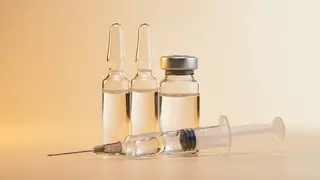
An NAD subcutaneous injection is a compounded under-the-skin shot that delivers nicotinamide adenine dinucleotide (NAD+), an essential vitamin B3–derived coenzyme, into fatty tissue for gradual systemic absorption. Clinically, it remains an unapproved wellness therapy with limited human trial data compared to oral precursors.
When you give a shot into the soft fatty layer just beneath your skin—usually on your abdomen or upper thigh using a tiny insulin-style needle—the fluid forms a small depot that trickles slowly into tiny blood vessels. Wellness clinics pitch this route as a convenient middle ground between swallowing daily capsules and sitting in a chair for a four-hour intravenous drip (intravenous infusion). Sounds much simpler than spending half your Saturday hooked up to a drip pole, doesn't it?
Still, have you ever wondered why your regular family doctor rarely writes a prescription for injectable NAD+? Unlike licensed subcutaneous medicines such as insulin or GLP-1 weight-management pens, injectable NAD+ has never passed large Phase III clinical trials proving it safely treats fatigue, memory trouble, or aging. In fact, major drug regulators—including the U.S. Food and Drug Administration (FDA)—explicitly note that NAD+ is not on the approved bulk substances list for large outsourcing facilities. Clinically, receiving this shot means you are choosing an experimental wellness product, not an established medical cure.
How Does NAD+ Work in Your Body, and What Causes Low NAD+ Levels?
Inside human cells, NAD+ acts as a rechargeable electron shuttle inside cellular powerhouses (mitochondria) to generate adenosine triphosphate (ATP) energy while fueling DNA-repairing PARP enzymes and longevity-linked sirtuin proteins. Levels decline steadily with chronological aging, chronic metabolic inflammation, poor sleep, and heavy alcohol use.
Look closely at what happens inside your cells every second. Whenever you eat grilled salmon, eggs, or a bowl of morning oatmeal, your body breaks those nutrients down and hands high-energy electrons over to NAD+, temporarily turning it into NADH to power your heartbeat, muscles, and brain. At the same time, specialized repair crews—including stress-response proteins (sirtuins) and DNA-mending enzymes (poly ADP-ribose polymerases, or PARPs)—literally consume and destroy NAD+ molecules to fix damaged genes.
Why do levels dip over time? We doctors group the causes into two very different buckets:
- True medical deficiency: Severe vitamin B3 deficiency (pellagra) causes rough sun-sensitive skin rashes, chronic diarrhea, and confusion, typically from severe malnutrition, alcohol use disorder, or gut malabsorption.
- Age- and lifestyle-related cellular drain: Starting around midlife, rising tissue inflammation activates an NAD-chewing enzyme called CD38, draining cellular reserves faster than your salvage pathway can recycle them. Chronic sleep loss, sedentary habits, insulin resistance, excess visceral belly fat, and frequent evening drinks speed up that drain even further.
We rarely stop to think about how hard a week of late nights and extra wine hits our cellular battery pack, do we?
What Are Normal Blood NAD+ Ranges, and Should You Test Before Starting?
In validated research assays, normal adult whole-blood NAD+ concentrations generally range between 20 and 50 µM (averaging roughly 24 to 38 µM), whereas extracellular blood plasma holds less than 0.1 µM. Routine medical laboratories do not standardize or recommend commercial NAD+ blood testing for clinical care.
Remember how we talked a moment ago about NAD+ doing its real work *inside* your cells? Because more than 99% of circulating NAD+ stays tucked inside red and white blood cells rather than floating freely in liquid plasma, fingerstick mail-in kits sold online vary wildly depending on shipping temperatures and lab handling. Worse yet, a blood reading does not reliably tell us how much NAD+ is sitting inside your brain, heart, or skeletal muscle.
So what do you think we doctors recommend when you come in feeling wiped out, sluggish, or mentally foggy? Instead of paying out of pocket for an unvalidated NAD+ test, visit your PCP or family GP clinic for proven diagnostic blood work first. We check a complete blood count (CBC), iron stores (ferritin), thyroid function (thyroid-stimulating hormone, or TSH), vitamin B12, vitamin D, fasting blood sugar (HbA1c), and a liver and kidney blood panel (comprehensive metabolic panel). Catching borderline anemia, low B12, sleep apnea, or an underactive thyroid solves real exhaustion safely—and is covered by standard healthcare or insurance!
What Are Typical NAD+ Subcutaneous Dosing Schedules, Preparation Rules, and Contraindications?
Because subcutaneous NAD+ lacks official regulatory dosing guidelines, off-label wellness clinics commonly prescribe 25 mg to 100 mg injected subcutaneously one to three times weekly, starting at 20–25 mg to check tolerance. Strict cold-chain refrigeration, sterile technique, and screening for contraindications are essential for patient safety.
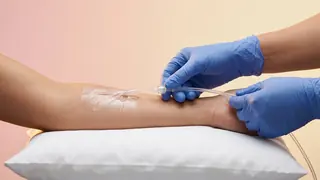
Here is a quirk of biochemistry that surprises many patients: NAD+ is a relatively bulky, electrically charged molecule. In controlled human infusion studies—such as a 750 mg intravenous drip given over six hours at roughly 2 mg per minute—plasma levels did not noticeably rise for the first two hours because tissues rapidly cleared or broke the molecule down into smaller building blocks like nicotinamide. Pushing too much into your bloodstream too fast triggers unpleasant flushing and blood-vessel widening (vasodilation) along with stomach cramping and chest pressure.
If you and a licensed prescriber still decide to use a compounded vial, safe handling rules include:
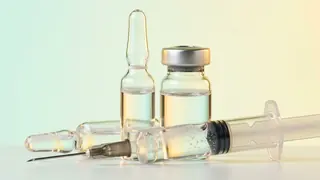
- Cold-chain storage: Keep reconstituted aqueous NAD+ refrigerated at 2°C to 8°C (36°F to 46°F) away from light and out of children's reach—never leave vials in a warm car or steamy bathroom cabinet.
- Visual inspection: Always verify the beyond-use date (BUD) and hold the vial up to the light; never inject cloudy, discolored, or particle-containing liquid.
- Gentle site rotation: Use a fresh sterile 29- to 31-gauge insulin syringe each time, swab with alcohol, let dry completely, and rotate injection spots across your lower abdomen (at least two inches away from your navel) or outer thigh.
- Strict contraindications: Avoid injectable NAD+ altogether if you are pregnant, breastfeeding, undergoing evaluation or treatment for active cancer, living with severe liver or kidney impairment, or allergic to niacinamide-based compounds.
How Does Subcutaneous NAD+ Compare to IV Drips, Oral Precursors, and Lifestyle Care?
Subcutaneous NAD+ offers faster self-administration and milder systemic rushes than multi-hour intravenous drips, yet carries compounding sterility risks and less human efficacy data than oral precursors like nicotinamide riboside or mononucleotide. Matching each option or post-shot reaction to clear clinical action keeps you protected.
See? Looking at all your options side by side makes it much easier to weigh convenience, evidence, and safety before spending hundreds of dollars a month. Use this quick reference guide to compare approaches and know how to respond to common clinical scenarios:
| Option, Finding, or Clinical Factor | Clinical Meaning & Practical Action Step |
|---|---|
| Subcutaneous NAD+ Injection (25–100 mg, 1–3x/week) | Delivers compounded NAD+ into fatty tissue for slower release than a vein drip, though human clinical trial proof and regulatory approval remain lacking. Common minor effects include brief stinging or a quarter-sized pink welt. What you should do: Source only via prescription from a state- or nationally regulated sterile compounding pharmacy, start at a low test dose (20–25 mg), and rotate abdominal sites. |
| Intravenous (IV) NAD+ Drip (250–750 mg over 2–6 hours) | Floods the bloodstream directly and raises circulating NAD+ metabolites, but frequently causes chest tightness, abdominal cramps, flushing, and nausea if dripped faster than ~2 mg/min. What you should do: Only consider in a medically supervised clinic with trained nursing staff who can immediately slow or stop the drip if discomfort begins. |
| Oral NAD+ Precursors (NR 300 mg or NMN 250–500 mg daily) | Provides smaller building-block molecules that gut and liver cells naturally convert into intracellular NAD+, backed by multiple randomized human trials confirming raised whole-blood NAD+ and good safety. What you should do: Discuss third-party-tested oral supplements (NSF, USP, or Informed-Sport certified) with your doctor as a needle-free, evidence-backed alternative. |
| Mild Post-Shot Flushing, Nausea, or Site Stinging | Reflects rapid extracellular breakdown and signaling effects on blood vessels and smooth muscle, or irritation from the acidic pH of unbuffered NAD+ solutions. What you should do: Hydrate well with water beforehand, let the drawn syringe rest 5–10 minutes to reach room temperature, inject slowly over 15–20 seconds, and discuss lowering your dose. |
| Sudden Chills, Shaking, Vomiting, or Expanding Redness | Signals possible bacterial toxin contamination (endotoxin contamination) inside a faulty compounded vial or a developing skin infection (cellulitis) under the skin. What you should do: Stop using the vial immediately, save it for inspection, and seek prompt medical evaluation at Urgent Care or an Emergency Room (ER / A&E). |
What Side Effects Should You Watch For, and How Can You Support NAD+ Naturally?
Common side effects of subcutaneous NAD+ include localized burning, bruising, itchy red welts, transient facial warmth, lightheadedness, mild headache, and queasiness. Meanwhile, regular aerobic and resistance exercise alongside vitamin B3–rich foods naturally stimulate your cells' internal NAD-recycling enzyme (NAMPT) without injection risks.
Do you recall what we mentioned earlier about compounded vials? In recent safety alerts, the FDA warned clinicians and patients after receiving adverse event reports of severe chills, uncontrollable shaking, vomiting, and profound fatigue following injectable NAD+—some severe enough to require hospital care—often tied to non-sterile dietary-grade bulk powders containing bacterial endotoxins. Pretty sobering when a shot is marketed as a "clean wellness boost," right?
Even better news is that your body already owns a built-in NAD+ factory that responds powerfully to everyday habits. In controlled human trials, combining regular exercise with healthy nutrition raised cellular NAD+ pathways remarkably well. You can support your own levels every single day by:
- Moving your muscles: Aim for 150 minutes of brisk neighborhood walking, cycling, or swimming plus two days of strength training each week to switch on natural NAMPT recycling.
- Putting B3 precursors on your plate: Enjoy familiar staples like baked salmon, roast turkey or chicken breast, eggs, cremini mushrooms, avocados, peanuts, and fortified whole-grain toast or porridge.
- Protecting circadian rhythm: Keeping a steady sleep-wake window lowers nighttime cellular stress and preserves morning energy far more reliably than any vial.
✔️ What You Should Do & ❌ What to Avoid
- ✔️ Talk with your family doctor first: Bring every supplement and telehealth prescription to your PCP or GP clinic so we can check for hidden causes of fatigue and review medication interactions.
- ✔️ Verify regulated pharmacy credentials: Only accept injectable products dispensed with a patient-specific prescription from an accredited sterile compounding pharmacy (such as PCAB-accredited 503A pharmacies in the US or equivalent GPhC, provincial, or TGA-regulated sterile pharmacies).
- ✔️ Practice strict single-use hygiene: Wash your hands with soap and water, wipe the rubber vial stopper and your skin with fresh alcohol swabs, and dispose of needles immediately in a hard sharps container.
- ❌ Never buy "research-only" lyophilized peptides online: Grey-market vials sold as laboratory chemicals frequently fail sterility, potency, and endotoxin safety checks.
- ❌ Never reuse needles or share multi-dose vials: Sharing or double-dipping syringes invites serious bloodborne viruses and localized pus pockets (subcutaneous abscesses).
- ❌ Do not ignore persistent fatigue: Masking ongoing exhaustion with wellness shots can delay diagnosing thyroid disease, diabetes, heart trouble, or sleep apnea.
🚨 When to Seek Immediate Emergency Care (Red-Flag Symptoms)
If you or someone near you develops any of these red-flag symptoms, do not wait — call 911 (or 999 in the UK / 000 in Australia) immediately or go straight to the nearest hospital Emergency Room (ER / A&E):
- Signs of a severe allergic reaction (anaphylaxis): Swelling of your lips, tongue, face, or throat, hives spreading across your body, wheezing, or trouble catching your breath.
- Suspected contaminated-vial reaction (endotoxin or bloodstream sepsis): Sudden violent chills, teeth-chattering rigors, high fever, rapid pounding pulse, confusion, or relentless vomiting within hours of an injection.
- Cardiovascular warning signs: Crushing or squeezing chest pain, pressure radiating to your jaw or arm, sudden fainting, or severe shortness of breath.
- Rapidly spreading skin infection: Hot, angry redness expanding quickly around the injection site, red streaks climbing your skin, severe throbbing pain, pus drainage, or fever.
💡 Key Take-Home Message
- NAD+ is indispensable inside your cells, but under-the-skin NAD+ shots remain unapproved, off-label compounded products with very limited direct human clinical trial proof.
- Before trying costly injections, ask your PCP or family GP for standard blood panels to rule out treatable fatigue culprits like low iron, low vitamin B12, or thyroid imbalance.
- Oral vitamin B3 precursors, consistent strength and cardio exercise, whole-food nutrition, and restorative sleep offer safer, better-studied ways to support healthy NAD+ metabolism.
- Never inject research-grade powders bought online, and seek immediate emergency care if chills, fever, chest pain, or breathing trouble follow any injection.


No comments yet. Be the first to share your question or experience below.