
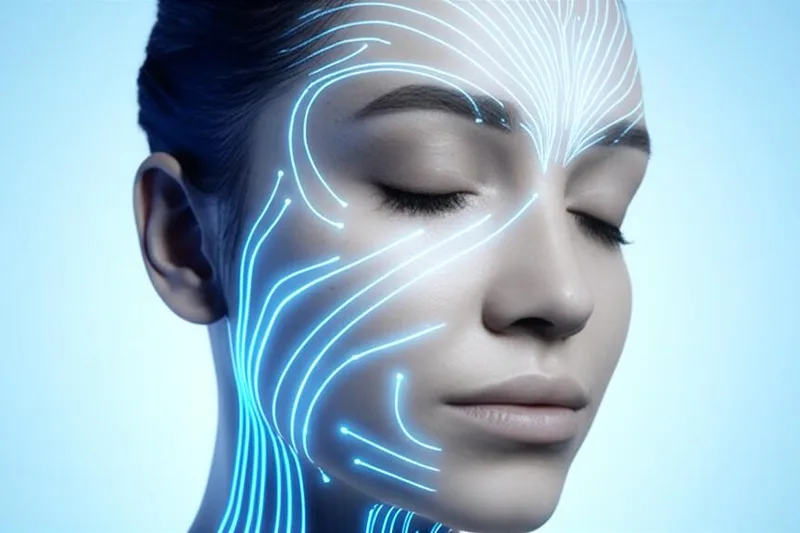
Did you know that behind everything you think, talk, walk, and feel is a super-fast communication system in your body? Just like the Internet that carries information around the world, there is an amazing network inside our bodies that carries information back and forth from our brain to our fingertips. That's what we call the nervous system . Today, let's talk about this amazing system in a simple way.
Simply put, what is the nervous system?
The nervous system is your body's main communication network. Think of your brain as the main control center, like a big computer. The commands from this computer need to be sent to every other part of your body. The nervous system is the "wiring system" that carries those messages. There are three main parts to this system. They are the brain, the spinal cord, and the nerves.
Do you know how these messages are exchanged? We have billions of tiny nerve cells in our bodies. We call these neurons . The message jumps from one neuron to the next through a small gap between these cells. We call this gap a synapse . This jump happens because of a special type of chemical called neurotransmitters . You may have heard of dopamine and serotonin , and those are neurotransmitters.
Imagine that you are walking down the street and accidentally step on a thorn. You immediately lift your leg, right? Here's what happens: The nerves in your leg send the message, "This hurts!" at more than 200 miles per hour along neurons in your spinal cord to your brain. The brain understands that message and sends back the command, "Get your leg out of the way!" All of this happens in the blink of an eye. That's the wonder of the nervous system.
What are the main parts of the nervous system?
Our nervous system can be divided into two main parts based on the functions it performs.
1. Central Nervous System (CNS)
This is the "Command Center" of our body. It consists of only the brain and spinal cord .
- Brain: The brain is the supercomputer in our body. The brain controls everything from what we think, learn, and remember to what happens without us realizing it, such as controlling our heart rate, breathing, and blood pressure .
- Spinal Cord: This is like the main "data cable" that runs down from the brain. It carries messages from the brain to the rest of the body, and messages from the body back to the brain.
Because this central nervous system is so important, it is very well protected. The brain is protected inside the skull , and the spinal cord is protected inside the spinal cord . In addition, both are covered by three thin membranes called the meninges and a special fluid called cerebrospinal fluid, which provides further protection.
2. Peripheral Nervous System (PNS)
Simply put, it is the part of the nervous system that contains all the nerves that run like a network throughout the body, except for the brain and spinal cord. This is further divided into two parts.
Autonomic Nervous System
This part controls the actions that we don't consciously control, but occur automatically. For example, things like breathing, heartbeat, digestion, and blood pressure. It also has two parts that work against each other:
- Sympathetic System: This is what prepares the body for an emergency. We call it the "fight-or-flight" response. At this time, the heart rate increases and breathing becomes faster.
- Parasympathetic System: This system calms the body and brings it into a state of rest and digest.
Somatic Nervous System
This part controls the things we do consciously. For example, moving our limbs, speaking, and feeling the touch of something. It also controls our senses (taste, smell, sight, and hearing).
Diseases affecting the nervous system
Although the nervous system is well protected, it can sometimes be damaged by various diseases and accidents. Let's take a look at some of the main conditions.
| Quality type | Examples and a brief description |
|---|---|
| Infections | Germs can infect the nervous system. - Meningitis: Inflammation of the membranes surrounding the brain and spinal cord. - Encephalitis: Infection and swelling of the brain. - Polio: A viral disease that affects the nerves. |
| Injuries | Nerve compression or damage due to accidents or other conditions. - Carpal Tunnel Syndrome: Compression of a nerve in the wrist. - Peripheral Neuropathy: Damage to the nerves outside the brain and spinal cord. |
| Nervous system disorders | Diseases that impair the functioning of the nervous system. - Parkinson's disease: A brain condition that affects movement. - Multiple Sclerosis: Damage to the protective covering around the nerves. - Alzheimer's disease: A disease that causes gradual memory loss. - ALS (Amyotrophic Lateral Sclerosis): A disease that causes loss of muscle control. |
| Blood Vessel Issues | Damage to blood vessels can affect the nervous system. - Stroke: Stoppage of blood flow to the brain or rupture of a blood vessel. - TIA (Transient Ischemic Attack): Temporary interruption of blood supply to the brain. |
What are the symptoms of a nerve problem?
The symptoms of nerve damage vary depending on the type of nerve that is damaged.
| Type of nerve affected | Possible symptoms |
|---|---|
| Motor Nerves (Controls muscles) | - Muscle weakness, pain, twitching - Loss of body balance, difficulty walking - Difficulty performing delicate tasks with hands and fingers |
| Sensory Nerves (touch, temperature, pain) | - Numbness, burning, tingling sensation in the limbs - Decreased sensation of heat, cold, and pain - Difficulty with delicate tasks such as buttoning |
| Autonomic Nerves (Controls actions that occur automatically) | - Abnormally fast or slow heartbeat - Change in blood pressure - Excessive sweating or lack of sweating - Difficulty swallowing food, constipation or diarrhea |
The important thing is that some of these symptoms can also be caused by other conditions. So, if you continue to experience these symptoms, it's best to see your doctor to find out exactly what's causing them.
How do we keep our nervous system healthy?
There are a few simple things we can do to protect our precious nervous system.
The importance of nutrition
The foods we eat directly affect the health of our brain and nerves. These nutrients are especially important:
- Omega-3 fatty acids: These are abundant in oily fish like salmon and tuna, flaxseed, chia seeds, and walnuts.
- Vitamin B: Can be obtained from chicken, fish, eggs, yogurt, potatoes, peas, and green vegetables.
- Antioxidants: These are found in colorful fruits and vegetables, whole grains, nuts, and spices.
Whenever possible, try to eat natural foods instead of processed foods . That means reducing the amount of packaged and preserved foods you eat.
Managing stress
If you're constantly stressed or anxious, it's putting unnecessary strain on your nervous system. Here are some things you can do to help manage this:
- Deep breathing: Take a few slow, deep breaths.
- Exercise: Exercises like walking and swimming are very good.
- Calming activities: Try things like meditation and yoga.
- Get enough sleep: If you are an adult, get 7-9 hours of good sleep a day.
If these things don't help, talk to your doctor . You may need medication or other treatments.
Take-Home Message
- The nervous system is the main communication network that exchanges messages between the brain and the rest of our body.
- The two main parts are the central (brain, spinal cord) and the peripheral (all other nerves) nervous system.
- Symptoms of nerve damage can vary. If symptoms persist, such as numbness in the limbs, muscle weakness, or balance problems, see your doctor immediately.
- Eating a balanced, nutritious diet, managing stress, and getting enough sleep are essential for the health of the nervous system.
- Protect your brain and spinal cord from accidents by wearing a helmet when riding a bicycle, playing sports, and wearing a seat belt when riding in vehicles.


💬 Comments (0)
No comments yet. Be the first to share your thoughts here.
Add Your Comment