
What is a Dermatologist? What you need to know!

What is a Dermatologist? What you need to know!
Our skin, hair, and nails are very important for our beauty and health . But sometimes we get acne, skin damage, or hair loss. Who do we turn to for help at times like these? That's where a dermatologist , or as we all know it, a 'Skin Doctor' is needed. Today, let's talk about who exactly a dermatologist is, what he does, and when you should see him.

Who is a Dermatologist?

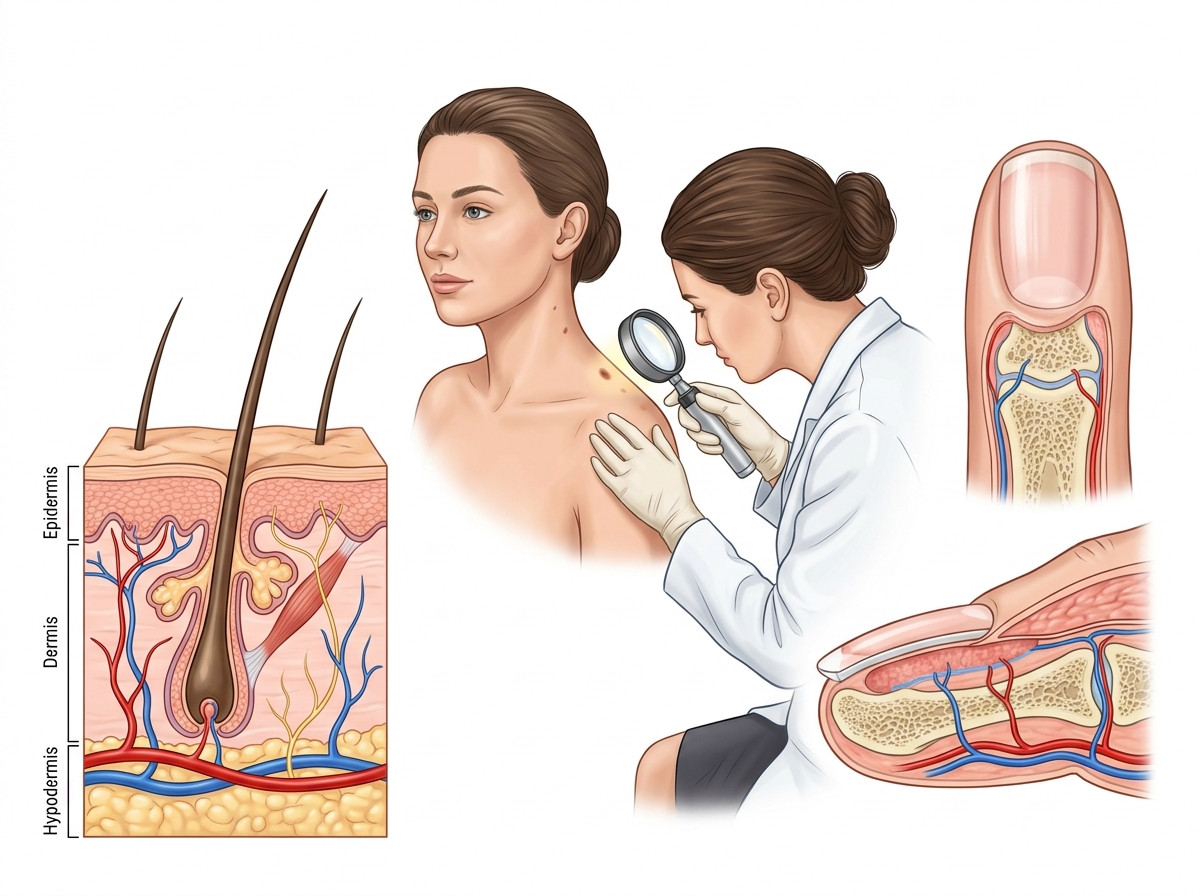
Simply put, a dermatologist is a doctor who has received special training to diagnose and treat diseases related to your skin, hair, and nails . These diseases can range from simple rashes to serious conditions like skin cancer. Think about it, our skin is the largest organ in our body. It protects us from disease and does many things, including regulating our body temperature. There are over 3,000 diseases that affect the skin, hair, and nails. So we need the help of a doctor who is well-versed in such a wide range of diseases. They also treat cosmetic problems like wrinkles, birthmarks, and scars.

What does a dermatologist do?

A dermatologist doesn't just treat acne. They can look at your skin and even look for signs of other underlying health problems. For example, if you have a problem with your stomach, kidneys, or thyroid , symptoms can sometimes show up on your skin. They can also perform minor surgeries , such as mole removal and skin biopsy . Some are specially trained to perform major surgeries, such as cyst removal. They can also treat skin problems that affect your appearance. For example, many are trained to perform cosmetic treatments, such as Botox , fillers , and chemical peels .

Subspecialties in Dermatology

Some dermatologists specialize in another area of ​​expertise after their basic training. Here are some of the main areas.
Subspecialty Simply put, what do they do?
Dermatopathology These people are experts in dermatology as well as pathology (diagnosis). If something like skin cancer is suspected, they are the ones who take a small piece of skin and examine it under a microscope to find out exactly what the disease is.
Pediatric Dermatology We specialize in treating skin, hair, and nail conditions in young children. This includes things like birthmarks and eczema in young children.
Medical Dermatology They specialize in treating serious skin conditions, which can sometimes affect other parts of the body.
Surgical Dermatology Dermatologists are people who have received special training in skin surgery. They perform things like removing cancerous cells, regrowing hair, and removing scars.
Cosmetic Dermatology People who have received special training in treatments that enhance the appearance of skin, hair, and nails. These people perform things like removing age spots, wrinkles, unwanted hair, and scars.

What are the common diseases that a dermatologist treats?

Although there are over 3,000 diseases that a dermatologist treats, here are some of the most common ones we see:
  • Acne : Blisters caused by a buildup of oil, bacteria , and dead skin cells caused by clogged pores.
  • Dermatitis /Eczema: Swelling of the skin,A common condition that causes symptoms such as itching , dryness, and scaling .
  • Hair Loss /Alopecia: Hair loss that is greater than normal and does not regrow.
  • Psoriasis: A chronic disease that causes itchy, scaly patches on the skin.
  • Rosacea ( Rosacea ): A condition that causes facial redness, small pus-filled blisters, and visible blood vessels.
  • Skin Cancer: Abnormal growth of skin cells, often due to exposure to sunlight.
  • Skin Infections: Bacteria cause redness, swelling, and pain in the skin.
  • Vitiligo: Loss of skin pigmentation and the appearance of white patches.
  • Warts and Moles: Small growths on the skin. Some spots can change over time and be a sign of cancer.
  • Nail Conditions: Changes in the color, shape, or texture of the nails.
Remember, if you have an unusual change in your skin, hair, or nails, or a long-term problem, it's best to talk to a dermatologist about it.

Why should you see a dermatologist?

There may be several reasons why you need to see a doctor.

If there is a skin rash

There can be many reasons for a rash on your skin. It could be an allergy, a reaction to a medication, or a condition like eczema or psoriasis. If you have a rash that is itchy and won't heal , be sure to see a doctor.

If acne treatments don't work

Acne is very common in young people. But sometimes it is difficult to control it with over-the-counter medications. Some people also get acne as adults. In such cases, a dermatologist can diagnose your acne type, prescribe the right treatment , and help minimize the scarring caused by acne.

If hair is falling out

If you feel like your hair loss is increasing, a dermatologist can help determine the cause and recommend appropriate treatment.

If you notice a change in a skin spot

This is very important! If a birthmark or other spot on your body changes shape, size, or color , or if it itches or bleeds,If there is, it could be a sign of skin cancer. So see a doctor as soon as possible and get checked.

What happens when you go to see the doctor?

Before you go to see a dermatologist, keep a few things in mind. The doctor will examine your entire skin from head to toe . So, if you have nail polish on, it's a good idea to remove it and leave your hair down. If you're wearing makeup, you may be asked to remove it as well. When you go into the examination room, you'll be asked to remove your clothes and put on a paper gown instead. First, the doctor will talk about your health history and symptoms. Then, he or she will examine your entire skin. If there's anything suspicious, they may do a blood test, allergy test, or biopsy to identify it. Then, they'll recommend any treatments, medications, or other procedures you may need.

Take-Home Message

  • A dermatologist is a doctor who has received special training in all aspects of your skin, hair, and nails.
  • If you notice a change in a skin spot, a sore that won't heal, severe acne, or excessive hair loss, don't ignore it. See your doctor as soon as possible.
  • They treat over 3,000 diseases, from common ailments like acne to serious conditions like skin cancer.
  • You can also seek their help in obtaining cosmetic treatments to enhance your appearance.
  • For any health issue, it is very important to see a qualified doctor for proper advice.
Dermatology, Dermatologist, Skin Doctor, Acne, Skin Cancer, Hair Loss, Psoriasis, Eczema, Biopsy, Laser Therapy

👩🏽‍⚕️ Additional questions (FAQs)

💬 What kind of doctor is a dermatologist?

A dermatologist is a doctor who specializes in diseases of our skin, hair, and nails. In Sinhala, we usually call him a 'dermatologist'.

💬 When should you see a dermatologist?

If you have acne, allergies, eczema, rashes, or abnormal hair loss, or if you have an unusual spot or lump on your skin, you should definitely see a doctor like this.

💬 Do these doctors only prescribe medicine for skin diseases?

No, in addition to skin diseases, these same doctors also perform cosmetic treatments like plastic surgery, laser treatments, and Botox to beautify the skin.


1. What is the meaning of dermatologist in Sinhala?

In Sinhala, a dermatologist is called a සර්ම රෝග විශේෂඥ වෛද්‍යවරයා (Charma Roga Visheshagna Vaidyavaraya). This is a medical doctor who specializes in diagnosing and treating conditions related to the skin, hair, and nails.
2. What conditions does a dermatologist treat?

Dermatologists treat skin cancer, acne, eczema, psoriasis, hair loss, nail infections, and various skin allergies.

Frequently Asked Questions (FAQ)

2. What conditions does a dermatologist treat?

Dermatologists treat skin cancer, acne, eczema, psoriasis, hair loss, nail infections, and various skin allergies.

⚠️ Important: The medical articles and information on Nirogi Lanka are for general awareness only, and are by no means a substitute for professional medical advice, diagnosis, or treatment. For any medical problem you have, consult a qualified physician immediately.

💬 Comments (0)

No comments yet. Be the first to share your thoughts here.

Add Your Comment

Please calculate: 8 + 6 =
What is a Dermatologist? What you need to know!

What is a Dermatologist? What you need to know!

Our skin, hair, and nails are very important for our beauty and health . But sometimes we get acne, skin damage, or hair loss. Who do we turn to for help at times like these? That's where a dermatologist , or as we all know it, a 'Skin Doctor' is needed. Today, let's talk about who exactly a dermatologist is, what he does, and when you should see him.

Who is a Dermatologist?

Simply put, a dermatologist is a doctor who has received special training to diagnose and treat diseases related to your skin, hair, and nails . These diseases can range from simple rashes to serious conditions like skin cancer. Think about it, our skin is the largest organ in our body. It protects us from disease and does many things, including regulating our body temperature. There are over 3,000 diseases that affect the skin, hair, and nails. So we need the help of a doctor who is well-versed in such a wide range of diseases. They also treat cosmetic problems like wrinkles, birthmarks, and scars.

What does a dermatologist do?

A dermatologist doesn't just treat acne. They can look at your skin and even look for signs of other underlying health problems. For example, if you have a problem with your stomach, kidneys, or thyroid , symptoms can sometimes show up on your skin. They can also perform minor surgeries , such as mole removal and skin biopsy . Some are specially trained to perform major surgeries, such as cyst removal. They can also treat skin problems that affect your appearance. For example, many are trained to perform cosmetic treatments, such as Botox , fillers , and chemical peels .

Subspecialties in Dermatology

Some dermatologists specialize in another area of ​​expertise after their basic training. Here are some of the main areas.
Subspecialty Simply put, what do they do?
Dermatopathology These people are experts in dermatology as well as pathology (diagnosis). If something like skin cancer is suspected, they are the ones who take a small piece of skin and examine it under a microscope to find out exactly what the disease is.
Pediatric Dermatology We specialize in treating skin, hair, and nail conditions in young children. This includes things like birthmarks and eczema in young children.
Medical Dermatology They specialize in treating serious skin conditions, which can sometimes affect other parts of the body.
Surgical Dermatology Dermatologists are people who have received special training in skin surgery. They perform things like removing cancerous cells, regrowing hair, and removing scars.
Cosmetic Dermatology People who have received special training in treatments that enhance the appearance of skin, hair, and nails. These people perform things like removing age spots, wrinkles, unwanted hair, and scars.

What are the common diseases that a dermatologist treats?

Although there are over 3,000 diseases that a dermatologist treats, here are some of the most common ones we see:
  • Acne : Blisters caused by a buildup of oil, bacteria , and dead skin cells caused by clogged pores.
  • Dermatitis /Eczema: Swelling of the skin,A common condition that causes symptoms such as itching , dryness, and scaling .
  • Hair Loss /Alopecia: Hair loss that is greater than normal and does not regrow.
  • Psoriasis: A chronic disease that causes itchy, scaly patches on the skin.
  • Rosacea ( Rosacea ): A condition that causes facial redness, small pus-filled blisters, and visible blood vessels.
  • Skin Cancer: Abnormal growth of skin cells, often due to exposure to sunlight.
  • Skin Infections: Bacteria cause redness, swelling, and pain in the skin.
  • Vitiligo: Loss of skin pigmentation and the appearance of white patches.
  • Warts and Moles: Small growths on the skin. Some spots can change over time and be a sign of cancer.
  • Nail Conditions: Changes in the color, shape, or texture of the nails.
Remember, if you have an unusual change in your skin, hair, or nails, or a long-term problem, it's best to talk to a dermatologist about it.

Why should you see a dermatologist?

There may be several reasons why you need to see a doctor.

If there is a skin rash

There can be many reasons for a rash on your skin. It could be an allergy, a reaction to a medication, or a condition like eczema or psoriasis. If you have a rash that is itchy and won't heal , be sure to see a doctor.

If acne treatments don't work

Acne is very common in young people. But sometimes it is difficult to control it with over-the-counter medications. Some people also get acne as adults. In such cases, a dermatologist can diagnose your acne type, prescribe the right treatment , and help minimize the scarring caused by acne.

If hair is falling out

If you feel like your hair loss is increasing, a dermatologist can help determine the cause and recommend appropriate treatment.

If you notice a change in a skin spot

This is very important! If a birthmark or other spot on your body changes shape, size, or color , or if it itches or bleeds,If there is, it could be a sign of skin cancer. So see a doctor as soon as possible and get checked.

What happens when you go to see the doctor?

Before you go to see a dermatologist, keep a few things in mind. The doctor will examine your entire skin from head to toe . So, if you have nail polish on, it's a good idea to remove it and leave your hair down. If you're wearing makeup, you may be asked to remove it as well. When you go into the examination room, you'll be asked to remove your clothes and put on a paper gown instead. First, the doctor will talk about your health history and symptoms. Then, he or she will examine your entire skin. If there's anything suspicious, they may do a blood test, allergy test, or biopsy to identify it. Then, they'll recommend any treatments, medications, or other procedures you may need.

Take-Home Message

  • A dermatologist is a doctor who has received special training in all aspects of your skin, hair, and nails.
  • If you notice a change in a skin spot, a sore that won't heal, severe acne, or excessive hair loss, don't ignore it. See your doctor as soon as possible.
  • They treat over 3,000 diseases, from common ailments like acne to serious conditions like skin cancer.
  • You can also seek their help in obtaining cosmetic treatments to enhance your appearance.
  • For any health issue, it is very important to see a qualified doctor for proper advice.
Dermatology, Dermatologist, Skin Doctor, Acne, Skin Cancer, Hair Loss, Psoriasis, Eczema, Biopsy, Laser Therapy

👩🏽‍⚕️ Additional questions (FAQs)

💬 What kind of doctor is a dermatologist?

A dermatologist is a doctor who specializes in diseases of our skin, hair, and nails. In Sinhala, we usually call him a 'dermatologist'.

💬 When should you see a dermatologist?

If you have acne, allergies, eczema, rashes, or abnormal hair loss, or if you have an unusual spot or lump on your skin, you should definitely see a doctor like this.

💬 Do these doctors only prescribe medicine for skin diseases?

No, in addition to skin diseases, these same doctors also perform cosmetic treatments like plastic surgery, laser treatments, and Botox to beautify the skin.


1. What is the meaning of dermatologist in Sinhala?

In Sinhala, a dermatologist is called a සර්ම රෝග විශේෂඥ වෛද්‍යවරයා (Charma Roga Visheshagna Vaidyavaraya). This is a medical doctor who specializes in diagnosing and treating conditions related to the skin, hair, and nails.

2. What conditions does a dermatologist treat?

Dermatologists treat skin cancer, acne, eczema, psoriasis, hair loss, nail infections, and various skin allergies.

Frequently Asked Questions (FAQ)

2. What conditions does a dermatologist treat?

Dermatologists treat skin cancer, acne, eczema, psoriasis, hair loss, nail infections, and various skin allergies.

⚠️ Important: The medical articles and information on Nirogi Lanka are for general awareness only, and are by no means a substitute for professional medical advice, diagnosis, or treatment. For any medical problem you have, consult a qualified physician immediately.

💬 Comments (0)

No comments yet. Be the first to share your thoughts here.

Add Your Comment

Please calculate: 8 + 6 =