

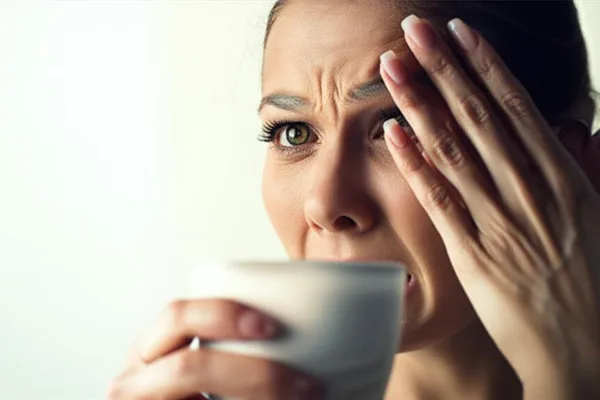
Have you ever wondered if the smell of your favorite cup of coffee suddenly smells like rotten meat? Or if the smell of a banana has become unbearable? This is not a fantasy. It is a real situation that many people have to experience, especially after recovering from COVID-19 . This is what we call `Parosmia` in medical terms, when our usual sense of smell becomes distorted and unpleasant.
Simply put, what is Parosmia?
Parosmia is a condition that disrupts your sense of smell. What happens is that your brain misinterprets the smell of certain things. This means that even though they smell good, they actually smell bad.
This is because a special type of nerve cell called ``olfactory sensory neurons`` in your nose that detect smells is damaged. When these cells are damaged, they send information about smell to the brain incorrectly.
Just as a piano with broken strings produces a ringing sound instead of sweet music, damaged nerve cells send distorted olfactory information to the brain.
This condition usually resolves itself over time, but while it's present, it can have a significant impact on your appetite , mental health , and quality of life.
What smells are most disturbing due to parosmia?
This condition affects everyone differently. Some people find that the smell of certain things changes slightly. But for others, smells that they once enjoyed are now unbearable. They may smell like rotten, burnt, dead waste, or metallic.
Because our sense of smell and taste are closely linked, food tastes different when we have parosmia. The table below lists some of the most common triggers for parosmia.
| Common things that trigger parosmia | |
|---|---|
| Coffee | Fried and roasted meats |
| Onions and garlic | Eggs |
| Toothpaste | Chocolate |
| Bell peppers and cucumbers | Fruit (especially citrus and watermelon) |
| Gasoline and Tobacco | Perfume |
What are the main causes of parosmia?
There are several possible causes of parosmia. The main ones are:
- Upper respiratory tract infections: illnesses like the common cold .
- Viral infections : influenza and especially COVID-19 .
- Head injuries: Things like hitting your head hard.
- Sinus infections (Sinusitis).
- Exposure to certain toxins : Things like air pollution and smoking.
- Certain medications: Anticancer drugs, some antidepressants, and medications such as benzodiazepines.
- Seizures that occur in the temporal lobe of the brain.
- Excessive dryness of the mouth.
- Brain tumors: However, this is a very rare cause.
What is the connection between COVID-19 and Parosmia?
Loss of smell or taste is a very common symptom of COVID-19. Some people lose these senses completely. There are several terms that doctors use to describe these conditions:
- Anosmia: Complete loss of smell.
- Hyposmia: Decreased sense of smell.
- Ageusia: Complete loss of the sense of taste.
- Hypogeusia: Decreased sense of taste.
For most people who have COVID-19, these symptoms will return to normal over time. However, for some, they may persist for weeks or months. Parosmia usually occurs during the recovery period after COVID-19 infection.
One study found that nearly half of people who lost their sense of smell due to COVID later developed parosmia. This condition usually appears two to three months after infection. Some describe this "Covid smell" as "disgusting," "rotten," or "like rotting meat."
Parosmia is believed to be caused by the COVID-19 virus damaging the olfactory nerves in the nose.
What are the possible complications of parosmia?
Smell is a very important part of our lives. From eating with friends to making coffee in the morning, everything has a scent. A good smell refreshes our minds. But when this smell is distorted, it can cause big problems.
- Appetite: The desire to eat is lost because food smells bad.
- Weight loss: Not eating can cause weight loss.
- Depression: This condition can cause you to feel lonely, isolated, and withdrawn. You may even feel depressed when you find your own body odor unpleasant.
It is also a safety hazard. People may lose the ability to smell things like spoiled food, gas leaks, and smoke. This condition can be a major obstacle to their jobs for people who work as chefs, cooks, and firefighters.
How is this condition diagnosed and treated?
If you think you have parosmia, be sure to see a doctor. The doctor will examine you and ask about your medical history (recent illnesses, medications you are taking). They may also perform a smell test.
There is a similar condition called `Phantosmia`, in which you smell something that isn't there (like hallucinating a smell). Your doctor will determine which of these two conditions you have.
Sometimes, you may be referred to a specialist in this area.
- An ENT doctor: A doctor who specializes in ear, nose, and throat.
- Neurologist: A doctor who specializes in the brain and nervous system.
If necessary, tests such as CT scans and MRI scans may also be performed.
Treatment methods
The good news is that damaged nerves in the nose can regrow, so the condition often resolves over time without any treatment. 80%-90% of people who develop parosmia due to COVID-19 recover within two years.
As a treatment,
- Smell Training (Olfactory Training): This is the main treatment method. What you do here is to smell several strong scents (e.g. rose, lemon, clove, eucalyptus) separately every day. While smelling the scent, you need to imagine what it really smells like. This trains the brain to recognize smells correctly again.
- Medications: Sometimes your doctor may recommend medications like Clonazepam and Phenytoin.
- Surgery: This is used very rarely, as a last resort.
If you have a food craving, try eating cool or room temperature foods instead of hot ones. This is because the steam from hot foods carries the smell directly to your nose. Also, getting used to a bland, simple diet can help.
Take-Home Message
- Parosmia is a condition in which your usual sense of smell becomes distorted and unpleasant.
- The main reason for this is that viral infections like COVID-19 damage the olfactory nerves in the nose.
- This condition can cause loss of appetite, weight loss, and depression.
- The good news is that for most people, this will resolve over time without any treatment.
- Smell training is a good way to help get rid of this condition.
- If this situation is causing you mental or physical distress, please consult a qualified physician without delay.




💬 Comments (0)
No comments yet. Be the first to share your thoughts here.
Add Your Comment