
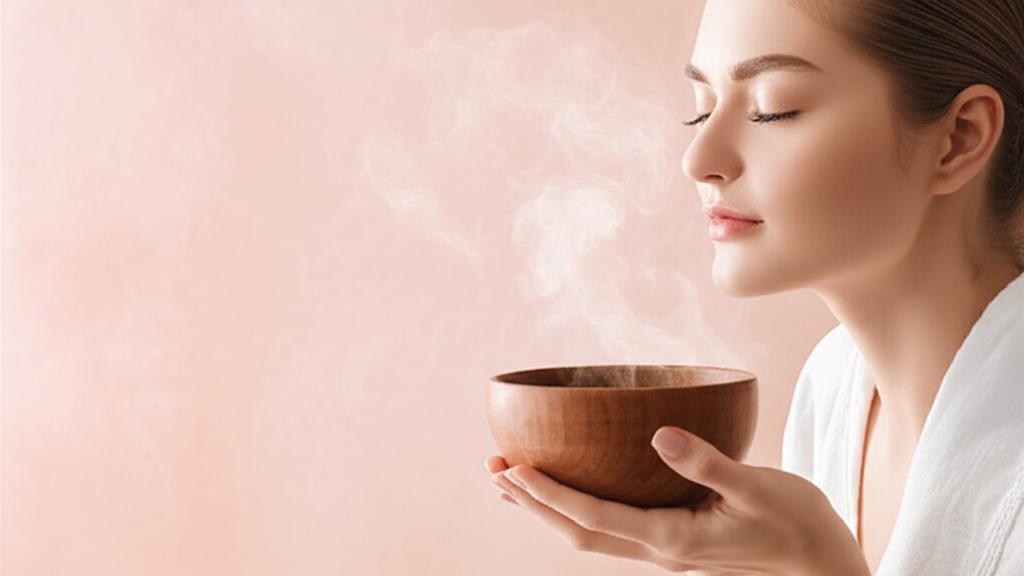
You probably spend time and money on cleansers, moisturizers, and sunscreens to keep your skin healthy and glowing. But you might have also heard about another popular skincare trend lately. That trend is facial steaming.
Your skin is actually the largest organ in your entire body. Taking good care of it requires understanding what works and what causes harm. Let us look closely at facial steaming to see if it is truly good for your skin.
Key Takeaways
- Facial steaming exposes your facial skin to warm water vapor to help soften the skin and open pores.
- It can help clear out trapped sebum, improve blood flow, and help your skincare products absorb better.
- You must keep your face at a safe distance from boiling water to avoid painful burns and skin damage.
- People with specific skin conditions like rosacea or eczema should avoid steaming or talk to a doctor first.
- Limit your home steaming sessions to once or twice a week depending on your specific skin type.
BMI Calculator
Know your body mass index (BMI) and weight classification
What Is Facial Steaming?
The name itself tells you exactly what the process involves. Facial steaming simply means exposing the skin on your face to warm vapor coming from heated water.
However, this process is not as simple as leaning your face right over a pot of boiling water. Please never do that, because boiling water can cause severe facial burns. You can perform this relaxing treatment at home safely and easily with the right precautions.
If you have ever taken a long, hot bath or visited a sauna at a gym, you already know how this feels. To start this simple treatment at home, you only need clean hot water, a large towel, and five to ten minutes of your time.
How to Do Facial Steaming Safely at Home
You now know that facial steaming is a straightforward process. You can even get similar effects by holding a warm, damp washcloth against your face. But if you want the best results, following a proper method is essential.
You do not need fancy equipment to do this treatment at home. You can follow these simple steps:
- Boil your water: Using an electric kettle makes this first step much easier and faster.
- Pour into a safe bowl: Pour the hot water carefully into a heatproof glass or ceramic bowl.
- Get a large towel: Find a clean towel that is large enough to cover both your head and the water bowl.
- Begin your steam session: Drape the towel over the back of your head and position your face above the bowl. The towel should trap the rising steam around your face. Never lean so close that the heat hurts your skin or causes a burn. Keep the experience relaxing and comfortable.
- Check the time: For the best results, expose your face to the steam for at least five minutes, but never exceed twenty minutes.
After your water is boiled and placed in the bowl, you can add a few drops of your favorite essential oil if you wish. For example, adding lavender oil can create a calming scent that helps your mind relax.
If you enjoy facial steaming often, you can also buy a dedicated electric facial steamer. You simply fill the device with distilled water, press a button, and relax while the machine produces steady steam.
The Main Benefits of Facial Steaming
What actually happens to your skin during this process? The warm steam helps soften your skin completely and gently opens up your pores. This makes steaming a wonderful addition to your regular skincare routine.
Let us examine the primary health and cosmetic benefits of facial steaming:
| Skin Benefit | How It Helps Your Skin |
|---|---|
| Skin Purging | Steam opens up your pores, helping release trapped dirt and a natural oil called sebum. Sebum is produced by your oil glands, and excess buildup leads directly to acne breakouts. |
| Acne Management | When sebum gets trapped inside skin cells, bacteria grow and cause infections and pimples. Steaming helps loosen this trapped oil so your pores can clear out naturally. |
| Skin Hydration | Healthy skin needs proper hydration to stay strong and flexible. Oils and moisturizers trap moisture, but steam delivers pure water hydration directly to your outer skin layers. |
| Increased Blood Circulation | Heat dilates your blood vessels, increasing blood flow to your face. This delivers extra oxygen and helps stimulate collagen and elastin production for a youthful glow. |
| Better Product Absorption | After steaming, your toner, serum, and moisturizer penetrate much deeper because your pores are open and receptive, allowing your skincare products to work more effectively. |
Steps to Maximize Your Results
No matter which steaming method you choose, following these simple steps in order will help you get the best possible results for your skin.
1. Cleanse Your Face First: This is the very first and most important step. Before you steam, wash away all dirt, makeup, sunscreen, and dead skin cells. If you skip this, dirt will push right into your open pores.
2. Be Careful with Extractions: Extractions involve squeezing out blackheads and whiteheads. Please never try aggressive extractions at home because you can easily scar or injure your skin. The safest choice is letting a trained professional beautician handle extractions. If you must do it at home, use only sterile tools after steaming.
3. Apply a Face Mask: Steaming leaves your skin ready to absorb nourishing ingredients. Applying your favorite hydrating or clay face mask right after steaming gives you maximum benefits.
4. Use a Toner: A toner helps close your open pores back up after treatment. This keeps dirt out and locks in your results. If you do not have a toner, splashing clean, cool water on your face works well too.
5. Finish with a Moisturizer: Always apply a gentle moisturizer at the very end. This locks in the moisture and hydration your skin absorbed during the steam session.
Are There Any Side Effects or Risks?
Facial steaming seems completely harmless, but it is not the right choice for every single person.
Although side effects from facial steaming are usually mild, people with underlying skin conditions may experience unwanted flare-ups and irritation.
For example, people dealing with rosacea, eczema, or seborrheic dermatitis should avoid facial steam. Heat makes blood vessels dilate quickly, which can worsen redness and inflammation.
If you have naturally dry skin, frequent steaming can make your dryness worse. Too much heat strips away your natural skin oils, leading to irritation, flaking, and discomfort.
Also, heat expands facial blood vessels. People with sensitive skin often experience unwanted redness, flushing, and stinging after exposure to hot steam.
When to Seek Medical Attention
If you experience severe burns, blistering, signs of a secondary bacterial infection, or an intense allergic reaction to essential oils after steaming, seek emergency medical care right away. Call 911 (US/Canada), 999 (UK), or visit your nearest Emergency Department (ER / A&E) right away if you experience severe skin trauma or systemic symptoms. Always consult your doctor or dermatologist before starting facial treatments if you have chronic skin conditions.
Can You Steam Your Face Every Day?
In short, no. Steaming your face every single day is never recommended by dermatologists.
How often you should steam depends entirely on your specific skin type:
- Oily Skin: People with oily skin benefit the most from steam, so you can safely steam two to three times a week.
- Dry Skin: If your skin is dry, limit steaming to just once a week to prevent stripping essential moisture.
- Sensitive Skin: If your skin is easily irritated or sensitive, you should skip facial steaming entirely.
In conclusion, is facial steaming strictly necessary? No, it is not. Even the natural steam from taking a warm shower can give your skin a healthy glow. But if you enjoy spa-like treatments and your skin responds well, doing it correctly and moderately is completely fine.
💡 Take-Home Message
- Facial steaming helps clean pores and hydrate your skin, but it does not suit every skin type.
- Always wash your face thoroughly to remove dirt before you begin steaming.
- Monitor water temperature closely and keep a safe distance to prevent painful facial burns.
- Consult your doctor before steaming if you have rosacea, eczema, or very sensitive skin.
- Limit your steaming sessions to once or twice a week based on your personal skin type.
- Always finish your routine by applying a toner and a nourishing moisturizer.






No comments yet. Be the first to share your question or experience below.