
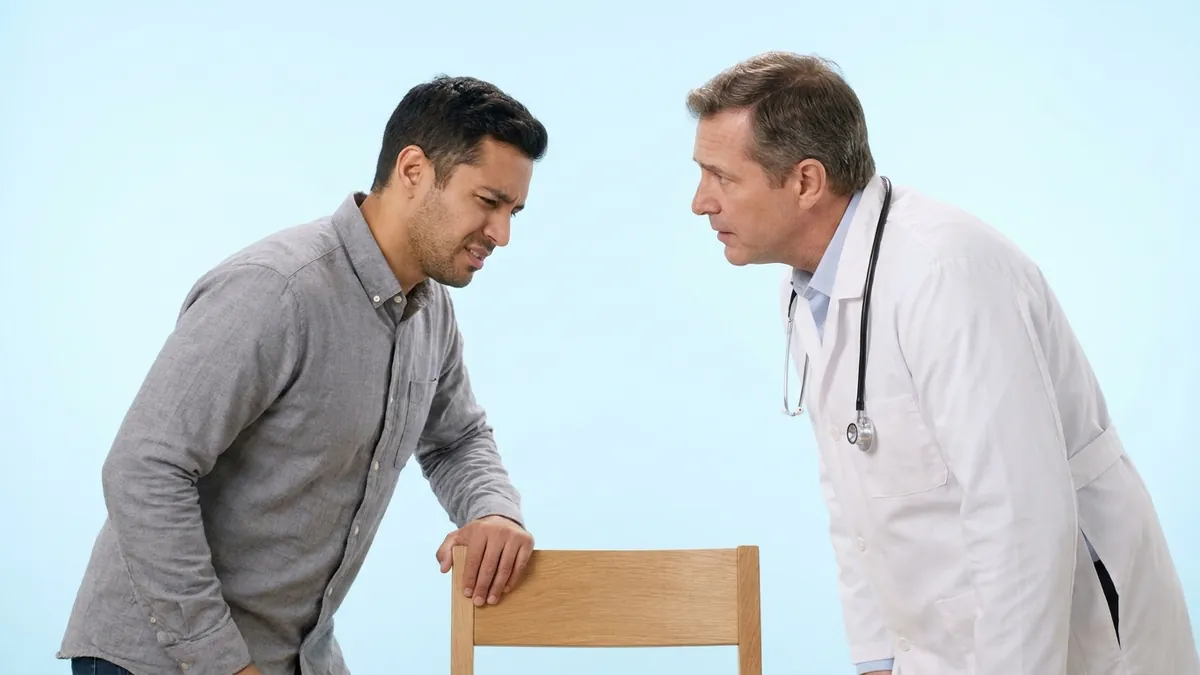
Sometimes, the sharp pain you feel when you go to the toilet or the sight of blood on the tissue paper can be very scary, right? Many people think that this is hemorrhoids , but another common cause of this is anal fissures, which are small cracks in the anus. Medically, we call this condition Anal Fissures . Although it is a little difficult to talk about, this is a very common condition. So let's talk about it openly today.
Simply put, what are these anal fissures?
An anal fissure is a small tear or sore in the delicate skin around your anus. It's similar to a split lip. This tear can expose the muscle around your anus, the anal sphincter. When this happens, the muscle begins to spasm. This contraction causes more pain, and the two sides of the tear become more stretched, which slows down healing.
We divide this situation into two parts:
- Acute condition: This is a recent tear, no more than 6 weeks old.
- Chronic condition: If the fissure has been present for more than 6 weeks, or if it occurs frequently, we call it a chronic condition.
What are the main symptoms of this?
In this case, the symptoms may be slightly different. I have made that clear in this table.
| Characteristic type | Things to see |
|---|---|
| In the case of an acute fracture |
|
| In the case of a chronic fracture |
Who is more likely to develop this condition?
This can actually happen to anyone. Many people often mistake this pain and bleeding for hemorrhoids. It can happen to both men and women, and even small babies.
However, it is most common in adults between the ages of 20 and 40. This risk generally decreases with age.
In addition, it may also be related to some medical conditions.
- Digestive system diseases such as Crohn 's disease.
- Conditions such as anal cancer (these are very rare).
- Sexually transmitted diseases such as HIV .
Why is this happening? What are the main reasons?
Most often, this is caused by the rectum being pulled too tightly. There are several main reasons for this.
- Constipation: The skin in the rectum can crack when passing hard, large, dry stools. This is the main cause.
- Diarrhea : Persistent diarrhea can also damage the skin around the anus.
- Childbirth : These types of cracks can also occur due to the pressure caused by childbirth.
In addition to this, activities such as anal intercourse can sometimes cause the anus to stretch and become cracked.
The most important thing is that these anal fissures do not cause serious diseases like cancer. However, the pain they cause is very uncomfortable.
How do you find this, Doctor?
You may feel embarrassed to talk to a doctor about a problem like this, but it's important to make sure there aren't any other serious conditions causing these symptoms.
Your doctor will ask you a few questions.
- When does the pain come on? When you defecate?
- How severe is the pain? How long has it been going on?
- How is the blood flowing?
- Things like your eating habits and bowel movements.
In most cases, this condition can be easily diagnosed based on your description and a visual examination of the rectum by the doctor. Usually, a digital examination or anoscopy is not necessary. However, if another condition is suspected, a referral may be made for a test such as a colonoscopy.
How is it treated?
The main goal of treatment is to reduce pain and heal the cracked wound.
Things you can do at home
Many acute fissures can be treated with simple home remedies.
- Sitz Bath: This is one of the best treatments. Fill a large basin with lukewarm water and sit in it for 10-20 minutes several times a day. This is especially good after a bowel movement. It can reduce pain, relax muscles, and help the wound heal.
- Fiber-rich foods: It is essential to prevent constipation. To do this, eat plenty of fiber-rich foods such as fruits, vegetables, legumes, and whole grains.
- Drink plenty of water: Drink at least 2-3 liters of water a day. This will prevent dry stools.
Treatment provided by the doctor
If your symptoms don't improve after a month or two, your doctor will prescribe medication for you.
- Nitrate Ointment: When applied around the anus, these increase blood flow to the area and relax the muscles. This helps the wound heal faster. However, some people may experience headaches.
- Calcium Channel Blockers: These also come in the form of ointments. They work similarly to nitrate ointments.
- Topical anesthetics: If you have severe pain during bowel movements, you can use these ointments to reduce the pain at that time.
- Botox Shots: If other treatments don't work, sometimes a Botox injection is given into the anal sphincter muscle. This temporarily paralyzes the muscle, allowing the fissure to heal.
Is surgery necessary?
In most cases, surgery is not necessary. However, surgery is recommended for chronic fissures that do not heal with other treatments. This surgery is called a Lateral Internal Sphincterotomy (LIS) . This involves making a small incision in the anal sphincter muscle and reducing its tightness. This is a successful surgery, and the condition heals quickly afterward.
How can I prevent it from recurring?
No one wants to face this inconvenience again after having it once. So make these simple things a habit.
- Avoid straining while defecating: Avoid sitting on the toilet for too long and straining.
- Don't suppress your urge to defecate: Don't hold back the urge to defecate. Doing so can make the stool harder.
- Keep it clean: Clean gently after defecating. Avoid using harsh soaps and scented tissues.
- Exercise: Being active every day helps a lot with bowel function.
Does this happen to small babies too?
Yes, this is common in young babies too. The main cause for them is constipation. If your baby shows signs of constipation, talk to your doctor about it. It is also important to change your baby's nappy regularly. Placing your baby in a basin of lukewarm water two or three times a day can help reduce the pain.
💡 Take-Home Message
- An anal fissure is a small tear in the skin of the anus. It is not a serious condition like cancer.
- The main symptoms are severe pain during bowel movements and a small amount of blood.
- The main cause of this is constipation. Therefore, it is very important to prevent constipation by eating fiber-rich foods and drinking plenty of water.
- Sitz baths are very helpful in reducing pain and healing the wound.
- If you have these symptoms, don't be shy and definitely see your doctor. He or she will give you the right advice and treatment.




Janiw kuna arsuwinakas jichhakamax uñt’ayatäkiti. Aka chiqanx amuyt’awim jan ukax jiskt’awim yapxatañamawa.