
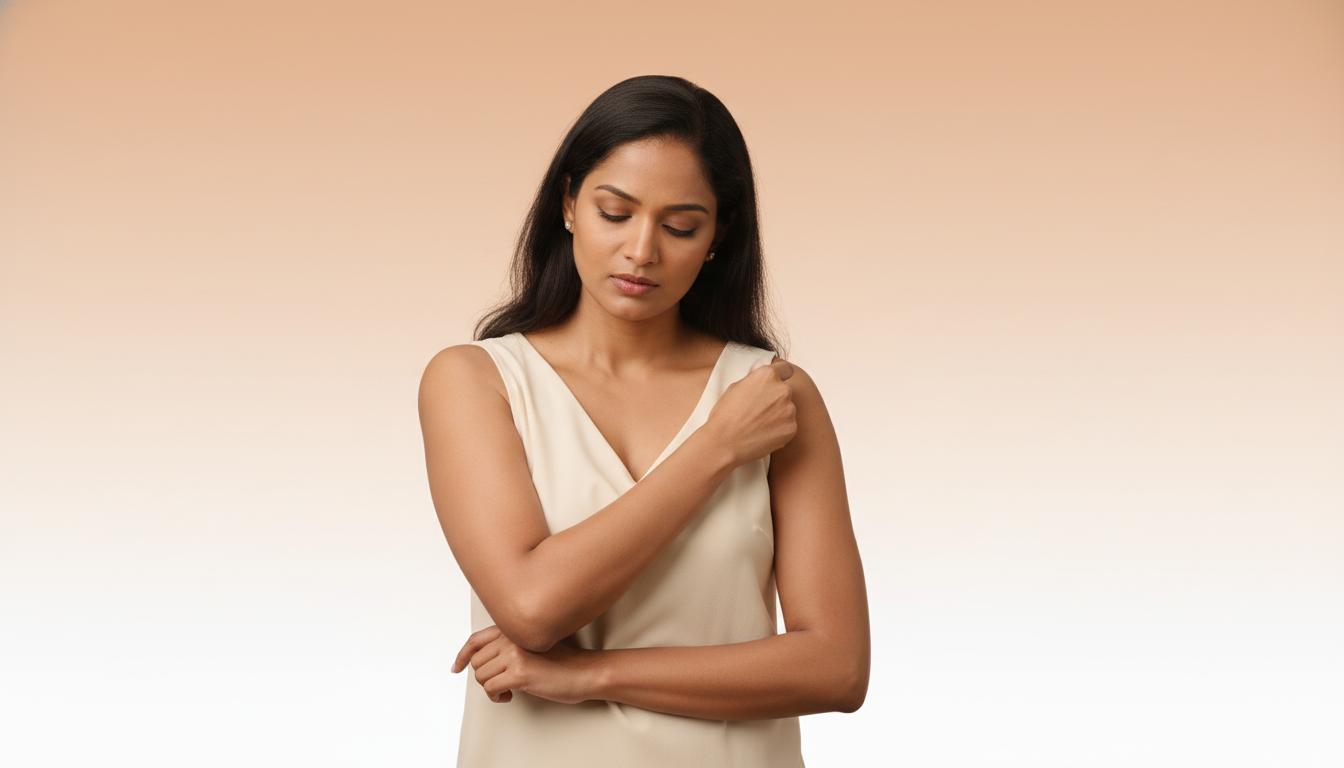
Have you ever avoided wearing your favorite sleeveless top or dress because you felt self-conscious about the skin under your upper arms? Many people refer to this appearance, where the skin hangs loosely, as 'batwing arms'. This occurs when the skin and underlying tissue lose elasticity, often after significant weight loss or simply due to aging. It can lead to discomfort, decreased confidence, and a reluctance to embrace certain styles. But what if there was a solution? Today, we'll explore exactly that.
What is an Arm Lift (Brachioplasty)?
Simply put, Brachioplasty is a cosmetic surgical procedure designed to remove excess skin and fat from the upper arms, creating a more youthful, defined, and toned appearance. It's commonly known as an Arm Lift.
This surgery typically involves several key steps:
- Excess Fat Removal: Targeting and removing stubborn pockets of fat in the upper arms that are resistant to diet and exercise.
- Loose Skin Removal: Surgically excising excess, sagging skin caused by weight loss or aging.
- Tissue Tightening: Repositioning and tightening the underlying supportive tissues (like muscle and fascia) to restore a firmer contour.
- Skin Redraping: Smoothing and redraping the remaining skin for a refined, natural look.
Through these steps, an arm lift can significantly reshape the upper arms, providing a more youthful and aesthetically pleasing profile.
Who is a Good Candidate for Arm Lift Surgery?
An arm lift might be right for you if you experience significant sagging or loose skin under your upper arms, creating that 'batwing' effect. Several factors can contribute to this condition:
- Aging: As we age, our skin naturally loses elasticity and collagen production decreases. This loss of structural integrity causes the skin to sag and lose its firmness.
- Significant Weight Loss: After losing a substantial amount of weight through diet, exercise, or bariatric surgery, the skin may not retract sufficiently, leading to excess tissue hanging from the arms, abdomen, thighs, and other areas.
- Genetics: Some individuals are genetically predisposed to having less elastic skin, making them more prone to sagging. If family members have experienced similar issues, your risk might be higher.
- Lymphedema: In some cases, medical conditions like lymphedema (swelling due to lymphatic system blockage) can cause the arms to enlarge and subsequently sag after treatment.
Crucially, maintaining a stable weight is essential before considering an arm lift. Significant fluctuations in weight after surgery can compromise the results.
Can Exercise Alone Fix This?
This is a common question. Yes, resistance training and exercises targeting the biceps and triceps can strengthen and build muscle mass in the upper arms, improving their overall tone and definition. This is highly beneficial for overall health and appearance.
However, exercise primarily builds muscle beneath the skin; it cannot significantly tighten or remove already stretched, excess skin. Think of it like inflating a balloon that's already been overstretched – while you can add air (muscle), the original stretch remains.
An arm lift addresses both the underlying tissue and the excess skin, providing a more comprehensive solution for significant sagging. Importantly, maintaining a healthy lifestyle and regular exercise after an arm lift is vital for preserving the results long-term.
Is an Arm Lift Right for You? Key Considerations
Before deciding on surgery, it's important to honestly assess your motivations and expectations:
- Realistic Goals: The primary goal of this surgery is to address loose skin and excess fat in the upper arms. Understand what the procedure can realistically achieve for you.
- Stable Weight: You must be at a stable weight before undergoing surgery. Future significant weight gain or loss could negatively impact the outcome.
- Acceptance of Scarring: This is crucial. An arm lift typically results in a long, permanent scar running along the inside or back of the arm, potentially extending from the elbow to the armpit. While surgeons aim to minimize scarring, it's an unavoidable part of the procedure. You must be comfortable with this potential outcome.
- Non-Smoking Status: Smoking severely impairs wound healing and increases the risk of complications. Quitting smoking well before and after surgery is mandatory for optimal results and safety.
- Good Overall Health: Underlying medical conditions that could interfere with surgery or healing (like uncontrolled diabetes or severe anemia) need to be addressed beforehand.
Liposuction vs. Brachioplasty: What's the Difference?
These terms are often confused, but they address different aspects of arm contouring:
- Liposuction: This procedure removes excess fat deposits beneath the skin. It's effective for reducing localized fat bulges but doesn't remove significant amounts of loose skin. If your skin has good elasticity, it may retract somewhat after liposuction.
- Brachioplasty (Arm Lift): This surgery focuses on removing excess, sagging skin, often in conjunction with fat removal (liposuction). It directly addresses the issue of laxity.
If you have both excess fat and significant skin laxity, your surgeon may recommend a combination approach – brachioplasty with liposuction – to achieve the best possible results.
The Arm Lift Procedure: Step-by-Step
Once you've been deemed a suitable candidate, here’s what typically happens on surgery day:
- Anesthesia: You will receive anesthesia to ensure comfort and pain control during the procedure. This could be general anesthesia (you are asleep) or local anesthesia with sedation (you are awake but relaxed).
- Incision: The surgeon makes incisions, usually on the inner side or back of the upper arm. The length and placement depend on the amount of skin to be removed.
- Tissue Removal: Excess fat (often via liposuction) and redundant skin are carefully removed.
- Tissue Repositioning: Underlying tissues are tightened and repositioned to create a smoother, more toned contour. Sutures may be used to secure the tissue.
- Closure: The remaining skin is redraped, and the incisions are closed with sutures. Sterile dressings and bandages are applied. Drain tubes might be placed temporarily to remove excess fluid.
Benefits and Risks of Arm Lift Surgery
Like any surgical procedure, an arm lift has both advantages and potential risks:
| Benefits | Risks |
|---|---|
| Improved arm contour, resulting in a slimmer, firmer appearance. | Unusual or excessive scarring. |
| Enhanced self-confidence and body image. | Excessive bleeding (hematoma). |
| Greater comfort wearing short sleeves, sleeveless tops, or swimwear. | Fluid accumulation under the skin (seroma). |
| Reduction in skin irritation caused by friction from loose arm skin. | Nerve, blood vessel, or muscle damage. |
| Numbness or altered sensation in the arms. | |
| Surgical site infection. | |
| Poor wound healing or wound separation (dehiscence). | |
| Anesthesia complications. |
Recovery After Arm Lift Surgery
A smooth recovery is essential for optimal results. Follow your surgeon's instructions carefully:
- Dressings and Compression: Your arms will be bandaged, and you’ll likely need to wear a compression garment continuously for several weeks to reduce swelling and support the healing tissues.
- Drain Care (if applicable): If drains are placed, you'll receive instructions on how to care for them.
- Rest: Adequate rest is crucial. Avoid strenuous activities and heavy lifting for several weeks as advised by your surgeon.
- Pain Management: Pain medication will be prescribed to manage discomfort.
- Arm Elevation: Keeping your arms elevated, especially while sleeping, helps minimize swelling.
When Will I See Results?
You'll notice an immediate improvement in arm shape and tone after surgery. However, final results take time:
- Swelling and Bruising: These are normal and will gradually subside over several weeks to months.
- Scar Maturation: Scars will initially be red or purple but fade significantly over 6-12 months, becoming flatter and less noticeable. However, they may remain permanently.
- Long-Term Changes: Maintaining a stable weight and healthy lifestyle is crucial to preserve the results long-term. Future weight fluctuations or aging can affect the outcome.
When to Contact Your Doctor After Surgery
Contact your surgeon immediately if you experience any of the following signs of complications:
- Sudden, excessive swelling or pain in the arms.
- Heavy bleeding through dressings.
- Fever or chills.
- Pus or foul-smelling drainage from the incision sites.
- Severe nausea or vomiting.
- Difficulty breathing or chest pain.
- Significant changes in sensation or movement in your arms or hands.
Key Takeaways
An Arm Lift (Brachioplasty) is a cosmetic procedure designed to remove excess skin and fat from the upper arms, creating a smoother, more toned contour.
It's most suitable for individuals with significant arm laxity due to substantial weight loss or aging who maintain a stable weight and are in good health.
While exercise can strengthen muscles, it cannot tighten significantly loose skin.
The procedure results in permanent scars on the inner or back of the arms. Understanding and accepting this is important before proceeding.
Maintaining a stable weight and healthy lifestyle after surgery is essential for long-lasting results.
Thorough consultation with a qualified plastic surgeon is crucial to determine if an arm lift is right for you, understand the procedure details, and discuss potential benefits and risks.
Disclaimer: This article provides general information about this condition and should not replace the advice from your doctor. Always consult a healthcare professional.
💬 අදහස් (0)
තවමත් කිසිදු අදහසක් පළ කර නොමැත. ඔබේ අදහස පළමු වරට මෙහි එක් කරන්න.
ඔබේ අදහස එක් කරන්න