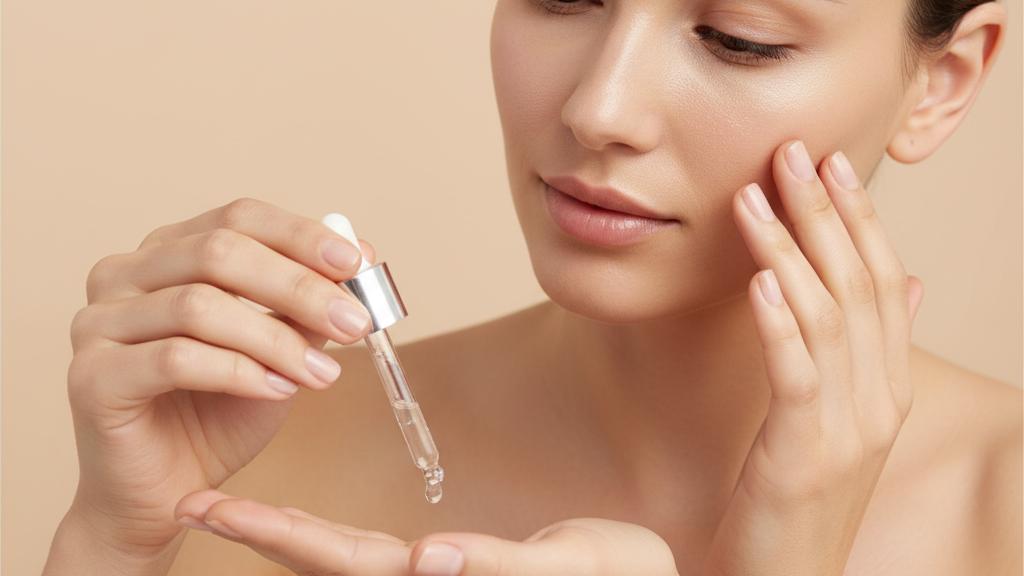
Does your skin feel a bit rough, tight, like it's pulling? Do you notice flaking or cracking, especially after showering or on cold days? Many of us experience this at some point in our lives. This is what we commonly refer to as "dry skin." While usually not a major concern, it can sometimes lead to discomfort and itching. So today, let's talk about everything related to dry skin.
What Exactly is Dry Skin?
Simply put, dry skin occurs when your skin lacks sufficient moisture (moisture). This moisture is essential for keeping the skin smooth and healthy. In medical terms, this condition is known as Xeroderma. When the condition becomes more severe, characterized by extremely dry skin, it's referred to as Xerosis.
When you have dry skin, you might feel a rough texture. In some areas, it may appear flaky or cracked. Sometimes, this can be accompanied by itching (pruritis), although not always. However, if the skin becomes extremely dry, it can split and even bleed. Therefore, paying attention to it is crucial.
What are the Main Types of Dry Skin Conditions?
Dry skin can manifest in various ways, and sometimes it can be a symptom of another underlying skin condition. Let's look at some common types:
Contact Dermatitis
This occurs when your skin comes into contact with an allergen (something you're allergic to) or an irritant (something that harms the skin). Think about it: do you get a rash, redness, dryness, or itching when wearing jewelry containing metals like nickel, using harsh soaps, detergents, or applying certain cosmetics? That's a form of contact dermatitis.
Eczema (Atopic Dermatitis)
This is a very common skin condition. It involves red, dry, itchy skin, sometimes with small bumps or blisters. In severe cases, the skin can crack and become susceptible to infections. Stress and certain allergies can worsen eczema.
Seborrheic Dermatitis
If your scalp is dry and flaky (what we commonly call 'dandruff'), or if a baby has cradle cap, this could be seborrheic dermatitis. This condition can also affect the face, chest, armpits, and groin. It's thought to be related to an overreaction to a type of yeast naturally found on the skin.
Athlete’s Foot (Tinea Pedis)
If the skin on your feet, especially the soles, becomes dry, cracked, or flaky, it might be due to a fungal infection. This isn't just simple dryness; the fungus itself causes the symptoms. If this same fungus appears elsewhere on the body, it's often called 'ringworm'.
Why Does Our Skin Become Dry? Do You Have Risk Factors?
There isn't one single cause for dry skin; many factors can contribute. Let's explore the main reasons:
- Aging: As we age, our skin produces less natural oil (sebum), leading to reduced moisture retention. The skin becomes thinner and more prone to dryness. This is a normal part of aging.
- Climate and Environment: Where you live significantly impacts your skin. People in dry climates (like Sri Lanka's dry zone) or those exposed to cold, windy weather (like some highland areas during certain times) are more likely to experience dry skin. It's particularly prevalent during winter months.
- Other Medical Conditions and Genetics: Some individuals may have a genetic predisposition to dry skin. Furthermore, conditions like diabetes, kidney disease, allergies, and eczema can manifest with dry skin as a symptom.
- Occupation: Certain jobs increase the risk. Those who frequently wash their hands (like doctors and nurses), work with chemicals (like hairdressers), or spend a lot of time outdoors (like farmers) are more susceptible to dry skin.
What are the Symptoms of Dry Skin?
You can recognize dry skin by several key signs:
- A feeling of roughness and tightness on the skin.
- Skin becoming flaky or peeling.
- Visible cracks in the skin.
- Skin appearing dull or having a powdery texture.
- Itching (pruritis).
- Changes in skin tone, appearing ashy, pale, red, or darker than usual.
In severe cases, dry skin can lead to a rash (dermatitis), which may be itchy and inflamed. It's important to note that cracked skin can allow bacteria to enter, potentially causing infections. So, while often manageable, dry skin deserves attention.
Can I Check for Dry Skin at Home?
Yes, a simple test can help you determine if your skin is dry. Gently pinch or lightly scratch a small area of skin on your arm or leg (don't dig in!). Observe if the skin retracts slowly and doesn't spring back immediately, or if fine lines appear. Another sign is if rubbing the area leaves a slightly white, powdery residue.
What Treatments Can Help Dry Skin?
The good news is that treating and managing dry skin isn't overly complicated. The primary goal is to restore moisture to the skin.
Moisturizers are Key
The most important treatment for dry skin is using a moisturizer regularly. Moisturizers help lock in moisture, smooth the skin, prevent cracking, and restore the skin's natural protective barrier. There are various types available:
- Ointments: These are thick, oil-based (like petroleum jelly) and very effective at trapping moisture.
- Creams: Thicker than lotions, creams provide a good balance of hydration and barrier protection.
- Lotions: Lighter and contain more water; suitable for less severe dryness or daytime use.
When choosing a moisturizer, consider:
- Opting for fragrance-free products, as fragrances can sometimes irritate dry skin.
- Avoiding ingredients known to be drying, such as alcohol or certain sulfates.
- Looking for ingredients that help retain moisture (humectants like glycerin, hyaluronic acid) and replenish lipids (emollients like ceramides, shea butter, mineral oil).
Apply moisturizer frequently, especially immediately after bathing while the skin is still slightly damp. It might take some trial and error to find the product that works best for you.
Medications for Severe Cases
If your skin is extremely dry, itchy, or inflamed, your doctor might prescribe a topical steroid cream to reduce inflammation and itching. In very severe cases, oral medications or injections might be considered.
Home Care Tips to Prevent Dry Skin
Prevention is just as important as treatment. Incorporating these simple habits into your routine can make a big difference:
- Bathing Habits: Use lukewarm water instead of hot water. Limit bath or shower time (5-10 minutes). Use mild, fragrance-free cleansers and avoid harsh soaps.
- After Bathing: Gently pat your skin dry with a towel, leaving it slightly damp. Immediately apply moisturizer all over.
- Moisturize Regularly: Apply moisturizer several times a day, especially after washing hands or bathing.
- Stay Hydrated: Drink plenty of water throughout the day.
- Dietary Considerations: Limit alcohol and caffeine intake, which can dehydrate the body.
- Avoid Irritants: Protect your skin from harsh chemicals, detergents, and excessive sun exposure.
- Humidify Your Environment: Use a humidifier during dry months to add moisture to the air indoors.
When Should I See a Doctor?
While most cases of dry skin can be managed at home, consult a doctor if:
- Your skin doesn't improve despite consistent home care and moisturizer use.
- The itching is severe and interferes with sleep or daily activities.
- You develop signs of infection (redness, warmth, swelling, pus).
- Large areas of your skin are peeling or cracking.
- Dry skin is accompanied by other symptoms suggesting an underlying medical condition.
Disclaimer: This article provides general information about this condition and should not replace the advice from your doctor. Always consult a healthcare professional.
Frequently Asked Questions (FAQs)
What is the best way to moisturize dry skin?
Apply moisturizer immediately after bathing while your skin is still slightly damp to lock in moisture. Choose fragrance-free, gentle products and apply them multiple times a day, especially after washing hands.
Can dry skin be caused by something other than the weather?
Yes, factors like aging, genetics, certain medical conditions (like diabetes or eczema), medications, harsh soaps, frequent handwashing, and occupational exposure can all contribute to dry skin.
When should I worry about dry skin?
You should see a doctor if your dry skin is severe, very itchy, doesn't improve with home care, shows signs of infection (redness, pus), or significantly impacts your daily life.
What ingredients should I look for in a moisturizer?
Look for moisturizers containing humectants (like glycerin, hyaluronic acid) to attract water, emollients (like ceramides, shea butter, mineral oil) to soften and smooth skin, and occlusives (like petrolatum) to create a barrier and prevent moisture loss.
How can I prevent dry skin from getting worse?
Avoid long, hot showers or baths, use mild cleansers, moisturize regularly (especially after washing), stay hydrated by drinking water, protect your skin from harsh weather and sun, and consider using a humidifier indoors.
💬 අදහස් (0)
තවමත් කිසිදු අදහසක් පළ කර නොමැත. ඔබේ අදහස පළමු වරට මෙහි එක් කරන්න.
ඔබේ අදහස එක් කරන්න