
Have you heard of this dangerous MRSA bacteria? (Methicillin-resistant Staphylococcus aureus) Let's talk in detail!

Have you heard of this dangerous MRSA bacteria? (Methicillin-resistant Staphylococcus aureus) Let's talk in detail!
You've probably heard about these "superbugs" in the newspaper, on TV, or someone else's talk, right? That means there are some bacteria that are not even affected by the usual antibiotics that we give to treat an illness, that is, they are resistant. MRSA is one such, a bit dangerous, difficult to treat bacteria. Since this can really affect a lot of people, let's learn more about MRSA today. Because, being aware of things like this is very important for you and me, for all of us.

What exactly is MRSA?

Okay, now let's see what MRSA means. The short name MRSA is derived from the long English name `Methicillin-resistant Staphylococcus aureus`. Although the name may seem a bit complicated, in simple terms it is as follows: `Staphylococcus aureus` is a type of bacteria that can normally live on our skin. However, this MRSA is a special strain of that `Staphylococcus aureus` bacteria. What is special about this is that this bacteria is resistant to many other powerful antibiotics, including the antibiotic `Methicillin`. That means that even with these drugs, it is very difficult to kill the MRSA bacteria. That is why treating it is also a challenge.

What is the difference between a normal Staph infection and an MRSA infection?

This is also a problem for many people.
  • Staph infections: These can be any infection caused by the bacteria Staphylococcus aureus . They are more common than MRSA, and can often be cured with regular antibiotics .
  • MRSA Infection: This is an infection caused by a specific type of Staph bacteria that, as mentioned earlier, is resistant to many antibiotics. This is why MRSA infections are more serious and difficult to treat.

Are there types of MRSA infections?

Yes, MRSA infections can be divided into two main types based on the environment: 1. Healthcare-acquired MRSA (HA-MRSA): This type is most commonly spread among people in healthcare settings such as hospitals and nursing homes. 2. Community-acquired MRSA (CA-MRSA): This is something that has been seen more and more since the 1980s. The specialty is that it can also develop in healthy people who have not been to any hospital or healthcare facility. Here are some types of infections that can be caused by MRSA:
  • Skin and soft tissue infections (SSTIs): This is the most common.
  • Pneumonia :An infection that affects the lungs.
  • Bone and joint infections (Osteomyelitis): Affects the bones and joints.
  • Bacterial infection of the blood ( Bacteremia ): Bacteria entering the bloodstream. This is a dangerous condition.
  • Endocarditis : Infection of the inner wall of the heart.

What are the symptoms of MRSA?

MRSA symptoms can vary depending on where you are infected. However, some common symptoms include:
  • Fever.
  • Pain at the infected site.
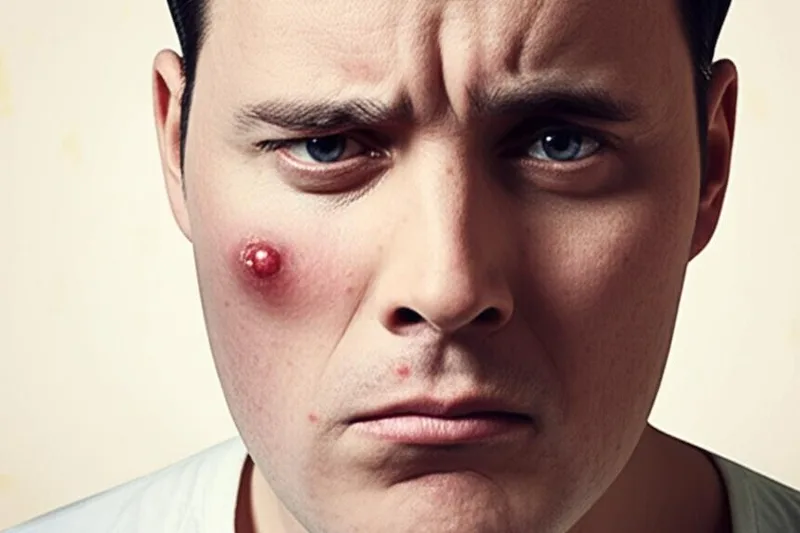
  • Redness, discoloration, swelling, pain, pus or fluid filling the skin. Sometimes this MRSA skin infection can look like a spider bite. So you need to be careful.
  • Cough.
  • Difficulty breathing.
  • Chest pain.
  • Feeling very tired (Fatigue).
  • Muscle or joint pain.
If you have one or more of these symptoms, especially if there is a skin lesion, it is wise to seek medical advice.

What causes MRSA?

There are several reasons why Staphylococcus aureus bacteria develop antibiotic resistance.
  • Sometimes this happens naturally in the environment.
  • Other times, bacteria develop defense mechanisms to escape antibiotics, much like building a shield to protect themselves from an enemy.
  • Especially in places like hospitals, frequent use of antibiotics can cause bacteria to become resistant to them.
Methicillin is an antibiotic related to penicillin. Although the name MRSA says "methicillin-resistant," MRSA strains are actually resistant to many other antibiotics. For example:
  • Other types of `Penicillin` (e.g. `Amoxicillin`, `Ampicillin`)
  • `Cephalosporins` (e.g. `Cefepime`)
  • `Carbapenems` (e.g. `Meropenem`, `Imipenem`)
In general, hospital-associated MRSA (HA-MRSA) is more resistant to a number of antibiotics than community-associated MRSA (CA-MRSA).

How is MRSA transmitted?

This is also a very important point. Some people have MRSA bacteria on their skin or in their nose, but they don't get sick. This is called colonization of the bacteria in the body.If you have MRSA colonizing your body, even if you don't have symptoms, a nasal or skin swab test will show that you have MRSA. You can also spread MRSA to others from someone who has it. There are several ways that MRSA can be spread:
  • Through direct contact with someone infected or colonized with MRSA.
  • By touching objects or surfaces contaminated with the bacteria. MRSA can sometimes live on surfaces for weeks!
  • By sharing personal items that are contaminated with bacteria. For example, bedding, clothing, medical or sports equipment, towels, razors, eating utensils, etc.
  • Through contaminated medical equipment inserted into the body (e.g. a central venous line, a breathing tube).
Yes, MRSA is a contagious disease. It can be spread through skin-to-skin contact or by touching surfaces contaminated with the bacteria. It can sometimes spread between family members or people living in the same household.

Who is at higher risk of developing MRSA?

Some people are more at risk of developing MRSA infection than others. These include:
  • People who inject illegal drugs into their bodies.
  • People who play sports that require close contact (e.g. rugby).
  • People working in a healthcare institution.
  • People living together in groups (e.g. military barracks, prisons).
  • People with certain illnesses that weaken the immune system (e.g., diabetes, kidney disease, HIV, cancer).
  • People taking immunosuppressive medications.
  • People who have a medical device inserted into their body (e.g., an artificial joint).
  • People who have spent a long time in a hospital or in a long-term care facility.

What are the possible complications of MRSA?

If doctors are unable to control an MRSA infection with antibiotics, it can lead to serious complications. Some of these include:
  • Sepsis and septic shock: This is an exaggerated response by the body to an infection. This can cause low blood pressure, tissue damage, and organ failure.
  • Respiratory distress and failure.
  • Loss of infected limbs (amputation).
Things like this are why we need to be concerned about MRSA.

How to identify MRSA?

A doctor diagnoses an MRSA infection by taking a sample of body tissue or fluid and sending it to a lab for testing. They may try to grow (culture) the bacteria from the sample. The types of samples that can be tested are:
  • Blood.
  • Tissue from a wound.
  • Urine.
  • Sputum (phlegm that comes out of the lungs with coughing)
Sometimes doctors also take a sample from the skin or nose (nasal swab) to check for MRSA colonization.

How is MRSA treated?

When treating MRSA infections, doctors focus on two main things: 1. Taking good care of any open wounds. 2. Finding an antibiotic that is effective against the strain of MRSA you have. Wounds are treated by draining the pus from the wound, and sometimes surgery is needed to remove infected tissue. Also, artificial objects (such as artificial joints) that have been inserted into the body may be removed if they become infected. Serious MRSA infections are treated in a hospital setting with intravenous (IV) antibiotics.

Antibiotics used for MRSA infections

There are several types of antibiotics that can be used for MRSA. But remember, these should only be given on the recommendation of a doctor.
  • `Vancomycin`
  • `Rifampin`
  • `Trimethoprim/sulfamethoxazole (TMP/SMX)`
  • `Ceftaroline`
  • `Linezolid`
  • `Daptomycin`
  • `Clindamycin`
  • ` Doxycycline (Doxycycline) `
  • `Delafloxacin`
MRSA is sometimes called a "superbug" because it is resistant to many antibiotics, making it difficult to treat. Sometimes doctors may decide to give more than one antibiotic at the same time to fight this bacteria.

How to protect yourself from MRSA?

Healthcare workers follow a variety of safety and disinfection practices to prevent healthcare-acquired infections like MRSA. Some of these include:
  • Wash your hands often.
  • Disinfecting surfaces.
  • Sterilization of medical equipment.
  • Screening patients and visitors to hospitals and health institutions.
  • Quarantining/isolating people infected with MRSA prevents the spread to others.
There are several steps you can take to protect yourself from community-associated MRSA (CA-MRSA):
  • If there are wounds, keep them clean and bandage them properly.
  • Do not share personal items such as towels and razors with others.
  • Do not reuse needles (even your own) used to inject illegal drugs or medications.
  • Take off a towel before sitting naked on a bench in the locker room of a gym.
  • Wash bedding, towels, and workout clothes regularly in hot water. Dry thoroughly. There's no need to bleach, and there's no need to wash items that might get dirty separately.
  • Shower immediately after exercising or activities that increase your risk of exposure to MRSA.
  • Wipe down frequently touched surfaces like electrical switches, remote controls, and sports equipment with disinfectant. Check the label to see which disinfectants kill Staph bacteria.
  • Wash your hands often with soap and warm water for at least 20 seconds. If washing your hands is not possible, use an alcohol- based hand sanitizer.
If you have a medical device, such as a catheter, that is inserted into your body, ask your doctor how long it should be kept in and how to protect yourself from infections during that time.

What to expect if you develop MRSA?

If you have a skin infection, your doctor will treat the infection by draining the wound and draining the pus. You may also be given a skin scraping or oral antibiotic. However, if you have a serious or widespread MRSA infection, you may need to stay in the hospital for treatment. Community-acquired MRSA (CA-MRSA), especially skin infections, may be easier to treat than hospital-acquired MRSA (HA-MRSA). However, about 70% of MRSA skin infections will recur even after successful treatment. This can be because other people you live with have colonized MRSA, or because MRSA bacteria can live on objects and surfaces for a long time, causing you to become infected again.

Will I be isolated from others if I develop MRSA?

If you are being treated in a hospital, you may be placed in a single room or under special restrictions to prevent the spread of MRSA to others. Medical staff may also ask visitors to wear medical gloves, gowns, or face masks.

How long is MRSA contagious?

MRSA bacteria can be transmitted as long as tests confirm that they are present in your body or on your skin. Your doctor will take a swab from your nose or skin and test for MRSA to see if you are still contagious.

Can MRSA be completely cured? What is the mortality rate?

Yes, more than half of MRSA cases are cured with antibiotics. And, most MRSA skin infections can be treated successfully. However, serious infections, such as pneumonia, endocarditis, and bacteremia, can quickly get worse before a doctor can find the right treatment. The mortality rate for MRSA varies depending on where the infection is. For example, if MRSA causes bacteremia in the blood — the most serious form — the mortality rate can be between 20% and 50%. That gives you an idea of ​​how serious this can be.

When should you see a doctor?

If you have a medical device in your body or if your immune system is weak, ask your doctor what signs of infection you should watch out for. See your doctor if you have any suspicious symptoms. Always see a doctor if you have a large wound or a wound that does not heal. Even when you are in the hospital, it is important to maintain good communication with your medical team. Tell them if you experience any signs of infection, such as pain, increased heart rate, weakness, or fever.

When do you need to go to the Emergency Treatment Unit (ETU) ?

If you have any of these serious symptoms, go to the emergency room immediately:
  • If the fever is higher than 103 degrees Fahrenheit (40 degrees Celsius).
  • If the wound is painful, smells bad, or is filled with green, yellow, or brown fluid.
  • Chest pain.
  • Difficulty breathing.
  • Sudden drop in blood pressure (symptoms: weakness, dizziness, fainting).

What questions should you ask the doctor?

When you talk to a doctor about MRSA, it's helpful to ask these questions:
  • What treatment options do I have?
  • When can I go back to work/school?
  • How can I prevent myself from spreading MRSA to others?
  • What can I do to prevent this type of infection from occurring in the future?

Finally, things to remember

You may have heard scary news about MRSA. However, healthcare workers are working hard to prevent it from spreading in hospitals and other settings, and hospital-associated MRSA (HA-MRSA) cases are decreasing in the United States and Europe. However, all types of MRSA can cause infections that can be fatal. If you have symptoms of a serious infection or a wound that won't heal, especially if you have a medical device or a weakened immune system, seek medical advice immediately. Tell your doctor about any medical conditions you have, any devices you have, or if you've recently spent a lot of time in the hospital. This information can help them diagnose the cause of your symptoms and treat any infections as quickly as possible. Awareness is the best defense against infection! MRSA, methicillin-resistant Staphylococcus aureus, bacterial infections, antibiotic resistance, skin infections, hospital infections, community-acquired infections

⚠️ Important: The medical articles and information on Nirogi Lanka are for general awareness only, and are by no means a substitute for professional medical advice, diagnosis, or treatment. For any medical problem you have, consult a qualified physician immediately.

💬 Comments (0)

No comments yet. Be the first to share your thoughts here.

Add Your Comment

Please calculate: 2 + 1 =
Have you heard of this dangerous MRSA bacteria? (Methicillin-resistant Staphylococcus aureus) Let's talk in detail!
Skin DiseasesFebruary 8, 2026

Have you heard of this dangerous MRSA bacteria? (Methicillin-resistant Staphylococcus aureus) Let's talk in detail!

You've probably heard about these "superbugs" in the newspaper, on TV, or someone else's talk, right? That means there are some bacteria that are not even affected by the usual antibiotics that we give to treat an illness, that is, they are resistant. MRSA is one such, a bit dangerous, difficult to treat bacteria. Since this can really affect a lot of people, let's learn more about MRSA today. Because, being aware of things like this is very important for you and me, for all of us.

What exactly is MRSA?

Okay, now let's see what MRSA means. The short name MRSA is derived from the long English name `Methicillin-resistant Staphylococcus aureus`. Although the name may seem a bit complicated, in simple terms it is as follows: `Staphylococcus aureus` is a type of bacteria that can normally live on our skin. However, this MRSA is a special strain of that `Staphylococcus aureus` bacteria. What is special about this is that this bacteria is resistant to many other powerful antibiotics, including the antibiotic `Methicillin`. That means that even with these drugs, it is very difficult to kill the MRSA bacteria. That is why treating it is also a challenge.

What is the difference between a normal Staph infection and an MRSA infection?

This is also a problem for many people.
  • Staph infections: These can be any infection caused by the bacteria Staphylococcus aureus . They are more common than MRSA, and can often be cured with regular antibiotics .
  • MRSA Infection: This is an infection caused by a specific type of Staph bacteria that, as mentioned earlier, is resistant to many antibiotics. This is why MRSA infections are more serious and difficult to treat.

Are there types of MRSA infections?

Yes, MRSA infections can be divided into two main types based on the environment: 1. Healthcare-acquired MRSA (HA-MRSA): This type is most commonly spread among people in healthcare settings such as hospitals and nursing homes. 2. Community-acquired MRSA (CA-MRSA): This is something that has been seen more and more since the 1980s. The specialty is that it can also develop in healthy people who have not been to any hospital or healthcare facility. Here are some types of infections that can be caused by MRSA:
  • Skin and soft tissue infections (SSTIs): This is the most common.
  • Pneumonia :An infection that affects the lungs.
  • Bone and joint infections (Osteomyelitis): Affects the bones and joints.
  • Bacterial infection of the blood ( Bacteremia ): Bacteria entering the bloodstream. This is a dangerous condition.
  • Endocarditis : Infection of the inner wall of the heart.

What are the symptoms of MRSA?

MRSA symptoms can vary depending on where you are infected. However, some common symptoms include:
  • Fever.
  • Pain at the infected site.
  • Redness, discoloration, swelling, pain, pus or fluid filling the skin. Sometimes this MRSA skin infection can look like a spider bite. So you need to be careful.
  • Cough.
  • Difficulty breathing.
  • Chest pain.
  • Feeling very tired (Fatigue).
  • Muscle or joint pain.
If you have one or more of these symptoms, especially if there is a skin lesion, it is wise to seek medical advice.

What causes MRSA?

There are several reasons why Staphylococcus aureus bacteria develop antibiotic resistance.
  • Sometimes this happens naturally in the environment.
  • Other times, bacteria develop defense mechanisms to escape antibiotics, much like building a shield to protect themselves from an enemy.
  • Especially in places like hospitals, frequent use of antibiotics can cause bacteria to become resistant to them.
Methicillin is an antibiotic related to penicillin. Although the name MRSA says "methicillin-resistant," MRSA strains are actually resistant to many other antibiotics. For example:
  • Other types of `Penicillin` (e.g. `Amoxicillin`, `Ampicillin`)
  • `Cephalosporins` (e.g. `Cefepime`)
  • `Carbapenems` (e.g. `Meropenem`, `Imipenem`)
In general, hospital-associated MRSA (HA-MRSA) is more resistant to a number of antibiotics than community-associated MRSA (CA-MRSA).

How is MRSA transmitted?

This is also a very important point. Some people have MRSA bacteria on their skin or in their nose, but they don't get sick. This is called colonization of the bacteria in the body.If you have MRSA colonizing your body, even if you don't have symptoms, a nasal or skin swab test will show that you have MRSA. You can also spread MRSA to others from someone who has it. There are several ways that MRSA can be spread:
  • Through direct contact with someone infected or colonized with MRSA.
  • By touching objects or surfaces contaminated with the bacteria. MRSA can sometimes live on surfaces for weeks!
  • By sharing personal items that are contaminated with bacteria. For example, bedding, clothing, medical or sports equipment, towels, razors, eating utensils, etc.
  • Through contaminated medical equipment inserted into the body (e.g. a central venous line, a breathing tube).
Yes, MRSA is a contagious disease. It can be spread through skin-to-skin contact or by touching surfaces contaminated with the bacteria. It can sometimes spread between family members or people living in the same household.

Who is at higher risk of developing MRSA?

Some people are more at risk of developing MRSA infection than others. These include:
  • People who inject illegal drugs into their bodies.
  • People who play sports that require close contact (e.g. rugby).
  • People working in a healthcare institution.
  • People living together in groups (e.g. military barracks, prisons).
  • People with certain illnesses that weaken the immune system (e.g., diabetes, kidney disease, HIV, cancer).
  • People taking immunosuppressive medications.
  • People who have a medical device inserted into their body (e.g., an artificial joint).
  • People who have spent a long time in a hospital or in a long-term care facility.

What are the possible complications of MRSA?

If doctors are unable to control an MRSA infection with antibiotics, it can lead to serious complications. Some of these include:
  • Sepsis and septic shock: This is an exaggerated response by the body to an infection. This can cause low blood pressure, tissue damage, and organ failure.
  • Respiratory distress and failure.
  • Loss of infected limbs (amputation).
Things like this are why we need to be concerned about MRSA.

How to identify MRSA?

A doctor diagnoses an MRSA infection by taking a sample of body tissue or fluid and sending it to a lab for testing. They may try to grow (culture) the bacteria from the sample. The types of samples that can be tested are:
  • Blood.
  • Tissue from a wound.
  • Urine.
  • Sputum (phlegm that comes out of the lungs with coughing)
Sometimes doctors also take a sample from the skin or nose (nasal swab) to check for MRSA colonization.

How is MRSA treated?

When treating MRSA infections, doctors focus on two main things: 1. Taking good care of any open wounds. 2. Finding an antibiotic that is effective against the strain of MRSA you have. Wounds are treated by draining the pus from the wound, and sometimes surgery is needed to remove infected tissue. Also, artificial objects (such as artificial joints) that have been inserted into the body may be removed if they become infected. Serious MRSA infections are treated in a hospital setting with intravenous (IV) antibiotics.

Antibiotics used for MRSA infections

There are several types of antibiotics that can be used for MRSA. But remember, these should only be given on the recommendation of a doctor.
  • `Vancomycin`
  • `Rifampin`
  • `Trimethoprim/sulfamethoxazole (TMP/SMX)`
  • `Ceftaroline`
  • `Linezolid`
  • `Daptomycin`
  • `Clindamycin`
  • ` Doxycycline (Doxycycline) `
  • `Delafloxacin`
MRSA is sometimes called a "superbug" because it is resistant to many antibiotics, making it difficult to treat. Sometimes doctors may decide to give more than one antibiotic at the same time to fight this bacteria.

How to protect yourself from MRSA?

Healthcare workers follow a variety of safety and disinfection practices to prevent healthcare-acquired infections like MRSA. Some of these include:
  • Wash your hands often.
  • Disinfecting surfaces.
  • Sterilization of medical equipment.
  • Screening patients and visitors to hospitals and health institutions.
  • Quarantining/isolating people infected with MRSA prevents the spread to others.
There are several steps you can take to protect yourself from community-associated MRSA (CA-MRSA):
  • If there are wounds, keep them clean and bandage them properly.
  • Do not share personal items such as towels and razors with others.
  • Do not reuse needles (even your own) used to inject illegal drugs or medications.
  • Take off a towel before sitting naked on a bench in the locker room of a gym.
  • Wash bedding, towels, and workout clothes regularly in hot water. Dry thoroughly. There's no need to bleach, and there's no need to wash items that might get dirty separately.
  • Shower immediately after exercising or activities that increase your risk of exposure to MRSA.
  • Wipe down frequently touched surfaces like electrical switches, remote controls, and sports equipment with disinfectant. Check the label to see which disinfectants kill Staph bacteria.
  • Wash your hands often with soap and warm water for at least 20 seconds. If washing your hands is not possible, use an alcohol- based hand sanitizer.
If you have a medical device, such as a catheter, that is inserted into your body, ask your doctor how long it should be kept in and how to protect yourself from infections during that time.

What to expect if you develop MRSA?

If you have a skin infection, your doctor will treat the infection by draining the wound and draining the pus. You may also be given a skin scraping or oral antibiotic. However, if you have a serious or widespread MRSA infection, you may need to stay in the hospital for treatment. Community-acquired MRSA (CA-MRSA), especially skin infections, may be easier to treat than hospital-acquired MRSA (HA-MRSA). However, about 70% of MRSA skin infections will recur even after successful treatment. This can be because other people you live with have colonized MRSA, or because MRSA bacteria can live on objects and surfaces for a long time, causing you to become infected again.

Will I be isolated from others if I develop MRSA?

If you are being treated in a hospital, you may be placed in a single room or under special restrictions to prevent the spread of MRSA to others. Medical staff may also ask visitors to wear medical gloves, gowns, or face masks.

How long is MRSA contagious?

MRSA bacteria can be transmitted as long as tests confirm that they are present in your body or on your skin. Your doctor will take a swab from your nose or skin and test for MRSA to see if you are still contagious.

Can MRSA be completely cured? What is the mortality rate?

Yes, more than half of MRSA cases are cured with antibiotics. And, most MRSA skin infections can be treated successfully. However, serious infections, such as pneumonia, endocarditis, and bacteremia, can quickly get worse before a doctor can find the right treatment. The mortality rate for MRSA varies depending on where the infection is. For example, if MRSA causes bacteremia in the blood — the most serious form — the mortality rate can be between 20% and 50%. That gives you an idea of ​​how serious this can be.

When should you see a doctor?

If you have a medical device in your body or if your immune system is weak, ask your doctor what signs of infection you should watch out for. See your doctor if you have any suspicious symptoms. Always see a doctor if you have a large wound or a wound that does not heal. Even when you are in the hospital, it is important to maintain good communication with your medical team. Tell them if you experience any signs of infection, such as pain, increased heart rate, weakness, or fever.

When do you need to go to the Emergency Treatment Unit (ETU) ?

If you have any of these serious symptoms, go to the emergency room immediately:
  • If the fever is higher than 103 degrees Fahrenheit (40 degrees Celsius).
  • If the wound is painful, smells bad, or is filled with green, yellow, or brown fluid.
  • Chest pain.
  • Difficulty breathing.
  • Sudden drop in blood pressure (symptoms: weakness, dizziness, fainting).

What questions should you ask the doctor?

When you talk to a doctor about MRSA, it's helpful to ask these questions:
  • What treatment options do I have?
  • When can I go back to work/school?
  • How can I prevent myself from spreading MRSA to others?
  • What can I do to prevent this type of infection from occurring in the future?

Finally, things to remember

You may have heard scary news about MRSA. However, healthcare workers are working hard to prevent it from spreading in hospitals and other settings, and hospital-associated MRSA (HA-MRSA) cases are decreasing in the United States and Europe. However, all types of MRSA can cause infections that can be fatal. If you have symptoms of a serious infection or a wound that won't heal, especially if you have a medical device or a weakened immune system, seek medical advice immediately. Tell your doctor about any medical conditions you have, any devices you have, or if you've recently spent a lot of time in the hospital. This information can help them diagnose the cause of your symptoms and treat any infections as quickly as possible. Awareness is the best defense against infection! MRSA, methicillin-resistant Staphylococcus aureus, bacterial infections, antibiotic resistance, skin infections, hospital infections, community-acquired infections
⚠️ Important: The medical articles and information on Nirogi Lanka are for general awareness only, and are by no means a substitute for professional medical advice, diagnosis, or treatment. For any medical problem you have, consult a qualified physician immediately.

💬 Comments (0)

No comments yet. Be the first to share your thoughts here.

Add Your Comment

Please calculate: 2 + 1 =