
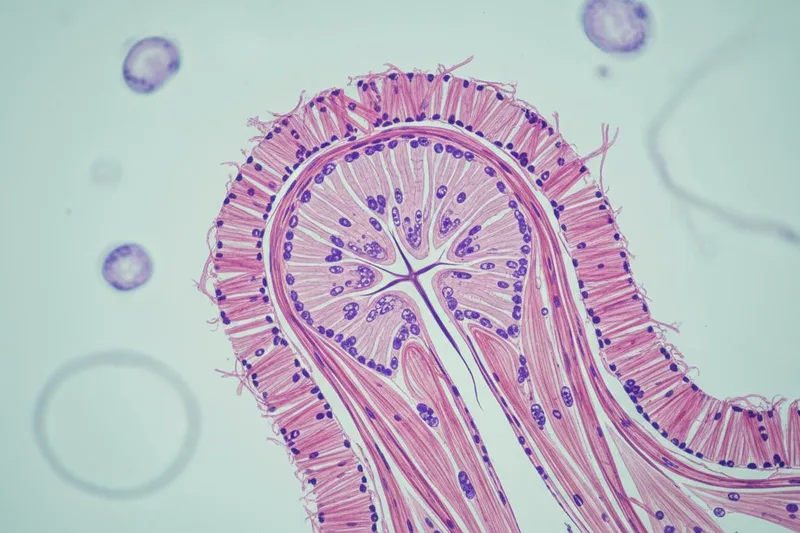
Have you ever wondered how many important parts of our bodies do silent work? The same is true of the part of the male urinary system called `( Membranous Urethra )`. Although the name is a bit scientific, its importance is not insignificant. So today, let's talk about what this `( Membranous Urethra)` is, what happens to it, the problems that can come with it and how to protect yourself from them. Let's understand all this simply, just like talking to a friend.
What is the urethra? Where is the part of it called the membranous urethra?
Simply put, the urethra is a tube that carries urine from our bladder to the outside of the body. There are slight differences in the urethra between men and women.
The urethra in women is slightly shorter. It is located slightly above the vagina and below the clitoris. However, the urethra in men is much longer. This is because the urethra in men is used not only to carry urine, but also to carry semen.
The `(Membranous Urethra)` that we are talking about now is the middle part of the three parts of the male urethra. This is the narrowest and somewhat tightest part of the urethra. Although the entire male urethra is about 8 inches long, this part called `(Membranous Urethra)` is only half an inch, or about 1.25 centimeters, long. Very small, right? But it's a big deal!
Do you know where this is located? It starts just below our prostate gland – the gland that helps make sperm – and runs through the pelvic floor, ending just above the tip of the penis. Then the other part of the urethra, which runs along the penis, begins. It's shaped like the first small bend in an "S" turned sideways.
What is the function of this `(Membranous Urethra)`? Why is it important?
"Okay, now what's going on with this little part?" you might be wondering. Its main function is to control the flow of urine. I mentioned earlier that this is the narrowest and tightest part of the urinary tract. That's why it helps us control the flow of urine, that is, to hold in the weight of urine.
This `(Membranous Urethra)` is surrounded by a ring-shaped muscle `(Sphincter muscle). Think of it like a water tap. When we want to hold in our urine, this muscle tightens, closing the urethra. When we want to urinate, this muscle relaxes, opening the urethra. So, this `(Sphincter)` is like a gate that controls the flow of urine.If this doesn't work properly, we can develop conditions like urinary incontinence, where we lose some urine without control.
What is the `(Membranous Urethra)` made of?
Even though this is a small piece of reed, it's made up of several layers. Like a little protective covering.
- Outermost layer: This is made up of thick, elastic muscle fibers. These are what help the Membranous Urethra to contract and stay tight.
- Middle layer: This is the submucosal tissue. It contains blood vessels, lymph vessels, and a few small glands. These provide this part with nutrients and other things it needs.
- The innermost layer: This is the epithelial tissue. It is like a protective lining. It is this layer that protects the urinary tract from urine, sperm , and harmful toxins.
Look, even though it's small, it's so intricately made!
What diseases can affect the `(Membranous Urethra)`?
Okay, now let's see what kind of health problems this important part can cause. Although we sometimes don't talk about these things much, it's very important to be aware of them.
- ### Urethral Cancer `(Urethral Cancer)`
This is a relatively rare type of cancer. But it is more common in men than in women. Most of the time, this cancer starts in the epithelial cells that line the inside of the urinary tract. If detected early, it can be treated.
- ### Urethral Strictures
This means that the urethra becomes narrowed or completely blocked. Think of it like a water pipe getting stuck in the middle. There can be many reasons for this. It could be due to an injury, surgery, infection, or swelling. When this type of blockage occurs in the membranous urethra, it is called a posterior stricture. This condition is also common among men.
- ### Urethritis `( Nongonococcal Urethritis )`
Urethritis is a condition in which the urethra becomes swollen, red, and painful (inflammation). It can be caused by a viral or bacterial infection. However, it is most often caused by sexually transmitted infections (STIs) . This is also common in men.
- ### Urinary Tract Infections (UTIs)
Many people have heard of this. A `UTI` is an infection that occurs in any part of the urinary system – that is, the `Kidneys`, `Bladder`, `Ureters` or `Urethra`. Although `UTI` is more common in women, men can also get it. In that case, the `Membranous Urethra` can also be affected.
What are the symptoms of this type of disease?
"Okay, how do I know if I have this?" you may ask. Sometimes there may be no symptoms at all. However, if you have any of the symptoms below, you should definitely see a doctor.
- Do you have abdominal pain?
- Is there blood in the urine (Hematuria)? Or is there blood in the semen (Hematospermia)?
- Do you feel a burning or stinging sensation when you urinate?
- Is it difficult to urinate ? Does it feel like it's stuck?
- Is there a different color of urine coming out of your vagina, for example, yellow, green, or a murky liquid?
- Do you experience pain while urinating (Dysuria)?
- Is the penis swollen and painful?
- Do you lose some urine without control and without even realizing it (Urinary incontinence)?
Important: If you have any of these symptoms, don't be embarrassed or afraid, but see a doctor right away. Because if you start treatment early, you can prevent major problems from developing.
How do we keep our urinary tract, especially the ``Membranous Urethra'', healthy?
Okay, now let's see how to take care of this important organ and keep it healthy. These are very simple things, but very valuable.
- Avoid excessive consumption of alcohol and caffeine (such as coffee and tea). These can stimulate the bladder and cause the need to urinate frequently.
- It is very good to do pelvic floor exercises (Kegel exercises). These strengthen the muscles in the pelvic floor. They help with urinary control. You can ask your doctor how to do these exercises.
- If you smoke, quit completely. Smoking causes many health problems, including an increased risk of bladder cancer.
- Drink plenty of water (at least 2-3 liters) a day. This will help cleanse the urinary system and reduce the risk of infections.
- Eat more fiber-rich foods – that is, legumes, vegetables, fruits, and whole grains. This will reduce the risk of constipation. Constipation can also put unnecessary strain on the urinary system.
- Empty your bladder completely when you urinate. If urine remains, there is a greater chance of infection.
- Practice safe sex practices. Using condoms can protect you from sexually transmitted infections.
- Maintain a healthy body weight and exercise daily. This is good for overall health.
- Urinate after sex. This can help flush out bacteria that may be trying to enter the urinary tract.
- Don't hold back when you feel the urge to urinate. Urinate when you need to.
- Wear cotton underwear and loose, non-tight clothing. This helps keep the urinary tract area dry and clean, reducing the risk of infection.
What are the important questions to ask the doctor?
If you have any problems, symptoms, or want to know more about this, you can see a doctor and ask questions like these:
- "Doctor, what special things can I do to prevent urinary tract infections like this?"
- "Is it normal to have urinary problems like this as you get older?"
- "What is the real cause of this urinary system problem I have?"
- "Is it possible that I will develop incontinence in the future?"
Don't be afraid to ask these questions. You have every right to know about your health.
Take-Home Message
So, the ``Membranous Urethra'' that we talked about today is a very important and sensitive part of the male urinary tract. It carries urine and semen out of the body, and also helps a lot in controlling urination.
This area can be affected by various conditions such as infections, blockages, swelling, and cancer. Therefore, if you experience any unusual symptoms such as pain, burning, bleeding, or urinary retention while urinating, it is wise to seek medical advice immediately rather than ignoring it.
You can keep your entire urinary system, including the Membranous Urethra, healthy by following a healthy lifestyle, especially drinking plenty of water, staying clean, and practicing safe sex. Take care of your body, because health is the most valuable thing!
👩🏽⚕️ Additional questions (FAQs)
💬 What exactly is the 'Membranous Urethra' in the male urinary tract?
The male urethra is very long. It is the shortest (about half an inch) and narrowest part of the urethra, which starts at the bladder and goes down the penis, just past the prostate gland.
💬 Is this part what helps us hold urine?
That's right! There's a big rubber band-like muscle (External Sphincter) around this half-inch of the urethra. When we want to hold in our urine, we tighten that rubber band and squeeze this urethral tube like a milkman squeezing a milk pipe.
💬 If the groin is hit by a road, can this part of the urinary tract be damaged?
Yes! This part of the Membranous Urethra is not in a safe hanging position. Therefore, if you fall on a bicycle pole or get a severe kick, this urethral tube can tear right there (Urethral rupture). If that happens, there is a risk of not being able to urinate and the entire abdomen will be filled with blood.
` Urinary Tract, Membranous Urethra, Men's Health, Urinary Tract Infections, Urinary Problems, Sexual Health, Urinary System


💬 Comments (0)
No comments yet. Be the first to share your thoughts here.
Add Your Comment