
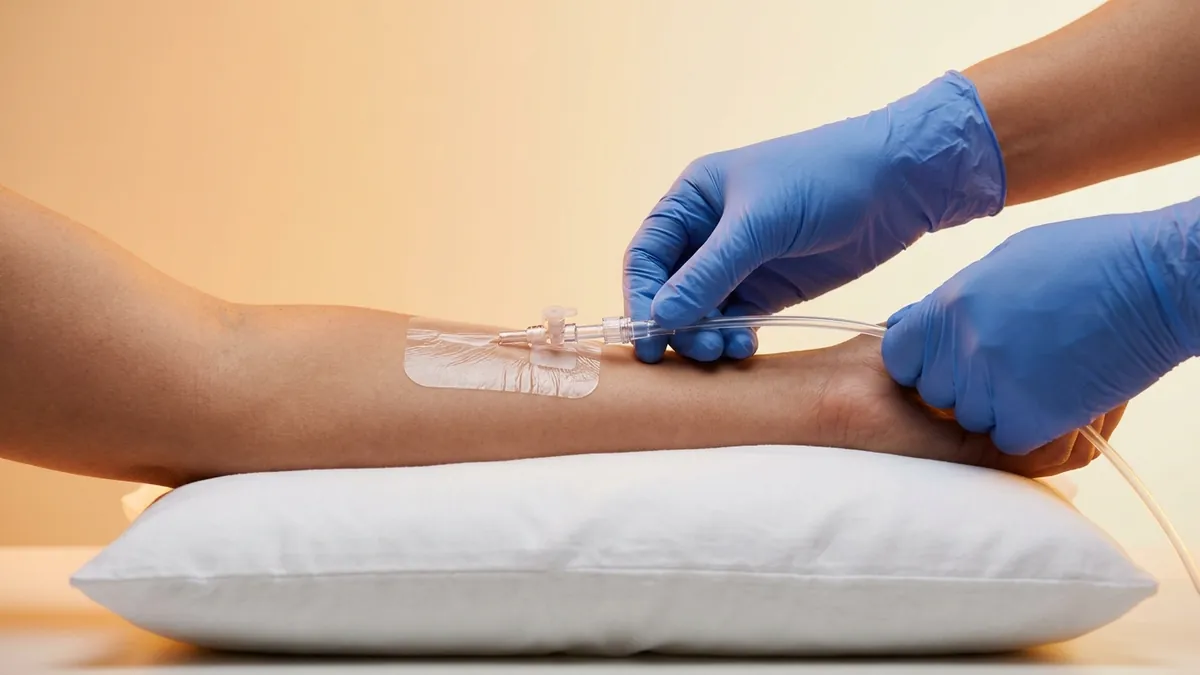
Searching for clear answers on a B12 injection subcutaneous—its clinical meaning, causes of deficiency, normal ranges, and next steps—is much more common than you might think. When your digestive tract cannot absorb enough vitamin B12 from food or standard oral tablets, we doctors frequently prescribe an under-the-skin vitamin B12 shot (subcutaneous cobalamin injection). Instead of using a long needle aimed deep into muscle, this gentle method uses a short, ultra-thin needle to place vitamin B12 right into the cushiony layer of fat beneath your skin.
Have you ever wondered why someone eating plenty of healthy meals can still run dangerously low on vitamin B12? Think about it for a second: absorbing vitamin B12 through your gut is actually one of the most complicated relay races in the human body. If even one step in your stomach or small intestine breaks down, oral supplements struggle to get through, leaving your nerves, brain, and red blood cells starved for fuel.
Whether your Primary Care Physician (PCP) or family GP clinic just handed you a prescription for home self-injection, or you are weighing your options between under-the-skin and muscle shots, we doctors want you to feel completely confident. Let us walk through how this medication works, what your lab numbers actually mean, and how to handle your treatment safely at home.
📌 Key Takeaways at a Glance
- Gentle, effective absorption: A vitamin B12 subcutaneous injection delivers medicine into the fatty layer under your skin, matching muscle shots in restoring blood levels while causing far less soreness.
- Bypasses gut roadblocks: Injections go straight into tiny blood vessels, bypassing stomach acid issues, bariatric surgery changes, and autoimmune stomach conditions.
- Know your lab cutoffs: Normal blood B12 generally sits between 200 and 900 pg/mL (148 to 664 pmol/L), though values between 200 and 300 pg/mL often need a confirmatory methylmalonic acid blood test.
- Country-specific forms: Clinics in the United States and Canada primarily prescribe cyanocobalamin, whereas GPs in the United Kingdom and Australia typically prescribe longer-acting hydroxocobalamin.
- Safe for blood-thinner users: Because the short needle stays out of deep muscle tissue, subcutaneous dosing significantly lowers the risk of deep bruising or muscle bleeding.
What Is a B12 Injection Subcutaneous, and What Is Its Clinical Meaning?
A subcutaneous vitamin B12 injection is a medical shot delivered into the fatty layer just beneath your skin rather than deep into muscle. It bypasses digestive absorption problems, allowing prescription vitamin B12 (cyanocobalamin or hydroxocobalamin) to enter your bloodstream steadily to repair nerves, make DNA, and build red blood cells.
Look at what happens inside your body once that ruby-red liquid sits in your subcutaneous fat layer (hypodermis). Tiny capillary blood vessels gradually pick up the vitamin B12 molecules and bind them to carrier proteins called transcobalamins. From there, the vitamin travels straight to your bone marrow and nervous system—completely skipping your stomach and small intestine. Pretty neat shortcut, right?
Inside your cells, vitamin B12 acts as a vital spark plug for two critical jobs. First, it maintains the protective insulation around your nerves (myelin sheath), preventing numbness, balance trouble, and memory fog. Second, it helps bone marrow produce normal-sized, oxygen-carrying red blood cells, preventing enlarged-cell low blood counts (megaloblastic anemia). Depending on where you live, your prescription vial will look slightly different: in the US and Canada, doctors usually prescribe synthetic vitamin B12 (cyanocobalamin), whereas in the UK and Australia, family GPs rely primarily on natural depot vitamin B12 (hydroxocobalamin), which stays in your tissues longer between doses.
What Causes Low Vitamin B12 Levels That Require Subcutaneous Injections?
When we doctors see a low vitamin B12 lab result, we never stop at just refilling a prescription—we always ask why your tank ran empty in the first place. Normally, stomach acid separates B12 from animal proteins in your food, and a specialized stomach protein called intrinsic factor escorts it to the end of your small intestine (terminal ileum) for absorption. We rarely stop to think about how fragile that chain is, do we?
The classic reason for lifelong subcutaneous injections is an autoimmune stomach lining condition (pernicious anemia), where your immune system blocks intrinsic factor altogether. Digestive conditions like celiac disease, Crohn's disease, or past weight-loss procedures such as gastric sleeve or Roux-en-Y gastric bypass also remove or bypass the exact stomach and intestinal cells needed to absorb B12.
Everyday medications play a huge role too. Taking metformin for type 2 diabetes or using acid-suppressing drugs—such as proton pump inhibitors (omeprazole, pantoprazole) or H2 blockers—for more than a year steadily reduces B12 uptake. Strict vegan or plant-based eaters can also develop deficiency if fortified foods fall short, though oral tablets often work for dietary causes once severe deficiency is corrected. Before blaming every symptom on B12, your PCP or GP will also rule out look-alike conditions like underactive thyroid (hypothyroidism), iron deficiency, or folic acid deficiency (folate deficiency), since giving folate alone without fixing B12 can mask blood changes while nerve damage quietly worsens.
What Are Normal Vitamin B12 Ranges, Lab Cutoffs, and Standard Dosing Schedules?
Understanding your lab numbers helps you see why your doctor chose injections over over-the-counter pills. Depending on your country, labs report serum vitamin B12 in picograms per milliliter (pg/mL, standard in the US) or picomoles per liter (pmol/L, standard in the UK, Canada, and Australia). Here is how we doctors interpret those cutoffs:
- Healthy Normal Range: Above 300 pg/mL (above 221 pmol/L). At this level, true cellular B12 deficiency is unlikely.
- Borderline / Gray-Zone Range: 200 to 300 pg/mL (148 to 221 pmol/L). Be honest, have you ever been told your labs were "technically normal" even though you felt exhausted? In this gray zone, we order a methylmalonic acid blood test (serum MMA assay) and plasma homocysteine. If MMA is elevated, your cells are starving for B12 regardless of the borderline reading.
- Frank Clinical Deficiency: Below 200 pg/mL (below 148 pmol/L), which requires prompt medical replacement, alongside a red blood cell count test (complete blood count / full blood count).
Dosing for a subcutaneous injection vitamin B12 plan follows two clear phases. During the loading phase, we refill depleted liver stores quickly: with cyanocobalamin (US/Canada), typical dosing is 1,000 micrograms (mcg) daily or every other day for 1 to 2 weeks, followed by 1,000 mcg weekly for 4 weeks. With hydroxocobalamin (UK/Australia), loading is commonly 1,000 mcg every other day for 2 weeks. During the maintenance phase, cyanocobalamin is usually injected at 1,000 mcg once every month, whereas hydroxocobalamin is maintained every 2 to 3 months.
Vitamin B12 Injection Subcutaneous or Intramuscular: Which Route Works Better?
Patients ask us this question almost every single week: when choosing a vitamin B12 injection subcutaneous or intramuscular route, does one work better than the other? Clinical pharmacokinetics studies show that subcutaneous B12 injections achieve equivalent long-term blood and tissue B12 restoration compared to deep muscle injections (intramuscular injections), while offering dramatically higher comfort for home self-care.
Think about the anatomy for a moment. An intramuscular shot uses a 1-inch to 1.5-inch needle driven at a 90-degree angle deep into your upper arm (deltoid) or outer thigh muscle. A subcutaneous injection B12 dose uses a tiny, hair-thin needle—typically 25- to 30-gauge and just 4 mm to 12.7 mm (half an inch) long, very similar to an insulin pen needle. You gently pinch an inch of soft fatty tissue on your lower abdomen (at least two inches away from your belly button), the front-outer thigh, or the back of your upper arm. Now that sounds a whole lot easier to manage at home, doesn't it?
Remember how we talked about blood thinners in our key takeaways? If you take anticoagulants like apixaban, rivaroxaban, or warfarin—or have low platelets—deep muscle injections carry a risk of painful muscle hematomas. Subcutaneous dosing eliminates that deep muscle bleeding hazard. Just check your prescription vial label carefully: while cyanocobalamin is universally licensed for both subcutaneous and intramuscular use, certain hydroxocobalamin brands specify intramuscular injection on the package insert unless your prescriber explicitly directs off-label subcutaneous administration.
How Do Clinical Options, Lab Findings, and Injection Reactions Compare?
To help you compare routes, drug formulations, lab stages, and side effects side by side, we put together this quick reference guide you can check anytime on your phone.
| Factor, Option, or Clinical Finding | Clinical Explanation & Recommended Action |
|---|---|
| Subcutaneous vs. Intramuscular Route | Subcutaneous shots use a short, fine needle into under-the-skin fat with minimal pain and lower bruising risk; intramuscular shots go deep into muscle for slightly faster peak blood spikes but equal long-term efficacy. What you should do: Ask your PCP or GP clinic if subcutaneous self-injection suits your prescription vial, especially if you dislike deep needles or take blood thinners. |
| Cyanocobalamin vs. Hydroxocobalamin | Cyanocobalamin (common in US/Canada) clears slightly faster and usually needs monthly maintenance; hydroxocobalamin (standard in UK/Australia) binds tightly to blood proteins, allowing maintenance every 2 to 3 months. What you should do: Follow the exact spacing schedule written for your specific formulation, and let your doctor know if you have rare inherited optic nerve conditions (Leber's disease), where cyanocobalamin is avoided. |
| Borderline Serum B12 (200–300 pg/mL) | Standard blood tests measure total circulating B12 rather than active B12 inside your cells, meaning early nerve symptoms can appear before levels drop below 200 pg/mL (148 pmol/L). What you should do: Request confirmatory serum methylmalonic acid (MMA) and homocysteine blood tests through your family doctor before ruling out deficiency. |
| Mild Pinkness or Harmless Pink Urine | Because vitamin B12 is naturally bright red, excess unbound vitamin filtered by your kidneys can tint urine pinkish-orange for 24 hours, and a coin-sized pink spot at the injection site is common. What you should do: Stay well hydrated with water, avoid rubbing the injection site afterward, and rotate between your left and right abdomen or thighs with each dose. |
| Early Treatment Muscle Cramps or Palpitations | When severely anemic patients suddenly build millions of new red blood cells during week one of loading doses, bone marrow pulls potassium out of the bloodstream, risking low potassium levels (hypokalemia). What you should do: Contact your GP or local Urgent Care center promptly for a basic electrolyte check if you develop sudden leg cramps, irregular heartbeats, or marked muscle weakness. |
How Do You Prepare for Safe At-Home Care, Diet Support, and Follow-Up Next Steps?
Getting comfortable with home care comes down to clean habits and smart storage. Vitamin B12 degrades rapidly when exposed to bright sunlight or bathroom fluorescent lights—see why pharmacies dispense it in dark amber vials or cardboard cartons? Always store your vials at controlled room temperature (around 68°F to 77°F, or 20°C to 25°C) inside their protective box, never in the freezer.
Before injecting, wash your hands thoroughly with warm soap and water, wipe the rubber vial stopper and your skin site with a sterile alcohol swab, and let the skin air-dry for 10 full seconds. Have you ever felt a sharp sting right as a needle touched your skin? Nine times out of ten, that sting comes from wet rubbing alcohol rather than the needle itself! Once finished, drop the used needle and syringe straight into an approved hard-plastic sharps disposal bin from your local pharmacy—never toss loose needles into household trash.
If your deficiency came from dietary gaps or mild medication effects rather than pernicious anemia, pair your treatment with B12-rich everyday foods like Atlantic salmon, scrambled eggs, plain Greek yogurt, lean roast beef, fortified morning cereals, nutritional yeast, or B12-fortified oat and soy milk. Schedule a follow-up visit with your PCP or GP about 8 to 12 weeks after starting therapy to recheck your complete blood count, potassium, iron stores (ferritin), and symptom recovery.
✔️ What You Should Do & ❌ What to Avoid
- ✔️ Do ask for hands-on nurse training: Have your family GP clinic nurse or pharmacist supervise your very first subcutaneous injection so your pinch technique and needle angle feel effortless.
- ✔️ Do rotate injection spots systematically: Alternate between the left side of your lower tummy, the right side, and your outer thighs to keep your subcutaneous tissue healthy and lump-free.
- ✔️ Do protect vials from heat and light: Keep B12 vials tucked inside their outer carton in a cool bedroom drawer rather than a steamy bathroom cabinet.
- ❌ Don't stop lifelong shots without medical advice: Once blood tests normalize after injections, stopping therapy when you have pernicious anemia or gastric bypass will cause nerve damage to return silently.
- ❌ Don't inject near scars, moles, or your belly button: Stay at least 2 inches (5 cm) clear of your navel, waistband friction lines, bruises, or hardened skin.
- ❌ Don't recap or reuse needles: Reusing fine subcutaneous needles dulls the microscopic tip, damages tissue, and introduces skin bacteria under the surface.
🚨 When to Seek Immediate Emergency Care (Red-Flag Symptoms)
If you or someone near you develops any of these red-flag symptoms, do not wait — call 911 (or 999 in the UK / 000 in Australia) immediately or go straight to the nearest hospital Emergency Room (ER / A&E):
- Signs of a severe allergic reaction (anaphylaxis): Sudden swelling of your lips, tongue, face, or throat, widespread hives, wheezing, or trouble breathing shortly after a cyanocobalamin or hydroxocobalamin dose.
- Heart rhythm warning signs: Chest pain, racing or fluttering heartbeats (palpitations), severe lightheadedness, or fainting, especially during the first two weeks of intensive loading injections.
- Rapidly worsening neurological deficits: Sudden trouble walking, new leg weakness, loss of bladder or bowel control, or acute confusion.
- Spreading skin infection (cellulitis or abscess): Rapidly expanding hot, red swelling at the injection site accompanied by pus, red streaks, chills, or a high fever—for urgent non-life-threatening assessment in the UK, you can also call NHS 111 or visit a local Urgent Care center.
💡 Key Take-Home Message
- A subcutaneous B12 shot places active vitamin B12 comfortably into under-the-skin fat, reliably correcting deficiency when your gut cannot absorb oral pills.
- Fatigue and mood often brighten within the first few weeks, while tingling nerves take 3 to 6 months of steady maintenance to heal because myelin repairs slowly.
- Always match your needle length, vial type, and follow-up blood schedule to the personalized plan set by your family GP or Primary Care Physician.

No comments yet. Be the first to share your question or experience below.