
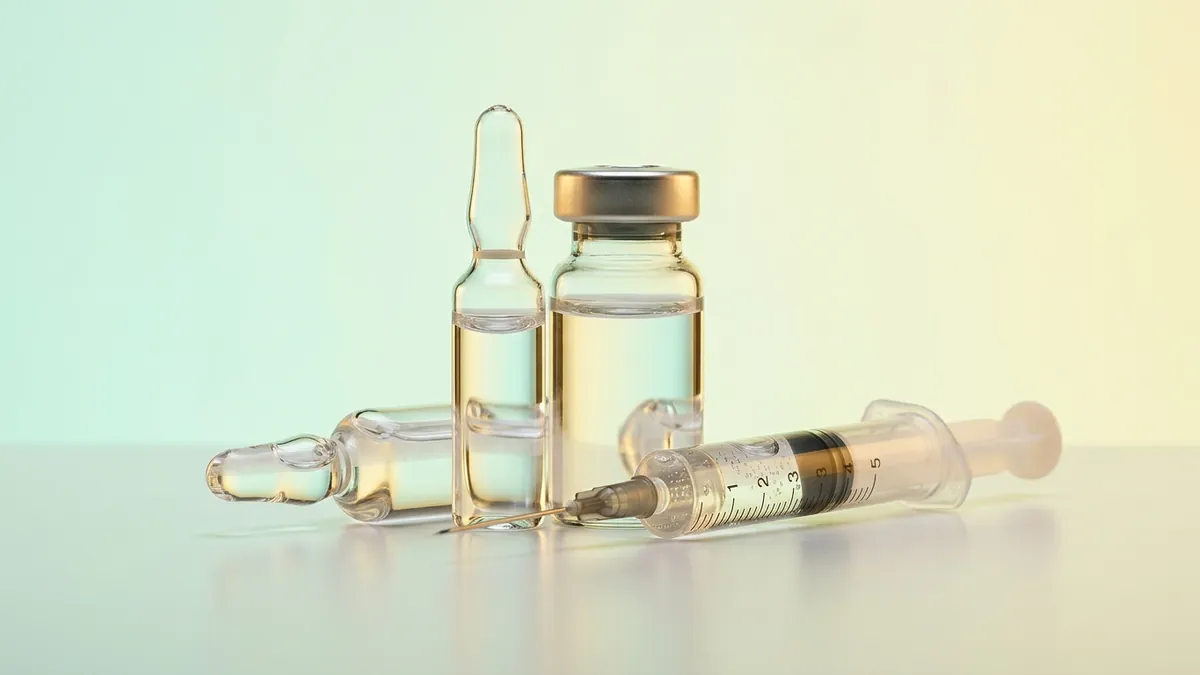
Learning everything about an abdominal subcutaneous injection: clinical meaning, causes, normal ranges & next steps takes the mystery and anxiety right out of giving medicine at home. Be honest—the first time a pharmacist or nurse hands you a box of syringes or prefilled pens and tells you to inject into your own tummy, your stomach does a little flip, doesn't it? We doctors talk patients through that exact moment every day at your Primary Care Physician (PCP) or family GP clinic, and here is the truth: once you understand how gentle this technique actually is, almost everyone says it was far easier than they imagined.
Unlike deep hospital shots or intravenous drips, a shot into the soft fat layer just under the skin (subcutaneous injection) uses a hair-thin, ultra-short needle designed specifically for comfort and steady absorption. Whether you are starting daily insulin, a weekly weight or blood-sugar pen, fertility hormones, or temporary blood thinners after surgery, your abdomen offers one of the safest, easiest-to-reach cushions on your entire body.
Think about it for a second—when you can see both hands clearly and reach your injection spot without twisting your shoulder, you stay relaxed and in complete control. Let us walk together through how this tissue layer works, the exact spacing measurements and needle depths you need to follow, and the practical steps that keep your skin healthy and lump-free.
📌 Key Takeaways at a Glance
- Gentle fat-layer delivery: An abdominal subcutaneous injection places medication into the soft fatty layer just beneath your skin rather than deep muscle, allowing smooth, predictable absorption.
- Follow the two-inch belly-button rule: Always inject at least 2 inches (5 cm) away from your navel and stay clear of scars, moles, bruises, stretch marks, or your waistband line.
- Short, ultra-fine needles: Standard adult subcutaneous needles measure just 4 mm to 8 mm long (28 to 32 gauge), entering at a 90-degree angle—or 45 degrees if you are very lean.
- Rotate every single dose: Space each new injection at least 1 inch (2.5 cm) from your last spot to prevent rubbery fatty lumps (lipohypertrophy) that block medicine absorption.
- Never rub after injecting: Press gently with clean gauze if needed, especially with blood thinners, because rubbing triggers bruising and speeds up drug absorption unpredictably.
What Is an Abdominal Subcutaneous Injection, and How Does It Work in Your Body?
An abdominal subcutaneous injection is a medical technique that delivers liquid medication directly into the fatty cushion just beneath your belly skin, above the deeper abdominal muscle. Because this fat layer has fewer large blood vessels, your body absorbs medicine slowly, steadily, and predictably over several hours or days.
Have you ever wondered why some medicines cannot simply be swallowed as a tablet with your morning coffee or water? Stomach acid and digestive enzymes break down delicate protein-based drugs—like insulin, biologic therapies, and certain hormone treatments—before they ever reach your bloodstream. Injecting straight under the skin bypasses digestion completely so the full dose goes to work safely.
Look at how your skin is stacked in three distinct layers. On top sits the outer skin barrier (epidermis and dermis), where allergy skin tests or tuberculosis checks are placed—we call those shallow skin-layer shots (intradermal injections). Deep at the bottom lies rich, vascular muscle, where vaccines or emergency antibiotics go via a deep muscle shot (intramuscular injection) for rapid uptake. Right in the middle sits the fatty tissue cushion (subcutaneous adipose tissue or hypodermis), fed by tiny microscopic blood vessels (capillaries) and lymphatic channels.
Why do we doctors favor the abdomen over the back of the arm or thigh for so many home treatments? Your belly typically holds an even, accessible pad of subcutaneous fat with consistently reliable blood flow that does not speed up wildly when you walk the dog or climb stairs. Pretty clever design on your body's part, right?
Why Do Doctors Prescribe Abdominal Subcutaneous Injections?
We doctors prescribe abdominal subcutaneous injections whenever a medication requires steady, slow-release absorption into the bloodstream without being destroyed by stomach acid or peaking too fast inside muscle tissue. From blood-sugar control to post-surgical clot prevention, dozens of everyday home medications rely on this exact route.
When you pick up a prescription from your local pharmacy, the reason behind choosing the belly route comes down to matching the drug's chemistry with your daily safety. Here are the most common medical causes and drug classes given this way:
- Insulin and metabolic pens: Both rapid-acting mealtime insulin and once-weekly hormone-mimicking pens (GLP-1 receptor agonists such as semaglutide or tirzepatide) absorb most predictably from abdominal fat, keeping blood glucose steady without sharp dips.
- Injectable blood thinners (anticoagulants): After hip or knee replacement, abdominal surgery, or during high-risk pregnancy care, medications like enoxaparin or dalteparin (low-molecular-weight heparins) are injected strictly into the left or right "love handle" area of the abdomen to prevent dangerous blood clots (deep vein thrombosis).
- Autoimmune biologics: Modern targeted treatments for rheumatoid arthritis, psoriasis, Crohn's disease, or severe asthma come in convenient click-pens designed for your stomach or thigh every few weeks.
- Fertility and hormone therapies: Ovulation-stimulating medications during IVF cycles and certain growth or parathyroid hormone injections rely on tummy fat for gentle daily hormone curves.
We rarely stop to think about how many hospital admissions these simple home pens prevent, do we? Giving a ten-second dose in your own living room saves you countless trips to an outpatient infusion clinic.
What Are the Normal Ranges for Needle Size, Injection Angle, and Safe Belly Landmarks?
Standard clinical ranges for an adult abdominal subcutaneous injection include a needle length of 4 mm to 8 mm, a thin needle thickness of 28 to 32 gauge, a 1.5 mL maximum fluid volume, and a strict 2-inch (5 cm) clear buffer zone around your navel. Staying inside these numbers ensures the medicine lands cleanly in fat rather than painful muscle.
Patients often ask what "normal ranges" mean for a procedure rather than a blood test. In clinical practice, safe injection cutoffs come down to four exact measurements that protect your tissues every single time:
- Safe abdominal zone boundaries: Imagine a wide horizontal band across your tummy—below your lowest ribs, above your hip bones and pubic hairline, at least 1 inch inward from your side flanks, and strictly outside a 2-inch (5 cm) circle around your belly button. Why avoid the navel? Tissue right around your umbilicus contains dense fibrous fascia and scar cords where needles sting and medicine absorbs poorly.
- Needle length and gauge cutoffs: Pen needles typically measure 4 mm to 6 mm, while standard syringes use 6 mm to 8 mm (about quarter-inch to five-sixteenth-inch) needles. Higher gauge numbers mean thinner needles—so a 31-gauge or 32-gauge needle is barely thicker than an eyelash!
- Insertion angle (90 degrees vs. 45 degrees): With short 4 mm to 5 mm needles, most adults go straight in at a 90-degree angle without even pinching skin. If you use an 8 mm needle, or if you are slender or injecting a child, gently pinch a fold of fat and insert at a 45-degree angle so you never hit abdominal muscle.
- Dose volume limit: A single subcutaneous site comfortably holds 0.5 mL to 1.5 mL of liquid (rarely up to 2.0 mL). Larger volumes stretch skin nerves and leak back out, so bigger doses are usually split into two separate spots.
Now those numbers feel straightforward and practical to use at home, right?
How Do You Give Yourself an Abdominal Subcutaneous Injection Step by Step?
To give a safe abdominal subcutaneous injection, wash your hands, swab a clean spot at least 2 inches from your navel with alcohol, let it air-dry completely, insert the needle smoothly at 90 or 45 degrees, press the plunger slowly, count to 10 before withdrawing, and drop the needle straight into a sharps bin.
Before you begin, here is a small comfort trick we doctors love sharing: if your medication is stored in the fridge, take your single dose or pen out for 15 to 30 minutes while you make breakfast or sip a glass of water so it reaches room temperature. Cold liquid stings much more than room-temperature medicine! Always check the label, expiration date, and clarity window—unless you use cloudy NPH insulin, the liquid should look clear and particle-free.
- Wash and prep: Wash your hands thoroughly with soap and warm water for 20 seconds. Gather your pen or syringe, an alcohol wipe, clean gauze, and your rigid sharps container.
- Clean and wait: Wipe your chosen tummy spot in an outward spiral with a 70% isopropyl alcohol swab. Wait 10 to 15 seconds until it dries completely—never blow on it, and don't inject through wet alcohol unless you enjoy an unnecessary sting!
- Pinch (if needed) and insert: If advised to pinch, lift a soft fold of skin gently between your thumb and index finger without squeezing tightly. Dart the needle smoothly through the skin at your recommended 90-degree or 45-degree angle in one confident motion.
- Inject and hold: Depress the plunger or pen button steadily. Keep the needle in place while counting slowly to 10 (especially with dial-a-dose pens) so every last drop settles into the fat layer before you pull straight out and release your skin fold.
- Safe disposal: Never put the plastic cap back on a bare syringe needle! Drop the used needle or syringe immediately into an approved puncture-proof sharps container.
See? Once you do that sequence twice, your muscle memory takes right over.
When Should You Avoid Injecting Into Your Abdomen, and How Does Site Rotation Prevent Lumps?
You must avoid injecting into abdominal skin that has surgical scars, stretch marks, moles, bruises, swelling, sunburn, active infection, or an abdominal hernia, and you should rotate every new injection at least 1 inch (2.5 cm) away from previous spots. Skipping rotation causes rubbery fat buildup that silently ruins how your medicine works.
Be honest—when you find one comfortable little spot on the right side of your tummy that barely hurts at all, it is tempting to keep using that exact square inch over and over, isn't it? Look at what happens underneath when you do that. Repeated micro-trauma and growth signals from drugs like insulin cause fat cells to swell and scar into firm, spongy pads under the skin called fatty skin lumps (lipohypertrophy). Ironically, those lumps feel numb, so shots hurt even less—tricking people into using them more! Yet medicine injected into a lump absorbs erratically, causing wild blood-sugar swings or treatment failure.
Remember how we talked about your wide abdominal zone earlier? Picture your tummy divided into four quadrants around that 2-inch navel buffer—upper right, lower right, lower left, and upper left. Use one quadrant per week, moving clockwise and spacing each daily shot one finger-width (about 1 inch or 2.5 cm) apart.
Certain medical situations also mean skipping the abdomen temporarily and speaking with your Primary Care Physician (PCP) or family GP clinic about thigh or upper-arm alternatives: fluid buildup in the belly (ascites), large mesh hernia repairs, widespread skin conditions like weeping eczema or psoriasis plaques across the stomach, or late third-trimester pregnancy when skin is taut—though lateral flank folds often remain safe under your midwife's or obstetrician's guidance.
How Can You Tell Normal Skin Reactions From Injection Complications?
A tiny pinpoint drop of blood, mild momentary stinging, or a faint dime-sized bruise can be completely normal after an abdominal subcutaneous injection, whereas spreading hot redness, hard rubbery lumps, pus, or full-body hives signal a complication needing medical review. Knowing what is harmless versus what needs attention saves unnecessary worry.
Right after pulling the needle out, you might spot a tiny bead of clear liquid or a speck of blood—especially if you are taking blood thinners. Do not panic; you simply nicked a microscopic surface capillary, and your dose still worked properly. Compare what you see on your skin against our quick clinical guide below:
| Skin Finding or Symptom | Clinical Meaning & Action Step |
|---|---|
| Tiny drop of blood or clear fluid bead | A harmless nick of a tiny surface blood vessel or slight backflow along the needle track that does not significantly reduce your medication dose. What you should do: Press gently with a clean cotton ball or gauze pad for 10 to 20 seconds without rubbing, and hold your next injection needle in for a full 10-second count before withdrawing. |
| Small purple or yellow bruise (especially on blood thinners) | Localized minor bleeding under the skin (ecchymosis), very common with enoxaparin or heparin shots when small capillaries leak slightly. What you should do: Leave the bruise completely alone to fade over 1 to 2 weeks, never massage the site after injecting, and steer at least 1 to 2 inches clear of any bruised skin for future doses. |
| Mild itchiness or quarter-sized pink welt that fades in hours | Mild local tissue irritation from cold medication, residual wet alcohol on the skin, or sensitivity to a preservative in the formula. What you should do: Let refrigerated pens warm to room temperature for 20 minutes first, allow alcohol swabs to dry fully, and apply a cool damp cloth if mild itching lingers; ask your doctor if welts grow larger each dose. |
| Firm, rubbery, painless lump under the skin | Fatty tissue overgrowth (lipohypertrophy) or pooled unabsorbed medication caused by injecting repeatedly into the exact same spot or reusing dull needles. What you should do: Stop injecting into that area completely for several months until the tissue softens, always attach a brand-new needle for every shot, and ask your nurse or GP to check your tummy at your next visit. |
| Spreading redness, warmth, throbbing pain, or pus | Signs of a bacterial skin infection (cellulitis) or a localized pus pocket (subcutaneous abscess) introduced through broken skin. What you should do: Outline the red border lightly with a pen to track spread, never squeeze the area, and visit your Primary Care Physician (PCP), family GP clinic, or local Urgent Care center promptly for evaluation and possible antibiotics. |
| Large painful purple mass on the stomach or sudden dizziness | Possible deeper abdominal wall bleeding (rectus sheath hematoma), a rare complication mostly seen in patients on high-dose anticoagulants if a needle strikes muscle blood vessels. What you should do: Stop further injections into the area and go immediately to the nearest hospital Emergency Room (ER / A&E) for urgent examination and ultrasound imaging if needed. |
✔️ What You Should Do & ❌ What to Avoid
- ✔️ DO use a brand-new sterile needle every single time: Even one reuse bends the microscopic needle tip into a tiny hook that tears tissue, hurts more, and promotes fatty lumps.
- ✔️ DO keep prefilled blood-thinner air bubbles in place unless told otherwise: Prefilled syringes like enoxaparin include a tiny measured air bubble meant to flush every drop cleanly into the tissue and reduce bruising—do not tap it out unless your pharmacist instructs you to.
- ✔️ DO arrange local sharps disposal properly: Use an FDA-, NHS-, Health Canada-, or TGA-compliant sharps bin and return sealed bins through your local pharmacy, council, or community drop-off program—never toss loose needles in household trash or recycling.
- ❌ DON'T inject through shirts or waistbands: Injecting through clothing blunts the fine needle coating, carries fabric fibers under your skin, and stops you from spotting bruises or veins.
- ❌ DON'T rub or massage your tummy afterward: Rubbing breaks fragile capillaries and forces slow-acting drugs like insulin into your bloodstream far too fast.
- ❌ DON'T share medication pens between people—ever: Even when you swap out the disposable needle tip, microscopic traces of blood can flow backward into the pen cartridge and transmit blood-borne infections.
🚨 When to Seek Immediate Emergency Care (Red-Flag Symptoms)
If you or someone near you develops any of these red-flag symptoms after an injection, do not wait — call 911 (US & Canada), 999 or 111 (UK), or 000 (Australia) immediately or go straight to the nearest hospital Emergency Room (ER / A&E):
- Signs of a severe allergic reaction (anaphylaxis): Sudden swelling of your lips, tongue, face, or throat, wheezing, tightness in the chest, widespread itchy hives, or feeling faint minutes after injecting.
- Rapidly expanding, rock-hard, painful abdominal swelling: Especially if you take injectable blood thinners and feel lightheaded, clammy, or short of breath, which can indicate internal abdominal wall bleeding.
- Severe low blood sugar (hypoglycemia) after accidental muscle injection: Shaking, cold sweats, confusion, slurred speech, or loss of consciousness if insulin absorbed too rapidly.
- Spreading fiery skin infection with systemic illness: High fever, shivering chills, red streaks spreading across your belly, or feeling acutely unwell alongside a hot, swollen injection spot.
- Uncontrolled bleeding: An injection site that continues actively bleeding after 10 to 15 minutes of steady, firm gauze pressure, or blood in your urine, stool, or vomit while using anticoagulants.
💡 Key Take-Home Message
- Your abdomen gives you a broad, reliable fatty cushion for home medications—just stay 2 inches clear of your belly button and below your ribs.
- Match short 4 mm to 8 mm needles with gentle 90-degree or 45-degree insertion, count to 10 before lifting out, and never massage the spot afterward.
- Rotate every injection by at least 1 inch across your four tummy quadrants using a fresh needle each time so your skin stays smooth and your medication works predictably.
- When something looks hot, hard, or unusually bruised, check in early with your Primary Care Physician (PCP), family GP clinic, or diabetes/anticoagulation nurse.
No comments yet. Be the first to share your question or experience below.