
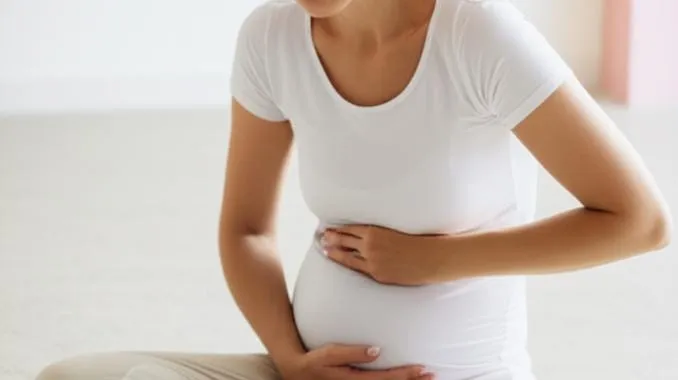
If you are pregnant right now, you might feel a quiet worry about miscarriage. It is completely normal to have these thoughts and questions on your mind. A miscarriage means losing a pregnancy before the 20th week.
Most of the time, this happens because of things completely outside your control. In fact, doctors often cannot find one exact reason in every single case. Learning about the common causes can help calm your fears and guide you toward a healthy pregnancy journey.
Key Takeaways
- Most early miscarriages happen because of random chromosome issues in the baby.
- A miscarriage is never your fault, and nothing you did caused it by accident.
- Maternal age over 35 slightly increases the chance of natural chromosome changes.
- Everyday activities like working, light exercise, and sex do not cause a miscarriage.
- Always talk openly with your doctor about your health history and any medicines you take.
Free pregnancy due date calculator. Enter your last period date or conception date to find your EDD, current trimester, and key milestones.
The Main Cause: Abnormal Chromosomes
During the first 12 weeks of pregnancy, more than half of all miscarriages happen due to chromosome issues. Chromosomes are tiny packages of genes inside every cell of your body. They decide your baby's eye color, hair color, and overall body development.
If a chromosome count is wrong or damaged, the baby cannot grow properly. These genetic events happen entirely by chance during cell division. They are not inherited from parents and cannot be predicted ahead of time.
Chromosome problems can lead to several specific pregnancy patterns:
- Blighted Ovum (Anembryonic Pregnancy): This happens when a fertilized egg implants in the uterus, but an embryo never forms inside.
- Molar Pregnancy: This is an unusual condition where both sets of chromosomes come from the father, with none from the mother. The placenta grows abnormally, and a healthy baby does not develop.
- Partial Molar Pregnancy: In this case, the mother provides one set of chromosomes, but the father provides two sets. The embryo may start to grow briefly, but it usually stops very early.
- Other Chromosome Issues: Conditions like Trisomy 13, 18, 21 (which includes Down syndrome) or Monosomy (such as Turner syndrome) can also cause pregnancy loss.
Important Reassurance: There is no known way to prevent random chromosome mistakes. Please remember that a miscarriage is never your fault.
As you grow older, especially after age 35, the chance of chromosome issues goes up. This means the overall risk of miscarriage also increases slightly with age. The good news is that having one miscarriage from a chromosome issue does not mean it will happen again. Most women go on to have healthy pregnancies later.
How Your Health Conditions Play a Role
Sometimes, a medical condition in the mother can contribute to a pregnancy loss. Sharing your complete medical history with your doctor helps catch these risks early. Managing your health well gives you the best chance of a safe pregnancy.
| Health Condition | How It Affects Pregnancy |
|---|---|
| Unmanaged Chronic Illnesses | Conditions like poorly controlled diabetes or high blood pressure can reduce blood flow to the growing baby. |
| Uterine or Cervical Issues | Uterine fibroids, an unusual uterine shape, or a weak cervix (cervical insufficiency) can make it hard to carry a pregnancy. |
| Infections | Infections such as cytomegalovirus, rubella, chlamydia, or gonorrhea can increase the risk of pregnancy loss. |
| Thyroid and Autoimmune Diseases | Thyroid disorders, lupus, and blood clotting problems can create challenges for normal placental development. |
Working closely with your doctor helps keep these conditions under control. Regular checkups ensure you receive the right medicine and monitoring throughout your pregnancy.
Lifestyle and Environmental Impact
Your daily habits and the environment around you can also influence your pregnancy health. Making positive lifestyle changes protects both you and your baby.
Unhealthy Habits
Certain substances can harm a developing pregnancy very quickly. Avoiding them is a crucial step in prenatal care.
- Smoking: Smoking tobacco harms blood vessels and oxygen flow. Research shows that secondhand smoke or partner smoking can also raise risks.
- Heavy Alcohol Use: Drinking alcohol during pregnancy is unsafe. Medical experts recommend stopping alcohol completely while trying to conceive and during pregnancy.
- Illegal Drugs: Recreational drug use directly damages fetal development and creates severe medical danger for both mother and child.
Environmental Risks
Exposure to toxic substances at home or at work can sometimes cause harm. Knowing what to avoid keeps your living environment safe.
- Lead: Found in old water pipes, peeling paint in older homes, or certain imported ceramics.
- Mercury: Found in broken thermometers or old fluorescent light bulbs.
- Solvents: Found in paint thinners, strong household cleaners, and chemical degreasers.
- Pesticides: Chemicals used to kill garden insects or rodents around living spaces.
- Arsenic: Found in contaminated well water or industrial waste sites.
If you have any doubts about your workplace or home safety, talk to your doctor right away. They can help you check for hidden risks and offer practical advice.
Risks from Certain Medicines and Foods
What you put into your body matters deeply during pregnancy. Some medicines and foods carry risks that you must avoid to stay healthy.
| Risk Category | Examples and Details |
|---|---|
| Certain Medicines | Drugs like misoprostol, methotrexate for arthritis, retinoids for skin issues, and some NSAIDs can be dangerous. Always tell your doctor about every medicine you take. |
| Food Poisoning Risks |
|
Some food poisoning infections might not make you feel very sick, but they can still harm the baby. Following safe food guidelines from health authorities like the CDC or NHS protects your pregnancy.
Things That Do Not Cause Miscarriages
Many expecting parents worry about everyday activities causing a pregnancy loss. Unless your doctor has specifically told you your pregnancy is high-risk, the following activities are completely safe:
- Working a standard job without extreme physical hazards.
- Doing normal, moderate exercise (talk to your doctor about your ideal fitness routine).
- Having sexual intercourse with your partner.
- Taking air travel for work or vacation.
- Eating spicy foods.
- Having sudden surprise, minor fear, or everyday emotional stress.
Please remember that daily stress or anxiety does not cause a miscarriage. However, caring for your mental health is still very important for your overall well-being and peace of mind.
🚨 When to Call Your Doctor or Emergency Services
Call emergency services (911 in the US/Canada, 999 in the UK) or go to your nearest Emergency Department (ER / A&E) right away if you experience:
- Severe or sharp abdominal pain or cramping on one or both sides.
- Heavy vaginal bleeding soaking through more than two pads per hour for two hours.
- Passing large blood clots or tissue masses from the vagina.
- Dizziness, fainting, or severe shoulder pain.
- Fever, chills, or foul-smelling vaginal discharge.
💡 Take-Home Message
Most miscarriages happen because of random chromosome issues that cannot be prevented. They are never your fault, and nothing you did caused it.
You can support a healthy pregnancy by working closely with your doctor before and during pregnancy. Control chronic health conditions, avoid smoking and alcohol, and follow safe food guidelines.
Remember that normal work, exercise, and daily life do not cause miscarriages. Try not to let unnecessary fears burden your mind.
If a pregnancy loss happens, remember that you are not alone. Seek support from your doctor, family, and friends to help heal your heart and mind.






No comments yet. Be the first to share your question or experience below.