
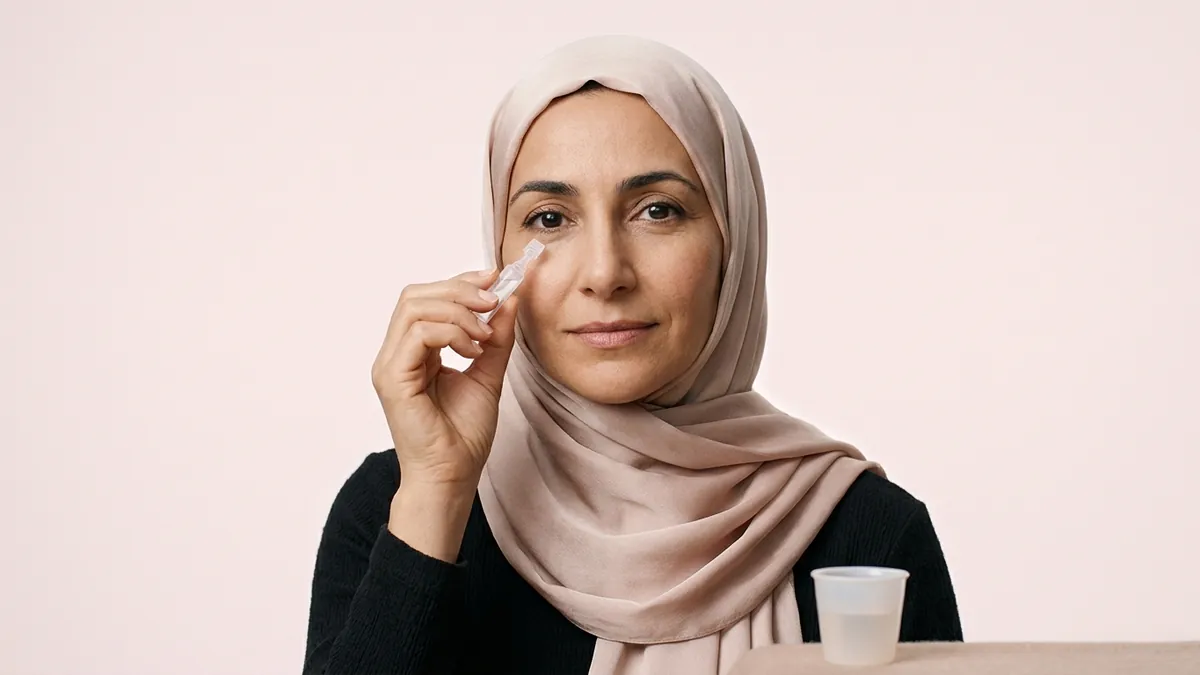
When your oncology team recommends Datroway (Datopotamab Deruxtecan) TROP2 Antibody-Drug Conjugate: Lubricating Eye Drops, Mouthwash & Lung Checks quickly become the three everyday habits at the heart of your care plan. Unlike older broad-spectrum chemotherapy drips that sweep through every fast-dividing cell in your body, this newer targeted infusion zeroes in on a specific surface protein carried by certain breast and lung tumors. Even so, protecting your mouth lining, tear film, and breathing tissue from day one makes all the difference in keeping your treatment smooth and uninterrupted.
Across cancer centers in the United States, United Kingdom, Canada, and Australia, we doctors have watched targeted therapies transform how people live and feel between infusion days. Because this medicine delivers its anti-cancer payload right inside tumor cells, severe drops in white blood cells are far less common than with traditional taxane chemotherapy. Pretty reassuring when you're gearing up for your first cycle, right?
Still, smart daily prevention at home is half the battle. In this guide, we doctors walk you through exactly how this medication works, how your 21-day infusion schedule runs, and how your oncology team, local optometrist, and Primary Care Physician (PCP) or family GP clinic partner with you to protect your mouth, eyes, and lungs.
📌 Key Takeaways at a Glance
- Targeted 3-Week Infusion: Given through a vein at 6 mg/kg once every 21 days (capped at 540 mg if you weigh 90 kg / 198 lbs or more) for specific advanced breast and EGFR-mutated lung cancers.
- Start Mouth Care on Day 1: Swish and spit a prescription steroid mouthwash four times daily and hold ice chips in your mouth during every infusion to prevent mouth sores.
- Lubricate Your Eyes Daily: Use preservative-free lubricating eye drops at least four times a day and switch from contact lenses to glasses throughout therapy.
- Never Ignore a New Cough: Report any new dry cough, shortness of breath, or fever right away so your doctor can check for lung inflammation early.
What Is Datroway (Datopotamab Deruxtecan) TROP2 Antibody-Drug Conjugate, and Why Do Lubricating Eye Drops, Mouthwash & Lung Checks Matter?
Datroway (datopotamab deruxtecan) is an intravenous TROP2 antibody-drug conjugate approved for certain advanced breast and EGFR-mutated lung cancers. Because healthy mouth, eye, and lung linings can react to its targeted payload, starting steroid mouthwash, preservative-free lubricating eye drops, and prompt lung checks from day one prevents severe side effects.
Regulatory approvals across 2025 and 2026 established three clear adult treatment groups for datopotamab deruxtecan-dlnk. First, it treats unresectable or spread hormone-sensitive breast cancer (HR-positive, HER2-negative metastatic breast cancer) after prior hormone-blocking therapy and chemotherapy. Second, it holds accelerated approval for locally advanced or metastatic non-small cell lung cancer with an epidermal growth factor receptor gene change (EGFR-mutated NSCLC) after targeted EGFR pills and platinum chemotherapy stop working. Third, it treats unresectable or metastatic triple-negative breast cancer (TNBC) in adults who are not candidates for PD-1 or PD-L1 immunotherapy.
Have you ever wondered why an infusion aimed at breast or lung tumors requires eye drops and mouthwash? Healthy cells lining the inside of your cheeks and the surface of your cornea naturally carry small amounts of the same target protein, so proactive local care shields those delicate tissues before irritation builds up.
How Does This TROP2 Antibody-Drug Conjugate Work Inside Your Body Compared With Other Cancer Drugs?
Think about it for a second: traditional intravenous chemotherapy acts like scattering weedkiller across an entire garden, hitting healthy grass alongside the weeds. An antibody-drug conjugate (ADC) works much more like a guided delivery van with a locked cargo door. Datroway is built from three precision-engineered parts working together in your bloodstream:
- The Homing Antibody: A lab-crafted immune protein (humanized anti-TROP2 IgG1 monoclonal antibody) that spots and latches onto trophoblast cell surface antigen 2 (TROP2), a protein heavily overexpressed on the outer shell of many breast and lung cancer cells.
- The Smart Cleavable Linker: A four-amino-acid chemical bridge (tetrapeptide-based cleavable linker) engineered to stay tightly locked in your bloodstream so chemotherapy doesn't spill freely through your veins.
- The Anti-Cancer Payload: Roughly four molecules of a potent DNA-unwinding blocker (topoisomerase I inhibitor, known as DXd or deruxtecan) attached to each antibody.
Look at what happens once that antibody docks onto a cancer cell: the tumor pulls the entire complex inside, internal cell enzymes snip the linker, and the DXd payload triggers fatal DNA breaks. Even better, freed DXd can slip across membranes into neighboring tumor cells that express less TROP2—a clever Bonus called the bystander effect. Compared with sacituzumab govitecan (another TROP2 ADC carrying a different payload), datopotamab deruxtecan is given once every three weeks instead of twice per cycle and causes noticeably less severe diarrhea and low white blood cell counts, though mouth and eye care require closer attention. Makes sense when you compare how they're built, doesn't it?
What Are the Exact Datroway Dosing Rules, Infusion Steps, and Dose Adjustments?
Your medical oncologist calculates your dose strictly by body weight at 6 mg/kg given through an intravenous (IV) line once every 3 weeks (a 21-day cycle). Here is an important safety cap we doctors always double-check: if you weigh 90 kg (198 lbs) or more, your maximum single dose is strictly capped at 540 mg so higher body weight never leads to overexposure.
Before the pharmacy even hangs your drip bag, your oncology nurse gives pre-medications—typically an antihistamine, acetaminophen (called paracetamol in the UK and Australia), and anti-nausea medication, sometimes alongside a steroid—to prevent chills, flushing, or queasiness. Behind the scenes, oncology pharmacists mix the reconstituted medicine exclusively into 100 mL of 5% Dextrose solution (never normal saline, which causes clumping) and run it through a tiny 0.2-micron in-line filter.
Your very first infusion runs slowly over 90 minutes, followed by at least a 1-hour observation period in the chair. Tolerated that first run smoothly? Good news—your second and future infusions usually take just 30 minutes! If stubborn side effects crop up later, your oncologist follows a proven two-step dose reduction ladder rather than stopping treatment right away: stepping down first to 4 mg/kg (max 360 mg), and if needed to 3 mg/kg (max 270 mg), without ever raising the dose back up once reduced. Because the payload can harm a developing baby (embryo-fetal toxicity), women who could become pregnant must use reliable birth control during therapy and for 7 months after the final dose, men with partners who could become pregnant need contraception for 4 months after the final dose, and breastfeeding must pause until 1 month after treatment ends.
How Should You Use Steroid Mouthwash and Ice Chips to Prevent Mouth Sores?
Remember how we talked earlier about healthy cheek and tongue cells carrying small traces of TROP2? Because of that overlap, mouth lining inflammation and ulcers (stomatitis and oral mucositis) showed up in roughly 63% of patients across clinical trials—making it the single most common side effect of therapy. Most cases stay mild, especially when you jump on prevention before your mouth ever feels tender.
We doctors rely on a two-part shield that starts on Day 1 of Cycle 1:
- Ice Chips During Your Drip (Oral Cryotherapy): Hold crushed ice chips or sips of ice-cold water in your mouth throughout the entire 30-to-90-minute infusion. Cold temperatures temporarily narrow the tiny blood vessels inside your cheeks and gums so less fresh drug reaches your mouth lining while blood levels peak.
- Prescription Steroid Mouthwash Four Times Daily: Start an alcohol-free corticosteroid oral solution (most commonly dexamethasone 0.1 mg/mL mouthwash) on Day 1. Swish the prescribed amount gently around your entire mouth for 1 to 2 minutes four times a day, then spit it out completely—never swallow it. Wait at least 30 minutes before eating or drinking so the soothing film stays on your gums.
Be honest—when you're tired in the evening, skipping a rinse sounds tempting, doesn't it? Sticking with all four daily rinses, brushing with an ultra-soft toothbrush, and choosing gentle foods like cool plain Greek yogurt, lukewarm oatmeal or porridge, scrambled eggs, mashed potatoes, and smooth avocado—while skipping spicy takeout, hot coffee, citrus juices, and crunchy sourdough toast—keeps you eating comfortably.
Why Are Preservative-Free Lubricating Eye Drops and Lung Checks Essential During Treatment?
Your eyes and your lungs are the other two areas your care team watches like a hawk. On the surface of the eye, datopotamab deruxtecan can trigger dry eye, eyelid margin inflammation (blepharitis), blocked tear-oil glands (meibomian gland dysfunction), excessive watering, or corneal surface inflammation (keratitis). Notice we specifically stress preservative-free lubricating eye drops at least four times daily? Standard multi-use drugstore bottles often contain benzalkonium chloride, a preservative that actually irritates fragile corneal cells when used four to six times a day! Single-use preservative-free vials keep your tear film cushioned safely, and leaving contact lenses in the drawer in favor of glasses prevents microscopic corneal scratches. If redness, gritty pain, light sensitivity, or blurry vision develops, your oncologist or Primary Care Physician (PCP) / family GP clinic will refer you promptly to an optometrist or ophthalmologist for a slit-lamp eye check.
Even more vital are your routine lung checks. A small percentage of patients on deruxtecan-based therapies develop non-infectious lung tissue inflammation or scarring (interstitial lung disease, or ILD, and pneumonitis). Because early lung inflammation can mimic a mild seasonal cold or chest tickle, we doctors never brush off a new dry cough or getting winded walking up the stairs. If even mild, symptom-free lung haziness shows up on a scan (Grade 1 ILD), your oncologist holds your infusion immediately and investigates with a high-resolution chest CT scan (HRCT). If symptomatic lung inflammation is confirmed (Grade 2 or higher), Datroway is permanently stopped and steroid treatment starts right away to protect your breathing.
How Do Datroway Side Effects Compare, and What Steps Should You Take?
When a new symptom pops up mid-cycle at home, knowing whether to reach for your home care kit, message your oncology clinic, or head to urgent evaluation saves hours of worry. Look at how common treatment reactions break down and what action step keeps you safe:
| Side Effect or Clinical Finding | What It Means & Your Action Step |
|---|---|
| Mouth Tenderness or Ulcers (Stomatitis / Oral Mucositis) | Inflammation of the inner cheek, tongue, or gum lining—the most frequent reaction on therapy, affecting roughly 6 in 10 patients. What you should do: Keep swishing and spitting your alcohol-free steroid mouthwash four times daily, stick to cool soft foods, and call your oncology nurse if pain slows down drinking fluids or swallowing. |
| Dry, Gritty, Watery, or Blurry Eyes (Dry Eye / Keratitis) | Tear-film instability or mild inflammation of the clear front window of your eye (cornea). What you should do: Use preservative-free lubricating eye drops at least four times daily, avoid contact lenses completely, and book an urgent optometrist or ophthalmologist exam for any eye pain or vision change. |
| New Dry Cough, Shortness of Breath, or Fever (Possible ILD / Pneumonitis) | Potential non-infectious inflammation in the delicate air sacs of the lungs, which requires immediate evaluation before another dose is given. What you should do: Contact your oncology team the same day—or visit the nearest hospital Emergency Room (ER / A&E) if breathing feels tight—so doctors can check oxygen levels and arrange a chest CT scan. |
| Infusion-Day Chills, Flushing, Rash, or Queasiness | An infusion-related reaction during or shortly after the IV drip, or mild delayed stomach upset over days 2 to 5. What you should do: Tell your infusion nurse immediately during the drip so the rate can be slowed or paused, and take your prescribed home anti-nausea tablets on schedule with small, bland meals. |
| Fatigue, Hair Thinning, or Mild Blood Count Dips | Tiredness, partial hair loss (alopecia), or modest drops in red or white blood cells checked on pre-cycle lab work. What you should do: Pace daily errands around brief afternoon rests, keep every pre-cycle blood draw appointment, and loop in your Primary Care Physician (PCP) or family GP clinic if lingering fatigue worsens. |
See how clear that game plan becomes when everything is laid out side by side? Jotting down quick daily notes on your phone about your mouth comfort, eye moisture, and breathing stamina gives your oncologist crystal-clear feedback before each 21-day cycle.
✔️ What You Should Do & ❌ What to Avoid
- ✔️ Do start mouthwash and eye drops on Day 1: Begin both your prescription alcohol-free steroid mouthwash and preservative-free lubricating eye drops four times daily before symptoms ever appear.
- ✔️ Do keep ice chips handy in the infusion chair: Let crushed ice melt slowly in your mouth from the start to the finish of every Datroway drip.
- ✔️ Do carry your oncology alert card everywhere: Make sure any doctor at your family GP clinic, local Urgent Care center, or hospital knows you receive a deruxtecan antibody-drug conjugate.
- ❌ Don't wear contact lenses during treatment: Switch strictly to prescription glasses until your oncologist confirms therapy is finished and your eyes have recovered.
- ❌ Don't use harsh alcohol-based commercial mouthwashes: Store-bought mint mouthwashes with alcohol sting and dry out fragile oral tissue.
- ❌ Don't brush off a mild new cough as "just allergies": Always let your oncology team rule out drug-related lung inflammation first.
🚨 When to Seek Immediate Emergency Care (Red-Flag Symptoms)
If you or someone near you develops any of these red-flag symptoms, do not wait — call 911 (US & Canada), 999 or 111 (UK), or 000 (Australia) immediately or go straight to the nearest hospital Emergency Room (ER / A&E):
- Sudden or worsening shortness of breath at rest or when walking across a room, especially paired with a dry cough or chest tightness.
- A fever of 38.0°C (100.4°F) or higher, shaking chills, or feeling suddenly dizzy and unwell between infusions.
- Severe eye pain, sudden blurred vision, or sensitivity to light that makes it hard to keep your eyes open.
- Mouth or throat sores so painful that you cannot swallow liquids or keep hydrated for more than 24 hours.
- Swelling of your face, lips, or tongue, hives, or wheezing within hours of an infusion.
💡 Key Take-Home Message
- Datroway (datopotamab deruxtecan) delivers targeted chemotherapy directly into TROP2-expressing breast and EGFR-mutated lung cancer cells once every three weeks.
- Consistent home routines—ice chips during infusion, alcohol-free steroid mouthwash four times daily, and preservative-free eye drops—dramatically lower mouth and eye irritation.
- Speaking up early about any cough, breathlessness, or vision change lets your doctors pause or adjust your dose safely so you stay protected.




No comments yet. Be the first to share your question or experience below.