

We all experience stress, or mental stress, to some degree in our lives. It's normal. But when this stress continues, our bodies can't handle it. That's when conditions like Essential Tremor can develop or worsen. Therefore, it's important to identify the things that add stress to your life and learn ways to reduce them.
Simply put, what is stress?
Stress is the reaction of our body and mind when we have to adapt or respond to a change. The important thing is that this stress is something we can control. Because stress is caused by how we respond to an event. That means it's not the event, it's our response that's the problem.
Imagine that you suddenly have to do a big task. For some, it's a big stress. For others, it might be normal. So the things that cause stress are different for each person.
What are the common causes of stress?
We experience stress as a result of how we adapt to changes in our lives. Our bodies, minds, and emotions respond to these changes. The table below lists some common causes of stress.
| Reason | Description |
|---|---|
| Relationship problems | Death of a loved one, problems in family life or marriage, conflicts of opinion. |
| Job and money | Losing a job, starting a new job, retirement, financial problems, deadlines. |
| Health and law | Illnesses and legal problems that may occur to oneself or a family member. |
What are the warning signs of stress?
Sometimes you may not be able to pinpoint the exact cause of your stress. In such cases, it can be very helpful to be aware of the warning signs of stress. Once you recognize these signs, you can understand how your body is responding to stress. Then it is easier to take steps to reduce it. Our bodies give us these warnings physically, mentally (emotionally), and behaviorally .
| Characteristic type | Common features |
|---|---|
| Mental (emotional) warnings | |
| Frequent anger | If you get angry quickly over small things. |
| Difficulty concentrating | If you find it difficult to keep your mind focused and get things done. |
| Excessive anxiety | If you are constantly worrying about unnecessary things. |
| Sadness and mood swings | If you frequently change your mood, such as feeling sad for no reason, suddenly happy, and suddenly sad. |
| Physical warnings | |
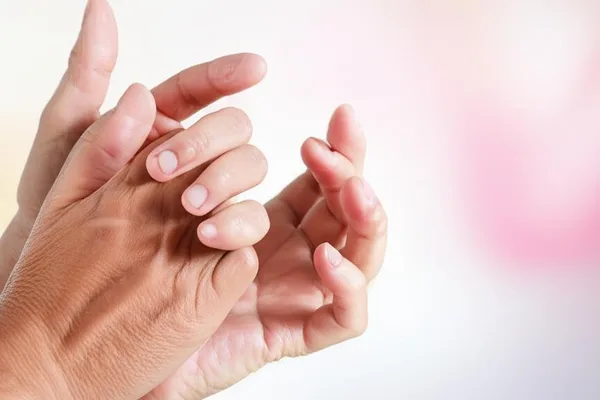
| Shaking | Especially if you feel your hands and legs shaking. |
| Chronic fatigue | No matter how much sleep you get, you still feel tired and lifeless. |
| Body weight change | Sudden weight gain or loss. |
| Other features | Frequent sweating, erectile dysfunction, and a hunched posture. |
| Behavioral warnings | |
| Overreacting | Being overly upset or overreacting to even ordinary events. |
| Alcohol or drug use | Unable to cope with stress, turning to drugs or alcohol. |
| Social isolation | Trying to be alone, away from friends and family. |
Relaxation techniques that can reduce stress for people with Essential Tremor
One of the best ways to manage stress is through relaxation. That means relaxing your mind and body. This is especially important for someone with a condition like Essential Tremor . As stress decreases, tremors can also be controlled.
The most important thing is to choose a quiet place, free from distractions, before following these methods. Sit in a comfortable position. Try to forget all your worries and problems for a while.
1. Rhythmic breathing
If your breathing is fast and shallow, start to slow it down. Breathe in deeply, slowly, and exhale slowly. Count to five as you breathe in, and then count to five as you breathe out. Notice how your body naturally relaxes as you breathe out. As you feel this change, you can relax even more.
2. Deep breathing
Imagine a place just below your navel (belly button). Imagine breathing into that place, and fill your belly area with air. Imagine filling your belly with air, like inflating a balloon. Then, breathe out slowly, as if the air is being released from the balloon. Each time you breathe out in this way, you will feel lighter.
3. Progressive muscle relaxation
Okay, now focus your attention on your body and your breathing. Take a few deep breaths and exhale. Now scan your body mentally. From your head to your toes. See if there are any areas of tightness or tightness. Relax those areas. Release as much tension as possible. Rotate your head in a circle or two (stop if you feel pain). Roll your shoulders forward and back a few times. Now allow every muscle in your body to completely relax. Think of something that brings you joy for a few seconds. Take another deep breath and exhale.
4. Relaxation and music
With this relaxation exercise, play some relaxing music in the background. Some people find it easier to relax by listening to relaxation audio tapes (which contain both music and instructions) designed specifically for this purpose.
When should I seek medical advice for stress?
If you find it difficult to manage stress on your own, don't hesitate to seek medical advice. See your doctor as soon as possible, especially if you have any of the following symptoms:
| When to see a doctor |
|---|
|
Very important: In the event of an emergency, such as suicidal thoughts, go to the nearest hospital Emergency Department (ETU) immediately.
Your family doctor can determine whether your stress is caused by an anxiety disorder, another physical illness, or both. If necessary, he or she will refer you to a specialist, such as a psychiatrist.
Take-Home Message
- Stress is a part of our lives, but if it continues, conditions like Essential Tremor can increase.
- The first step is to identify how your body responds to stress (physical, mental, behavioral symptoms).
- Practicing simple relaxation techniques, such as deep breathing, daily can be a great way to manage stress.
- If you find it difficult to manage stress on your own, or if you are having negative thoughts about life, don't be afraid or delay seeing a doctor .




💬 Comments (0)
No comments yet. Be the first to share your thoughts here.
Add Your Comment