
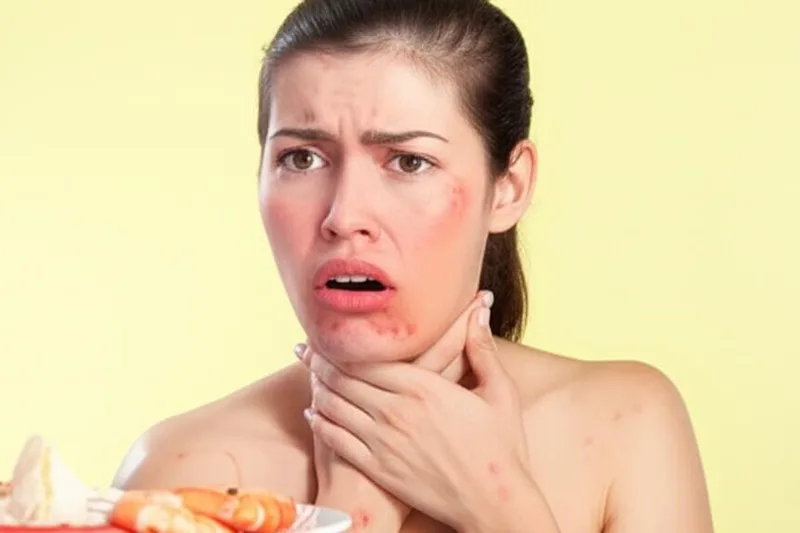
Sometimes you may have noticed that after eating seafood like shrimp or squid, a person's entire body turns red, itches, and starts itching. Or after eating peanuts, it becomes difficult to breathe and the lips swell. This is what we usually call a "food allergy ." This is something to be careful about, and it can sometimes be dangerous. So, today we will talk about what a food allergy is, how it develops, and how we should deal with it.
What does it really mean to be allergic to this food?
Simply put, a food allergy is a misdiagnosis by our body's immune system.
Imagine that we have a defense army in our body. That is our immune system. Normally, this army fights against enemies like viruses and bacteria that actually make us sick. But sometimes this army makes a small mistake. This system mistakenly thinks that a protein in the food we eat, which is actually harmless, is a big enemy that has entered the body.
When this is misidentified, the immune system produces a special type of antibody, called an immunoglobulin E (IgE), to fight against that "enemy." This happens the first time you eat that food.
Now, if you eat that same food again, the IgE antibodies that were previously made are activated and a large amount of a chemical is released to get the "enemy" out of the body. We call this chemical histamine . This histamine is a very powerful chemical. This is what causes the symptoms of an allergy by affecting our respiratory system, digestive system, skin and cardiovascular system.
What are the symptoms of an allergy?
Symptoms of a food allergy can appear within minutes or up to two hours after eating the food. Some of these symptoms can be very mild, while others can be very severe.
| Symptom | Description |
|---|---|
| Mouth, tongue, and throat related | Numbness inside the mouth, swelling of the tongue and throat. |
| Skin symptoms | Rashes, hives, and severe itching all over the body. |
| Characteristics of the digestive system | Vomiting, diarrhea, stomach cramps, and abdominal pain. |
| Characteristics of the respiratory system | Difficulty breathing, wheezing. |
| Other severe symptoms | Sudden drop in blood pressure, loss of consciousness. |
A very severe allergic reaction called anaphylaxis can be life-threatening . Therefore, if you experience severe symptoms such as difficulty breathing and swelling of the throat, it is essential to go to a hospital's Emergency Department (ETU) immediately.
What foods cause the most allergies?
Although anyone can be allergic to any food in the world, 90% of allergies are caused by a few main foods.
| Category | Most common allergenic foods |
|---|---|
| In Children | Cow's milk, eggs, peanuts, wheat, soy, seafood such as fish and shellfish, and nuts such as cashews, almonds, and walnuts. |
| In Adults | Nuts like peanuts and cashews, and seafood like fish and shellfish. |
How do you know if you have a food allergy?
If you suspect you have a food allergy, it's not a good idea to make decisions based on guesswork. You should definitely see a doctor. The doctor will diagnose the condition accurately based on several factors.
- Blood tests: A blood test called a radioallergosorbent test (RAST) can be done to check the amount of antibodies your immune system produces. If you have high levels of a certain type of antibody, your doctor can identify the foods you are allergic to.
- Skin Test: This is also called a 'scratch test'. In this, a small amount of protein from a suspected food is placed on a small scrape of the skin and the skin is tested for a reaction. If the area becomes red or swollen, you may be allergic to that food.
- Food Diary: Your doctor may ask you to keep a detailed record of what you eat and any symptoms you experience. This can be a great help in identifying which foods you are allergic to.
- Elimination and Challenge Diet: Your doctor may tell you to stop eating all suspect foods for a while. Then, under medical supervision, they reintroduce them one by one to see which foods your body reacts to. This can help confirm the exact allergy.
How do you treat and control an allergy?
The best and only way to treat a food allergy is to completely avoid the food that causes the allergy .
- For minor reactions: For minor symptoms such as skin irritation and itching, antihistamine tablets can be used as directed by a doctor.
- For more severe reactions: For conditions such as swelling, your doctor may prescribe a corticosteroid medication, such as prednisone.
- For life-threatening situations: In severe cases like anaphylaxis, the only treatment that can immediately reverse symptoms is an epinephrine injection . For people with severe allergies, doctors will prescribe this injection in the form of an auto-injector (a device that you can easily inject yourself). If prescribed, it is important to always have two on hand .
Things to consider when living with allergies
Once you've identified the food you're allergic to, the challenge is to avoid it. These tips will help you with that.
Reading food labels and nutrition
Always read the labels of foods you buy from the store. Things like biscuits, sauces, and cakes may contain hidden ingredients that you are allergic to (e.g., milk, eggs, nuts). Sometimes even soaps, shampoos, and lotions may contain milk or nuts. Also, make sure you are getting the nutrition you need after you stop eating the food you are allergic to. Ask your doctor about this.
When eating out
If you are eating out, talk to the restaurant staff beforehand to find out if they are aware of food allergies. Be sure to tell the waiter about your allergy. Avoid buffets and salad bars, as there is a high chance of cross-contamination.
Things to follow at home
If someone in the family has an allergy and others eat that food, you have to be very careful about these things.
- Clearly label food packages and containers as "safe" and "unsafe" for the allergic person. If possible, set aside separate shelves in the fridge and cupboards.
- Always prepare the food for the person with allergies first.
- If possible, use separate spoons, plates, and utensils for preparing food for allergies and non-allergic foods. If not, be sure to wash them thoroughly after preparing one.
- Clean your countertops and work surfaces thoroughly after preparing one dish and before preparing another. It's a good idea to use a spray cleaner in addition to soapy water, especially if you have an allergy to peanuts.
- Make it a habit to wash your hands thoroughly while preparing food, before eating, and after eating.
- Clean the table and kitchen surfaces thoroughly after eating.
Take-Home Message
- A food allergy is a serious misreaction of our immune system.
- Symptoms can range from mild skin irritation to life-threatening anaphylaxis.
- The best treatment and control is to completely avoid the food that causes the allergy.
- Always read the labels of food you buy from the store. Be very careful when eating out.
- If you have severe allergies, always carry two epinephrine auto-injectors prescribed by your doctor with you and know how to use them.
- If you suspect you have a food allergy, do not self-diagnose and see your doctor immediately.


💬 Comments (0)
No comments yet. Be the first to share your thoughts here.
Add Your Comment