
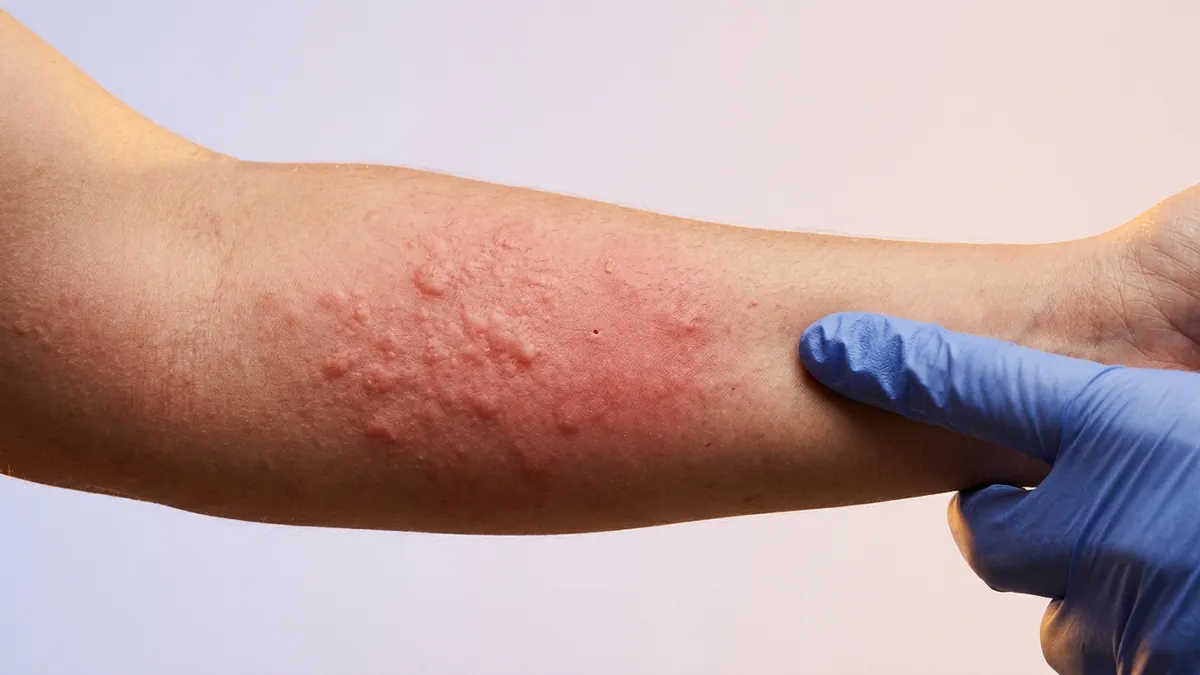
When you start desensitization treatment for stubborn hay fever, asthma, dust mites, or insect stings, understanding immunotherapy allergy side effects—along with their clinical meaning, causes, normal ranges, and next steps—makes the entire journey much less stressful. Whether your allergy specialist has prescribed regular allergy shots (subcutaneous immunotherapy, or SCIT) or daily under-the-tongue allergy tablets (sublingual immunotherapy, or SLIT), your body is being trained to stop overreacting to everyday triggers.
Have you ever wondered why a treatment meant to cure your allergies can actually make your arm itch or your lips tingle right after a dose? Because immunotherapy gives your immune system tiny, measured amounts of the exact pollen, dander, or venom you react to, a mild local flare is very common. Pretty reassuring when you know what is happening beneath the surface, right?
Before we dive in, we doctors always clear up one major point of confusion: allergen immunotherapy for allergies is completely different from hospital intravenous cancer immunotherapy. Here, we will walk you through exactly what normal local reactions look like, how dosing schedules protect you, and when to contact your Primary Care Physician (PCP), family GP clinic, or emergency services.
📌 Key Takeaways at a Glance
- Mild local reactions are expected: Redness, itching, or a small bump under 2.5 cm (about 1 inch) at the injection site—or brief mouth itching with under-the-tongue tablets—is normal and fades within hours.
- Not cancer immunotherapy: Allergy desensitization gently retrains histamine responses and does not suppress your immune system or cause chemotherapy-like side effects.
- Respect the 30-minute clinic rule: Most serious whole-body allergic reactions (anaphylaxis) begin within 30 minutes of an allergy shot, making clinic observation non-negotiable.
- Skip heavy workouts right after dosing: Vigorous exercise, hot tubs, and saunas speed up blood flow and can push allergen extracts into your bloodstream too quickly.
- Always report large swelling or asthma flares: Telling your clinic team before your next dose allows us doctors to safely adjust your vial strength.
What Are Immunotherapy Allergy Side Effects: Clinical Meaning & Causes?
Immunotherapy allergy side effects are immune reactions triggered by controlled doses of allergy shots or under-the-tongue tablets, most commonly causing mild redness, itching, or swelling under 2.5 cm (one inch) at the dose site. Rarely, systemic symptoms like hives, wheezing, or dizziness require urgent clinic care.
Clinically, we doctors divide these reactions into two distinct groups: local reactions confined to where the allergen touches your skin or mouth, and systemic reactions that travel through your bloodstream to affect your skin, airways, gut, or blood pressure. What do you think causes people to panic when they search this topic online? Very often, search results mix up allergy desensitization with cancer immunotherapy (immune checkpoint inhibitors), which triggers autoimmune inflammation in organs like the lungs, colon, or thyroid.
Allergen immunotherapy works completely differently. It uses purified natural extracts—such as Timothy grass, ragweed, birch pollen, house dust mites, cat dander, or bee venom—to gradually calm an overactive allergic response without weakening your natural defenses against colds or infections. Knowing which symptoms belong to routine immune training versus true warning signs puts you firmly in control.
Why Does Allergen Immunotherapy Trigger Reactions in Your Body?
Look closely at what happens under your skin or tongue the moment a dose goes in. If you have allergic nose inflammation (allergic rhinitis) or allergic asthma, your immune tissues are lined with guard cells called mast cells coated in allergy antibodies (immunoglobulin E, or IgE). Whenever those IgE antibodies spot even a microscopic trace of your trigger allergen, they signal the mast cells to release histamine and other chemical messengers.
Histamine widens tiny local blood vessels and irritates nearby nerve endings. That is the exact biological reason a fresh allergy shot leaves a warm, itchy mosquito-bite bump on the back of your upper arm, or why a dissolve-in-the-mouth grass tablet makes your tongue tingle for ten minutes. Makes complete sense, right?
Over months of steady, gradually increasing exposure, something remarkable happens inside your immune system. Instead of firing off alarm bells, your body builds a team of calming regulatory T-cells and starts producing protective "blocking" antibodies (immunoglobulin G4, or IgG4). These IgG4 antibodies intercept pollen or dust mite proteins before they ever reach your histamine-releasing mast cells. Mild early side effects are simply footprints of that handover in progress, whereas systemic reactions happen if an allergen dose enters general circulation faster than your blocking antibodies can handle.
What Are the Normal Swelling Ranges, Dosing Phases, and Clinic Safety Rules?
To keep reactions mild and predictable, we doctors follow strict international dosing protocols divided into two stages. During the build-up phase of allergy shots, you receive injections once or twice a week for 3 to 6 months, stepping up from a highly diluted vial to a target concentration. Once you reach that target, you enter the maintenance phase, spacing injections out to every 2 to 4 weeks for 3 to 5 years. Because build-up doses climb each week, local and systemic side effects happen slightly more often during those first few months—and also whenever you start a freshly mixed maintenance vial.
So what counts as a normal range on your arm? Clinicians measure both the raised bump (wheal) and surrounding redness (erythema):
- Normal mild local range (0 to 2.5 cm / under 1 inch): Smaller than a US or Canadian quarter, a UK 50p coin, or an Australian 20-cent coin. It typically peaks in 1 to 4 hours, resolves within 24 hours, and requires no dose reduction.
- Moderate-to-large local reaction (2.5 cm to over 10 cm / 1 to 4+ inches): Swelling larger than the palm of your hand or lasting past 24 to 48 hours. Your clinic may repeat your previous dose or step slightly backward at your next visit.
Be honest—have you ever felt tempted to sneak out of the waiting room ten minutes early to beat traffic? Please resist that urge! Roughly 80% to 90% of serious systemic reactions begin within 30 minutes of an injection, which is why staying in the clinic for a full half-hour check is mandatory. Before every shot, your nurse or doctor should also confirm your asthma is calm (often using a quick peak-flow blow test), ensure you have no active fever, and check whether you started new blood pressure pills like beta-blockers, which can complicate emergency adrenaline treatment.
How Do Side Effects Differ Between Allergy Shots (SCIT) and Under-the-Tongue Tablets (SLIT)?
Choosing between clinic injections and daily home tablets often comes down to convenience and their distinct side-effect profiles. With allergy shots (SCIT), side effects center on the upper arm: localized itching, warmth, mild aching, or occasionally a tiny, painless pea-sized nodule beneath the skin caused by the aluminum salt used in certain depot extracts. Systemic reactions occur in roughly 0.1% of injection visits—uncommon, yet high enough that shots must always be given in a medical facility equipped with oxygen and emergency resuscitation medicines.
Remember how we talked earlier about mast cells sitting right at the entry point? With sublingual immunotherapy (SLIT) tablets or drops placed under the tongue, up to 40% to 70% of patients notice mild, localized mouth itching, lip tingling, ear itching, or a gentle throat tickle right after dosing. Fortunately, oral tissues are naturally much more tolerant than skin tissues, so these sensations usually fade within 15 to 30 minutes and largely disappear after the first 1 to 2 weeks of daily use.
While serious whole-body reactions from SLIT are exceedingly rare (which is why you take daily doses at home after taking your very first tablet under clinic supervision), we doctors always ask you to watch for one specific gut symptom: persistent heartburn, chest discomfort, or food feeling stuck when swallowing. Rarely, swallowed allergen proteins can irritate the food pipe and trigger swallowing-tube inflammation (eosinophilic esophagitis, or EoE), which clears up once your specialist stops the tablets.
Local vs. Systemic Reactions: What Do Your Symptoms Mean & What Should You Do?
When a reaction pops up at the clinic or later that evening on your sofa, knowing how to read your symptoms prevents both unnecessary worry and dangerous delays. Use this two-column guide to match what you see with the safest clinical action step.
| Reaction Type & Timing | Clinical Meaning & Action Steps |
|---|---|
| Mild Local Arm Bump (Redness or swelling under 2.5 cm / 1 inch within 1–4 hours) | Expected histamine release right where the needle delivered your allergen dose; signals normal immune recognition. What you should do: Apply a cool pack wrapped in a clean cloth for 15 minutes and take a non-drowsy oral antihistamine if itchy. Keep your normal schedule. |
| Large Local Swelling (Arm swelling over 5–10 cm / palm-sized or lasting over 24–48 hours) | Exaggerated local mast-cell inflammation or delayed cellular immune response without whole-body spread. What you should do: Snap a quick photo next to a coin or ruler, use a cold compress and 1% hydrocortisone cream, and tell your allergy nurse before your next shot so your dose can be adjusted. |
| Oral Itching or Lip Tingling (SLIT) (Starts within minutes of placing tablet under tongue) | Harmless local reaction in oral mucosa, most noticeable during your first 7 to 14 days of daily treatment. What you should do: Sip cool water once your prescribed dissolve-and-no-swallow window finishes. Contact your clinic if lip swelling becomes visibly puffy or swallowing hurts. |
| Delayed Tiredness or Mild Nasal Flare (Starts 6–24 hours after dose) | Mild late-phase immune signaling that can mimic light hay fever congestion or evening fatigue. What you should do: Rest, stay well hydrated with water, use your regular steroid nasal spray if prescribed, and mention the pattern at your next clinic check-in. |
| Systemic Allergic Reaction (Widespread hives, flushing, cough, wheeze, throat tightness, cramps, or dizziness) | Allergen has triggered whole-body mast-cell activation (potential anaphylaxis), most often within 30 minutes of dosing. What you should do: Alert clinic staff immediately if still in the waiting room. If already at home, use your prescribed epinephrine auto-injector in your outer mid-thigh and call emergency services right away. |
See how helpful a quick smartphone photo can be for delayed arm swelling? Showing your family GP or allergy nurse the exact size lets us tailor your next dose accurately.
How Can You Prevent and Soothe Mild Side Effects Safely at Home?
Think about it for a second: small habits right before and after your appointment can dramatically cut down uncomfortable itching and swelling. First, ask your allergist or Primary Care Physician whether you should pre-medicate with a second-generation, non-drowsy oral antihistamine—such as cetirizine, loratadine, or fexofenadine—about 1 to 2 hours before your injection or sublingual tablet. Clinical trials confirm pre-medication significantly reduces local redness and itching. Just remember one golden caveat: antihistamines never prevent severe systemic reactions, so recall that 30-minute clinic waiting rule we covered a moment ago and stay seated for the full observation window.
What do you think happens if you head straight to a brisk run, spin class, heavy gym workout, sauna, or hot shower right after your allergy shot? Elevated heart rate and warm, dilated skin blood vessels pump the depot allergen out of your arm tissue and into your bloodstream far too fast! We doctors advise avoiding vigorous exercise, hot baths, and alcohol for at least 2 hours before and 2 to 4 hours after every dose.
On shot days, wear a loose short-sleeved shirt, have a light everyday snack—like oatmeal, yogurt, or whole-grain toast—and drink plenty of water beforehand so mild needle anxiety does not make you feel faint. At home, soothe any tender spot with a cold pack wrapped in a clean tea towel for 15 minutes on and off, and talk with your specialist about whether carrying an adrenaline pen (epinephrine auto-injector, such as EpiPen, Auvi-Q, or Jext) fits your personal risk profile.
✔️ What You Should Do & ❌ What to Avoid
- ✔️ DO stay in the clinic waiting room for the full 30 minutes after every single allergy shot, even if you have been on maintenance doses for years without trouble.
- ✔️ DO tell your nurse before your shot if you had wheezing, nocturnal coughing, a viral fever, or large arm swelling after your previous visit.
- ✔️ DO carry your prescribed asthma reliever inhaler and epinephrine auto-injector on shot days or daily if you take sublingual tablets at home.
- ❌ DON'T do strenuous workouts, yard work, hot yoga, or saunas for 2 to 4 hours after dosing, as increased circulation raises systemic reaction risk.
- ❌ DON'T scratch or rub an itchy injection bump, which physically squeezes extra histamine into surrounding skin and worsens swelling.
- ❌ DON'T take SLIT tablets right after brushing your teeth intensely, after dental extractions, or when you have open mouth ulcers, as raw gums absorb allergens too rapidly.
🚨 When to Seek Immediate Emergency Care (Red-Flag Symptoms)
If you or someone near you develops any of these red-flag symptoms, do not wait — call 911 (or 999 or 111 in the UK / 000 in Australia) immediately or go straight to the nearest hospital Emergency Room (ER / A&E):
- Breathing or airway trouble: Sudden shortness of breath, noisy wheezing, persistent repetitive coughing, hoarse voice, or tightness in your throat or chest.
- Tongue, lip, or throat swelling: Rapid puffiness of the face, lips, tongue, or uvula, or sudden difficulty swallowing saliva.
- Widespread skin flare: Generalized itchy hives (urticaria), diffuse skin flushing, or sudden intense itching on your palms, soles, or scalp.
- Circulation drop: Sudden lightheadedness, tunnel vision, confusion, weak rapid pulse, feeling like you might faint, or a sudden sense of impending doom.
- Immediate first-aid rule: If you carry a prescribed epinephrine auto-injector, inject it straight into your outer mid-thigh right away (even through clothing), lie flat with your legs raised unless breathing is easier sitting up, and wait for paramedics—never drive yourself to a local Urgent Care center or ER during anaphylaxis.
💡 Key Take-Home Message
- Quarter-sized arm bumps and brief mouth tingling are normal signs of immune retraining, not treatment failure.
- Staying 30 minutes in the clinic, skipping post-shot workouts, and postponing doses when asthma flares keep serious risks remarkably low.
- Partnering openly with your family GP and allergy team lets you safely earn years of lasting allergy relief.




No comments yet. Be the first to share your question or experience below.