
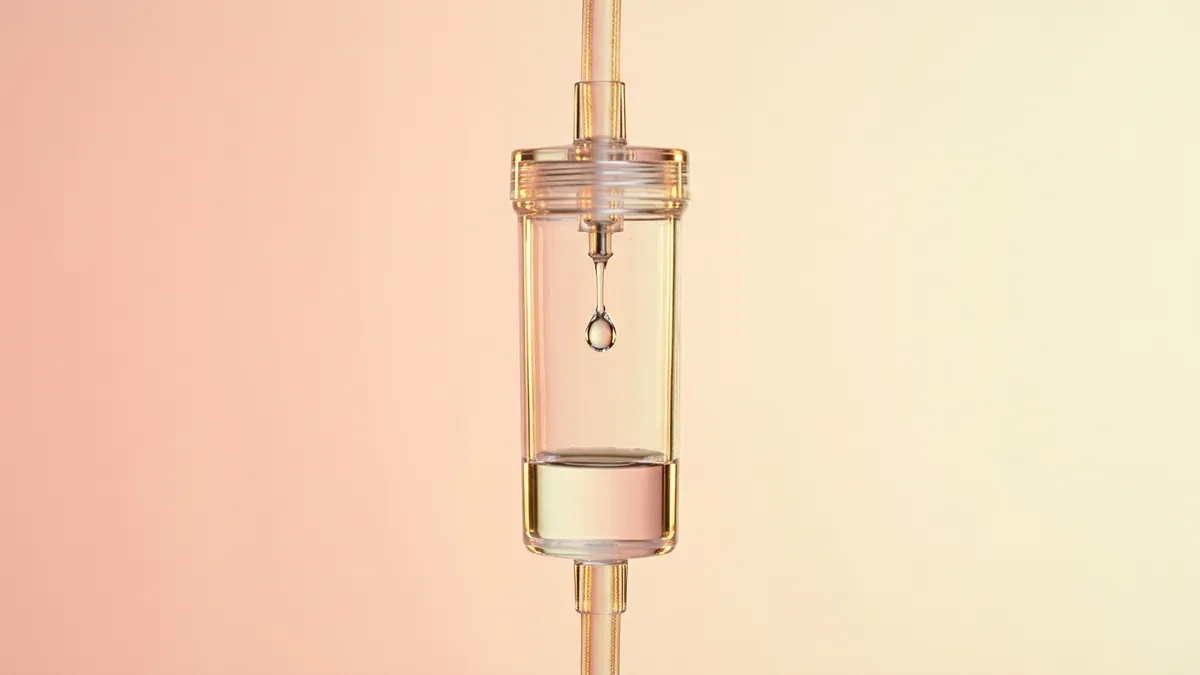
Understanding Subcutaneous Arm Injection: Clinical Meaning, Causes, Normal Ranges & Next Steps takes the stress and guesswork right out of home medication care. When we doctors prescribe an under-the-skin fat injection (subcutaneous injection) in the upper arm, our goal is straightforward: place delicate liquid medicines gently into the soft fat cushion beneath your skin so they enter your bloodstream slowly and steadily, without upsetting your stomach or bruising deep shoulder muscle.
Be honest, holding a syringe or prefilled pen at home for the first time feels a little nerve-racking, doesn't it? Whether you are managing blood sugar with daily insulin, using a weekly pen for weight or metabolic care, or helping a loved one with a biologic shot for arthritis or asthma, knowing the exact target zone on your sleeve changes everything.
Once you picture where that pillowy fat layer sits on the back of your upper arm, understand normal needle and fluid ranges, and know when to check in with your Primary Care Physician (PCP) / family GP clinic, every dose becomes calm, safe, and routine.
📌 Key Takeaways at a Glance
- Exact target zone: Always use the fleshy outer-back middle third of your upper arm — at least three finger-widths below your shoulder bone and three finger-widths above your elbow.
- Normal clinical ranges: Standard upper-arm doses measure 0.5 mL to 1.5 mL using ultra-thin 28G–32G needles that are 4 mm to 8 mm long.
- Right insertion angle: Short pen needles (4–6 mm) usually go straight in at 90 degrees, while longer syringes (8–12.7 mm) or very lean arms require a 45-degree angle with a gentle skin pinch.
- Smart site rotation: Space each new shot at least 1 inch (2.5 cm) away from the last spot to prevent rubbery fatty lumps under the skin (lipohypertrophy).
What Is a Subcutaneous Arm Injection, and How Does It Work Under Your Skin?
A subcutaneous arm injection is a gentle medical procedure that delivers small volumes of liquid medication directly into the soft fatty layer on the outer back of your upper arm, allowing slow, predictable absorption into tiny blood vessels without reaching the deeper shoulder muscle underneath.
Look at what happens right beneath your skin here. Your skin is built in three distinct layers: a thin waterproof outer shield (epidermis), a middle layer rich in pain sensors and sweat glands (dermis), and a soft insulating cushion of fat underneath called the subcutaneous tissue (hypodermis or adipose layer). Because this fatty cushion contains far fewer sharp-pain nerves than your surface skin and far fewer large blood vessels than deep muscle, medicine placed here absorbs gradually over several hours rather than flooding your circulation all at once. Pretty surprising, right?
That gentle, steady absorption is the entire clinical advantage. Protein-based medicines — such as insulins, hormone therapies, and modern antibody pens — would be broken apart by stomach acid right alongside your morning toast or oatmeal if swallowed as an ordinary pill. Placing them into upper-arm subcutaneous fat protects the active medicine and creates a smooth, reliable release curve.
Why Do Doctors Prescribe a Subcutaneous Injection on the Arm Instead of Muscle Shots?
Have you ever wondered why your annual flu or tetanus vaccine goes high into the rounded top of your shoulder, while insulin or a weekly biologic pen goes lower on the back of your arm? Standard vaccines are deep muscle shots (intramuscular injections) placed directly into the blood-rich deltoid muscle so immune cells spot them fast. If rapid-acting insulin accidentally enters muscle instead of fat, however, it absorbs far too quickly and can trigger a sudden, shaky drop in blood sugar (hypoglycemia).
In everyday practice, we doctors prescribe a subcutaneous injection on the arm for several common medical reasons:
- Diabetes and metabolic care: Daily background or mealtime insulins and weekly gut-hormone pens (GLP-1 receptor agonists) when rotating away from your abdomen or thighs.
- Autoimmune and inflammatory conditions: Biologic pens (monoclonal antibodies) for rheumatoid arthritis, psoriatic disease, severe asthma, eczema, or migraine prevention.
- Allergy, hormone, and specialty treatments: Allergy desensitization shots (allergen immunotherapy), fertility hormones, growth hormone, and certain bone-strengthening osteoporosis injections.
- Alternate site when belly skin needs rest: While blood-thinning injections (anticoagulants such as enoxaparin) usually belong in abdominal fat, clinicians occasionally use the upper arm if abdominal skin is scarred, bruised, or healing after surgery.
Now that makes sense, right? Using the back of your upper arm gives overworked belly and thigh skin time to recover during long-term treatment.
What Are the Normal Ranges for Needle Size, Dose Volume, and Exact Arm Landmarks?
Safe subcutaneous injection arm placement relies on clear measurements rather than guesswork. Think about it for a second: using a long muscle needle on a slender upper arm almost guarantees an accidental poke into your triceps muscle! To keep every upper-arm injection comfortable and accurate, we doctors follow four evidence-based clinical ranges:
- Anatomical landmark (The Three-Finger Rule): Relax your arm at your side or rest your hand on your hip. Measure three finger-widths down from the bony point of your shoulder (acromion process) and three finger-widths up from the bony tip of your elbow (olecranon). Inject only into the soft, fleshy outer-posterior pad in between — never on the top muscular cap and never on the inner arm where major nerves and blood vessels run.
- Normal fluid volume range: 0.5 mL to 1.5 mL is the comfortable standard per upper-arm site. Volumes exceeding 1.5 mL to 2.0 mL stretch fatty tissue and cause stinging or fluid leak-back, so higher volumes are normally divided into two separate injections.
- Needle length range: 4 mm to 6 mm for modern prefilled pen needles, and 6 mm to 8 mm (occasionally up to 12.7 mm / half an inch with a lifted skinfold) for standard vial-and-syringe setups.
- Needle thickness (gauge) and insertion angle: Higher gauge numbers mean thinner needles — typically 29G to 32G for watery insulins and 25G to 27G for thicker biologics. Insert straight in at 90 degrees with short 4–6 mm needles, or at 45 degrees into a pinched skinfold if using an 8–12.7 mm needle or injecting a very lean child or adult.
Simple enough once you map out that middle-back sleeve zone, isn't it?
How Do You Give a Subcutaneous Arm Injection Safely Step by Step?
Recall that three-finger landmark rule we walked through just a moment ago? There is one practical catch with the upper arm that we rarely stop to think about, do we? Because one hand operates the syringe or pen, your other hand cannot pinch the skin on the back of that same arm! If your needle length requires a skin pinch, ask a family member or caregiver to help — or check with your pharmacist or practice nurse whether an ultra-short 4 mm pen needle lets you inject safely at 90 degrees without pinching (some patients gently rest the back of their upper arm against a clean doorframe or smooth chair back to roll the soft fat pad outward into view).
- Warm and check your medication: Wash your hands thoroughly with soap and warm water. If your pen or vial is stored in the refrigerator, set it on the kitchen counter for 15–30 minutes while you fix your morning coffee or tea — cold liquid stings, though you should never microwave or heat it in hot water. Check the expiration date and confirm clear medicines look crystal clear without floating particles.
- Inspect and clean the skin: Check your outer-back upper arm in a mirror. Avoid bruises, scars, moles, sunburn, tattoos, rashes, firm lumps, or an arm affected by lymph-node surgery swelling (lymphedema). Wipe the chosen spot with an alcohol swab and let it air-dry for a full 10–15 seconds so wet alcohol does not sting.
- Insert smoothly and count to 10: Push the needle smoothly through the skin at your guided 90-degree or 45-degree angle — pulling back on the plunger to check for blood (aspiration) is unnecessary for subcutaneous shots. Press the plunger or pen button all the way down and count slowly to 10 before lifting the needle straight out.
- Dispose safely without recapping: If a tiny pinpoint drop of blood appears, press lightly with clean gauze or a cotton ball without rubbing, then drop the used needle immediately into a rigid, approved sharps container.
How Do Normal Arm Reactions Compare With Issues That Need Medical Care?
What do you think when you spot a tiny drop of clear liquid or a small purple bruise on your arm an hour after dosing? Most minor skin marks are harmless, yet others tell us your technique or rotation schedule needs a quick tweak. Compare what you see using this practical two-column clinical guide:
| Arm Finding or Reaction | Clinical Meaning & Recommended Action |
|---|---|
| Pinpoint drop of blood or clear fluid right after needle removal | The needle nicked a tiny surface capillary, or elastic skin pushed a trace droplet back through the needle track; tiny drops rarely change your overall dose. What you should do: Press gently with clean dry gauze for 10 seconds without massaging, and count a full 10 seconds before withdrawing the needle next time — never inject an extra repeat dose to "make up" for a droplet. |
| Brief stinging, coin-sized pinkness, or small bruise fading in 1–2 days | Often caused by injecting cold refrigerated medicine, inserting before alcohol dries, or mild capillary bruising (especially if you take daily aspirin or blood thinners). What you should do: Let refrigerated pens reach room temperature for 20 minutes first, let alcohol air-dry completely, and hold a cool cloth or wrapped bag of frozen peas over the spot for 5 minutes if tender. |
| Firm, rubbery, painless lump under the skin (Lipohypertrophy) | Injecting repeatedly into the exact same spot causes thickened fatty scar pads that trap medication and make blood sugar or symptom control swing erratically. What you should do: Rest that entire lumpy zone completely for several months, move every new injection at least 1 inch (2.5 cm) away, and ask your PCP or GP clinic to examine the area at your next visit. |
| Sharp deep pain on insertion or unusually sudden medication effect | The needle likely entered too high on the shoulder or went too deep into underlying triceps or deltoid muscle instead of subcutaneous fat. What you should do: Re-measure three finger-widths below the shoulder bone on the fleshy back of the arm, ask about switching to a 4 mm needle or 45-degree angle, and monitor blood glucose or symptoms closely. |
| Expanding redness, heat, throbbing pain, pus, or fever after 24–72 hours | Indicates a developing bacterial skin infection (cellulitis or localized abscess) rather than simple medication irritation. What you should do: Lightly trace the outer edge of redness with a pen to see if it expands, and visit your Primary Care Physician (PCP) / family GP clinic or local Urgent Care center the same day. |
Remember how we talked about that slow, steady absorption in healthy fat tissue earlier? Rotating systematically between your left upper arm, right upper arm, abdomen, and outer thighs keeps your skin supple for years. Store unopened pens on a middle shelf of your refrigerator (36°F–46°F / 2°C–8°C) away from frosty back cooling plates, and carry an insulated medical travel pouch during hot summer car trips or winter flights.
✔️ What You Should Do & ❌ What to Avoid
- ✔️ DO use a fresh sterile needle every single time: Even one reuse bends the microscopic tip into a tiny hook that tears tissue, increases bruising, and raises infection risk.
- ✔️ DO track your rotation spots: Alternate left and right arms or keep a simple phone note so no single square inch gets poked twice in the same month.
- ✔️ DO keep an approved sharps bin out of reach of children and pets: Check with your local pharmacy, municipal council, or clinic for free sharps drop-off or mail-back programs.
- ❌ DON'T rub or vigorously massage the site afterward: Rubbing speeds up local blood flow and can make insulin or biologics absorb much faster than intended.
- ❌ DON'T inject through clothing, sleeves, or scarred skin: Fabric fibers dull fine needles, block alcohol cleaning, and hide bleeding or lumps.
- ❌ DON'T recap used loose syringe needles by hand: Needle-stick injuries happen in a split second — slide the whole unit straight into your sharps container.
🚨 When to Seek Immediate Emergency Care (Red-Flag Symptoms)
If you or someone near you develops any of these red-flag symptoms after an injection, do not wait — call 911 (US & Canada), 999 or 111 (UK), or 000 (Australia) immediately, or go straight to the nearest hospital Emergency Room (ER / A&E):
- Signs of a severe whole-body allergic reaction (anaphylaxis): Sudden hives or widespread itching, swelling of the lips, tongue, face, or throat, wheezing, hoarse voice, or trouble breathing.
- Severe blood sugar crash or dosing emergency: Extreme confusion, slurred speech, inability to swallow safely, seizures, or loss of consciousness after an insulin or metabolic injection.
- Rapidly spreading infection signs: High fever with chills, red streaks traveling up the arm toward the armpit, severe worsening pain, or feeling dizzy, clammy, and faint.
- Uncontrolled bleeding or nerve injury: Heavy bleeding that does not stop after 10 minutes of firm direct pressure, or sudden electric-shock pain with persistent numbness or weakness in your hand and fingers.
💡 Key Take-Home Message
- Stick strictly to the soft, fleshy outer-back middle third of the upper arm using the three-finger rule below your shoulder and above your elbow.
- See? That is exactly why we doctors emphasize short 4–6 mm needles, room-temperature liquid, dry alcohol prep, and a calm 10-second count before removing the needle.
- Rotate at least 1 inch (2.5 cm) between shots, and ask your PCP / family GP clinic or pharmacist whenever you notice firm lumps, stinging, or tricky one-handed angles.
No comments yet. Be the first to share your question or experience below.