

Understanding the long-term side effects of Kenalog injection—including their clinical meaning, root causes, normal ranges for safe dosing, and practical next steps—helps you protect your body when managing stubborn joint pain, severe allergies, or chronic skin flare-ups. Kenalog is the brand name for a long-acting corticosteroid medication (triamcinolone acetonide) that calms intense inflammation fast. When used occasionally, it feels almost like magic. Pretty comforting when an aching knee or frozen shoulder finally lets you sleep, right?
Still, have you ever wondered what happens inside your tissues months after that medicine goes in, especially if you get shots several times a year? Because Kenalog is designed to linger in the body for weeks, repeated doses can quietly affect your skin, cartilage, bones, blood sugar, and hormone balance.
We doctors want you to get real pain relief without trading today's comfort for tomorrow's complications. Let us walk through how this injection works, what safe spacing looks like at your Primary Care Physician (PCP) or family GP clinic, and how you can spot subtle warning signs early.
📌 Key Takeaways at a Glance
- One shot rarely causes lasting harm: Most long-term side effects appear after frequent, high-dose, or closely spaced injections over many months or years, though localized skin dimpling can occasionally follow even a single superficial shot.
- Safe spacing matters: We doctors generally limit Kenalog injections in the same joint to no more than 3 to 4 times per year, keeping at least 12 weeks between doses.
- Local vs. whole-body effects: Repeated shots can thin local skin, tendons, or joint cartilage right where the needle enters, while absorbed medicine can gradually lower bone density, raise blood sugar, or slow natural stress-hormone output.
- Track your cumulative steroid load: Always count steroid tablets, inhalers, nasal sprays, and shots across different clinics together so your total exposure stays within safe limits.
What Are the Long-Term Side Effects of Kenalog Injection and What Do They Mean Clinically?
The long-term side effects of a Kenalog injection (triamcinolone acetonide) happen when repeated or high-dose steroid shots slowly thin nearby skin, joint cartilage, or tendons, or enter the bloodstream to weaken bones, raise blood sugar, and suppress natural adrenal hormone production over months or years.
When we doctors talk about the clinical meaning of these reactions, we separate them into two distinct buckets. First are local tissue changes right around the needle site, such as a small dent in the skin, a lighter patch of pigment, or gradual wear inside an arthritic joint. Second are systemic whole-body effects that build up when small amounts of steroid trickle into your bloodstream from deep muscle or joint injections.
Think about it for a second: redness on your cheeks or a mild ache the day after your appointment is a short-term reaction, not long-term damage. True delayed side effects show up weeks, months, or even years down the road—especially when steroid shots become a routine quick fix rather than a temporary bridge to physical therapy or targeted disease care. Makes sense, right?
How Does a Kenalog Injection Work Inside Your Body Over Months?
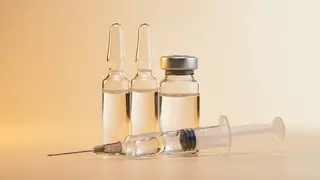
To see why delayed effects happen, look at how Kenalog is formulated. Unlike plain liquid medicines that wash out of your system within hours, Kenalog is a milky suspension packed with tiny, slow-dissolving steroid microcrystals (depot corticosteroid suspension). Once injected into an inflamed knee, bursa, skin scar, or deep buttock muscle, those crystals sit quietly like a slow-release reservoir, switching off inflammatory chemical messengers week after week.
Have you ever noticed how one shot can calm pain or severe hay fever for a month or two? That staying power is its biggest strength—and its hidden catch. While Kenalog dials down swelling, it also slows down the cells that build fresh collagen, bone matrix, and healthy fat pads.
We also distinguish true long-term effects from a temporary post-injection flare (crystalline synovitis), where joint pain briefly worsens for 24 to 48 hours right after the shot as immune cells react to the crystals. A post-shot flare settles with an ice pack in two days; cumulative steroid tissue thinning develops slowly and quietly without sudden warmth or redness.
What Are the Safe Dosing Ranges, Intervals, and Normal Lab Cutoffs to Watch?
Patients often ask us doctors what "normal ranges" apply to a steroid shot. Because Kenalog is a medication rather than a blood chemical of its own, clinical ranges cover both safe dosing limits and the routine lab numbers your family GP clinic checks if you receive repeated courses.
- Standard single-visit dose ranges: Small joints or skin keloids usually receive 2.5 mg to 10 mg; larger joints like knees, hips, or shoulders typically get 20 mg to 40 mg; deep intramuscular shots for widespread inflammation generally range from 40 mg to 80 mg.
- Safe spacing intervals: Clinical guidelines advise waiting at least 12 weeks (3 months) between injections into the same joint, capping total shots at 3 to 4 per year. Be honest—when pain creeps back at week six, you've felt tempted to ask for another shot early, haven't you? Waiting protects your tissues.
- Morning stress-hormone check: If long-term adrenal suppression is suspected, we order an 8:00 AM blood test (morning serum cortisol test). A normal morning level is typically 5 to 25 mcg/dL (140 to 690 nmol/L); readings below 3 mcg/dL (80 nmol/L) point strongly toward sluggish adrenal glands.
- Blood sugar and bone scans: Normal fasting blood glucose sits under 100 mg/dL (5.6 mmol/L), and a bone density scan (DEXA scan) T-score of -1.0 or higher indicates healthy bone strength.
Kenalog injections are strictly avoided if you have an active joint or skin infection, uncontrolled blood clotting issues, or a prosthetic joint replacement at the target site without orthopedic specialist clearance.
Why Can Repeated Kenalog Shots Cause Skin Dimpling, Cartilage Wear, or Tendon Weakness?
Remember how we talked about those slow-dissolving crystals sitting in one spot for weeks? If even a tiny drop of Kenalog tracks back toward the surface—common after superficial tendon, scar, or buttock shots—it can shrink fat cells and slow pigment cells right beneath the skin. Two to four months later, you might notice a painless indentation called skin dimpling (subcutaneous fat atrophy) or a pale patch (hypopigmentation), which shows up much more noticeably on medium to deeper skin tones.
Deeper inside weight-bearing joints, landmark clinical trials show that getting triamcinolone injections every three months for two straight years can measurably speed up joint cartilage thinning (steroid arthropathy) compared with saline injections. Steroids mute pain, yes, so you may walk harder on a joint whose shock absorber is gradually wearing thin. We rarely stop to think about that trade-off, do we?
Repeated injections placed too close to strained tendons—like the Achilles, patellar, or rotator cuff tendons—can also fray collagen fibers and raise the risk of tendon tear or rupture. Much more rarely, high cumulative steroid exposure can disrupt tiny blood vessels feeding the hip or shoulder ball, causing loss of bone blood supply (avascular necrosis or osteonecrosis).
How Do Frequent Steroid Injections Affect Your Hormones, Bones, and Blood Sugar?
Even when your doctor injects Kenalog straight into a knee or shoulder, part of the dose slips into your bloodstream over the following weeks. Deep muscle shots for allergies or rashes deliver the entire dose systemically. What do you think your own hormone glands do when they sense plenty of strong synthetic steroid floating around?
Your brain and adrenal glands naturally hit the pause button on making your body's built-in stress hormone, cortisol. If shots are repeated too often, this leads to adrenal gland slowdown (secondary adrenal insufficiency), leaving you exhausted, dizzy, or nauseated as the shot wears off. Conversely, excess cumulative steroid can trigger steroid hormone overload (iatrogenic Cushing syndrome), causing a rounded face, easy bruising, stubborn belly weight, and ankle fluid retention.
Over months and years, systemic absorption also slows bone-building cells while speeding up bone breakdown, leading to bone thinning (steroid-induced osteoporosis) and spine or hip fractures. In addition, Kenalog nudges your liver to release extra glucose and retain salt, raising HbA1c in people with prediabetes or diabetes and nudging blood pressure upward. Long-term exposure can even cloud the eye lens (posterior subcapsular cataracts), raise eye pressure (glaucoma), or temporarily shift menstrual cycles.
How Do Specific Long-Term Kenalog Side Effects Compare and What Daily Care Helps?
Just like we mentioned at the beginning, knowing whether a change is harmless and reversible or needs prompt medical review takes the guesswork out of recovery. Look through this quick side-by-side guide so you know exactly what each finding means and how to respond.
| Long-Term Side Effect or Finding | Clinical Meaning & Recommended Action |
|---|---|
| Skin dimpling or pale patch at shot site | Local fat cells shrink and pigment cells slow down 1 to 4 months after a superficial or intramuscular steroid shot. What you should do: Have your family doctor inspect the spot and avoid future injections in that area; fat pads often slowly refill over 6 to 18 months. |
| Shorter pain relief after each joint shot | Repeated intra-articular steroid doses may be accelerating underlying cartilage thinning or joint osteoarthritis progression. What you should do: Pause repeat steroid shots and ask your PCP or GP about targeted physical therapy, weight-offloading braces, or referral to an orthopedic or rheumatology specialist. |
| Crushing fatigue, nausea, or dizziness weeks later | Absorbed steroid may have temporarily suppressed your hypothalamus-pituitary-adrenal (HPA) axis, lowering natural cortisol output. What you should do: Book a prompt clinic visit for an 8:00 AM serum cortisol blood test, and tell any surgeon or dentist about your recent steroid shots before procedures. |
| Rising blood sugar or blood pressure readings | Triamcinolone increases insulin resistance in muscle and liver tissue while encouraging mild sodium and fluid retention. What you should do: Check home glucose and blood pressure logs more closely for 2 to 4 weeks post-shot, and ask your doctor if temporary medication adjustments are needed. |
| Silent bone loss or new back/rib aches | Multiple annual steroid injections reduce calcium absorption and weaken bone micro-architecture over time. What you should do: Discuss a baseline DEXA bone density scan with your PCP or GP, prioritize calcium-rich meals and vitamin D, and add gentle resistance exercises. |
| Deep groin, hip, or shoulder throbbing pain | Persistent deep joint ache that worsens when bearing weight can rarely signal early avascular necrosis (bone blood-flow loss). What you should do: Stop high-impact loading right away and see your doctor promptly; an MRI referral catches early bone changes long before plain X-rays do. |
Alongside medical follow-up, everyday habits protect your body between visits. Fill your plate with calcium-rich local staples like plain Greek yogurt, fortified milk or soy milk, canned salmon with soft bones, sardines, kale, and broccoli, paired with safe sunlight or a daily vitamin D supplement if your blood level runs low. Swap sugary sodas and white pastries for high-fiber oatmeal, berries, beans, and plenty of water to steady blood sugar spikes, and do low-impact swimming, cycling, or brisk neighborhood walks once your doctor clears you.
✔️ What You Should Do & ❌ What to Avoid
- ✔️ Keep a personal "steroid passport" note on your phone: Log the exact date, milligram dose, and body site of every Kenalog shot—plus any oral prednisone packs or steroid inhalers—so every clinic sees your true yearly total.
- ✔️ Rest a newly injected weight-bearing joint for 24 to 48 hours: Avoiding heavy squats, long runs, or heavy lifting right after a shot keeps the medicine inside the joint capsule and lowers tissue stress.
- ✔️ Use the pain-free window wisely: Treat relief from Kenalog as a golden opportunity to build muscle support through physical therapy rather than pushing worn cartilage harder.
- ❌ Never request intramuscular Kenalog shots every season for routine hay fever: Modern nasal steroid sprays, antihistamines, and immunotherapy control allergies far more safely without whole-body hormone, bone, or skin-dent risks.
- ❌ Do not doctor-shop across Urgent Care centers for early repeat shots: Getting injections in multiple clinics within a few weeks dramatically spikes your risk of Cushingoid changes, bone loss, and infection.
🚨 When to Seek Immediate Emergency Care (Red-Flag Symptoms)
If you or someone near you develops any of these red-flag symptoms, do not wait — call 911 (or 999 in the UK / 000 in Australia) immediately or go straight to the nearest hospital Emergency Room (ER / A&E):
- Signs of a deep joint infection (septic arthritis): Rapidly worsening, severe pain, hot red swelling around the injected joint, inability to move the limb, fever, or chills starting 2 or more days after an injection.
- Adrenal crisis warning signs: Extreme weakness, fainting or severe lightheadedness when standing, relentless vomiting, confusion, or severe abdominal pain—especially during a flu, stomach bug, or surgery months after frequent steroid shots.
- Dangerously high blood sugar emergency: Fruity-smelling breath, unquenchable thirst, frequent urination, blurry vision, rapid breathing, or confusion in anyone with diabetes.
- Sudden tendon snap or acute vision pain: Hearing or feeling a sharp pop in your heel, knee, or shoulder with sudden inability to push off or lift, or sudden severe eye pain, halos around lights, or rapid vision loss.
💡 Key Take-Home Message
- Kenalog injections are safe and genuinely helpful when used sparingly, at the lowest effective dose, with at least 3 months between shots in the same joint.
- Most serious long-term side effects—thinning bones, cartilage loss, adrenal slowdown, and metabolic shifts—come from repeated or high cumulative exposure over time.
- Partnering with your PCP or family GP clinic to address the root cause of pain ensures you stay active and mobile for decades, not just the next six weeks.


No comments yet. Be the first to share your question or experience below.