

Understanding open heart surgery recovery time—its clinical meaning, causes of delays, normal ranges, and next steps—takes much of the fear out of preparing for a major cardiac operation. Whether you are scheduled for heart bypass surgery (coronary artery bypass grafting, or CABG), a heart valve repair, or surgery on your main artery (aorta), we doctors know your biggest worry goes well beyond the operating room. Be honest—you have probably wondered how soon you will sleep comfortably at home, walk around the block without feeling winded, or get behind the wheel again, haven't you?
Here is the reassuring truth: healing happens along two steady, overlapping tracks. First, your breastbone needs quiet structural protection to fuse solidly; second, your heart, lungs, and leg muscles gradually rebuild everyday stamina. Throughout your journey home, your Primary Care Physician (PCP) or family GP clinic works hand in hand with your cardiologist and hospital surgical team so you never have to guess what comes next.
📌 Key Takeaways at a Glance
- Hospital stay: Most uncomplicated open-heart procedures require 4 to 7 days in the hospital, including 1 to 2 days in the Intensive Care Unit (ICU).
- Breastbone healing window: Your breastbone reaches roughly 80% stability at 6 to 8 weeks and achieves full solid bone fusion by 12 weeks.
- Full energy restoration: Rebuilding complete cardiovascular stamina and upper-body strength typically takes 3 to 6 months.
- Strict lifting rule: Avoid lifting, pushing, or pulling anything heavier than 5 to 10 pounds (2 to 4.5 kg—about a gallon jug of milk or a full kettle) for 6 to 8 weeks.
- Biggest recovery booster: Enrolling in supervised heart exercise (cardiac rehabilitation) cuts hospital readmissions and lowers long-term heart risk by up to 30%.
What Is the Normal Open Heart Surgery Recovery Time and What Does It Mean Clinically?
Open heart surgery recovery time typically spans 6 to 12 weeks for your breastbone to fuse solidly, following an initial 4- to 7-day hospital stay. Full cardiovascular stamina, chest wall strength, and energy restoration usually take 3 to 6 months, depending on your procedure, age, overall health, and participation in cardiac rehabilitation.
When we doctors talk about the clinical meaning of recovery time for open heart surgery, we separate healing into structural healing and functional recovery. Structural healing refers to closing the surgical skin wound within 10 to 14 days and fusing the divided breastbone incision (median sternotomy) over 6 to 12 weeks. Functional recovery means clearing excess surgical fluid, restoring blood counts, and retraining your heart and muscles for full independence. Makes sense when you split those two up, right?
It also helps to distinguish traditional open-heart surgery from newer keyhole or catheter procedures. Traditional surgery opens the breastbone directly so the surgeon has a clear view of your heart arteries or valves. By contrast, catheter-based valve procedures such as transcatheter aortic valve replacement (TAVR or TAVI) or robotic keyhole repairs leave the breastbone intact, shortening initial recovery to just 1 to 4 weeks. Always ask your surgical team which approach applies to you.
How Does Your Body Heal Internally After Open Heart Surgery?
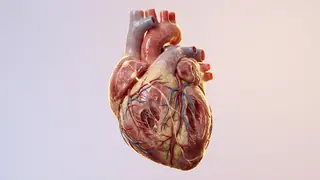
Have you ever wondered why your legs, shoulders, or upper back sometimes ache more than your heart itself after surgery? Look at what happens inside your chest during the operation. To reach the heart safely, the surgeon makes a clean vertical breastbone incision (median sternotomy) and gently holds the rib cage apart, stretching small chest and back joints. At the end of surgery, biocompatible stainless steel wires or titanium plates secure the two halves of the breastbone tightly together—and those wires stay safely in place for life while bone-building cells (osteoblasts) knit new bone across the gap.
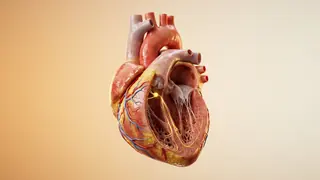
During many open-heart operations, a heart-lung bypass machine (cardiopulmonary bypass) temporarily pumps and oxygenates your blood while the surgeon works steadily on a still heart. Although remarkably safe, this circulation shift triggers a brief whole-body inflammatory wave, mild fluid retention, and a temporary dip in red blood cells (post-operative anemia). That explains why feeling tired, slightly puffy in the ankles, or mildly foggy-headed for a couple of weeks is completely physiological. Pretty surprising, right?
In your Primary Care Physician (PCP) or family GP clinic, we carefully distinguish normal healing sensations from treatable post-surgical syndromes. Dull soreness along the center of the chest or numbness where a leg vein (saphenous vein) or chest artery was harvested is normal nerve and muscle healing. However, sharp chest pain that worsens when lying flat and eases when leaning forward points toward inflammation of the heart's outer sac (pericarditis), while worsening breathlessness can signal fluid buildup around the lungs (pleural effusion), prompting a quick chest X-ray or heart ultrasound scan (echocardiogram).
What Does the Week-by-Week Recovery Timeline for Open Heart Surgery Look Like?
Remember what we mentioned at the very beginning about healing unfolding in predictable stages rather than overnight? Breaking your recovery into clear milestones helps you measure genuine progress week by week without feeling frustrated on slower days.
- Days 1 to 7 (ICU and Hospital Ward): You wake up in the ICU, where nurses remove your breathing tube within hours once you breathe strongly on your own. Within 24 hours, physiotherapy staff help you sit upright in a chair and take your first steps. Chest drain tubes and temporary pacing wires come out around days 2 to 3, and you go home around day 4 to 7 once you can walk down the corridor, keep food down, pass urine normally, and maintain a steady heart rhythm.
- Weeks 1 to 4 (Early Home Recovery): Skin incisions seal over the first 2 weeks, and staples or surface stitches—if not dissolvable—are removed at your GP clinic or surgical follow-up. You will take short, flat 5- to 10-minute walks two or three times daily, building up toward 20 to 30 minutes by week 4, interspersed with afternoon rest.
- Weeks 6 to 12 (Bone Union and Cardiac Rehab): Around weeks 4 to 6, your specialist team clears you to start outpatient supervised heart exercise and education (cardiac rehabilitation). By weeks 6 to 8, your breastbone handles everyday arm movements comfortably, allowing most patients to resume driving and desk work.
- Months 3 to 6 (Full Cardiovascular Remodeling): Your breastbone reaches complete structural strength after week 12, and activities like golf, swimming, gardening, and brisk hiking feel natural again.
What Causes Slower Healing and Which Sternal Precautions Must You Follow?
What do you think trips people up most once they get home—lingering soreness, or doing too much on their first energetic afternoon? Almost always, it is overdoing upper-body movement too early! We rarely stop to think about our breastbone flexing every time we push open a heavy door, do we? For the first 6 to 8 weeks, follow strict breastbone rules (sternal precautions): do not lift, push, or pull more than 5 to 10 pounds (2 to 4.5 kg), never use your arms to push yourself out of bed or a chair, and practice the "Keep Your Move in the Tube" method by keeping your upper arms tucked close to your ribs when reaching.
Several clinical factors can stretch recovery time for open heart surgery beyond 12 weeks. Smoking or vaping constricts tiny blood vessels and starves healing bone of oxygen. Uncontrolled diabetes slows white blood cell activity and raises wound infection risk, while chronic lung disease (COPD) with frequent coughing places repeated mechanical stress on sternal wires. Roughly 20% to 35% of patients also experience a temporary irregular upper-chamber heartbeat (atrial fibrillation) in the first post-op week, which is readily controlled with medication but may add a day or two to hospital monitoring.
During your 1- to 2-week checkup at your PCP or family GP clinic, we track clear evidence-based targets to keep healing on schedule: maintaining blood glucose consistently under 180 mg/dL (10.0 mmol/L), keeping resting blood pressure near or below 130/80 mmHg, checking blood counts and kidney electrolytes if you take water tablets (loop diuretics), and confirming you take prescribed clot-preventing tablets (antiplatelet or anticoagulant therapy) every day.
How Can You Tell Normal Healing From Complications, and How Should You Care for Yourself at Home?
When you are recovering in your own living room, knowing whether a new twinge is normal healing or warrants a medical call brings huge peace of mind. Use this two-column guide to sort everyday post-surgical changes from signs that need prompt clinical review.
| Post-Surgery Symptom or Situation | Clinical Meaning & Practical Next Step |
|---|---|
| Mild itching, numbness, or tight pulling along the chest scar | Normal skin nerve regeneration and collagen remodeling around a healing incision. What you should do: Leave surgical scabs or glue strips to fall off naturally, wear loose soft cotton shirts, and avoid rubbing lotions or ointments onto the scar until it is completely sealed and dry. |
| Clicking, popping, shifting, or oozing from the breastbone | Possible sternal wire loosening (sternal instability) or early superficial/deep wound infection. What you should do: Contact your cardiothoracic surgical team or PCP / family GP clinic the same day for a physical examination, wound swab, or referral for imaging; go to the ER / A&E if accompanied by fever. |
| Slight ankle swelling in the evening where a leg vein was removed | Expected lymphatic and venous fluid adjustment while collateral circulation adapts. What you should do: Prop your legs up on footstools when sitting, wear prescribed compression stockings during the day, and take short hourly indoor walks to pump fluid upward. |
| Sudden weight gain of more than 2 to 3 lbs (1 to 1.5 kg) overnight or 5 lbs in a week | Fluid retention indicating your body is holding extra salt and water rather than fat gain. What you should do: Weigh yourself every morning after using the bathroom before breakfast, record the number, and call your GP or cardiology nurse promptly so your diuretic dose can be adjusted. |
| Racing, fluttering, or irregular pulse at rest | Possible post-operative irregular rhythm such as atrial fibrillation. What you should do: Arrange a same-day check at your PCP / GP clinic or local Urgent Care center for a heart electrical tracing (electrocardiogram, or ECG/EKG), or head to the ER / A&E if you feel dizzy or breathless. |
| Low mood, tearfulness, vivid dreams, or poor appetite in weeks 1 to 3 | Common neurochemical and emotional adjustment after major surgery and anesthesia. What you should do: Eat small protein-rich snacks every 3 hours, get morning daylight, and talk openly with your family doctor if low mood or anxiety lasts past 2 weeks. |
Everyday home care makes a remarkable difference to how quickly your strength bounces back. Even if your appetite feels small at first, fuel bone and muscle repair with familiar, nourishing foods: warm morning oatmeal or porridge topped with berries, Greek yogurt, scrambled eggs, grilled salmon or skinless chicken breast, beans, steamed greens, olive oil, and low-sodium homemade vegetable soup. In winter snow or summer heat across North America, the UK, or Australia, swap outdoor hills for flat indoor laps inside a local shopping mall or hallway.
Keep shower routines simple: let lukewarm water and mild unscented soap run gently down your chest without direct shower-head pressure, never soak in a bath, hot tub, or swimming pool until your surgeon confirms full skin closure, and pat your incision dry with a freshly laundered towel first. For comfortable sleep, prop your upper back on two pillows or a foam wedge, and clasp a soft hug-pillow gently against your chest whenever you laugh, sneeze, or cough.
✔️ What You Should Do & ❌ What to Avoid
- ✔️ Do weigh yourself every morning: Step on the scale after emptying your bladder and before breakfast, wearing similar light clothing, to spot hidden fluid retention early.
- ✔️ Do use your breathing exerciser (incentive spirometer): Practice slow, deep breaths 10 times every waking hour during the first 2 weeks to keep tiny lung air sacs open and prevent chest infections.
- ✔️ Do enroll in cardiac rehabilitation: Ask your hospital discharge team or family doctor to confirm your referral so you build exercise confidence safely on monitored equipment.
- ❌ Avoid using your arms to push out of chairs or bed: Roll onto your side cautiously as taught by your physiotherapist and let your leg and core muscles power you up.
- ❌ Avoid driving until medically cleared: Wait the full 4 to 8 weeks advised by your surgeon and local licensing/insurance rules—an airbag deployment or sudden steering jerk can injure an unhealed breastbone.
- ❌ Avoid stopping heart medications on your own: Never skip blood thinners, cholesterol-lowering statins, or beta-blockers even when you start feeling completely back to normal.
🚨 When to Seek Immediate Emergency Care (Red-Flag Symptoms)
If you or someone near you develops any of these red-flag symptoms, do not wait — call 911 (US & Canada), 999 or 111 (UK), or 000 (Australia) immediately or go straight to the nearest hospital Emergency Room (ER / A&E):
- Crushing, squeezing, or radiating chest pain: Especially pain spreading to your jaw, neck, back, or arms that feels like pre-surgery angina rather than surface scar soreness.
- Sudden shortness of breath at rest or gasping when lying flat: A potential warning sign of fluid around the heart or lungs, heart failure, or a blood clot in the lung (pulmonary embolism).
- Fever of 100.4°F (38.0°C) or higher, chills, or thick pus/redness spreading from your chest wound: Urgent evaluation is vital to rule out deep sternal infection (mediastinitis).
- Bright red bleeding soaking through a surgical dressing, black tarry stools, or coughing up blood: Especially critical if you take prescription blood thinners.
- Fainting, severe dizziness, or a racing irregular heartbeat over 120 beats per minute at rest.
- Sudden facial drooping, arm weakness, or slurred speech: Classic stroke warning signs requiring immediate emergency transport.
💡 Key Take-Home Message
- Expect 4 to 7 days in the hospital, 6 to 12 weeks for solid breastbone fusion, and 3 to 6 months to feel your full stamina return.
- Respect the 5- to 10-pound (2 to 4.5 kg) lifting limit and hug a pillow to your chest when coughing so your breastbone wires heal undisturbed.
- Short, frequent daily walks, protein-rich heart-smart meals, good blood sugar control, and supervised cardiac rehab are your fastest, safest path back to normal life.

No comments yet. Be the first to share your question or experience below.