
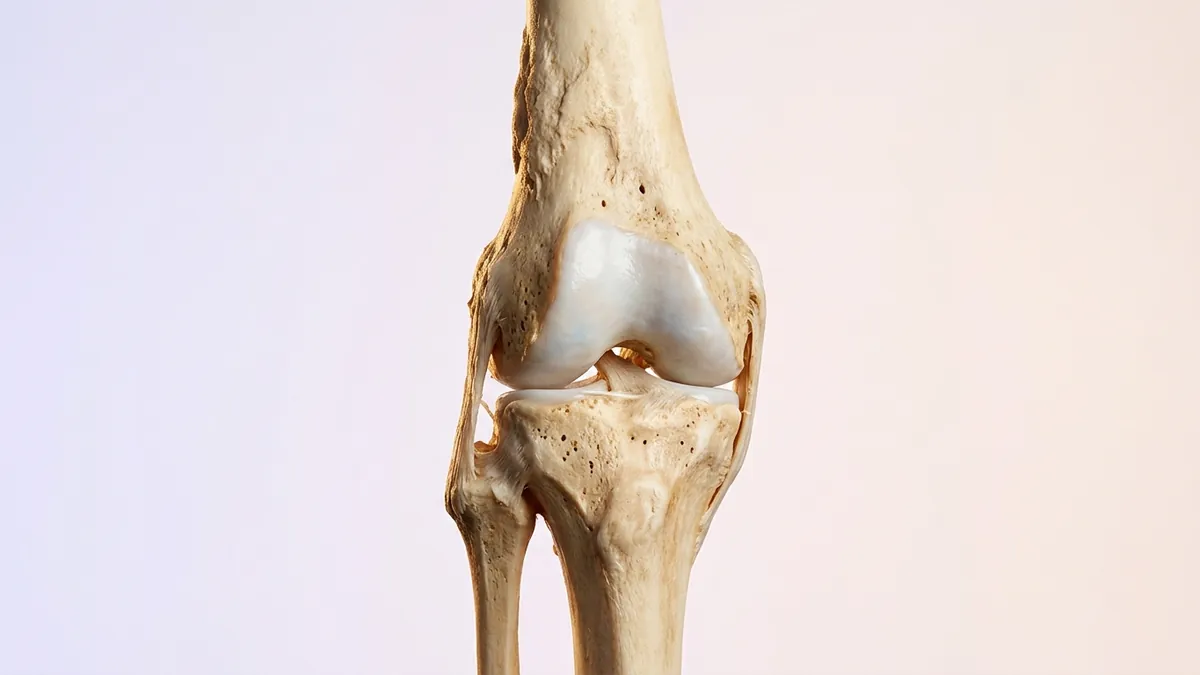
When you search for a knee ablation procedure — clinical meaning, causes, normal ranges, and next steps — chances are you are tired of planning your entire day around an aching knee. Be honest, you have probably already tried resting it, rubbing on anti-inflammatory gels, taking pain tablets, or even getting joint injections, haven't you? When everyday tasks like climbing stairs, walking through the grocery store, or sleeping on your side still trigger deep knee pain, we doctors look for targeted options that calm the pain without rushing you into an operating theater.
A knee ablation procedure, known medically as targeted knee nerve heat treatment (genicular nerve radiofrequency ablation), bridges the gap between temporary steroid shots and major joint surgery. Even more remarkably, it can also help the 15 to 20 percent of people whose knees still ache months after a technically successful knee replacement. Pretty surprising, right?
At your Primary Care Physician (PCP) or family GP clinic, we doctors start by examining your joint mechanics, reviewing simple weight-bearing X-rays, and ruling out hidden mimics. When chronic joint pain keeps holding you back, referring you to an interventional pain specialist or musculoskeletal radiologist for a knee ablation evaluation can be a practical, game-changing next step.
📌 Key Takeaways at a Glance
- What it does: A knee ablation procedure uses pinpoint radiofrequency heat through thin needles to temporarily switch off sensory pain nerves around the knee without incisions or stitches.
- Mandatory test step first: Specialists always perform a temporary numbing test shot first, looking for at least 50 to 80 percent temporary pain relief before scheduling the actual ablation.
- Expected relief range: Most patients experience meaningful pain reduction lasting 6 to 12 months, and sometimes up to 18 or 24 months, before those tiny sensory fibers slowly regrow.
- Muscle strength stays safe: The targeted nerves carry only pain signals, so your thigh and calf muscles, balance, and joint structure remain intact.
- Fast outpatient recovery: You walk out the same day, return to light daily routines within 24 to 48 hours, and typically feel full peak relief within 2 to 4 weeks.
What Is a Knee Ablation Procedure and How Does It Stop Pain?
A knee ablation procedure (genicular nerve radiofrequency ablation) is a minimally invasive outpatient treatment that uses targeted radiofrequency heat to temporarily quiet small sensory nerves around your knee, blocking chronic pain signals from reaching your brain for six to twelve months without incisions or joint surgery.
Think about it for a second: your knee cartilage itself does not actually contain pain fibers, so why does a worn-out knee hurt so badly? Surrounding the outside of your knee capsule is a network of tiny sensory branches called the genicular nerves — mainly the superior medial, superior lateral, and inferior medial genicular branches. Unlike the major nerves that power your leg muscles, these small branches have one job: carrying pain messages from inflamed bone and joint tissue up to your brain.
During ablation, a specialist guides a thin, insulated needle tip right beside each target branch and delivers controlled radiofrequency waves. That gentle heat interrupts the microscopic pain fiber pathway while leaving your kneecap, ligaments, and leg strength completely untouched. Before recommending it, we doctors carefully distinguish true joint-capsule pain from closely related conditions like a pinched lower-back nerve (lumbar radiculopathy) shooting pain down your leg, sudden inflammatory crystal flares (gout), or a torn cartilage flap mechanically locking the joint. Now that makes sense, right?
What Causes Chronic Knee Pain and Who Qualifies for Nerve Ablation?
Have you ever wondered why knee pain can stay switched on long after an initial flare-up settles? In daily practice, the number-one cause leading to a knee ablation procedure is moderate-to-severe wear-and-tear joint arthritis (osteoarthritis). Over time, protective cartilage thins out, bone surfaces rub together, and those surrounding genicular nerves become chronically sensitized — firing pain signals even during gentle movement across the living room.
We doctors also refer two other key groups of patients. First are adults who need knee replacement surgery (total knee arthroplasty) on X-ray, but either want to delay surgery for work or family reasons or carry medical risks — such as heart disease, lung conditions, or high body mass — that make general anesthesia risky right now. Second are people living with persistent, unexplained aching after a previous knee replacement once loose hardware and infection have been ruled out.
Not everyone is a candidate, however. Specialists hold off on knee ablation if you have an active skin rash or cellulitis over the knee, a suspected deep joint infection (septic arthritis), uncontrolled bleeding conditions, severely unstable knee ligaments, or pregnancy, since live X-ray guidance is normally used during needle placement. Checking these safety boxes at your family GP or PCP clinic keeps your care smooth from day one.
What Are the Normal Ranges, Diagnostic Cutoffs, and Preparation Steps?
Patients often ask us what numbers and clinical cutoffs count as "normal" when planning a knee ablation procedure. First comes the diagnostic test shot, known clinically as a temporary test nerve block (diagnostic genicular nerve block). On a separate visit beforehand, your specialist places a tiny 0.5 to 1.0 milliliter drop of numbing medicine — such as lidocaine or bupivacaine — next to those three pain nerves. In medical guidelines, achieving at least 50 percent pain relief (and many clinics aim for 70 to 80 percent relief) over the next two to six hours confirms that ablation is highly likely to work for you.
Second are the exact treatment and recovery ranges. Standard thermal ablation warms the needle tip to 80°C (176°F) for 90 seconds, whereas water-cooled treatment (cooled radiofrequency ablation) circulates water inside the probe tip at 60°C (140°F) to create a slightly wider treatment zone when nerve paths vary slightly. Because peripheral sensory fibers naturally regenerate at roughly 1 millimeter per day, the normal relief window runs 6 to 12 months, with plenty of patients staying comfortable for up to 18 months. We rarely stop to think about nerves regrowing at a millimeter a day, do we?
Preparing is straightforward: wear loose athletic shorts or wide-leg trousers, arrange for a family member or friend to drive you home, fast for six hours only if mild intravenous relaxation medicine is planned, and never stop prescribed blood thinners (anticoagulants) without explicit clearance from your prescribing doctor.
What Happens Step-by-Step on Procedure Day and During Recovery?
Remember how we talked about that diagnostic test block earlier? Once your test block confirms strong temporary pain relief, the actual ablation visit feels very familiar and usually takes just 30 to 45 minutes at an outpatient pain center or hospital radiology suite. You lie comfortably on your back with a soft bolster pillow resting beneath your knee, your skin is cleaned thoroughly with antiseptic solution, and tiny numbing injections dull the skin entry points.
Using live X-ray guidance (fluoroscopy) or high-resolution ultrasound, the specialist guides thin insulated needles (cannulae) to the exact bony landmarks where your genicular nerves travel. Before turning on the treatment heat, they run a brief two-second sensory and motor check — verifying that no leg muscles twitch. See? That built-in safety check is why motor nerve injury is extraordinarily rare. Next, local anesthetic numbs the deeper tissue, and the 90-second radiofrequency wave quietly treats each nerve.
Afterward, small adhesive bandages cover the pinhole sites, and you walk out after a short 15-minute observation check. Over the first 3 to 7 days, mild bruised soreness or a faint sunburn-like warmth around the knee is completely expected. While some people feel lighter within days, the treated pain fibers calm down gradually, reaching peak pain relief between 2 and 4 weeks post-procedure.
How Does Knee Ablation Compare With Injections, Surgery, and Recovery Signs?
When weighing your options with your doctor or tracking how your knee feels afterward, comparing treatments and recovery findings side by side makes decisions much clearer. Look at what happens across each common scenario below:
| Option or Post-Procedure Finding | Clinical Meaning & Practical Next Steps |
|---|---|
| Steroid Knee Injection (Corticosteroid Shot) | Calms active joint-lining inflammation fast, typically lasting 4 to 12 weeks, though repeated shots over years can thin remaining cartilage. What you should do: Consider moving to a diagnostic nerve block evaluation if steroid shots wear off faster than three months. |
| Gel Injection (Viscosupplementation / Hyaluronic Acid) | Adds lubricating fluid inside mild-to-moderate arthritic knees for up to 6 months, but works less reliably once severe bone-on-bone wear sets in. What you should do: Ask your PCP or pain specialist about knee ablation if lubricating gel shots failed to ease walking pain. |
| Standard Thermal vs. Cooled Radiofrequency Ablation | Both interrupt genicular pain signals for 6 to 12+ months; cooled probes create a slightly larger spherical zone useful around altered surgical anatomy. What you should do: Discuss with your interventional specialist which probe style matches your knee X-rays and insurance coverage. |
| Mild Soreness or Skin Numbness (Days 1–7) | Normal local tissue reaction and tiny surface skin-nerve quieting right over the needle spots; resolves steadily without harming joint strength. What you should do: Apply a cloth-wrapped ice pack for 15 minutes several times daily and use simple paracetamol or acetaminophen if cleared by your doctor. |
| Total Knee Replacement (Total Knee Arthroplasty) | Surgically resurfaces worn joint ends to correct severe deformity and mechanical instability permanently, requiring months of structured rehabilitation. What you should do: Use knee ablation when you want non-surgical relief now, need time to build thigh strength pre-surgery, or cannot undergo anesthesia safely. |
In everyday life, pair your newly quieted knee with joint-friendly habits: sip plenty of water or unsweetened herbal tea, build meals around anti-inflammatory staples like baked salmon, olive oil, leafy greens, oatmeal, and berries, and ease into low-impact stationary cycling, heated pool walking, or guided physiotherapy so stronger quadriceps muscles support your joint long-term.
✔️ What You Should Do & ❌ What to Avoid
- ✔️ Keep an hourly pain diary during your test block: Write down exactly how your knee feels climbing stairs or walking for the first six hours after your diagnostic numbing shot so your specialist gets crystal-clear data.
- ✔️ Ice gently for the first 48 hours: Place a cold pack wrapped in a clean kitchen towel on the needle sites for 15 to 20 minutes at a time to settle post-procedure soreness.
- ✔️ Use your pain-free window to strengthen leg muscles: Once soreness fades after week one, work with a physical therapist or physiotherapist on gentle thigh-strengthening moves.
- ❌ Do not soak in baths, hot tubs, or swimming pools for 48 hours: Showers are fine after 24 hours, but submerging pinhole needle sites early invites skin bacteria in.
- ❌ Avoid driving or operating machinery on procedure day: Numbing medicine around the knee and any mild sedation can temporarily slow your braking reflexes for 24 hours.
- ❌ Never jump straight into high-impact running or heavy squats: Remember, ablation turns down pain alarms without rebuilding worn cartilage, so overloading the joint suddenly can still strain underlying bone.
🚨 When to Seek Immediate Emergency Care (Red-Flag Symptoms)
If you or someone near you develops any of these red-flag symptoms after a knee nerve block or ablation, do not wait — call 911 (US & Canada), 999 or 111 (UK), or 000 (Australia) immediately or go straight to the nearest hospital Emergency Room (ER / A&E):
- High fever, chills, or a hot, rapidly swelling red knee: These can signal a serious deep joint infection (septic arthritis) that needs urgent hospital treatment.
- Sudden new leg weakness, buckling, or inability to lift your foot: Any unexpected loss of muscle control requires immediate neurological assessment.
- Rapidly expanding painful lump or uncontrolled bleeding at a needle site: Especially important if you take blood-thinning medications.
- One-sided calf swelling, cramping warmth, or sudden shortness of breath: Warning signs of a leg vein blood clot (deep vein thrombosis) or lung clot.
- Hives, throat tightness, dizziness, or facial swelling: Signs of a severe allergic reaction to antiseptic prep or local anesthetic.
💡 Key Take-Home Message
- A knee ablation procedure quiets overactive pain nerves without cutting open the knee, offering 6 to 12+ months of relief when tablets and joint shots fall short.
- Passing a quick diagnostic numbing test block with at least 50 to 80 percent temporary relief is the single best predictor of strong long-term success.
- Combining that calmer, lower-pain window with gentle physiotherapy and steady weight management protects your mobility and independence for years ahead.




No comments yet. Be the first to share your question or experience below.