
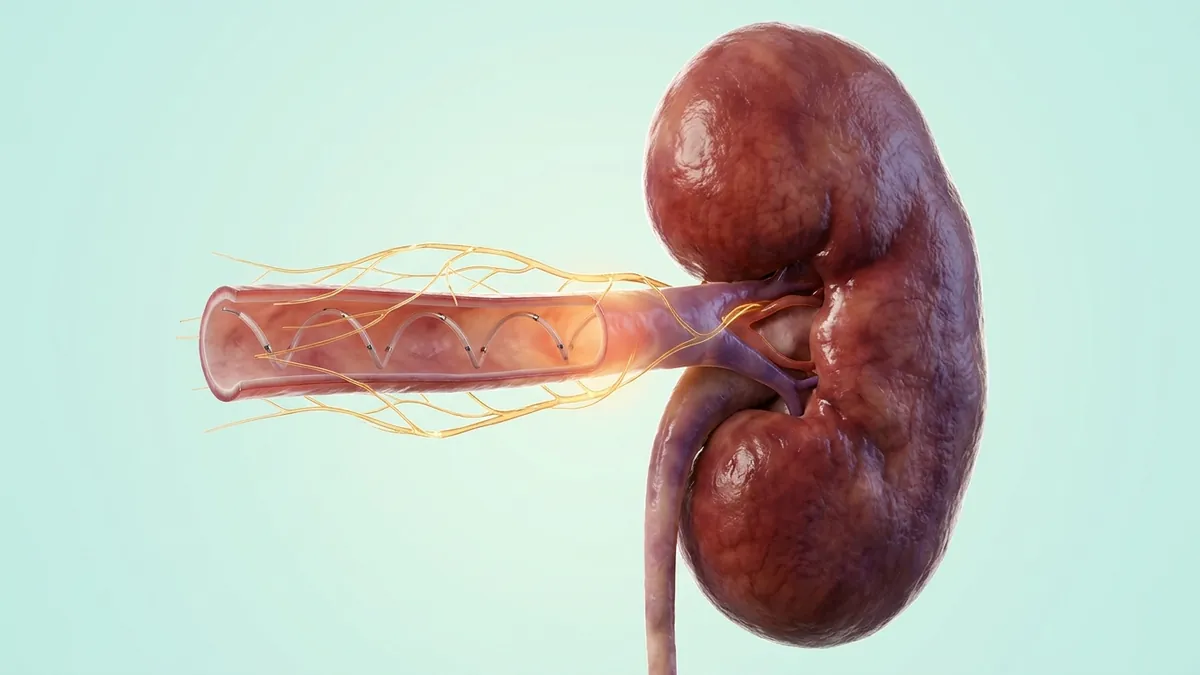
If you have been researching Catheter Renal Denervation (Paradise Ultrasound & Symplicity Spyral) for Resistant High Blood Pressure: Who Qualifies?, chances are you or someone you love is tired of seeing high numbers on a home arm cuff despite faithful daily habits. Be honest, swallowing three, four, or even five blood pressure tablets every morning—only to watch your top number stubbornly hover in the 150s—gets exhausting, doesn't it? For years, when lifestyle changes and combination pills fell short, we doctors had very few options left besides adding yet another prescription with tough side effects.
Today, a minimally invasive hospital procedure called kidney artery nerve calming therapy (catheter-based renal sympathetic denervation, or RDN) offers a proven third pillar alongside heart-healthy living and medication. Using either gentle sound waves (the Recor Medical Paradise Ultrasound system) or targeted radiofrequency warmth (the Medtronic Symplicity Spyral system), interventional specialists quiet overactive nerves wrapped around your kidney arteries.
Whether you see a Primary Care Physician (PCP) in the United States, a family GP clinic in the United Kingdom or Australia, or a family doctor in Canada, knowing who genuinely benefits—and who should skip this procedure—helps you ask the smartest questions at your next appointment. Think about it for a second: lowering your systolic blood pressure by just 10 points cuts your long-term risk of stroke and heart failure substantially. Makes sense why cardiology teams are excited about this option, right?
📌 Key Takeaways at a Glance
- An add-on, not an instant pill replacement: Catheter renal denervation works alongside your existing blood pressure plan to nudge stubborn readings closer to safe targets; most people still need daily tablets afterward.
- Two proven technologies: Both the FDA-authorized Paradise Ultrasound system and the Symplicity Spyral radiofrequency catheter deliver comparable, durable blood pressure drops of roughly 8 to 15 mmHg over time.
- Strict eligibility checks matter: Candidates typically have confirmed readings at or above 140/90 mmHg despite three complementary medications (or documented drug intolerance), healthy kidney artery shape, and kidney filtering function (eGFR) of at least 40.
- Outpatient keyhole approach: Performed through a tiny puncture near the groin under light twilight sedation in about 45 to 90 minutes, most patients return home the same day or the following morning.
- Gradual, lasting results: Blood pressure rarely drops overnight; nerve signaling settles steadily over 2 to 6 months and holds strong across multi-year follow-up studies.
eGFR calculator using the CKD-EPI 2021 equation. Estimate kidney function from creatinine and identify CKD stage.
Catheter Renal Denervation (Paradise Ultrasound & Symplicity Spyral) for Resistant High Blood Pressure: Who Qualifies?
Adults typically qualify for catheter renal denervation when blood pressure stays at or above 140/90 mmHg despite three maximally tolerated medications or documented drug intolerance. Candidates for Paradise Ultrasound or Symplicity Spyral must also rule out secondary causes, have kidney eGFR of 40 or higher, and show suitable artery anatomy.
In everyday family practice, we doctors group good candidates into two main profiles. First are adults with true stubborn high blood pressure (resistant hypertension)—meaning your clinic and out-of-office numbers stay elevated even though you consistently take a three-drug foundation: usually an ACE inhibitor or ARB, a long-acting calcium channel blocker, and a thiazide-like water pill (diuretic). Second are high-risk adults with uncontrolled blood pressure who suffer severe, documented side effects—such as dizzy spells, swollen ankles, chronic cough, or electrolyte drops—across multiple medication classes.
Have you ever wondered why your doctor insists on so many checks before referring you to a hospital heart or hypertension specialist? Look at what happens in real life: nearly half of people labeled with "resistant" readings actually have temporary clinic nerves, a mismatched cuff size, or a hidden hormone trigger that a simple targeted tablet could cure without any catheter procedure at all.
How Does Catheter Renal Denervation Calm Overactive Kidney Nerves to Lower Blood Pressure?
We rarely stop to think about our kidneys having a direct telephone line to the brain, do we? Running right along the outer layer (adventitia) of both kidney arteries is a dense web of microscopic fight-or-flight fibers (renal sympathetic nerves). Incoming sensory fibers send stress signals from the kidneys up to your brain, while outgoing fibers fire back commands telling your kidneys to hoard salt, hold onto fluid, and release blood-vessel-tightening hormones (the renin-angiotensin-aldosterone cascade).
In many adults with stubborn hypertension, that nerve circuit gets stuck on high volume twenty-four hours a day—even while you are fast asleep. Catheter renal denervation threads a thin, flexible tube from a blood vessel at the top of your thigh into each kidney artery and delivers brief, controlled pulses of gentle thermal energy through the artery wall. That warmth selectively disrupts those overactive outer nerve fibers without blocking blood flow to the kidney itself.
Before blaming overactive nerves, however, we doctors always screen for look-alike conditions. A 24-hour wearable blood pressure monitor (ambulatory blood pressure monitoring, or ABPM) separates true all-day elevation from harmless clinic anxiety (white-coat hypertension). Simple blood and urine labs also rule out treatable root causes (secondary hypertension), such as excess adrenal aldosterone hormone (primary aldosteronism), untreated obstructive sleep apnea, thyroid imbalance, or hidden daily triggers like ibuprofen and decongestants. Now that makes sense, right?
How Do the Paradise Ultrasound and Symplicity Spyral Catheter Systems Compare?
Once your Primary Care Physician or family GP refers you to an interventional cardiology or multidisciplinary hypertension center, you may hear two device names mentioned: Recor Medical's Paradise Ultrasound system and Medtronic's Symplicity Spyral system. Both received landmark US Food and Drug Administration (FDA) approval in late 2023 after rigorous sham-controlled clinical trials, alongside earlier regulatory clearances in Europe, the UK, and Australia.
How do they differ inside the hospital catheterization lab ("cath lab")? Look closely at what happens inside that tiny artery:
- Paradise Ultrasound Renal Denervation: Uses a tiny balloon filled with circulating sterile cooling water. While the cool water protects the delicate inner lining of your kidney artery (endothelium), a central transducer emits a 360-degree ring of ultrasound energy 1 to 6 millimeters deep into the outer wall. Each burst lasts just 7 seconds, typically repeated two to three times along the main trunk of each kidney artery.
- Symplicity Spyral Radiofrequency Denervation: Uses a soft, self-expanding spiral catheter tipped with four tiny electrodes. Instead of a balloon, the corkscrew shape gently hugs the vessel wall and applies low-power radiofrequency warmth for 60 seconds at a time—treating both the main kidney artery and smaller branches just before they enter the kidney.
What do you think—does one device beat the other? Head-to-head trial patterns show remarkably similar real-world results! About 70% of treated patients respond meaningfully, averaging an 8 to 10 mmHg drop in clinic systolic pressure by 3 to 6 months, often building toward 12 to 17 mmHg over three years. Choice usually comes down to your exact artery branching shape and which platform your hospital specialist team performs most often.
What Blood Pressure Cutoffs, Kidney Lab Values, and Scans Do You Need First?
Remember how we talked earlier about making sure this procedure is truly safe and worthwhile for your body? Before scheduling catheter renal denervation, hypertension guidelines across North America, the UK, and Australia walk through a clear, stepwise checklist of numbers and scans:
- Confirmed Blood Pressure Cutoffs: Office blood pressure persistently at or above 140/90 mmHg (typically 140 to 180 mmHg systolic and at least 90 mmHg diastolic, though some US specialists evaluate high-risk patients consistently above 130/80 mmHg), verified outside the clinic by a 24-hour ABPM daytime average of at least 135/85 mmHg (or 24-hour average at or above 130/80 mmHg) or a 7-day validated home cuff log.
- Medication & Adherence Check: Stable doses for at least 4 weeks on three or more complementary classes—including a diuretic and often fourth-line low-dose spironolactone if potassium allows—or clear medical records showing intolerance to multiple drug classes.
- Kidney Function Cutoff (eGFR): Blood creatinine testing must show an estimated glomerular filtration rate (eGFR) of at least 40 mL/min/1.73 m². Clinical trials largely excluded advanced Stage 3b, Stage 4, and dialysis-dependent kidney disease to protect fragile filtering units from X-ray contrast dye.
- Artery Anatomy & Hard Exclusions: Non-invasive CT angiography or magnetic resonance angiography (MRA) maps your kidney vessels beforehand. You cannot safely undergo standard catheter denervation if your arteries are narrower than 3 mm or wider than 8 mm, have significant plaque narrowing (renal artery stenosis over 30% to 50%), show a beaded wall condition (fibromuscular dysplasia, or FMD), hold a renal stent placed within the past 3 months, or if you are pregnant.
How Does Coverage Work in the US, UK, Canada, and Australia—and How Do Your Options Compare?
Because catheter renal denervation uses specialized single-use med-tech catheters, coverage rules depend on where you live. In the United States, Medicare covers FDA-authorized Paradise and Symplicity Spyral procedures under its National Coverage Determination for uncontrolled hypertension when patients meet strict blood pressure, secondary-screening, and shared decision-making criteria within approved post-market registry tracking; commercial insurers review requests via individual prior authorization. In the United Kingdom, NICE guidance (IPG754) restricts the procedure to specialist hypertension multidisciplinary teams with formal outcome auditing. In Australia and Canada, access is concentrated at accredited tertiary hospital cardiology and specialist hypertension clinics.
To help you weigh everything side by side with your doctor, look at how each clinical scenario lines up below:
| Patient Scenario or Device Option | Clinical Meaning & Recommended Action Step |
|---|---|
| True Resistant Hypertension (BP ≥ 140/90 mmHg on 3+ pills including a diuretic) | Strongest evidence-backed group once white-coat readings, high salt intake, and adrenal hormone triggers are excluded. What you should do: Bring a 7-day morning and evening home BP log plus all pill bottles to your PCP or family GP and ask for referral to a specialist hypertension clinic. |
| Medication-Intolerant Uncontrolled BP (Severe side effects across multiple drug classes) | Recognized candidate group when standard tablets cause documented dizziness, electrolyte drops, angioedema, or debilitating fatigue. What you should do: Ask your doctor to clearly document every tried drug, dose, and reaction in your chart—insurers and hospital panels require this record. |
| Paradise Ultrasound System (Water-cooled balloon catheter) | Delivers 7-second circumferential ultrasound rings in main kidney arteries measuring 4 to 8 mm across while cooling the inner vessel wall. What you should do: Ask your interventional cardiologist whether your main renal artery trunk is long and wide enough on CT scan for balloon placement. |
| Symplicity Spyral System (Four-electrode helical radiofrequency catheter) | Treats vessels from 3 to 8 mm wide, allowing energy delivery into both the main renal artery and smaller early branches. What you should do: Discuss this option if pre-procedure imaging shows early branching kidney arteries or smaller 3 to 4 mm vessel diameters. |
| Reduced Kidney Function or Artery Narrowing (eGFR below 40, FMD, or renal artery stenosis) | Standard thermal denervation is generally contraindicated or unproven here due to contrast dye strain or risk of vessel injury. What you should do: Focus with a kidney specialist (nephrologist) on tailored medication adjustments and targeted vascular care instead of denervation. |
What Should You Expect on Procedure Day and During Home Recovery?
Walking into a hospital cath lab sounds intimidating at first, doesn't it? Thankfully, catheter renal denervation is not open surgery. You will usually fast for about 6 hours beforehand, though we doctors almost always ask you to take your regular morning blood pressure pills with a tiny sip of water—never stop blood thinners or blood pressure tablets unless your specialist gives written instructions.
Inside the suite, an anesthesia or nursing team gives mild intravenous sedation and pain medicine so you stay relaxed and drowsy. Because those outer kidney nerves can briefly ache when warmed, feeling nothing more than mild, fleeting lower-back pressure is completely normal and well controlled. Using live X-ray guidance and a small amount of contrast dye, the interventional doctor guides the catheter through a pinhole in your groin (femoral artery), treats both kidneys in roughly 45 to 90 minutes, seals the tiny vessel entry, and monitors you in recovery for several hours. Most people head home that evening or the next morning.
See? That is why recovery is remarkably gentle—usually just a bruised-feeling groin spot for a few days. Back home, protect your progress with everyday local habits: swap salty deli turkey sandwiches, canned soups, and takeout pizza for fresh salmon, oats, berries, and leafy greens; skip over-the-counter NSAID painkillers like ibuprofen or naproxen (which push pressure right back up); and keep taking every prescribed tablet while your artery nerves gradually quiet down over the coming months.
✔️ What You Should Do & ❌ What to Avoid
- ✔️ Keep taking all prescribed blood pressure pills after your procedure: Blood pressure drops gradually over 2 to 6 months; only step down doses when your doctor confirms steady lower readings.
- ✔️ Track morning and evening readings with a validated upper-arm cuff: Rest quietly for 5 minutes with feet flat on the floor before measuring, and bring your log to your 1-, 3-, and 6-month checkups.
- ✔️ Drink plenty of plain water after discharge (unless fluid-restricted): Good hydration helps your kidneys flush out the X-ray contrast dye smoothly.
- ❌ Do not lift heavy groceries, gym weights, or children over 10 lbs (4.5 kg) for 5 to 7 days: Straining early can reopen the tiny femoral artery puncture in your groin.
- ❌ Avoid hidden blood-pressure boosters: Skip daily ibuprofen or naproxen, pseudoephedrine cold tablets, high-sodium restaurant meals, excess alcohol, and black licorice tea.
🚨 When to Seek Immediate Emergency Care (Red-Flag Symptoms)
If you or someone near you develops any of these red-flag symptoms, do not wait — call 911 (or 999 in the UK / 000 in Australia) immediately or go straight to the nearest hospital Emergency Room (ER / A&E):
- Active bleeding or a rapidly growing, firm lump at the groin catheter site: Press firmly over the puncture with a clean cloth while waiting for the ambulance.
- A cold, pale, bluish, numb, or severely painful leg or foot on the treated side: This can signal a sudden circulation blockage needing urgent vascular attention.
- Hypertensive emergency symptoms (often alongside readings above 180/120 mmHg): Crushing chest pain, sudden shortness of breath, slurred speech, facial drooping, sudden weakness on one side, or sudden blurred vision.
- Severe, worsening flank or lower-back pain with fever, nausea, or sharply reduced urination: Needs prompt hospital evaluation to rule out rare kidney artery injury or contrast-related kidney strain.
💡 Key Take-Home Message
- Catheter renal denervation with Paradise Ultrasound or Symplicity Spyral is a safe, one-time keyhole procedure that calms overactive kidney nerves when pills and lifestyle changes cannot control high blood pressure alone.
- Careful screening—confirming true out-of-office readings, ruling out hormone or sleep-apnea triggers, checking kidney eGFR (≥ 40), and mapping artery size—is the secret to safe, lasting success.






No comments yet. Be the first to share your question or experience below.