

Hello! So you've completed 25 weeks of your pregnancy . This is something to be really happy about. By now, you must be feeling a lot of changes, right? Your belly is getting a little bigger, and you're starting to feel the baby moving more and more. You might be wondering, "Oh my god, what's going on inside?" Don't worry, we'll talk about what's going on with you and your baby this week, and what you need to be aware of.
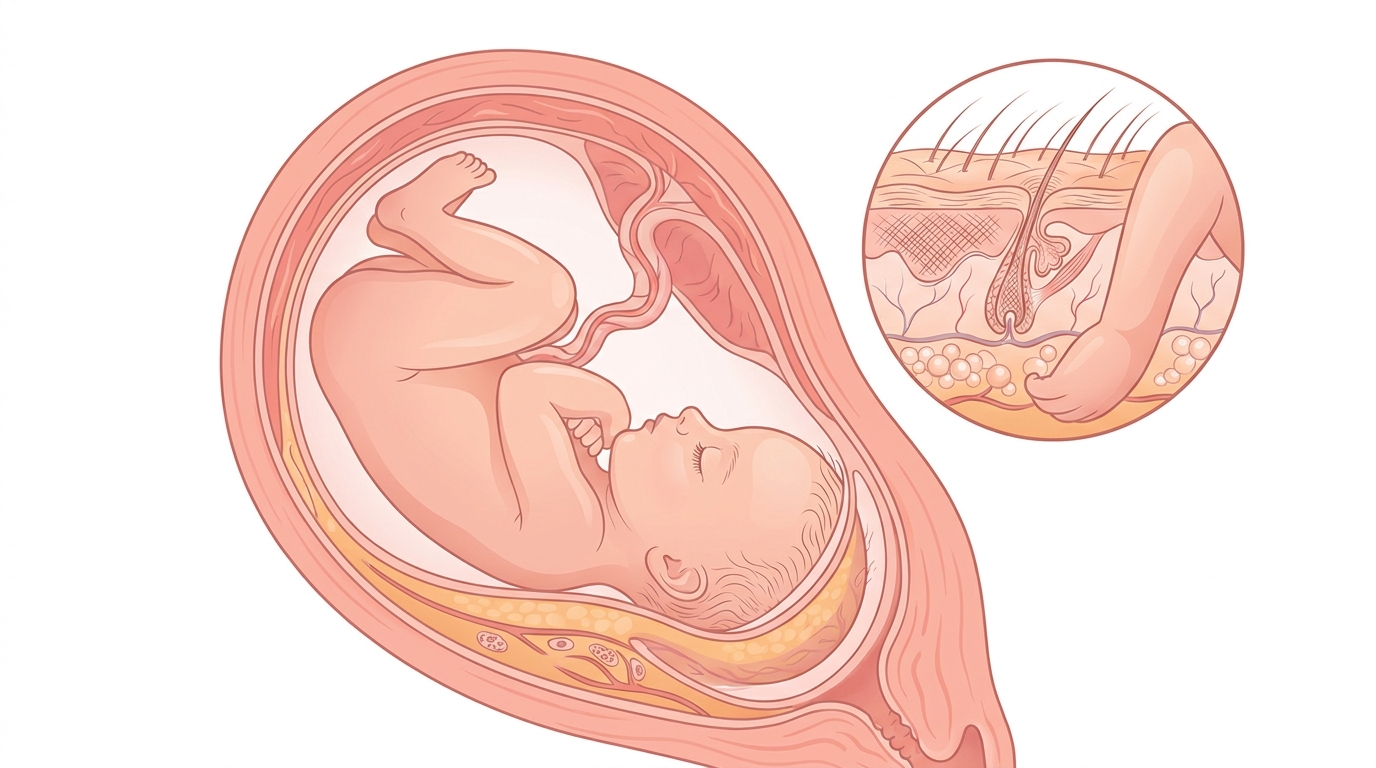
How is your baby doing this week? Amazing growth!
The little thing in your belly is now quite big. Just think, he is now about the size of a small pumpkin . He probably weighs between 650 and 700 grams. He is probably about 34 centimeters long. Several very important things are happening in the baby's development this week.
The baby is now awake and sleeping!
Remember, in the past weeks, your baby may have just been fussing, but now he has a pattern of sleep and wakefulness . When you are quiet, when you are trying to sleep at night, you will notice that your baby is very active. That is when he is most fussy. Some mothers say, "He throws a party inside when I am trying to sleep." Isn't that a wonderful experience?
"Mom, I can hear your voice!"
This is the best news of the week! Your baby's hearing has improved a lot . Now he can hear not only your voice , your heartbeat, but also the sounds of the people you are talking to. Just think, when you talk to your baby, hum a song, he may respond to it. Maybe he will feel a little movement or a movement when you talk. So talk to your baby as much as possible. Ask dad to talk to his baby too. This bond is very valuable.
Little lungs are getting ready for life
Although your baby's lungs aren't fully developed yet, something very important is happening this week. The air sacs inside your lungs are starting to produce a special substance called `(Surfactant)` . Simply put, this `(Surfactant)` is what helps your baby breathe on their own after birth. It's like the membrane that keeps an inflated balloon from sticking together. The fact that this starts to be produced means that if your baby is born 万が一 ( maybe ) prematurely, their chances of survival are slightly increased.
The skin turns pink, and hair follicles appear.
In the previous weeks, your baby's skin was very thin and transparent, but now the oil is starting to build up underneath, making it look a little plumper and pinker. Also, any small hairs that were starting to appear on their heads will now be more visible. Some babies may even have a beautiful head of hair by now!
The brain develops very quickly.
The baby's brain is also developing rapidly during this time. Millions of nerve cellsNew ones are formed, connections are made between them. This is why the baby's movements are gradually becoming organized, and he is able to respond to what he feels.
What's happening to your body? Changes in your mother
As your baby grows, your body will go through a lot of changes. Some of these changes may be a little uncomfortable, but remember that this is all happening for the sake of your most precious possessions.
The belly is even bigger!
Your uterus is now slightly above your belly button (belly button). This means your belly is further forward and looks bigger. You may not be able to wear the clothes you used to wear before. That's okay, just wear comfortable clothes that are comfortable for you.
There may be minor difficulties.
There are several common difficulties for mothers during these weeks.
- Back pain : As your belly grows, the way your body's weight is distributed can be a little difficult for your back. When sitting in a chair, keep your back supported and avoid lifting heavy objects.
- Heartburn: As the uterus grows, it presses on the stomach, which can cause indigestion and heartburn. Eat small meals rather than large meals. Reduce spicy and oily foods.
- Swelling of the legs : Some mothers experience some swelling in their legs and ankles. Avoid standing for long periods of time, and keep your legs slightly elevated.
- Leg cramps: Cramps in the legs, especially at night, are common during this time. Talk to your doctor about taking nutritional supplements like calcium and magnesium.
- Braxton Hicks contractions: This may be a new thing. It feels like your stomach tightens for a while and then goes back to normal. This is called Braxton Hicks contractions. These are not real labor pains, they are just your uterus practicing. If these come frequently, are painful, or come out like liquid, see your doctor.
Skin changes
As the belly grows, the skin stretches, causing pinkish-colored stretch marks to appear on the abdomen, buttocks, and breasts . Also, a dark line (Linea Nigra) may appear down the middle of the abdomen. These usually fade after the baby is born.
Things you need to be careful about this week
During this time, you need to take special care of your health as well as your baby's health.
Did you do the `(Glucose Screening Test)`?
There is usually a test done between 24 and 28 weeks of pregnancy to check for gestational diabetes . It is called a Glucose Screening Test. Your doctor will tell you about this. It is important to get this done.
Food, drink and water
Eating nutritious food is very important during this time. Include vegetables, fruits, legumes, nuts, dairy products, meat and fish (well cooked) in your diet. Don't forget to drink at least 2-3 liters of water a day .
Rest and exercise
Get as much rest as possible. Get a good night's sleep. It's also good to get some rest during the day. Also, engaging in simple exercises appropriate for pregnancy as recommended by your doctor is also good for your body. You can do things like walking and yoga.
Pay attention to the baby's movements.
Now that you can feel your baby moving, keep a close eye on it. You can check to see if your baby moves at least ten times in a two-hour period . (This is also called a `Kick Count`). If your baby's movements suddenly decrease or stop, see a doctor immediately.
Pay attention to these signs!
Sometimes emergencies can arise, so seek medical advice immediately if you have any of these symptoms:
- Frequent, painful uterine contractions (more than 4 per hour).
- Vaginal bleeding.
- A sudden or intermittent discharge of a watery fluid from the vagina.
- Severe stomach ache or back pain.
- Severe headache, blurred vision, swelling of the limbs (these may be signs of preeclampsia).
- Fever, flu-like symptoms.
"Don't be afraid, all this is meant to inform you, not to scare you. Most of the time, everything goes well."
A little note to my husband/family
During this time, the expectant mother needs a lot of support, both physically and mentally.
- Help her, help with the housework.
- Listen to what she says, understand her.
- Take him for medical tests.
- Give her the rest she needs.
- Talk to her, dream about the baby. This support is a great strength for her.
So, what are the most important things we need to remember about this week?
So, we've talked about a lot of things about week 25. To summarize:
- Your baby is now big enough to hear your voice.
- The baby's lungs are starting to produce ``(Surfactant),'' which is very important.
- Your body is also going through various changes , and you may experience some minor discomfort.
- Don't forget to get the `(Glucose Screening Test)` done .
- Eat well, drink well, rest well, and be happy.
- Pay attention to the baby's movements.
- Be aware of the risk symptoms and seek medical advice promptly if necessary.
This journey is beautiful. Enjoy every moment. If you have any questions or doubts, don't be shy to ask your doctor. I wish you and your little one the best of health!
` Pregnancy week 25, baby's development, mother's health, pregnancy week 25, fetal development, maternal health, pregnancy care, glucose test
Doctor's Note
By the 25th week of pregnancy, the alveoli inside the baby's lungs begin to develop. These days, the production of the chemical substance called Surfactant, which prepares the lungs for breathing, begins. Due to the deposition of fat under the baby's skin, the wrinkled skin gradually begins to smooth. It is very important to have a diet consisting of several small meals and to eat fiber rich food because the mother may experience bloating, heartburn/reflux and constipation during these days.
❓ Some more questions you may encounter (FAQ)
How big is the baby at 25 weeks?▼
Baby now weighs about 660-700 grams and is about 13.5 inches long (about the size of a sweet corn pod).
What to do to reduce chest inflammation during pregnancy?▼
It is important to avoid oily, spicy and spicy foods, to avoid lying down immediately after eating and not to go to bed for at least two hours after dinner.
How are the baby's movements this week?▼
Baby's physical activity can now be seen clearly. Depending on the time the baby sleeps and wakes up, you will clearly feel the rolling and kicking in the belly.


💬 Comments (0)
No comments yet. Be the first to share your thoughts here.
Add Your Comment