

Your life has probably changed a lot since the day your doctor told you that you have bipolar disorder . You probably know the challenges of living with it. You also know how important it is to take the medication your doctor prescribes on time. But, did you know that medication is only one part of the battle? In addition to medication, there is another powerful thing that can give you strength and help you understand yourself. That is psychotherapy, or as we simply call it, "talk therapy."
Simply put, what is psychotherapy?
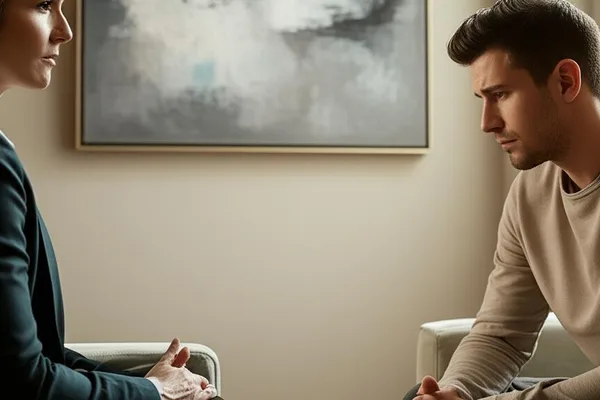
Psychotherapy is a process where you talk to a trained therapist about your feelings, thoughts, and behaviors that are causing you problems. Imagine being able to talk about a burden with someone you trust and who is not judgmental.
This treatment method helps you understand and manage the problems that affect your daily life, work, and family relationships. Sometimes, when the disease is severe, it can be difficult to take medication. Psychotherapy encourages you to use your medication as prescribed. It also helps you to overcome negative attitudes and feelings about yourself that may have arisen due to this disease, such as low self-esteem, and to think positively about yourself.
The most important thing is that this is a place where you can safely and without fear or doubt talk about anything that's on your mind.
What are the psychotherapy methods used for bipolar disorder?
A variety of psychotherapy methods are used to treat bipolar disorder. Your doctor or therapist will determine which method is best suited to your condition and needs. Let's look at some of the main methods used.
| Therapy Type | Simply put, what will happen from this? |
|---|---|
| Behavioral Therapy | The main focus here is to identify and develop your stress-reducing behaviors. |
| Cognitive Therapy | This method helps you identify and change the wrong or unhealthy thought patterns that occur when your mood suddenly goes up and down (mood shifts). |
| Interpersonal Therapy | This will help reduce the strain on your relationships with family and friends caused by this disease and strengthen those relationships. |
| Social Rhythm Therapy | This is very important. It will help you get used to getting a set amount of sleep per day, and to doing your daily tasks at the same time and in the same order (routine) as much as possible. |
Support groups and awareness are also very important!
In addition to psychotherapy, support groups are a great help for people with bipolar disorder. In a group like this, you can meet other people who are going through the same thing as you.
- You can share your experiences .
- You can learn from how others deal with this and the strategies they use.
- The loneliness of thinking, "I'm the only one in the world who has this disease" disappears.
These support groups are not only helpful for you, but also for your family and friends. They can also gain a better understanding of the disease, talk about their concerns, and learn how they can best help you.
So is education . It is an essential part of the treatment process for you and your family to learn about this disease. It is important to know what the symptoms are, what the early signs are, and what the treatment options are. This knowledge will help your family plan for what to do if the disease becomes severe and you are unable to understand things.
Some more tips to help you live with bipolar
If you incorporate these things into your life, it will be easier to manage the disease.
- Establish a routine: Go to bed at the same time, wake up at the same time, eat at the same time, and exercise at the same time. It has been found that when you add rhythm to your life in this way, it is easier to control your mood.
- Identify your own warning signs: The symptoms that precede a flare-up vary from person to person. Talk to your psychiatrist and identify your own behavioral patterns. For example, you may be able to function without any fatigue even on little sleep, feel like accumulating unnecessary things even when you have no money, or suddenly become overly interested in religion or new things.
- Adapt: This recognition can help you avoid embarrassing behaviors in front of others during a manic episode. Your doctor can also help you set realistic goals for treatment and manage your fears about future flare-ups.
- Maintain sleep: Changes in sleep patterns directly affect the brain circuits that control our emotions . This can lead to mood swings. So, make sure to maintain a regular sleep schedule.
- Avoid alcohol and drugs completely: These can trigger symptoms like depression or mania, or make those conditions worse. Most importantly, they interfere with the effectiveness of the medications you are taking.
Other problems that can come with bipolar disorder
Many people with bipolar disorder are at risk for other mental health problems. The most common of these are alcohol and drug addiction. In addition, conditions such as anxiety disorders, eating disorders, or personality disorders may also occur.
According to estimates, about six out of every ten people with bipolar disorder (60%) have an alcohol or drug problem.
Substance abuse can also cause symptoms of bipolar disorder (mania or depression). Therefore, to properly diagnose bipolar disorder, it is essential to first treat any underlying substance abuse issues. Talk openly with your doctor about this.
Take-Home Message
- When treating bipolar disorder, psychotherapy is an essential part of treatment, along with medication.
- "Talking therapy" can help you understand yourself, manage your life, and strengthen your relationships.
- Maintaining a regular routine, especially consistent sleep, is very important for your mental health.
- Recognize your own warning signs before the disease worsens, with the help of your doctor. That will be your greatest strength.
- Stay away from alcohol and drugs completely. They will interfere with your treatment and worsen the disease.
- You are not alone. Include your family in this journey. Their support and understanding are invaluable.




💬 Comments (0)
No comments yet. Be the first to share your thoughts here.
Add Your Comment