
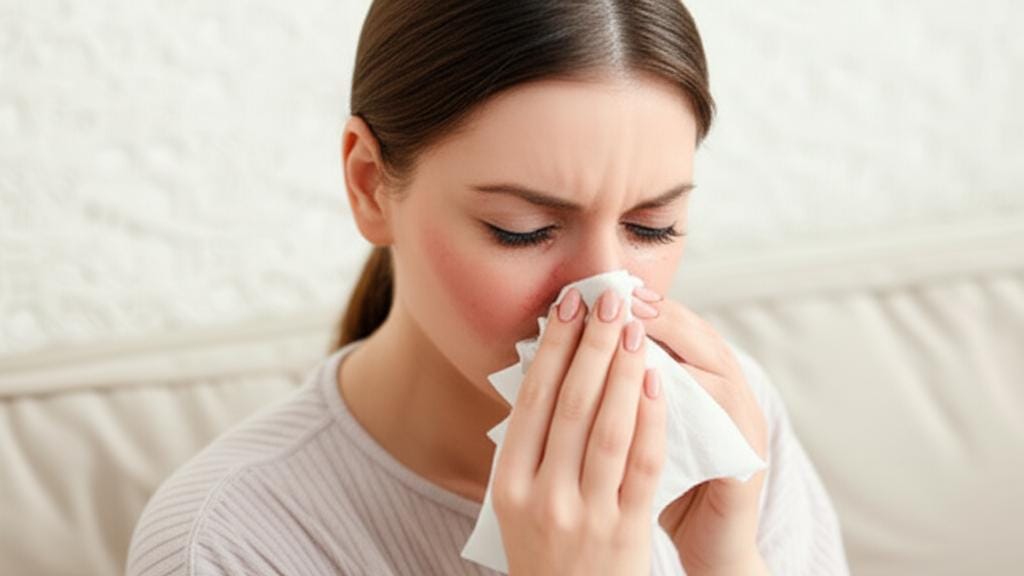
The cold winter weather arrives, and suddenly you find yourself sneezing and dealing with a runny nose. You might sigh and think to yourself, "Here comes another cold." But is it truly a standard cold virus, or could it be an indoor allergy you did not expect?
Because a winter cold and seasonal allergies share many similar signs, it is very easy to confuse the two conditions. When you understand the unique differences, you can choose the right treatment and find relief much faster. Let us explore what is really happening inside your body during the colder months.
✨ Key Takeaways at a Glance
- Winter sniffles are not always viral colds. They are often triggered by indoor allergens trapped inside sealed homes.
- Colds typically resolve within three to seven days. This allergies can persist for weeks or months as long as exposure continues.
- Common winter triggers include dust mites, indoor mold, pet dander, and damp firewood brought indoors.
- Simple daily habits like saline nasal rinses, frequent bedding washes, and proper humidity control provide powerful natural relief.
- Always consult your doctor before starting long-term allergy medicine to ensure safe and effective symptom management.
BMI Calculator
Know your body mass index (BMI) and weight classification
Is It a Cold or an Allergy? How Can You Tell the Difference?
At first glance, a cold and an allergy look almost identical. Both can leave you feeling tired with a stuffy nose and a frustrating cough. However, if you pay close attention to the details, you can easily spot the differences yourself.
To put it simply, a viral cold usually runs its course in three to five days, and almost always disappears within a week. On the other hand, allergy symptoms can linger for weeks or even months. Sometimes they disappear and return whenever you encounter your personal triggers.
To help you compare these conditions side by side, let us look at the following clinical breakdown recommended by leading health authorities like the NHS and Mayo Clinic.
| Symptom or Sign | Allergy (Winter Allergies) | Common Cold (Viral Infection) |
|---|---|---|
| Nasal Discharge (Runny Nose) | Clear, watery, and thin fluid without heavy color. | Thicker mucus that may turn yellow or green. |
| Eyes and Throat | Intense itching in your eyes, nose, and throat is very common. | Little to no itching, though mild throat pain may occur. |
| Body Aches and Fever | Body aches, muscle soreness, and fevers do not happen with allergies. | Frequent body aches, low energy, and mild fever are common. |
| Duration | Can persist for weeks, months, or entire seasons. | Typically resolves within 3 to 7 days. |
If you suspect your symptoms stem from a seasonal allergy rather than a virus, there is no need to panic. You have many practical steps and effective remedies available to take back your comfort.
Why Do Allergies Spike During the Cold Season?
Imagine that you already experience mild sensitivity to household dust or outdoor pollen. When winter arrives, your risk of having severe allergy flare-ups increases greatly.
The reason for this spike is quite simple. When the weather turns freezing outside, we tend to close all our windows and doors tightly to trap the warmth inside our homes.
As a result, indoor allergens become heavily concentrated in our living spaces. These allergens include pet dander, dust mites, and stubborn mold spores. Because we remain exposed to these trapped particles day after day, our immune systems react, triggering persistent allergy symptoms.
What Are the Most Common Allergens Found During Winter?
Understanding what triggers your immune system is the first step toward finding lasting relief. Here are the primary culprits responsible for winter misery:
- Pet Dander: Because of the freezing outdoor temperatures, dogs, cats, and other furry pets spend most of their time indoors. So, you experience increased exposure to tiny flakes of dead skin and hair proteins shed by your beloved pets.
- Mold and Mildew: Wet autumn leaves decaying in your yard provide an ideal breeding ground for various mold species. When you walk outside and return indoors, microscopic mold spores cling to your shoes and heavy winter coats, traveling directly into your living room.
- Damp Firewood: Many households store logs outdoors for indoor fireplaces or heating stoves. If that wood is damp, it can harbor active mold spores. Bringing these damp logs inside your house introduces potential allergen sources right into your family room.
8 Simple Tips to Control and Prevent Winter Allergies
You can take several proactive steps right in your own home to reduce your exposure to allergens and find significant relief from daily discomfort.
- Avoid Your Personal Triggers: The golden rule of allergy management is to stay away from whatever triggers your immune system. Stay indoors during windy days when outdoor mold spores and debris blow across your yard. Keep your living spaces clean by regular dusting and vacuuming with a HEPA-filter vacuum cleaner.
- Wash and Clean Yourself Often: Washing your hands and face throughout the day removes stubborn allergens clinging to your skin. If your symptoms feel severe, take a warm shower. A shower washes away pollen and mold spores trapped in your hair and clothing. Also, the warm steam helps clear a blocked, stuffy nose naturally.
- Wash Your Bedding Every Week: Our bedrooms can easily turn into paradise zones for dust mites and pet dander. Therefore, wash your bedsheets, pillowcases, and heavy blankets in hot water at least once every week. Hot water effectively destroys dust mites and washes away lingering allergens.
- Invest in Special Allergy Bedding: Consider purchasing specialized allergy-proof mattress covers and pillow protectors designed to block dust mites and tiny particles from penetrating your pillows and mattresses. You can easily find these protective covers online or at medical supply stores.
- Use a Saline Nasal Rinse: One of the best home treatments for a stuffed nose is nasal irrigation using a sterile saline solution. You can purchase ready-made saline sprays at your local pharmacy. Alternatively, you can make your own solution safely at home by dissolving one teaspoon of non-iodized salt into 8 ounces (about 240 milliliters) of clean, distilled or boiled water.
- Keep Your Body Well Hydrated: Blowing your nose often combined with indoor heating can dry out your nasal passages and body fluids. Keep a water bottle nearby at all times. Eat hydrating fruits and vegetables, and sip warm herbal tea throughout the day. Warm beverages produce steam that provides wonderful comfort for congested airways.
- Balance Indoor Air Humidity: If the air inside your home is too dry, your nose and throat will dry out and feel irritated. Conversely, if indoor humidity is too high, mold grows rapidly. You can monitor humidity levels easily using a small, inexpensive device called a hygrometer. Try to keep your indoor relative humidity steady between 30% and 50%.
- Take Medicines Under Doctor Guidance: Over-the-counter antihistamines and nasal sprays provide fantastic relief for itchy eyes and stuffy noses. However, if you do not use them correctly, they will not work as intended. Taking preventive medicine before allergy season starts can stop symptoms before they begin. Remember that taking a higher dose will not make your symptoms disappear faster. Always read the package insert carefully before using any medicine. The safest and best approach is to consult your doctor, follow their prescribed dosage, and use treatments for the exact duration they recommend.
🚨 When to Seek Emergency Medical Attention
Most winter allergies and minor colds improve with rest and simple home care. However, certain severe warning signs require immediate medical intervention. Go to the nearest Emergency Department (ER / A&E) or call 911 (US/Canada) or 999 (UK) right away if you experience:
- Severe shortness of breath or sudden difficulty catching your breath.
- Persistent chest pain or tightness that does not subside.
- High fever accompanied by confusion, severe headache, or stiff neck.
- Wheezing that does not improve after using prescribed rescue inhalers or allergy medicines.
💡 Take-Home Message
- Not every winter sniffle is a viral cold. It could be an underlying allergy. Pay close attention to your symptoms to tell them apart.
- Identify your specific personal triggers—whether they are pet dander, dust mites, or mold spores—so you know what to avoid.
- Keep your indoor environment clean and wash your bedding often in hot water to successfully control hidden allergens.
- If simple home remedies like saline rinses and lifestyle changes do not provide enough relief, make sure to consult a doctor for guidance.
📚 Sources & Medical References
- Mayo Clinic. (2025). Common cold vs. allergies: How to tell the difference. Available at: Mayo Clinic Patient Care Guide.
- NHS UK. (2024). Allergic rhinitis and winter triggers. National Health Service Clinical Guidance.
- Cleveland Clinic. (2025). Indoor Allergies: Management, Treatment and Prevention Strategies. Health Essentials.
- Centers for Disease Control and Prevention (CDC). (2024). Indoor Air Quality and Respiratory Health in Winter. U.S. Department of Health and Human Services.
- National Institutes of Health (NIH). (2025). How it happens and management of perennial and seasonal indoor allergic reactions. PubMed Central Review.




No comments yet. Be the first to share your question or experience below.