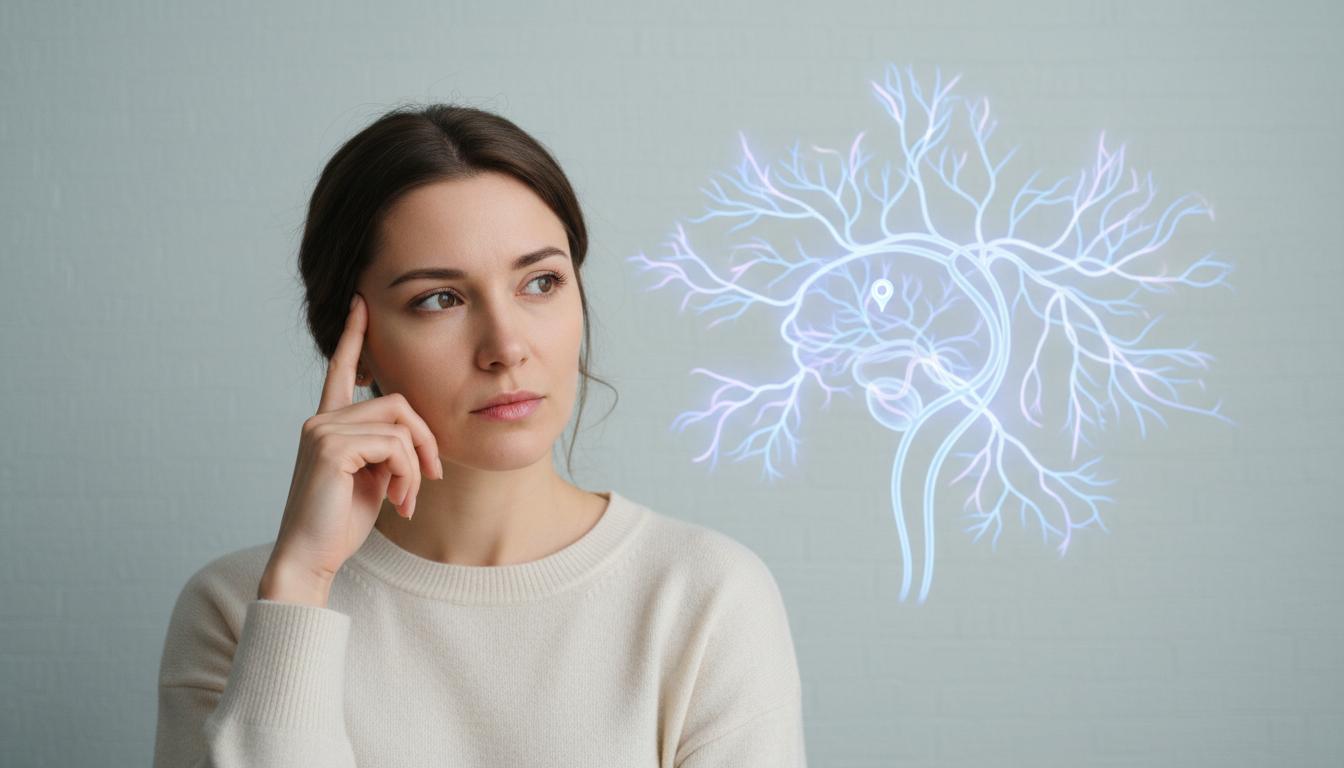
Today, we're going to discuss a somewhat serious but extremely important medical condition. You've probably heard of 'Stroke', right? Well, 'Lacunar Stroke' is a specific type of stroke. Simply put, it's a condition that occurs when a blood clot gets stuck inside a very small, delicate blood vessel deep within our brain. It's like a water pipe getting blocked, preventing water from flowing through.
A Lacunar Stroke occurs when the blood supply to a tiny blood vessel deep in the brain is interrupted – meaning it's blocked by a blood clot – leading to damage in that part of the brain. This falls under the main category of 'Ischemic Stroke'. Doctors sometimes refer to it as a 'Lacunar Infarct'. The word 'infarction' means the death of tissue in the body due to a lack of blood supply. A stroke is any condition that causes an obstruction to blood flow to the brain.
This is a life-threatening medical emergency, just like an accident. Therefore, if you or someone with you shows signs of a stroke, immediately call 1990 (or your local emergency number). The sooner treatment begins in a hospital, the greater the chance of survival. Every second is extremely valuable here.
What are the symptoms of a Lacunar Stroke?
The symptoms of Lacunar Strokes are largely similar to other types of 'Ischemic Stroke'. One or several of these symptoms may appear suddenly:
- Experiencing weakness or numbness on one side of the face and body.
- Difficulty speaking, slurred words, or sometimes a complete loss of speech (we call this 'Aphasia').
- Unclear speech, a stammering quality (this is called 'Dysarthria').
- Loss of muscle control on one side of the face (like the mouth drooping to one side).
- Sudden weakness or loss of one or several of our five senses (sight, hearing, smell, taste, touch).
- Blurred vision, double vision ('Diplopia').
- Loss of body balance, inability to control limbs, like being intoxicated ('Ataxia').
- Feeling dizzy or experiencing vertigo.
- Nausea and vomiting.
If you suspect a stroke, remember the 'BE FAST' method!
To quickly recognize the warning signs of a stroke in yourself or a loved one, remembering the English acronym 'BE FAST' can be very helpful. Let's see what they are:
- B for Balance: Check if your body's balance suddenly disappears. Is it difficult to stand or walk?
- E for Eyes: Check if vision in one or both eyes suddenly goes blurry, changes, or is lost.
- F for Face: Ask them to smile. Does one side or both sides of the face droop? Is the mouth pulled to one side?
- A for Arms: Ask them to raise both arms. If it's a stroke, one arm might not be able to stay raised like the other and could fall.
- S for Speech: Check if their words are slurred, stammered, or if they have difficulty finding the right words when speaking. Can they clearly say a simple sentence when asked?
- T for Time: Time is crucial! If you see even one of these signs, seek help immediately, which means calling 1990. If possible, note the time symptoms started using a watch or phone. Telling the doctor the exact time symptoms began greatly helps them decide the most appropriate treatment for you.
Let's also learn about 'Mini-Stroke'?
Sometimes a condition called 'Transient Ischemic Attack' (TIA), also known as a 'Mini-Stroke', can occur. In this situation, stroke-like symptoms appear, but they disappear after a short time (usually within 24 hours). However, this is a serious warning that a full stroke could occur soon. Someone who experiences a TIA also needs immediate medical attention. It's not something to simply dismiss.
What causes Lacunar Stroke?
As I mentioned before, Lacunar Strokes occur when a blood clot blocks a small blood vessel in the deep layers of your brain. These deep brain areas include important centers like the 'Basal Ganglia' and 'Thalamus', which control our sensory perceptions (like feeling, sight) and movements.
Several health conditions can lead to blood clots and cause Lacunar Strokes. For example:
- High Blood Pressure (Hypertension): This is the primary and most serious risk factor. If you know your blood pressure is high, it's essential to control it.
- High Cholesterol Levels (Hyperlipidemia): When 'bad' cholesterol increases, it can build up inside blood vessels and block them.
- Clotting disorders: Some people have a tendency for blood to clot quickly.
- COVID-19 infection: This can also be linked to blood clot formation in some cases.
- Tissue-destroying infections: For example, in severe infections like 'Sepsis', pieces of dead tissue can enter the bloodstream, travel to the brain, and cause blockages.
Remember, high blood pressure is the biggest enemy when it comes to Lacunar Strokes. Talk to a doctor about your blood pressure and try to keep it at an appropriate level.
Who is at higher risk for Lacunar Stroke?
Lacunar Strokes can affect anyone, but some individuals have a higher risk. These include:
- People over 65 years of age.
- Individuals of Black ethnic origin (this may be related to genetic and socioeconomic factors).
- Smokers or those who use other nicotine-containing products (e.g., vaping).
- Drug users.
Also, people with certain medical conditions have an increased risk:
- Individuals with a genetic mutation in the 'NOTCH3' gene (this is associated with the rare condition called CADASIL).
- People with heart rhythm disorders like 'Atrial Fibrillation' (where blood clots can form in the heart).
- Individuals with Alcohol use disorder.
- Those with 'Atherosclerosis', a disease where blood vessel walls thicken and harden.
- Diabetes Mellitus.
How do doctors accurately diagnose a Lacunar Stroke?
A doctor diagnoses a Lacunar Stroke based on your symptoms, a neurological exam, a physical exam, and several other special tests. If you are brought to the emergency treatment unit, the doctors there can make this diagnosis.
To confirm that you have had a Lacunar Stroke, doctors may use tests such as:
- Blood tests: To check for clotting problems, diabetes, cholesterol levels, and other issues.
- CT scan: Takes pictures of the brain to quickly determine if it's a bleed or a blocked blood vessel.
- EEG (Electroencephalogram): To monitor the electrical activity of the brain (may be required in some cases).
- ECG (Electrocardiogram): To check for irregular heartbeats or signs of a heart attack.
- MRI: Provides more detailed and clearer images of the brain. This is crucial for accurately assessing the damage caused to the brain by the stroke.
What are the treatments for Lacunar Stroke?
When treating a Lacunar Stroke, the most important thing is to restore blood flow to the brain as quickly as possible. Doctors do this as fast as they can because it helps reduce the risk of permanent brain damage and death.
There are two main treatment methods:
- 'Thrombolytic therapy': These are clot-dissolving medications. They are often administered if symptoms began within approximately four and a half hours, because giving them later increases the risk of dangerous bleeding inside the body.
- 'Mechanical thrombectomy': This is a surgical procedure to remove the blood clot. The surgeon inserts a small, thin tube (a 'catheter') through a blood vessel elsewhere in your body and guides it directly to the blood clot in the brain. Then, the clot is either suctioned out whole or broken into pieces and suctioned out. However, in many Lacunar Strokes, the affected blood vessels can be too small for a 'thrombectomy'. Your doctor and surgeon will advise you on the best course of action for your condition.
In addition to these, you may need other treatments:
- Blood thinners: 'Anticoagulant' medications prevent your blood from clotting easily. These may be given even after thrombolytic therapy.
- Blood pressure control: Doctors will prescribe medications to control your blood pressure and maintain it at a safe level.
Is Rehabilitation Important After a Stroke?
Yes, absolutely! 'Rehabilitation' after a stroke is a very important part of treatment. These rehabilitation therapies help you adapt to the changes in your brain and body caused by the stroke. You may need help regaining abilities you had before the stroke or adapting to live with new disabilities. For this, you may need one or a combination of the following therapies:
- Speech therapy: This helps improve your language skills, speech, and control of muscles involved in speaking, breathing, eating, and swallowing. 'Antiplatelet' medications are also often required after a Lacunar Stroke.
- Physical therapy: This helps strengthen your muscles, improve your body's balance, and regain the use of your arms and legs.
- Occupational therapy: This helps you safely perform daily activities, especially tasks requiring fine motor skills (e.g., eating, dressing, writing).
- Cognitive rehab: This helps improve your memory, attention span, and other mental abilities.
What is the prognosis after a Lacunar Stroke? Can one fully recover?
The number of stroke survivors is increasing due to advanced, rapid treatment methods. However, it's difficult to predict an exact recovery timeline or prognosis that works for everyone.
For Lacunar Strokes (and other types of 'Ischemic Stroke'), the survival rate is generally higher than for 'Hemorrhagic stroke', which results from bleeding in the brain. But this doesn't mean you will definitely survive more or less than others.
Everyone's body responds differently to a stroke. Your definition of 'complete recovery' might be different from others'. You may regain full brain and body function, but new or altered disabilities can also occur after a Lacunar Stroke.
What you can expect depends on several factors:
- Your age.
- How quickly you received treatment for the stroke.
- Your overall health condition.
Many people take several months to recover. Your doctor will tell you what you can expect. They will help you set recovery goals and expectations appropriate for your own health condition.
Can a Lacunar Stroke be Prevented?
Yes, largely! Maintaining your overall health is the best way to prevent Lacunar Strokes. Try to do the following:
- Effectively manage your blood pressure, cholesterol levels, and any other existing medical conditions (e.g., diabetes). Take prescribed medications correctly and on time.
- Eat a healthy diet (plenty of vegetables, fruits, leafy greens, fiber-rich foods). Maintain a healthy weight that suits you.
- If you smoke, stop. Also, stay away from other nicotine-containing products.
- Engage in regular physical exercise. Do something like walking for at least 30 minutes a day.
Get a medical checkup every year (or as advised by your doctor). Many diseases and problems that can lead to Lacunar Strokes develop gradually over time. You might not even feel their symptoms. Your doctor can identify these warning signs early and help you manage them. Talk to your doctor about the best ways to control identified risk factors.
How do I take care of myself after a Stroke?
Recovering from a stroke and engaging in rehabilitation programs is not easy; it requires a lot of effort. Once you and your doctor have created a treatment plan, try to adhere to it as closely as possible. Generally, you should do the following:
- Take your medications exactly as prescribed. This is especially important if you are on blood thinners. It's crucial to reduce the risk of future blood clots, and taking medications as directed helps your body heal.
- Attend your rehabilitation and other therapy appointments regularly. If anything makes you uncomfortable or unsafe, tell your therapist. Rehabilitation requires effort, but you don't always have to be in pain or discomfort.
- Also, consider your mental health. Depression and Anxiety are very common after a stroke. Your mental health is just as important as your physical health. Feeling sad or worried does not make you weak or a failure. If you feel mentally challenged by anything during your recovery, talk to a doctor or a mental health counselor.
What foods and drinks should I avoid?
Your doctor may suggest adding or eliminating certain foods and drinks from your diet. They may recommend small changes in your daily habits to help manage existing conditions and/or reduce the risk of future blood clots after a Lacunar Stroke.
Generally, foods to avoid include:
- Alcohol
- High-caffeine beverages (it's good to reduce excessive tea and coffee consumption)
- High-sugar foods (sweet foods, sugary drinks)
- High-salt (Sodium) foods (use less salt in meals, avoid high-sodium processed foods)
- Fried foods
- Highly processed foods (e.g., sausages, meatballs, packaged foods)
When should I go to the Emergency Treatment Unit (ETU) again?
If you feel symptoms of another stroke, immediately call 1990 (or your local emergency number). If another stroke occurs, the risk of severe complications and mortality is even higher. Do not delay seeking help or going to the emergency treatment unit.
Individuals who have experienced a Lacunar Stroke have an increased risk of developing other potentially serious complications. For example:
- Deep Vein Thrombosis (DVT) (blood clots forming in deep veins of the legs)
- Heart attack
- Pneumonia
- Pulmonary embolism (a blood clot blocking a blood vessel in the lungs)
- Seizures (like epilepsy)
If you experience symptoms of any of these complications, you should immediately call emergency services or go to the emergency treatment unit.
What questions should I ask my doctor?
When you meet your doctor, don't hesitate to ask any questions you have. Here are some things you might ask:
- 'Exactly where in my brain did this Lacunar Stroke occur?'
- 'What condition or problem caused this?'
- 'What medications do I need, and how should I use them?'
- 'What changes do I need to make in my daily life?'
- 'What else should I do to prevent another stroke?'
- 'How long will my rehabilitation program last? What kind of results can I expect?'
Finally, a few things to remember
Although a Lacunar Stroke (also known as 'Lacunar Infarct') affects tiny blood vessels deep in your brain, it can have a significant impact on your health. Therefore, regular medical checkups are very important. Your doctor can help identify and control health problems (like blood pressure, cholesterol, diabetes) that increase your stroke risk over time, even before you feel symptoms. Talk to them about the best ways to manage any identified risk factors.
During the recovery period after a stroke, don't forget to celebrate even small improvements you make. Some days you might not feel like it, but any success is worth celebrating. You can be proud of the effort you put into rehabilitation.
We hope this information has been useful to you. Stay healthy!
👩🏽⚕️ Additional Questions (FAQs)
💬 Is Misophonia a fear of sounds?
It's not a fear! In this complex brain condition, when a person hears 'minor sounds' that wouldn't bother an average person (e.g., someone chewing loudly, a pen tapping/clicking on a table, or loud breathing), the patient experiences an unbearable 'extreme anger, murderous thoughts, or fear/urge to flee'. These patients absolutely hate such sounds (Hatred of sound).
💬 Why do they get so intensely angry when they hear chewing sounds?
This isn't an anger they intentionally create or act out! These individuals don't have better hearing than us. However, due to a difference in the neurological structure of their brain (Neurological disorder), as soon as such a specific sound is heard, 'the emotional control centers of their brain become completely overloaded' (Fight-or-flight response), causing them to explode with intense anger without any relief.
💬 Can this condition be cured with medication?
Currently, there are no specific pills/medications discovered globally for Misophonia. The most successful treatments for this are psychological counseling, such as CBT (Cognitive Behavioral Therapy), and wearing 'Noise-canceling headphones'. Furthermore, family members understanding the condition and refraining from making those sounds is the greatest relief that can be offered to the patient.
` Lacunar Stroke, Lacunar Infarct, cerebral infarction, blood clot, high blood pressure, stroke, stroke symptoms
💬 අදහස් (0)
තවමත් කිසිදු අදහසක් පළ කර නොමැත. ඔබේ අදහස පළමු වරට මෙහි එක් කරන්න.
ඔබේ අදහස එක් කරන්න