
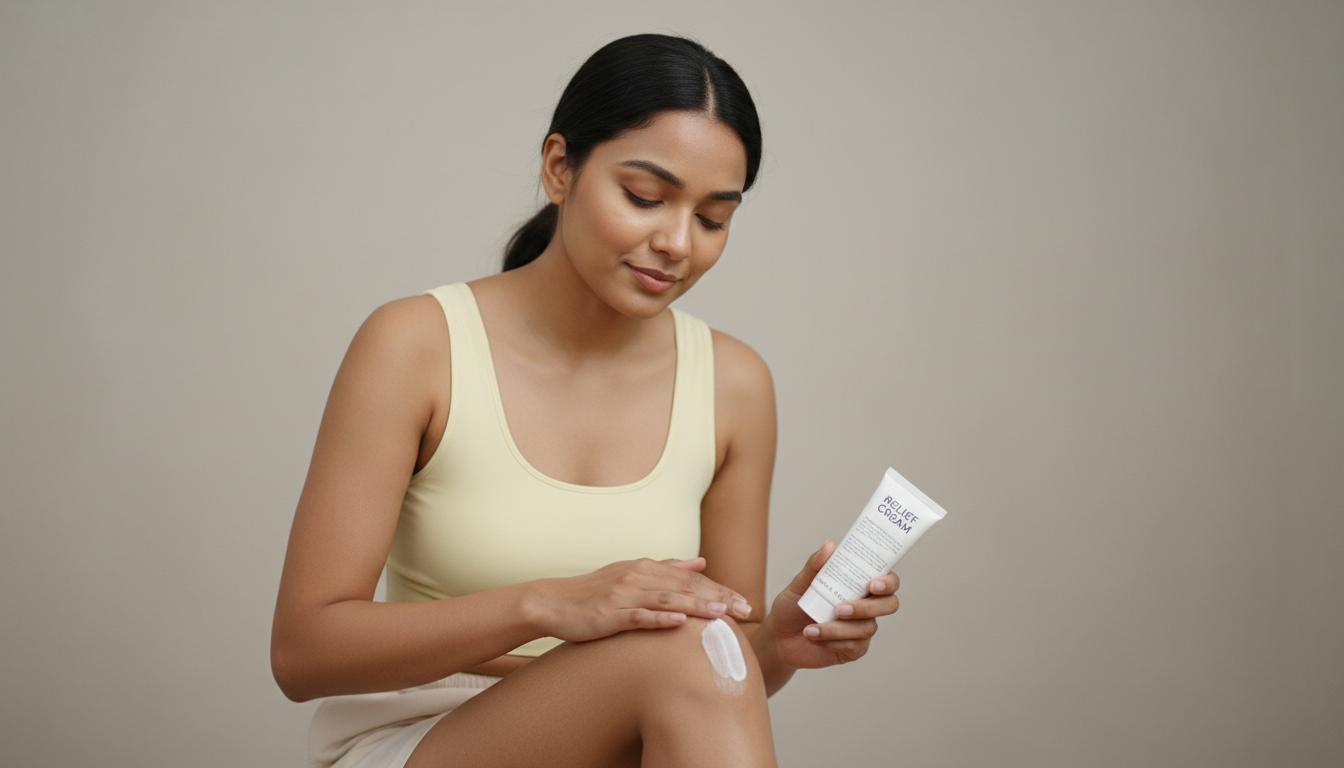
Ever twisted an ankle, pulled a muscle, or experienced a nagging joint ache? Chances are, you've reached for a topical pain relief cream – perhaps something like Icy Hot or BenGay – hoping for quick comfort. That familiar cooling or warming sensation can provide temporary respite from discomfort. But what exactly is in these creams, how do they work their magic on your body's pain signals, and what essential precautions should you take when using them? Let's dive deep into the world of topical analgesics.
What's Really Inside These Pain Relief Creams?
Most over-the-counter topical pain relief products, available as creams, lotions, or ointments, rely on two primary active ingredients: Menthol and Methyl Salicylate. These compounds are designed to help soothe minor aches and pains associated with muscles and joints.
Here's a breakdown of how they work:
- The Sensory Effect: When you apply the cream to an affected area, menthol typically creates a cooling sensation, while methyl salicylate often produces a warming effect. This sensory input acts as a distraction. It essentially 'overrides' or interferes with the pain signals traveling from the affected area to your brain. Think of it like focusing on the cool or warm feeling temporarily makes you less aware of the underlying ache – providing temporary relief.
- Anti-inflammatory Action: Methyl salicylate, in particular, belongs to the salicylate family (related to aspirin). It possesses mild anti-inflammatory properties, helping to reduce swelling and redness associated with minor injuries or conditions like arthritis. This addresses not just the sensation of pain but also contributes to reducing the underlying inflammation contributing to the discomfort.
Important Considerations Before Use
While these creams are convenient for minor aches, they aren't suitable for everyone. Because some ingredients can be absorbed through the skin into the bloodstream, it’s crucial to consult your doctor before use if you have certain health conditions.
Crucially, inform your healthcare provider if you have any of the following conditions before using topical pain relievers:
- Recent Heart Surgery: Specifically, if you've had a Coronary Artery Bypass Graft (CABG) surgery.
- Heart Conditions or High Blood Pressure: Salicylates can potentially affect blood pressure and heart function.
- Kidney Disease: Impaired kidney function can affect how the body processes these ingredients.
- History of Stomach Ulcers or Gastrointestinal Issues: Especially if you've experienced bleeding. Salicylates can increase the risk of gastrointestinal bleeding.
- Regular Alcohol Consumption: Alcohol use can interact with salicylates and increase risks.
- Skin Conditions: Avoid applying to broken, irritated, or inflamed skin, as it can cause severe irritation or burns.
- Allergies: Known allergies to menthol, methyl salicylate, aspirin, or other salicylates are contraindications.
- Pregnancy or Breastfeeding: Consult your doctor before use during pregnancy or while breastfeeding.
How to Use Topical Pain Relievers Safely and Effectively
To maximize benefits and minimize risks, follow these guidelines:
- External Use Only: These products are for external application on the skin. Never ingest them.
- Avoid Sensitive Areas: Do not apply near eyes, mouth, nose, or other mucous membranes. If accidental contact occurs, rinse thoroughly with water immediately.
- Hand Hygiene: Wash your hands thoroughly before and after application. However, if applying to your hands, wash them *before* application but avoid washing immediately afterward, as this can remove the product.
- Application Technique: Apply a thin layer to the affected area. Do not rub vigorously or massage deeply; simply apply gently.
- Avoid Application on Damaged Skin: Do not use on open wounds, cuts, scrapes, or severely irritated skin.
- Use in Children: Some products may be suitable for children over 2 years old, but only under the guidance of a healthcare professional. Never use adult formulations on young children without explicit medical advice.
- Read the Label: Always follow the specific instructions and warnings provided on the product label. Do not exceed recommended frequency or duration of use.
What to Do in Case of Overuse or Accidental Ingestion
If you suspect overuse or accidental ingestion (especially by a child), seek immediate medical attention.
- Contact Poison Control: Call the National Poisons Information Centre immediately.
- Seek Emergency Care: Go to the nearest hospital's Emergency Treatment Unit (ETU).
Remember, this medication is prescribed for you; do not share it with others.
Other Important Precautions
- Monitor Pain Levels: If your pain doesn't improve after 7 days of use, or if it worsens, consult a doctor. Do not rely solely on topical creams for persistent or severe pain.
- Watch for Signs of Salicylate Toxicity: Excessive absorption of salicylates can potentially lead to side effects like stomach ulcers or bleeding. Seek immediate medical attention if you notice black, tarry stools or vomit that looks like coffee grounds, as these could indicate gastrointestinal bleeding.
- Avoid Concurrent Topical Products: Do not use other creams, lotions, oils, or sprays on the same area simultaneously unless approved by your doctor.
Potential Side Effects
While generally safe when used correctly, side effects can occur.
- Serious Side Effects (Seek Immediate Medical Attention):
- Allergic reactions (rash, itching, swelling of the face/tongue/throat, difficulty breathing).
- Common/Less Serious Side Effects (Consult Doctor if Persistent or Severe):
- Mild skin irritation, redness, dryness, or burning at the application site. These usually resolve on their own but should be monitored.
Proper Storage and Disposal
Correct storage and disposal are essential for safety.
- Storage: Store at room temperature (between 20-25°C), away from excessive heat or cold, and keep out of reach of children and pets.
- Disposal: Do not simply throw unused or expired medication in the trash.
- Remove the product from its container.
- Mix it with an undesirable substance like used coffee grounds, cat litter, or dirt.
- Place the mixture in a sealed plastic bag or other secure container.
- Dispose of the sealed container in your household trash.
Key Takeaways
- Topical pain relievers are for external use only; never ingest them.
- Avoid applying to broken skin, wounds, or sensitive areas like eyes and mucous membranes.
- Consult your doctor before use if you have underlying health conditions (heart disease, kidney problems, stomach ulcers, etc.).
- Seek immediate medical help for severe allergic reactions or signs of gastrointestinal bleeding.
- If pain persists beyond 7 days or worsens, see a healthcare professional.
Disclaimer: This article provides general information about this condition and should not replace the advice from your doctor. Always consult a healthcare professional.
💬 අදහස් (0)
තවමත් කිසිදු අදහසක් පළ කර නොමැත. ඔබේ අදහස පළමු වරට මෙහි එක් කරන්න.
ඔබේ අදහස එක් කරන්න