
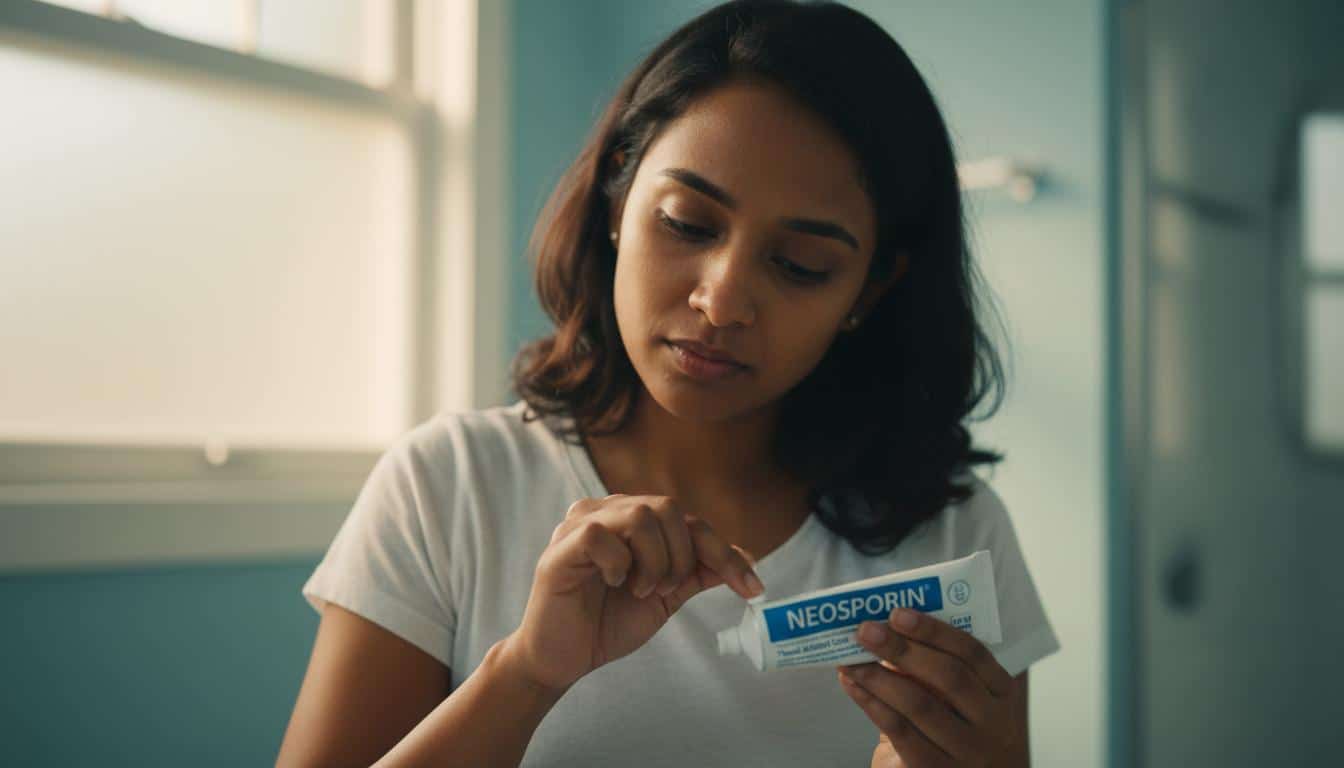
Ever gotten a small cut, scrape, or maybe even an eye infection and reached for an over-the-counter cream or ointment from the pharmacy? These are what we commonly call Topical Antibiotics – medications applied externally to fight bacterial infections. While incredibly useful, many of us unknowingly make mistakes when using them, sometimes turning a minor issue into something worse. Let's break down how to use these effectively and safely, just like chatting with a trusted friend.
What Exactly Are Topical Antibiotics?
Simply put, topical antibiotics are medications used to treat bacterial infections on the surface of the body – think skin, eyes, or ears. They belong to the broader category of antibiotics. Their job is either to kill bacteria directly or stop them from multiplying and spreading. The end result is the elimination of the infection.
It's crucial to remember that these medications only work against bacterial infections. They are ineffective against viral illnesses (like the common cold) or fungal infections (like athlete's foot). Using them incorrectly won't help and could potentially cause harm.
Think of it this way: when you take an oral antibiotic, it travels throughout your entire body – like deploying troops nationwide for a widespread emergency. Topical antibiotics are much more targeted; they act only where applied, similar to sending troops only to the specific area where conflict exists. This localized action minimizes the risk of side effects affecting other parts of your body.
Where Are Topical Antibiotics Commonly Used?
We can broadly categorize their use based on the application site. Here’s a simple breakdown:
| Area of Use | Type of Medicine | Simple Description |
|---|---|---|
| Dermal (Skin) | Cream, Ointment, Gel | Applied to bacterial skin infections, cuts, scrapes, and minor wounds. These often have a slightly greasy texture. Medicated patches are also available. |
| Ophthalmic (Eyes) | Eye drops, Eye ointments | Used for bacterial eye infections (e.g., conjunctivitis). Available as liquids or thicker ointments that the eye absorbs quickly. |
| Otic (Ears) | Ear drops | Used for bacterial ear infections, especially those affecting the outer ear canal. Typically come in liquid drop form. |
Advantages of Using Topical Antibiotics
There are several clear benefits to using these medications:
- Direct Treatment: The medication goes straight to the site of infection, making it highly effective for localized issues and allowing for quicker control.
- Fewer Systemic Side Effects: Unlike oral antibiotics which can cause digestive upset (like diarrhea), topical applications generally avoid these systemic side effects.
- Preventing Infection Spread: Applying antibiotic ointment to a minor cut or scrape can help prevent bacteria from entering and causing a more serious infection.
Are There Any Downsides?
While beneficial, there are potential drawbacks to consider:
- Limited Effectiveness: Some over-the-counter (OTC) creams may not be effective against certain types of bacteria. Prescription antibiotics prescribed by a doctor are generally stronger and more targeted.
- Risk of Allergic Reactions: Some individuals may develop allergic reactions, such as redness, itching, or rash at the application site. This risk can be higher with certain OTC products.
Antibiotic Cream vs. Petroleum Jelly for Minor Wounds?
This is a common question. Many people instinctively reach for an antibiotic cream for small cuts or scrapes. However, doctors often recommend using plain petroleum jelly (like Vaseline) instead.
Why? The primary needs of a minor wound are cleanliness and moisture to promote healing. Petroleum jelly excels at this:
- Creates a Protective Barrier: It forms a seal over the wound, preventing dirt and bacteria from entering.
- Maintains Moisture: This helps keep the wound environment optimal for skin repair.
Research suggests that for minor wounds, petroleum jelly can be just as effective as some OTC antibiotic creams in promoting healing, but with a significantly lower risk of allergic reactions.
So, next time you have a small scrape, consider cleaning it thoroughly and applying petroleum jelly under a clean bandage. It’s often safer and just as effective.
Important Considerations When Using Topical Antibiotics
If your doctor has prescribed a topical antibiotic, follow these guidelines carefully:
- Follow Instructions Exactly: Apply the medication precisely as directed by your doctor – the correct amount, frequency, and duration. Do not stop treatment early just because the wound looks better. Bacteria might still be present, and stopping prematurely could lead to a recurrence or contribute to antibiotic resistance.
- Understand Antibiotic Resistance: Incomplete treatment allows surviving bacteria to develop resistance, making future infections harder to treat. This is a serious global health concern.
- Never Cross-Contaminate: Do not use eye drops in your ears or on your skin, or vice versa.** Each medication is formulated for specific body parts and conditions. Using the wrong one can be ineffective or even harmful (e.g., ear drops in the eye could cause severe damage). Also, never share your prescription medications with others.
When to See a Doctor
While topical antibiotics are great for minor issues, you should consult a healthcare professional if:
- The infection doesn't improve or worsens after several days of treatment (increased pain, swelling, redness).
- You experience side effects like severe itching, rash, or blistering.
- The infection returns after completing the prescribed course of medication.
- Redness spreads rapidly from the wound, or you develop systemic symptoms like fever, chills, body aches, difficulty breathing, or a rapid heart rate – these could indicate a serious, spreading infection (sepsis). Seek immediate medical attention in this case.
Skin infections, eye infections, and ear infections are common, and many over-the-counter options exist. It can be confusing to know what to use. If you have any questions or concerns, the best course of action is always to consult with your doctor. They can provide an accurate diagnosis and recommend the most appropriate treatment plan.
Key Takeaways
- Not every minor cut or scrape requires an antibiotic cream; cleaning and applying petroleum jelly is often sufficient and safe.
- Use prescription topical antibiotics exactly as directed by your doctor, completing the full course of treatment.
- Never use medications intended for one body part on another (e.g., eye drops in ears).
- Seek medical attention immediately if an infection worsens or shows signs of spreading systemically (sepsis).
Disclaimer: This article provides general information about this condition and should not replace the advice from your doctor. Always consult a healthcare professional.
Frequently Asked Questions (FAQs)
Can I use any antibiotic cream on any type of wound?
No, it's important to use the right antibiotic for the specific bacteria causing the infection. Some creams are better suited for certain types of skin infections than others. Always follow your doctor's recommendations or consult a pharmacist if you have questions about OTC options.
Is it okay to stop using topical antibiotics as soon as I feel better?
No, it is crucial to complete the full course of treatment prescribed by your doctor, even if symptoms improve. Stopping early can allow remaining bacteria to multiply and potentially develop resistance to the antibiotic.
What should I do if I have an allergic reaction to a topical antibiotic?
If you experience signs of an allergic reaction (like rash, severe itching, swelling), stop using the medication immediately and consult your doctor or seek medical attention. They can advise on alternative treatments.
Are over-the-counter topical antibiotics always safe for children?
While some OTC options are available, it's best to consult a pediatrician before using any antibiotic cream on a child, especially infants. They can recommend the most appropriate and safest treatment.
How does petroleum jelly help heal wounds compared to antibiotic creams?
Petroleum jelly creates a moist environment and protects the wound from bacteria by forming a barrier, which aids natural healing. For minor scrapes and cuts, this is often sufficient and carries less risk of allergic reactions than some antibiotic creams.
💬 අදහස් (0)
තවමත් කිසිදු අදහසක් පළ කර නොමැත. ඔබේ අදහස පළමු වරට මෙහි එක් කරන්න.
ඔබේ අදහස එක් කරන්න