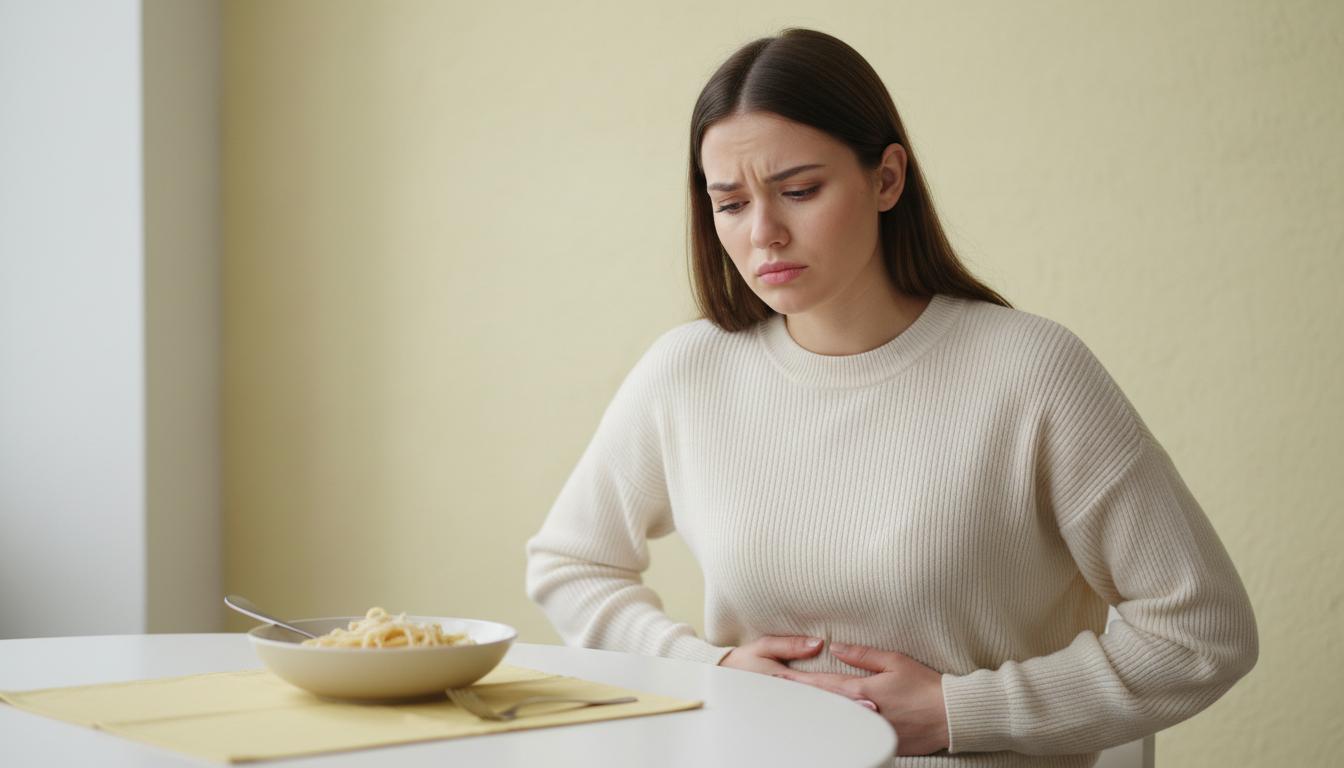
Have you ever eaten something—perhaps a takeaway or a home-cooked meal—only to experience sudden stomach cramps, nausea, vomiting, or overwhelming weakness shortly after? Many of us refer to this as "food poisoning." One of the most common culprits behind this miserable experience is a bacterium called Salmonella. Today, we’ll explore what Salmonella is, how it affects your body, and how you can protect yourself. At Nirogi Lanka, we want to ensure you stay informed and healthy.
Simply put, what is Salmonella?
Salmonella is a type of bacteria. When it enters your system, it causes a condition medically known as gastroenteritis, which manifests as stomach distress, including diarrhea, abdominal cramps, and vomiting. In casual terms, we often just say you have a "Salmonella infection." It is one of the most common bacterial causes of food poisoning worldwide.
However, it is important to remember that there are many different strains of Salmonella. While some types can lead to serious illnesses like typhoid fever, the common food poisoning we are discussing today is generally less severe.
What happens when Salmonella enters your body?
Imagine you have consumed food contaminated with Salmonella bacteria. As it reaches your stomach, your natural stomach acid and your immune system typically work to neutralize these pathogens. However, if a sufficient number of bacteria survive and reach your intestines, that is when the trouble begins.
The bacteria invade the cells lining your intestines and begin to damage them. This makes it very difficult for your body to absorb water and essential nutrients effectively.
- Why do you get stomach cramps? The damage to your intestines causes them to spasm, leading to those painful, cramping sensations.
- Why does diarrhea occur? The excess water that your body cannot absorb is expelled as diarrhea. Essentially, your body is attempting to flush out the germs as quickly as possible.
Who is at higher risk?
Anyone can contract Salmonella, but certain individuals are more susceptible to infection, or may experience more severe symptoms. Let’s break down these risk groups.
| Risk Category | Description |
|---|---|
| Higher risk of infection |
|
| Higher risk of severe disease |
|
What are the symptoms of Salmonella?
Symptoms typically appear within a few hours to a few days after exposure. They primarily affect your digestive system.
- Diarrhea: The most common symptom. Occasionally, there may be trace amounts of blood in the stool.
- Fever: You may experience a high temperature or chills.
- Abdominal cramps: A persistent aching or twisting sensation in the stomach.
- Nausea and Vomiting: You may feel sick or vomit repeatedly.
- Headache: Some people report head pain as well.
Important: You may experience one or several of these symptoms. Not everyone will display every symptom at the same time.
Does everyone vomit?
No. Not everyone with Salmonella vomits. The most common symptoms are diarrhea and fever. Vomiting is simply another possible symptom that some people encounter.
What does the stool look like?
Stools are typically liquid, loose, and frequent. However, if you notice blood in your stool, you must take this seriously. If you see blood, please contact your doctor or visit an emergency care facility immediately.
How does Salmonella enter your body?
Salmonella bacteria naturally reside in the intestines of people and animals. Consequently, these bacteria can easily find their way into the food you eat or onto surfaces you touch through various means.
Primary transmission routes for Salmonella include:
- Undercooked food: Eating raw or undercooked meat, poultry, seafood, and especially raw or soft-cooked eggs.
- Contaminated produce: Fruits and vegetables that have not been properly washed.
- Unsafe water and dairy: Drinking untreated water or consuming unpasteurized milk, cheese, or other dairy products.
- Poor hygiene during food preparation: Not washing your hands thoroughly while preparing or eating meals.
- Contact with animals: Bacteria can live on animal fur, feathers, skin, scales, and in their feces. If you touch an animal and then touch your mouth without washing your hands, the bacteria can easily enter your system. This can be transmitted by any animal, including dogs, cats, chickens, and turtles.
- Infected individuals: If someone with a Salmonella infection uses the restroom and fails to wash their hands properly before preparing food, or if you touch a surface contaminated by them, you can easily become infected.
It is important to remember that food contaminated with Salmonella usually looks perfectly fine. The color, smell, or taste of the food does not change. Therefore, you cannot identify it just by looking at it.
How does a doctor diagnose this?
If you are experiencing the symptoms mentioned above and they are not improving after a few days, it is best to see a doctor. Your doctor will ask about your symptoms and perform a physical examination. To confirm the diagnosis, they may order the following tests:
- Stool sample: This is the primary diagnostic test. You will be asked to provide a stool sample in a special container, which is then sent to a laboratory to check for the presence of Salmonella bacteria.
- Blood sample: In some cases, particularly if the infection is severe, a blood sample may be taken to see if the bacteria have entered your bloodstream.
- Other samples: In rare instances, a urine sample or a swab from an open wound may be tested.
How is it treated? How can you manage it at home?
Many patients often ask if they need specific medication for this infection.
The good news is that, in most cases, you do not need specific medication for a Salmonella infection. Your body's immune system is capable of fighting off the bacteria on its own. Symptoms typically subside and you will recover within 4 to 7 days.
However, if your condition is severe, or if you fall into a high-risk category, your doctor may decide to prescribe antibiotics such as Ciprofloxacin, Ceftriaxone, or Azithromycin.
Crucial home care tips
The most important focus during this illness is to prevent dehydration. Diarrhea and vomiting cause your body to lose vital fluids, which can become dangerous. To manage this:
- Stay hydrated: Drink plenty of fluids frequently in small amounts, such as water, oral rehydration salts (ORS), broth, soup, king coconut water, and diluted fruit juices.
- Rest: Giving your body plenty of rest will help you recover faster.
- Anti-diarrheal medication: Adults may temporarily use over-the-counter anti-diarrheal medications like Loperamide. However, never give these medications to young children without consulting a doctor first.
What are the potential complications?
While most people recover from Salmonella within a few days, complications can occur, especially if left untreated or in vulnerable individuals.
- Dehydration: This is the most common and dangerous complication. If your body loses too much water and electrolytes, it can become life-threatening.
- Bacteremia: Bacteria can move from the intestines into the bloodstream and spread throughout the body, potentially leading to a serious condition called sepsis.
- Reactive Arthritis: After the infection clears, some individuals may develop joint pain or eye irritation due to an immune system reaction.
- Osteomyelitis: While very rare, this involves bone infection and is more of a risk for individuals with sickle cell disease.
While deaths from Salmonella are rare, they are possible. That is why monitoring your symptoms closely is vital.
The most important part: How to prevent Salmonella
Staying protected from this illness is not difficult if you maintain consistent hygiene practices.
Food preparation best practices
1. Wash your hands frequently: Always wash your hands thoroughly with soap before preparing food, before eating, after using the restroom, and after handling raw meat or fish.
2. Separate raw meat and cooked food: Do not use the same cutting board or knife for raw meat/poultry and vegetables or fruits. Thoroughly clean utensils after contact with raw meat. Never place cooked food on a plate that held raw meat.
3. Cook food thoroughly: Ensure meat, fish, poultry, and eggs are cooked all the way through. If there is any pinkness remaining, it is not fully cooked.
4. Wash produce well: Always rinse fruits and vegetables under running water before eating or cooking.
5. Store food at safe temperatures: Refrigerate cooked foods promptly. Do not leave them out at room temperature for long periods.
6. Choose pasteurized dairy: Always check that store-bought milk, yogurt, and cheese are pasteurized.
Safety tips for interacting with animals
1. Wash hands after handling animals: Always wash your hands with soap after touching pets, cleaning their feeding bowls, or maintaining their cages.
2. Avoid kissing pets: Do not bring animals close to your face or mouth.
3. Keep animals out of the kitchen: Specifically, do not keep pets like turtles or lizards in the kitchen or areas where food is prepared.
4. Protect vulnerable family members: If your immunity is compromised, or if you live with children under 5 or adults over 65, avoid contact with higher-risk animals (turtles, chicks).
When should you see a doctor?
Symptoms should typically improve within a few days. However, if you experience any of the following, see a doctor immediately or visit an Emergency Department (ED):
- Severe diarrhea: If it persists for more than 3 days.
- Blood in your stool.
- High fever: A fever higher than 102°F (39°C).
- Persistent vomiting: If you cannot keep any fluids down.
- Severe signs of dehydration:
- Significantly reduced frequency or volume of urination.
- Dark yellow or orange-colored urine.
- Dry mouth and tongue.
- Feeling dizzy or lightheaded when standing up.
Key Takeaways from Nirogi Lanka
- Salmonella is a common bacteria that causes food poisoning; in most cases, your body will recover on its own within a few days.
- Staying hydrated is your top priority. Make sure to drink plenty of fluids to prevent dehydration while you recover.
- Practicing good food safety, such as cooking meats thoroughly and washing your hands frequently, can prevent up to 99% of infections.
- Always wash your hands thoroughly after handling animals or pets.
- If you experience severe symptoms like a high fever, blood in your stool, or signs of extreme dehydration, please seek medical attention immediately or call emergency services.
Salmonella, Salmonella awareness, food poisoning, stomach pain, diarrhea, vomiting, food poisoning information, gastroenteritis guide