
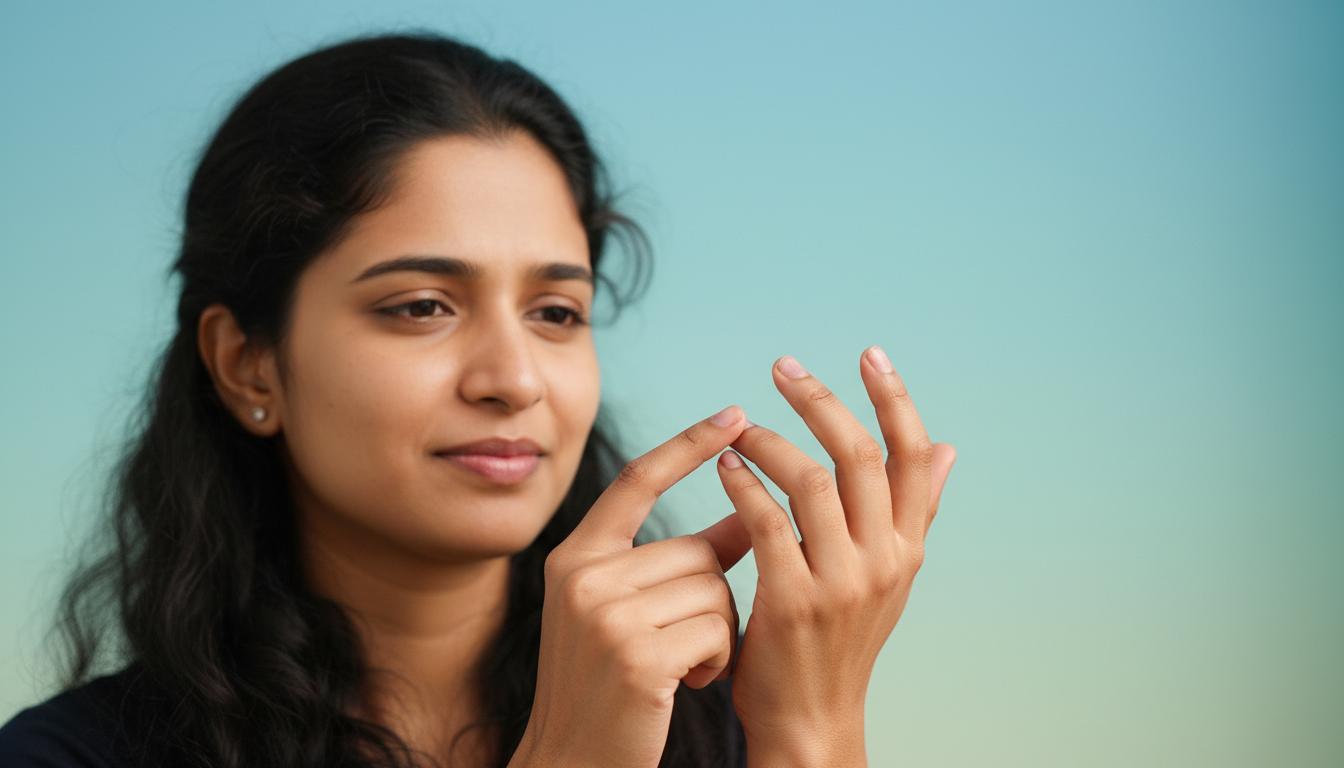
Ever felt those small, red, or bluish patches appear on your fingers or toes during a chilly, damp day? Perhaps accompanied by some swelling and an annoying itch, maybe even a little pain? This is a surprisingly common experience, often causing minor discomfort but rarely serious alarm. Today, we're diving deep into this condition known in the medical world as Chilblains, or Pernio.
What Exactly are Chilblains (Pernio)?
Simply put, Chilblains represent a small inflammation and discoloration of the skin. They don't typically result from direct freezing temperatures but rather from prolonged exposure to cool, damp conditions – think just above freezing point. The climate in areas like Nuwara Eliya in Sri Lanka can certainly contribute to this condition.
These lesions most commonly appear on the extremities – fingers and toes are prime locations. However, they can occasionally affect other areas like earlobes or even the nose. The patches can range in color from red to blue or purple and are often accompanied by itching, burning sensations, and pain.
While anyone can develop Chilblains, certain individuals have a higher risk. People with a low Body Mass Index (BMI), meaning they are underweight, may find themselves more susceptible due to reduced body fat for insulation. Infants who aren't adequately dressed for cold weather are also vulnerable.
Recognizing the Symptoms of Chilblains
The symptoms of Chilblains can vary from person to person and depend on the severity. Sometimes, the affected skin might appear shiny. Let's break down the primary signs:
| Symptom | Description |
|---|---|
| Skin Color Change | Red, blue, or purplish patches appear on the skin. This is the most common sign. |
| Itching | Intense itching can occur in the affected areas. |
| Burning and Pain | A burning sensation or pain, especially in fingertips or toes, may be felt. |
| Swelling | The skin in the affected area might become swollen. |
| Blisters | In severe cases, fluid-filled blisters can form on the skin. |
Why Do Chilblains Happen? The Underlying Cause
The development of Chilblains is essentially an abnormal reaction by your body to cold stimuli. When exposed to cool, damp conditions, the tiny blood vessels (capillaries) beneath the skin constrict (narrow). Upon rewarming, these vessels can dilate (widen) too rapidly and dramatically. This sudden change causes blood leakage into the surrounding tissues.
This leakage leads to the characteristic swelling, redness, and pain associated with Chilblains. While researchers haven't pinpointed the exact trigger for this exaggerated response, several factors are thought to contribute:
- Genetic Predisposition: Some individuals may be genetically more prone to developing Chilblains.
- Hormonal Changes: Fluctuations in hormones might play a role.
- Underlying Medical Conditions: Certain conditions, particularly those affecting connective tissues or blood circulation (like Lupus or Raynaud's phenomenon), can increase the risk.
Who is at Higher Risk for Chilblains?
Certain factors can make individuals more susceptible to developing Chilblains. Understanding these risk factors can help with prevention:
| Risk Factor | Details |
|---|---|
| Low Body Mass Index (BMI) | Underweight individuals may have less body fat to insulate against the cold. |
| Damp Climates | Living in cool, damp environments increases exposure risk. |
| Smoking | Smoking constricts blood vessels, impairing circulation. |
| Tight Clothing | Wearing tight shoes, socks, gloves, or clothing can restrict blood flow and worsen Chilblains. |
| Other Medical Conditions | Conditions affecting circulation, such as Lupus, Raynaud’s phenomenon, and Peripheral Arterial Disease (PAD), increase susceptibility. |
How is Chilblains Diagnosed?
In most cases, a healthcare provider can diagnose Chilblains simply by examining the affected skin and discussing your symptoms and exposure history. The characteristic appearance and location of the lesions are often sufficient for diagnosis.
However, if the symptoms are unusual or don't respond to initial care, your doctor might order tests to rule out other conditions that can mimic Chilblains. These could include blood tests or, less commonly, a skin biopsy (taking a small sample of skin for examination under a microscope).
Treatment Options for Chilblains
The good news is that Chilblains often resolve on their own within one to three weeks without specific treatment, provided you avoid further cold exposure. The most crucial step is keeping the affected areas warm and dry.
If symptoms persist beyond three weeks, are severe (intense pain or itching), or show signs of infection, medical intervention may be necessary. Your doctor might recommend:
- Oral Medications: Certain medications can help dilate blood vessels and improve circulation. Examples include:
- Nifedipine (Adalat®): Helps relax and widen blood vessels.
- Pentoxifylline (Trental®, Pentoxil®): Improves blood flow.
- Topical Medications: Creams or ointments applied directly to the skin can help relieve symptoms.
- Nitroglycerin (Nitrol®, Nitro-Bid®): Can improve circulation in small vessels.
- Corticosteroid creams (e.g., Betamethasone valerate): May reduce inflammation and itching.
Home Care Strategies for Chilblains
Alongside any medical treatment, several home care measures can help alleviate discomfort and promote healing:
- Keep Warm: Wear warm socks, gloves (mittens are often better), hats, and layers of clothing.
- Stay Dry: Avoid getting extremities wet. If they do get wet, dry them thoroughly and warm them gradually.
- Moisturize: Apply an unscented lotion to prevent dryness and cracking, which can worsen itching.
- Pain Relief: Over-the-counter pain relievers like ibuprofen (Advil®, Motrin®) or naproxen can help manage pain and inflammation. Always consult your doctor before taking new medications.
- Gentle Warming: Soak affected areas in lukewarm water for short periods. Avoid hot water, as it can damage the skin. Do not rub the affected areas vigorously, as this can cause further irritation.
When to Seek Medical Attention
While Chilblains are usually harmless, it's important to see a doctor in certain situations:
- Symptoms don't improve after three weeks.
- You have diabetes and develop Chilblains on your feet (due to increased risk of infection).
- The skin becomes infected (showing signs like pus, increased redness, swelling, or warmth).
- You develop fever or chills along with the skin lesions.
Key Takeaways
- Chilblains are caused by exposure to cool, damp conditions, not necessarily extreme cold.
- Prevention involves keeping extremities warm and dry.
- Most cases resolve within 1-3 weeks with proper care.
- Seek medical advice for persistent, severe symptoms, or signs of infection.
- If you have diabetes, consult your doctor promptly about any foot changes.
Frequently Asked Questions (FAQs)
Are Chilblains contagious?
No, Chilblains are not contagious. They are a reaction of your body's blood vessels to cold and damp conditions.
How long do Chilblains typically last?
Most cases of Chilblains resolve on their own within one to three weeks if the affected areas are kept warm and dry. Severe cases may take longer or require medical treatment.
Can I prevent Chilblains from recurring?
Yes, prevention is key. Avoid prolonged exposure to cold, damp conditions. Keep your hands, feet, and ears warm and dry by wearing appropriate clothing like gloves, mittens, warm socks, and hats. Avoid tight clothing that restricts circulation.
What should I do if my Chilblains are very itchy?
Avoid scratching the affected areas, as this can lead to skin damage and infection. Apply an unscented moisturizer or a cool compress. If itching is severe or persistent, consult your doctor who may recommend antihistamines or topical treatments.
Is it safe to use heating pads on Chilblains?
Use caution with direct heat. While gentle warmth can be helpful, intense heat (like from a heating pad set too high) can damage the skin and worsen the condition. Lukewarm water soaks are generally safer.
💬 අදහස් (0)
තවමත් කිසිදු අදහසක් පළ කර නොමැත. ඔබේ අදහස පළමු වරට මෙහි එක් කරන්න.
ඔබේ අදහස එක් කරන්න