
Sound is an indispensable part of our lives. The comforting voice of a loved one, a beautiful melody, the joyful laughter of a child – these enrich our existence profoundly. Yet, sometimes, due to age or other medical conditions, this precious sense gradually fades. While hearing aids can help many, they aren't always effective, especially for severe hearing loss. This is where cochlear implants offer a remarkable alternative.
What Exactly is a Cochlear Implant?
Many people mistakenly believe a cochlear implant is simply a more powerful hearing aid. However, they function in fundamentally different ways. Understanding this distinction is crucial.
Hearing Aids
Think of a hearing aid as an amplifier. It captures ambient sound using a microphone, amplifies it, and delivers the louder sound into the ear canal. This works effectively only if the inner ear structures responsible for processing sound are still functioning adequately.
Cochlear Implants
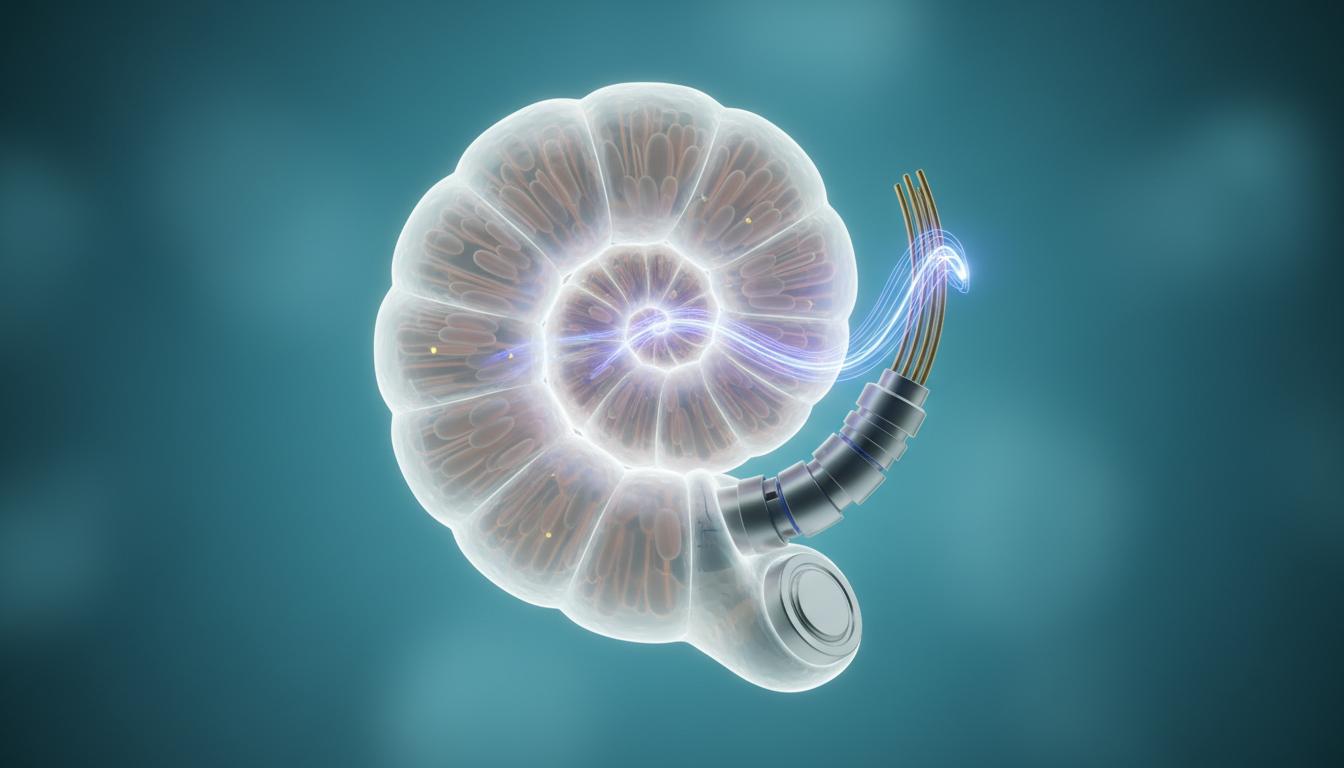
A cochlear implant is far more complex. It's designed to bypass damaged parts of the inner ear entirely. Instead of just amplifying sound, it converts sound into electrical signals and sends them directly to the auditory nerve, which connects the ear to the brain. This is akin to creating a detour around a blocked road.
This technology is typically recommended for individuals with severe to profound hearing loss in one or both ears, particularly those who receive limited benefit from conventional hearing aids. While it may not restore hearing to 100% normal levels, a cochlear implant can significantly improve the ability to understand speech, recognize environmental sounds, and enhance overall quality of life.
How Does This Tiny Device Perform Such a Major Task?
To grasp how a cochlear implant works, let's first review the natural hearing process. When sound waves enter the ear, they travel through the ear canal to the eardrum, causing it to vibrate. These vibrations are passed through tiny bones in the middle ear (ossicles) to the inner ear, specifically the cochlea. The cochlea is a snail-shaped structure containing thousands of delicate sensory hair cells. These cells convert the mechanical vibrations into electrical signals that the auditory nerve transmits to the brain for interpretation. Hearing loss often occurs when these crucial hair cells are damaged.
A cochlear implant essentially takes over the function of these damaged hair cells. It consists of two main parts:
- External Components: This includes a microphone, a speech processor, and a transmitter.
- Internal Components: This includes a receiver/stimulator and an electrode array.
Here’s a step-by-step breakdown of how it works:
- Step 1: Sound Capture: The microphone, typically worn behind the ear, picks up sounds from the environment.
- Step 2: Signal Processing: The sound is sent to the speech processor, which analyzes and digitizes it into a coded signal.
- Step 3: Transmission: The coded signal is transmitted wirelessly through the transmitter (held in place by a magnet under the skin) to the internal receiver.
- Step 4: Stimulation: The internal receiver, implanted beneath the skin, converts the digital signal into electrical impulses.
- Step 5: Electrode Activation: These impulses are sent along the electrode array, which is carefully inserted into the cochlea during surgery.
- Step 6: Nerve Stimulation: The electrodes stimulate the auditory nerve fibers directly.
- Step 7: Brain Interpretation: The auditory nerve carries these electrical signals to the brain, where they are interpreted as sound – speech, music, or other environmental noises.
In essence, a cochlear implant creates an electronic shortcut for hearing.
The Surgery and What Happens Afterward
The process involves two main stages: the surgical implantation and the device activation.
Surgery
This procedure is typically performed by an Otolaryngologist (Ear, Nose, and Throat specialist). You will be under general anesthesia, ensuring you feel no pain. The surgeon makes a small incision behind the ear and creates a tiny opening in the mastoid bone to access the cochlea. The internal components (receiver and electrode array) are then carefully inserted. The incision is closed with dissolvable sutures.
This is generally not considered major surgery, and many patients can go home the same day or the next morning.
Device Activation
Approximately two to four weeks after surgery, once the incision has healed, you'll return for activation. This crucial step is performed by an Audiologist (hearing specialist). The external components are attached, and the device is programmed – a process often called 'mapping'.
Initially, sounds may seem unfamiliar or robotic as your brain learns to interpret these new electrical signals. This is normal. With time and dedicated rehabilitation, your brain adapts, and sounds become clearer and more natural.
Benefits and Risks
Like any medical treatment, cochlear implantation has both advantages and potential risks. However, for suitable candidates, the benefits overwhelmingly outweigh the risks.
| Potential Benefits | Potential Risks |
|---|---|
| Improved ability to understand speech, especially in noisy environments. | General surgical risks (anesthesia reactions, infection). |
| Enhanced awareness of environmental sounds (doorbells, alarms, traffic). | Very small risk of damage to the facial nerve during surgery. |
| Reduction or elimination of tinnitus (ringing in the ears) for some individuals. | Risk of meningitis (preventable with vaccination prior to surgery). |
| For children born deaf or with profound hearing loss, it enables them to develop spoken language alongside their peers. | Potential loss of any remaining natural hearing in the implanted ear (modern techniques minimize this risk). |
| Increased safety awareness through detection of warning sounds (fire alarms, car horns). | Rare possibility of balance issues or dizziness. |
| Renewed ability to enjoy music and other auditory experiences. | Device malfunction (rare). |
How Long Does Adaptation Take?
It's important to have realistic expectations. You won't hear perfectly right after activation. Your brain needs time to learn how to process the electrical signals from the implant – a process called auditory rehabilitation. Initially, voices might sound mechanical, but this typically improves significantly with practice and therapy.
Significant improvements in hearing are often noticeable within the first month. However, reaching optimal performance can take anywhere from three to six months or even longer. Consistent participation in auditory rehabilitation sessions with an audiologist or speech-language pathologist is vital during this period. Your commitment plays a key role in achieving the best possible outcome.
Tips for Success
To maximize the benefits of your cochlear implant, consider these points:
- Wear the device consistently: Use the external processor whenever you are awake to help your brain adapt quickly.
- Attend rehabilitation sessions: Follow the guidance provided by your audiologist and speech therapist diligently.
- Understand limitations: You'll need to remove the external components when swimming or showering. Avoid high-impact contact sports that could damage the internal device.
- Embrace new experiences: View the implant not as a limitation, but as an opportunity to reconnect with the world of sound and engage more fully in social activities.
When Should You See Your Doctor?
Regular follow-up appointments are essential after implantation. However, contact your doctor immediately if you experience any of the following:
- Sudden changes in hearing.
- Ear pain or discomfort.
- Signs of infection at the surgical site (redness, swelling, pus, fever).
- A significant blow to the head.
Key Takeaways
- A cochlear implant is not a hearing aid; it's an electronic device that bypasses damaged parts of the inner ear to directly stimulate the auditory nerve.
- It's typically recommended for individuals with severe to profound hearing loss who receive limited benefit from conventional hearing aids.
- The procedure involves surgery to implant internal components, followed by external programming and ongoing rehabilitation. The internal part lasts a lifetime, while the external processor may need replacement every 5-10 years.
- Adaptation takes time and effort; brain training through auditory therapy is crucial for success.
- The benefits of improved communication, safety, and quality of life generally far outweigh the minimal risks associated with the procedure. If you or your child has significant hearing loss, discuss cochlear implantation as a potential option with your healthcare provider.
Frequently Asked Questions (FAQs)
Is a cochlear implant the same as a hearing aid?
No, they work very differently. A hearing aid amplifies sound for ears that have some remaining hearing function. A cochlear implant bypasses damaged parts of the inner ear and directly stimulates the auditory nerve with electrical signals.
How long does it take to hear well with a cochlear implant?
Adaptation varies, but significant improvements are often noticed within the first month. Reaching optimal hearing ability can take 3-6 months or longer, requiring consistent use and auditory rehabilitation therapy.
What are the main risks associated with cochlear implant surgery?
Risks are minimal but include general surgical complications like infection or anesthesia reactions. Specific risks involve potential damage to the facial nerve (very rare) or loss of remaining hearing in the implanted ear (also minimized with modern techniques).
Will a cochlear implant restore my hearing completely?
While it doesn't restore natural hearing, a cochlear implant can provide profound improvements in understanding speech and perceiving environmental sounds for individuals with severe to profound hearing loss, significantly enhancing their quality of life.
What kind of aftercare is needed?
Regular follow-up appointments with an audiologist are crucial for programming adjustments. Consistent use of the device and participation in auditory rehabilitation therapy are essential for successful adaptation.
💬 අදහස් (0)
තවමත් කිසිදු අදහසක් පළ කර නොමැත. ඔබේ අදහස පළමු වරට මෙහි එක් කරන්න.
ඔබේ අදහස එක් කරන්න