
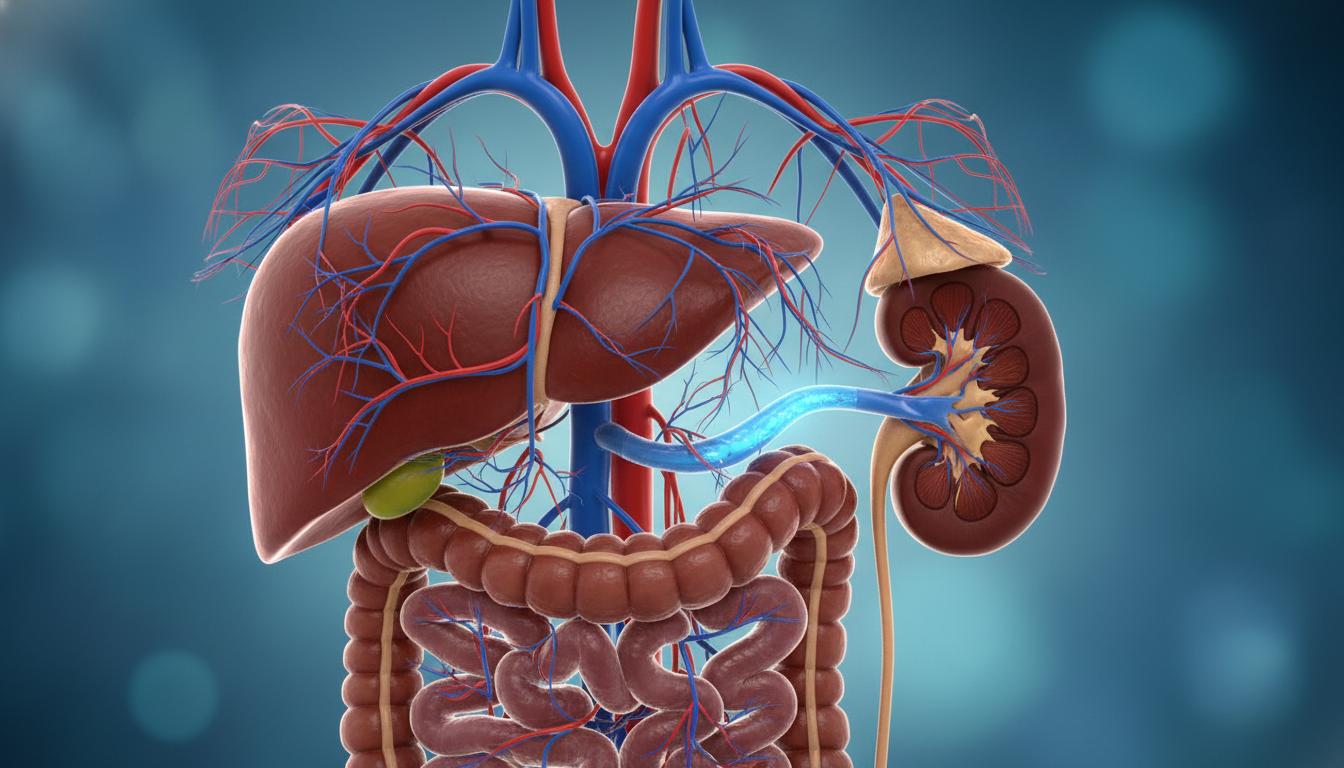
Your liver is an incredibly vital organ, working tirelessly to keep your body functioning smoothly. However, when certain diseases damage the liver, it can lead to a dangerous increase in pressure within the blood vessels connected to it. This condition, known as portal hypertension, can cause life-threatening complications like vomiting blood. Today, we'll explore a specialized surgical procedure designed to save lives in these critical situations: the Distal Splenorenal Shunt (DSRS).
What is a Distal Splenorenal Shunt (DSRS)?
Simply put, the Distal Splenorenal Shunt, or DSRS, is a surgical operation performed to reduce dangerously high pressure in the portal vein. The portal vein is the major blood vessel that carries nutrient-rich blood from your digestive organs (like the stomach and intestines) directly to your liver. When liver disease obstructs blood flow through the liver, pressure builds up in this system – a condition called Portal Hypertension. This elevated pressure can lead to serious complications, including bleeding. Surgeons utilize the DSRS procedure to help manage these dangerous consequences.
It's crucial to understand that while DSRS effectively manages the symptoms and risks associated with portal hypertension, it doesn't cure the underlying liver disease itself. However, it provides significant relief by controlling severe complications. Following the surgery, ongoing monitoring, regular check-ups, and adherence to medical advice are essential for managing your condition long-term.
Understanding Portal Hypertension
As mentioned, portal hypertension is abnormally high blood pressure in the portal vein system. The most common cause is liver damage that hinders blood flow. For instance, conditions like cirrhosis (severe scarring of the liver) can stiffen the liver tissue, creating a bottleneck for blood trying to pass through it.
Imagine a water pipe partially blocked – pressure builds up behind the blockage, forcing water to find alternative routes. Similarly, when blood flow through the liver is restricted, pressure increases in the portal vein. This high pressure forces blood to divert through smaller, weaker veins that aren't designed to handle such volume.
These newly formed, fragile vessels are called varices. They most commonly develop in the esophagus (the tube connecting your throat to your stomach) and the stomach lining. As pressure continues to rise, these varices can enlarge, their walls become thin and weak, and they risk rupturing.
A ruptured varix causes severe bleeding – a medical emergency. Other complications arising from high portal pressure include fluid buildup in the abdomen (ascites) and swelling in the legs and feet (edema). The DSRS procedure aims to prevent these life-threatening events.
How Does the DSRS Procedure Work?
The primary goal of the DSRS surgery is to redirect excess blood flow away from the high-pressure portal vein system, thereby lowering the pressure and reducing the risk of bleeding. It's akin to building a bypass road to alleviate traffic congestion.
During the DSRS procedure, the surgeon performs the following steps:
- The splenic vein (the vein draining blood from the spleen) is disconnected from the portal vein.
- The distal end of the splenic vein is then connected to the left renal vein (the vein draining blood from the left kidney).
This creates a new pathway for blood originating from the spleen and parts of the stomach and pancreas to flow directly into the systemic circulation via the renal vein, bypassing the high-pressure portal system. This effectively reduces pressure within the portal vein and its tributaries (like the varices), while ensuring adequate blood supply continues to reach the liver.
Who Needs a DSRS Procedure?
Your doctor might recommend a DSRS procedure if investigations reveal that you have large esophageal or gastric varices, or if you've experienced bleeding from these varices. It can also be considered for managing other complications of severe portal hypertension that haven't responded adequately to medical therapy.
| Symptom / Condition | Simple Explanation |
|---|---|
| Vomiting blood or passing black stools | Key signs of ruptured varices bleeding. |
| Gastrointestinal bleeding | Bleeding from the digestive tract, often due to varices. |
| Ascites (Abdominal fluid buildup) | Fluid leaking from blood vessels into the abdominal cavity due to high pressure. |
| Edema (Leg and foot swelling) | Can occur due to changes in body fluid balance related to liver disease. |
| Hypersplenism (Enlarged spleen) | The spleen enlarges as it handles increased blood flow. |
| Hepatic encephalopathy (Brain function changes) | Toxins normally cleared by the liver build up in the bloodstream and affect brain function. |
DSRS vs. Other Shunt Procedures
Several types of shunt procedures exist to manage portal hypertension, all aiming to reduce pressure in the portal vein. However, they differ in technique and application:
- Transjugular Intrahepatic Portosystemic Shunt (TIPS): This is a less invasive procedure performed by interventional radiologists. A catheter is inserted through a neck vein, guided into the liver, where a shunt is created between the portal vein and a hepatic vein within the liver itself. TIPS is currently more commonly performed than DSRS in many centers.
- Proximal Splenorenal Shunt: This surgical procedure involves connecting the splenic vein directly to the renal vein but may sometimes require removal of the spleen (splenectomy).
- Spontaneous Splenorenal Shunt (SSRS): This is not a surgically created shunt. It's a naturally occurring connection that can develop in patients with very advanced liver disease, indicating severe portal hypertension.
What to Expect Before Surgery
Your medical team will conduct a thorough evaluation before the DSRS procedure. This includes:
- Reviewing your medical history and performing a physical examination.
- Ordering tests to assess liver function, kidney function, and overall health.
- Specific diagnostic tests may include:
- Blood tests (including liver function tests)
- Chest X-ray
- Electrocardiogram (ECG)
- Angiogram (imaging of blood vessels)
- Upper endoscopy (to visualize the esophagus and stomach)
Your surgical team will provide detailed pre-operative instructions, including:
- Medications to stop or adjust before surgery.
- Instructions on what to bring to the hospital.
- Fasting guidelines (when to stop eating and drinking).
Don't hesitate to ask your doctor any questions you have about the procedure, risks, or recovery process.
What Happens During Surgery?
The DSRS surgery typically takes around four hours to complete. You will be under general anesthesia throughout the procedure, meaning you'll be completely asleep and won't feel any pain.
The surgical team will then perform the steps outlined earlier: disconnecting the splenic vein from the portal vein and connecting it to the left renal vein.
What to Expect After Surgery
You can expect to stay in the hospital for about one to ten days after the surgery. During this time, your medical team will closely monitor your recovery.
- A urinary catheter may be placed temporarily.
- A nasogastric tube (tube through the nose into the stomach) might be used for a day or two to remove air and fluids.
- Intravenous (IV) fluids and medications will be administered.
- Pain medication, often via a patient-controlled analgesia pump, will be provided.
After about a week, an angiogram may be repeated to ensure the shunt is functioning correctly. You'll gradually resume eating, starting with liquids and progressing to solid foods. Before discharge, a dietitian will provide guidance on a suitable diet, often emphasizing low salt and low fat.
Are There Risks Involved?
Like any surgery, DSRS carries some risks. However, it is generally considered a safe and effective procedure. The risk of bleeding after the surgery is higher in the first month but is managed by your medical team.
Life After Surgery: Recovery and Follow-Up
Following your doctor's and dietitian's instructions carefully is crucial for a smooth recovery. You'll receive guidance on when you can return to normal activities and exercise.
- Regular blood tests will be needed to monitor liver function.
- Attending all follow-up appointments is essential for monitoring your condition and managing your health long-term.
When to Seek Immediate Medical Attention
Contact your doctor or seek emergency care immediately if you experience any of the following symptoms after surgery:
- Coughing up blood
- Difficulty breathing
- Confusion or altered mental state
- Fever
- Chest pain
- Excessive vomiting or diarrhea
Living with portal hypertension can be challenging, but remember that your medical team is there to support you. Procedures like DSRS can effectively manage symptoms and significantly improve your quality of life.
Understanding your condition and actively participating in your care are key. Don't hesitate to ask questions and express concerns to your healthcare providers. They are your partners in managing portal hypertension and ensuring the best possible outcome after a DSRS procedure.
Disclaimer: This article provides general information about this condition and should not replace the advice from your doctor. Always consult a healthcare professional.
💬 අදහස් (0)
තවමත් කිසිදු අදහසක් පළ කර නොමැත. ඔබේ අදහස පළමු වරට මෙහි එක් කරන්න.
ඔබේ අදහස එක් කරන්න