
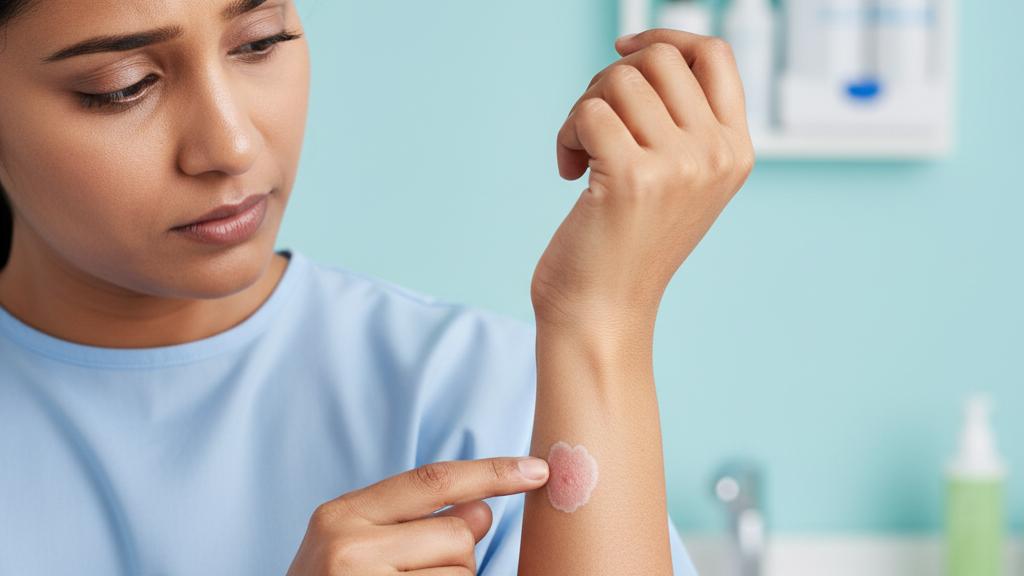
We all seek healthcare – whether at a hospital, clinic, or doctor's office – hoping to get better. But what if seeking treatment inadvertently leads to another infection? It’s a distressing thought, yet it can happen. These infections acquired during the course of receiving medical care are known as Healthcare-Associated Infections (HAIs), sometimes referred to as hospital-acquired or nosocomial infections.
What Are Healthcare-Associated Infections (HAIs)?
Simply put, an HAI is any infection you contract while receiving treatment for another condition in a healthcare setting, such as a hospital, surgical center, or clinic. While some HAIs can be minor, others can lead to severe complications and even life-threatening conditions.
For an infection to be classified as an HAI, it typically must meet specific criteria:
- The infection is identified within 48 hours of hospital admission.
- The infection occurs within 3 days after hospital discharge.
- The infection develops within 30 days after a surgical procedure.
The primary culprits behind these infections are microorganisms – specifically bacteria, viruses, and fungi. The good news is that many HAIs are preventable through collaborative efforts involving healthcare staff, patients, and their families.
Common Types of Hospital-Acquired Infections
Various types of infections can arise in a healthcare environment. Here’s a look at some of the most prevalent ones:
| Infection Type | Simply Put… |
|---|---|
| C. diff (Clostridioides difficile) Infection | A common bacterial infection causing colon inflammation and severe diarrhea; can recur weeks later in some individuals. |
| Catheter-associated urinary tract infection (CAUTI) | Urinary tract infections occurring in patients with an indwelling urinary catheter; account for about a third of all HAIs. |
| Central line-associated bloodstream infection (CLABSI) | Infection entering the bloodstream through a central venous catheter (a tube inserted into a large vein, often near the heart). |
| MRSA Infection (Methicillin-resistant Staphylococcus aureus) | A common infection caused by bacteria resistant to many standard antibiotics like penicillin and amoxicillin. |
| Surgical site infection (SSI) | Infections occurring at the location of a surgical incision, potentially affecting skin, deep tissue, organs, or implanted devices like pacemakers. |
| Ventilator-associated pneumonia (VAP) | Pneumonia developing in patients connected to a mechanical ventilator (breathing machine), often through the breathing tube. |
What Are the Symptoms of These Infections?
Symptoms can vary depending on the type and location of the infection. However, some general warning signs are important to be aware of, especially if you are hospitalized or recently had surgery:
- Fever
- Chills
- Difficulty breathing (Dyspnea)
- Coughing
- Abdominal pain
- Rapid heartbeat (Heart palpitations)
- Diarrhea
- Increased urination (Polyuria)
- Pain or burning during urination (Dysuria)
- Changes in mental status (e.g., confusion, sudden irritability)
Imagine you’ve returned home after surgery. If the surgical site becomes red, swollen, painful, or starts draining pus within a few days, it could be a sign of a Surgical Site Infection (SSI). In such cases, contact your doctor immediately.
How Are These Infections Spread and Who Is at Higher Risk?
HAIs can spread in several ways:
- Through airborne droplets from coughing or sneezing of an infected person.
- When healthcare workers touch patients without cleaning their hands properly.
- Using contaminated medical equipment.
- Touching contaminated surfaces (like door handles, bed rails).
Your risk of developing an HAI may be higher if you require certain treatments or devices, such as:
- Urinary catheters
- Mechanical ventilation
- Intravenous (IV) lines or injections
- Surgery
In these situations, the body's natural defenses (like intact skin) are breached, creating an entry point for pathogens. This underscores the critical importance of meticulous hygiene and disinfection practices.
Potential Complications from HAIs
An HAI is not a trivial matter. If left untreated or improperly managed, it can lead to serious complications. These vary by infection type:
| Infection Type | Potential Complications |
|---|---|
| Central line-associated bloodstream infection (CLABSI) | Endocarditis (inflammation of the heart's inner lining), osteomyelitis (bone infection), sepsis (bloodstream infection). |
| Surgical site infection (SSI) | Delayed wound healing, need for further surgery, rejection of implanted devices, sepsis. |
| Catheter-associated urinary tract infection (CAUTI) | Recurrent UTIs, sepsis. |
| Ventilator-associated pneumonia (VAP) | Respiratory failure, empyema (pus collection around the lungs), sepsis. |
How Are HAIs Treated?
Your doctor will assess your symptoms and examine relevant areas (like a surgical wound). If an infection is suspected, tests like blood or urine cultures may be performed to identify the specific pathogen.
Treatment depends on the cause:
- Bacterial infections: Antibiotics
- Viral infections: Antivirals
- Fungal infections: Antifungals
A significant challenge in treating HAIs is antibiotic resistance, where bacteria evolve to withstand antibiotic drugs. This makes treatment difficult and highlights the importance of using antibiotics judiciously.
Most Importantly: How Can We Prevent These Infections?
Prevention is always better than cure. Both healthcare providers and patients play a vital role in preventing HAIs:
- Wash Your Hands Frequently: This is the single most effective way to prevent the spread of germs. Use soap and water or an alcohol-based hand sanitizer before touching a patient, after using the restroom, and before eating.
- Speak Up: Don't hesitate to ask your healthcare team about their infection control practices. For example, “Did you wash your hands before examining me?”
- Be Vigilant with Catheters: Ask your doctor if a urinary catheter is truly necessary and if it can be removed promptly.
- Take Medications as Prescribed: If prescribed antibiotics, complete the full course even if you start feeling better.
- Know the Signs of Infection: Be aware of potential infection symptoms after surgery or during hospitalization (e.g., redness, swelling, pus at a wound site). Report any concerns immediately.
- Get Vaccinated: Stay up-to-date on recommended vaccinations, like the flu shot.
We visit healthcare facilities seeking healing. Developing an infection there is understandably concerning. Remember, many HAIs are preventable. We all share responsibility for maintaining a safe healthcare environment. If you or someone you know shows signs of an infection during medical care, don’t hesitate to inform the healthcare team.
Key Takeaways
- Healthcare-Associated Infections (HAIs) are infections acquired during medical treatment.
- They can be caused by bacteria, viruses, or fungi and may lead to serious complications.
- Many HAIs are preventable, with proper hand hygiene being paramount.
- As a patient, you have the right to ask questions about infection control measures.
- If you notice signs of infection after discharge or surgery (like fever, wound redness/swelling), seek medical attention promptly.
Disclaimer: This article provides general information about this condition and should not replace the advice from your doctor. Always consult a healthcare professional.
💬 අදහස් (0)
තවමත් කිසිදු අදහසක් පළ කර නොමැත. ඔබේ අදහස පළමු වරට මෙහි එක් කරන්න.
ඔබේ අදහස එක් කරන්න