
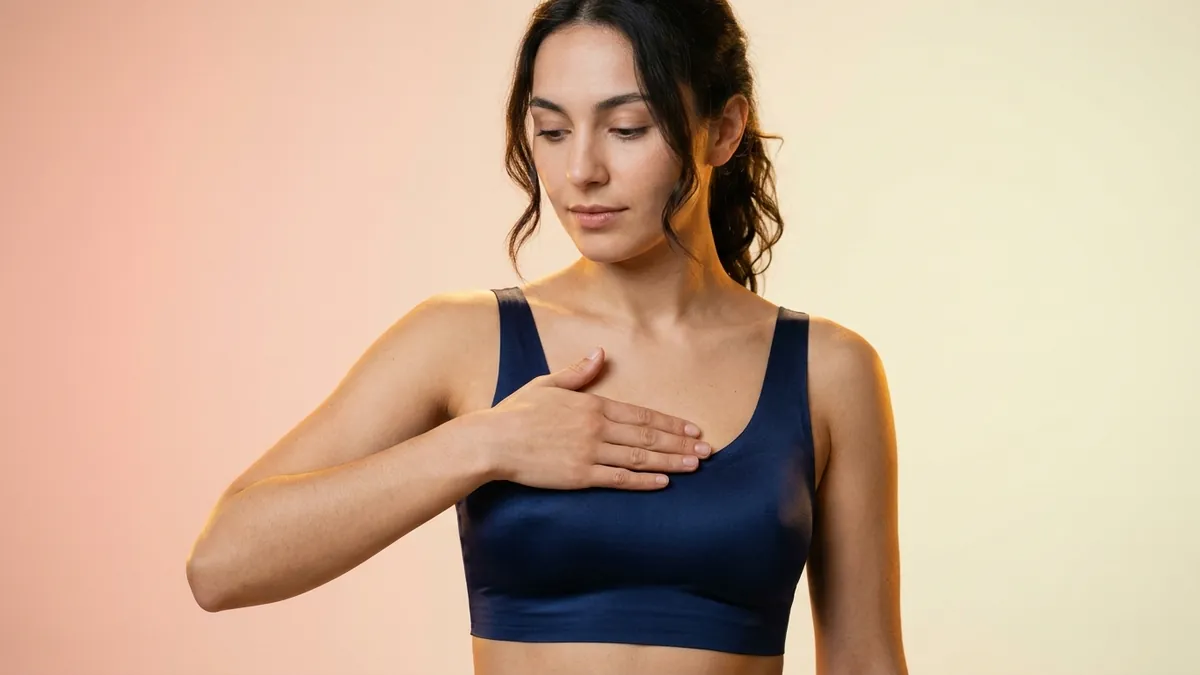
Understanding breast enhancement surgery recovery time: clinical meaning, causes, normal ranges, and next steps gives you a clear, realistic roadmap before you ever step into the operating suite. When patients plan for breast enhancement surgery (augmentation mammoplasty), we doctors always explain that healing is not a single finish line. Surface skin stitches seal up fairly quickly, yet deeper chest muscles, nerves, and internal tissues need several steady weeks to adapt and soften.
Be honest, you have probably wondered how soon you can drive, sleep comfortably, pick up your kids, or return to the gym, haven't you? Knowing what happens inside your body week by week prevents you from rushing back to heavy chores too early or worrying unnecessarily over normal postoperative swelling.
While a specialist plastic surgeon performs the operation and directs your surgical follow-ups, we doctors at your Primary Care Physician (PCP) or family GP clinic often help you prepare beforehand with routine health checks and support your general wellbeing afterward. Having that clear timeline makes planning your time off work so much less stressful, right?
📌 Key Takeaways at a Glance
- Desk work return: Most healthy adults return to remote or office-based jobs within 5 to 7 days, provided they are off prescription sedating pain relievers.
- Full physical clearance: Expect 4 to 6 weeks before resuming heavy lifting, running, or upper-body workouts.
- Internal settling ("drop and fluff"): Deeper chest muscles relax and breast shape naturally softens over 3 to 6 months.
- Technique matters: Under-the-muscle placement takes several days longer to feel comfortable than over-the-muscle implants or fat transfer.
- Safety first: Sudden one-sided swelling, fever at or above 100.4°F (38.0°C), or shortness of breath requires immediate medical evaluation.
What Is Breast Enhancement Surgery Recovery Time: Clinical Meaning, Normal Ranges & Next Steps?
Breast enhancement surgery recovery time typically spans 4 to 6 weeks for full daily and exercise recovery, while most patients resume desk work in 5 to 7 days. Clinically, surface incisions close within 2 weeks, whereas deeper chest muscles and implants take 3 to 6 months to fully settle.
Think about it for a second: why do surgeons separate "social recovery" from "anatomical recovery"? Feeling energetic enough to answer emails on day six does not mean your internal surgical pocket can handle lifting a heavy grocery bag or toddler. Clinically, true recovery covers four overlapping milestones: anesthesia clearance, skin incision sealing, deep tissue stabilization, and final scar remodeling.
For straightforward procedures, normal functional ranges stay remarkably consistent across healthy adults in the United States, United Kingdom, Canada, and Australia. Your immediate next steps after surgery focus on protecting your chest wall, wearing your prescribed compression garment, walking gently indoors to keep circulation moving, and attending every scheduled wound check with your surgical team.
How Does Your Body Heal Internally After Breast Implants vs. Fat Transfer?
What do you think happens beneath the skin during those first seventy-two hours after surgery? Immediately after an implant is placed, your immune system launches a protective inflammatory response, sending fluid and repair cells into the newly created space. Over the following weeks, collagen fibers weave a thin, natural tissue envelope around the implant known as a scar capsule (periprosthetic capsule), which holds the device securely in position.
Placement depth changes how your chest feels early on. With over-the-muscle placement (subglandular placement), the implant rests directly behind breast tissue, causing milder soreness. With under-the-muscle placement (submuscular placement) or partial muscle coverage (dual-plane placement), your large chest muscle (pectoralis major) is gently lifted and stretched, creating noticeable morning tightness and muscle spasms for the first 5 to 10 days. Makes sense when you picture the anatomy, right?
If you choose breast fat transfer (autologous fat grafting) instead of implants, recovery follows a different biological rule. Harvested fat cells must grow tiny new blood vessels (revascularization) over 3 to 6 weeks to survive, while liposuction donor areas on your abdomen or thighs heal from deep bruising. Clinically, your surgeon also monitors healing to distinguish normal tissue swelling from fluid buildup (seroma), blood collection under the skin (hematoma), or excessive late scar tightening (capsular contracture).
What Are the Normal Week-by-Week Stages and Clinical Cutoffs for Recovery?
Look at what happens beneath the surface as each milestone passes, along with the clinical cutoffs surgeons use to guide safe activity:
- Hours 1 to 72 (Acute Phase): Expect chest pressure, fatigue, and soreness peaking around day two or three. A responsible adult must stay with you for the first 24 hours, and driving is strictly off-limits while taking prescription opioid or muscle-relaxing medications.
- Days 4 to 14 (Early Mobility & Epithelialization): Desk work typically resumes between days 5 and 7. Driving is allowed once you stop sedating painkillers and can turn the steering wheel swiftly without pain. Superficial skin incisions seal by days 10 to 14; if surgical drains were placed, surgeons usually remove them once output stays below 25 to 30 mL per 24 hours.
- Weeks 2 to 6 (Progressive Strengthening): Keep lifting strictly under 10 pounds (4.5 kg) for the first 2 to 3 weeks. Light lower-body walking or stationary cycling often restarts at weeks 3 to 4, with full upper-body weights and high-impact running cleared at week 6.
- Months 3 to 6 (Settling & Remodeling): Implants gradually descend into the lower breast pole—often called the "drop and fluff" phase—while scars fade over 6 to 12 months.
See? That is exactly why we doctors remind patients never to judge their final symmetry in week two, and to report any oral temperature reaching 100.4°F (38.0°C) or higher right away.
What Causes Breast Enhancement Surgery Recovery Time to Be Longer or Shorter?
Have you ever wondered why two friends can choose the exact same implant volume yet bounce back days apart? Several surgical and personal health factors speed up or slow down tissue repair. Larger implant volumes stretch the skin and chest muscle further, lengthening tightness by a week or more. Combining implants with a breast lift (mastopexy) adds longer skin incisions that demand extra wound care and cautious arm movement.
Everyday health habits play an equally powerful role. Remember how we talked earlier about tiny blood vessels feeding healing tissues? Nicotine from cigarettes, vapes, or patches narrows blood vessels (vasoconstriction), starving incisions of oxygen and sharply raising wound breakdown risk—which is why surgeons require stopping all nicotine at least 4 to 6 weeks before and after surgery.
Poorly controlled diabetes (such as an HbA1c above 7.5%), untreated iron-deficiency anemia, or resuming blood-thinning supplements like high-dose fish oil, vitamin E, or anti-inflammatory painkillers too early can also delay recovery or trigger bleeding. Scheduling a pre-op checkup at your PCP or family GP clinic helps verify healthy blood counts, blood pressure, and safe medication hold schedules before surgery day.
How Can You Tell Normal Healing Signs Apart From Post-Surgery Complications?
Recall what we mentioned at the beginning about normal recovery looking uneven at first? Use this quick two-column clinical guide to tell expected healing sensations apart from symptoms that need medical attention.
| Symptom or Recovery Finding | Clinical Meaning & Recommended Action |
|---|---|
| High, firm breasts & chest tightness (Weeks 1–4) | Normal early swelling combined with upward tension from the chest muscle before gravity and muscle relaxation allow implants to settle. What you should do: Wear your surgeon-approved support bra or chest band as instructed and avoid upper-body stretching until cleared. |
| Brief zings, itching, or numb/sensitive nipples | Tiny sensory skin nerves stretched during pocket creation are waking back up and regenerating over weeks to months. What you should do: Avoid scratching incisions; wear soft cotton liners inside your surgical bra and mention persistent numbness at routine follow-ups. |
| One breast slightly more swollen or higher than the other | Each side heals at its own pace, especially on your dominant arm side where subtle daily muscle movement is slightly greater. What you should do: Rest your dominant arm, avoid carrying shoulder bags, and let both sides settle over 8 to 12 weeks. |
| Rapid, tense, painful swelling on one side with dark bruising | Possible blood collection inside the surgical pocket (hematoma), most common within the first 48 hours or after premature heavy lifting. What you should do: Contact your plastic surgeon urgently the same day or go to the nearest hospital Emergency Room (ER / A&E) if swelling expands rapidly. |
| Fluid wave or sloshing sensation weeks after surgery | Possible clear fluid buildup around the implant (seroma), which needs sterile evaluation rather than home squeezing or massage. What you should do: Call your surgical clinic promptly so your surgeon can examine the area or arrange an ultrasound if needed. |
| Spreading redness, hot skin, foul drainage, or fever ≥ 100.4°F (38.0°C) | Warning sign of bacterial wound or implant-pocket infection (cellulitis or periprosthetic infection) requiring immediate prescription treatment. What you should do: Seek same-day assessment from your plastic surgeon, local Urgent Care center, or hospital ER / A&E without delay. |
How Should You Care for Yourself at Home During Each Recovery Stage?
Practical home habits make your first two weeks dramatically smoother. Sleep propped on your back at a 30- to 45-degree angle using two firm pillows or a wedge cushion to drain chest swelling overnight, and wear button-down shirts or zip-up hoodies so your elbows never lift above shoulder height. Keep your front-clasp surgical support bra on 23 to 24 hours a day—removing it only for brief lukewarm showers once your surgeon clears you, عادة after 48 hours.
For discomfort, stay ahead of soreness with scheduled acetaminophen (known as paracetamol in the UK and Australia) alongside any prescribed muscle relaxant, while avoiding ibuprofen or aspirin unless your surgeon specifically approves them, since early anti-inflammatories can raise bleeding risk. Prescription pain medicines often slow down digestion, so sip plenty of water and enjoy fiber-rich oatmeal or porridge, berries, leafy greens, and whole-grain toast.
Fuel collagen repair with easy protein at every meal—scrambled eggs, Greek yogurt, grilled chicken, baked salmon, or lentil soup work wonderfully. Just as importantly, take a gentle 5- to 10-minute walk around your hallway every few waking hours to prevent a blood clot in the deep leg veins (deep vein thrombosis, or DVT). Pretty simple habits with a huge payoff, right?
✔️ What You Should Do & ❌ What to Avoid
- ✔️ Do wear your post-op support bra continuously: Proper gentle support stabilizes implants and protects fat grafts while internal tissues form a healthy capsule.
- ✔️ Do walk lightly indoors every 2 to 3 hours while awake: Gentle ankle and leg movement keeps blood flowing and lowers clot risk.
- ✔️ Do keep incisions clean and dry: Pat waterproof dressings gently with a clean towel after showering instead of rubbing.
- ❌ Don't submerge incisions in water: Avoid bathtubs, hot tubs, swimming pools, and ocean swims for at least 4 weeks until scabs completely vanish.
- ❌ Don't wear underwire bras early: Rigid wires can press directly into healing lower-pole incisions for the first 6 weeks.
- ❌ Don't smoke, vape, or sleep on your stomach: Both restrict delicate blood flow and put harmful pressure on fresh repairs.
🚨 When to Seek Immediate Emergency Care (Red-Flag Symptoms)
If you or someone near you develops any of these red-flag symptoms, do not wait — call 911 (or 999 in the UK / 000 in Australia) immediately or go straight to the nearest hospital Emergency Room (ER / A&E):
- Sudden shortness of breath, sharp chest pain when breathing in, or coughing up blood: Possible blood clot traveling to the lungs (pulmonary embolism).
- One calf becoming swollen, hot, red, and painfully cramping: Classic warning sign of a deep leg vein blood clot (DVT).
- Rapidly ballooning, rock-hard swelling in one breast with dizziness or faintness: Possible active internal bleeding (expanding hematoma).
- High fever at or above 100.4°F (38.0°C) with chills, confusion, or spreading red streaks across the chest: Possible severe surgical infection.
- An incision splitting open or visible implant exposure: Requires urgent sterile surgical protection.
💡 Key Take-Home Message
- Plan for 5 to 7 days away from desk work, 2 to 3 weeks off lifting over 10 pounds (4.5 kg), and 6 weeks before intense workouts.
- Early tightness, high-sitting implants, and faint gurgling or nerve tingles are normal parts of healing—give the "drop and fluff" process 3 to 6 months.
- Partner closely with your plastic surgeon for post-op checks and your PCP or family GP clinic for overall health readiness.

No comments yet. Be the first to share your question or experience below.