
Does your right side of your stomach hurt too? Let's learn about cholecystitis!

Does your right side of your stomach hurt too? Let's learn about cholecystitis!
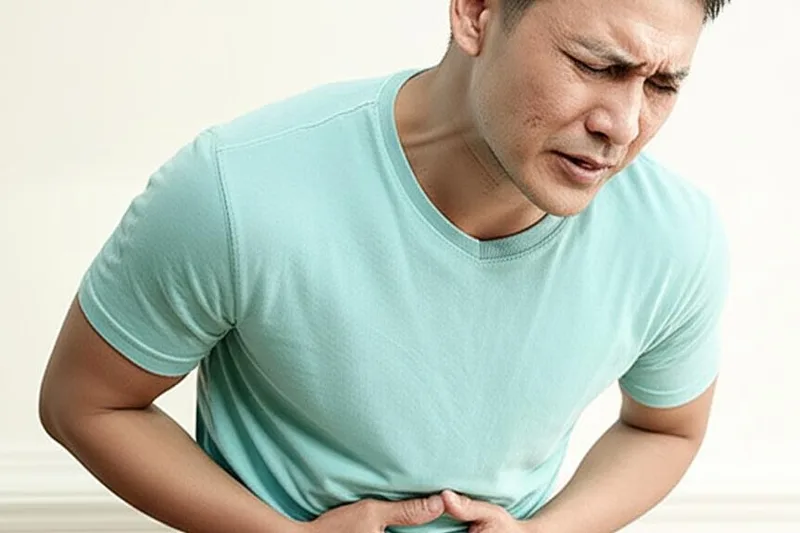
Have you ever experienced unbearable stomach pain, especially pain in the upper right side of your abdomen, along with nausea and vomiting? Or has someone you know experienced this? These things can sometimes be symptoms of a condition called cholecystitis. Today, let's talk about what cholecystitis is, why it happens, and what can be done about it.

What is cholecystitis?

Simply put, cholecystitis is an inflammation or swelling of your gallbladder . Think of it like a small pear-shaped sac under your liver . The gallbladder temporarily stores bile , a fluid made by the liver. After we eat, especially fatty foods, this bile is sent to the small intestine to help digest food. This bile travels through small tube-like passages called bile ducts . So, if there is an infection or blockage in the gallbladder or the bile ducts that connect to it, the inflammation, pain, and swelling will occur.

Are there different types of cholecystitis?

Yes, this can be divided into several main categories:
  • Acute inflammation : This is a sudden, severe condition.
  • Chronic inflammation: This is a condition that develops slowly over time and is not as severe but persists.
  • Calculous inflammation: This is the most common type. It is inflammation caused by gallstones.
  • Acalculous inflammation: This is inflammation that occurs due to other causes than gallstones.
Think about it, if the gallbladder swells suddenly due to a big problem, it is acute inflammation . Otherwise, if the gallbladder swells little by little due to small problems over a long period of time, it is chronic inflammation . In most cases, the cause of both of these is gallstones. That is why doctors distinguish whether it is caused by stones or not.

How common is this condition?

It is said that about 15% of the world's population has gallstones. About 20% of them develop complications due to gallstones, such as cholecystitis . Don't be surprised, 95% of cholecystitis cases are caused by gallstones!

What are the symptoms of cholecystitis?

These symptoms may vary slightly depending on the type of inflammation.

Symptoms of acute inflammation:

  • Severe pain in the upper abdomen, especially on the right side:This pain can suddenly increase and become unbearable. Sometimes this pain can spread to the right shoulder or back. The pain can feel like a needle stabbing, a dull ache, or a twisting of the stomach muscles. The pain may also increase when you take a deep breath. Some people mistake this for chest pain or a heart attack . This sudden pain is also called a " Gallbladder Attack."
  • Nausea and vomiting : This is also a common symptom that often accompanies a "gallbladder attack."
  • Fever: A fever of over 100 degrees Fahrenheit (37.8 Celsius) can indicate an infection or severe inflammation.
Important: These symptoms may be slightly different for an older person. They may just have a loss of appetite and a slight lethargy. Fever is also less common among older people.

Other additional features:

  • Bloating and tenderness .
  • Muscle stiffness on the right side of the abdomen.
  • Weakness and fatigue , especially in older people.

Symptoms of chronic inflammation:

The symptoms are usually less severe than in acute conditions and tend to come and go. You may experience abdominal pain and nausea called "biliary colic" after eating a fatty, heavy meal. This is because fatty foods require more bile to digest. Your digestive system then signals the gallbladder to release more bile. This causes the gallbladder to contract harder, increasing the pressure inside. This pain can last for several hours.

What is the main reason for this?

In most cases, both acute and chronic inflammation is caused by gallstones that block the bile ducts . Gallstones are solidified substances in the bile that have accumulated over time and become like stones. They usually form at the bottom of the gallbladder, but they can sometimes move around. As they move, they become stuck in a bile duct or at the mouth of the gallbladder. This causes the bile to back up into the gallbladder, which can lead to infection.
  • Acute inflammation:This happens when the flow of bile from the gallbladder is completely blocked by a stone. The gallbladder becomes increasingly swollen and the condition worsens.
  • Chronic inflammation: Sometimes a stone may not completely block the duct, but may get stuck for a while and then pass out again. For example, you may only feel pain when the gallbladder contracts after eating a heavy meal. This is what causes chronic inflammation .

What are the other causes besides gallstones?

Although the most common cause is blockage of the bile ducts by gallstones, other factors can also cause the gallbladder to become swollen and block the flow of bile. Here are a few examples:
  • Biliary Stricture : Chronic inflammation of the bile ducts can cause scar tissue to form and narrow the ducts, obstructing the flow of bile.
  • Biliary Dyskinesia: This is a condition that affects the function of the muscles in the gallbladder . Specifically, the gallbladder does not contract as well as it should, so bile does not flow out.
  • Bile Stasis: Bile flow can be impaired due to chronic liver disease or prolonged parenteral nutrition (IV). Remember, when you are not taking food by mouth but are being fed IV, you don't need bile.
  • Cancer: Although rare, a cancerous tumor in the gallbladder or bile ducts can block the flow of bile.
These conditions usually develop gradually, leading to chronic acalculous cholecystitis . However, they can also progress to acute acalculous cholecystitis . Other possible causes include:
  • Ischemia: When the blood supply to the gallbladder is reduced, it can lead to either acute or chronic inflammation, depending on how severe it is. This can often occur in response to a serious illness or accident. It can also be caused by a blood vessel blockage (vascular occlusion) or vasculitis .
  • Infection: A bacterial infection can occur in the gallbladder or bile ducts, even without any blockage. This is rare. This is more likely to happen in people with a weakened immune system. Infection can also damage the gallbladder tissue.

Who is at higher risk of developing this?

If you have gallstones, you are more likely to develop cholecystitis. People who are more likely to develop gallstones include:
  • For women
  • For pregnant women
  • For those with obesity
  • For those with diabetes
  • For those with high cholesterol
  • For those who have lost weight suddenly and rapidly (Rapid Weight Loss)
  • For those over 40 years old
  • (Some genetic influences and lifestyle may also play a role)

How serious is this cholecystitis?

Acute cholecystitis is usually caused by a blockage in the flow of bile. It doesn't just affect the gallbladder. It can affect your entire biliary system - the system of organs that transport bile through the bile ducts - and cause inflammation and infection. The accumulated bile can overflow into the bloodstream and make you sick. It also prevents your digestive system from getting the bile it needs. Severe inflammation and swelling can cause tissue death (gangrene) . If this happens, the organ can rupture or become perforated. This is called gangrenous cholecystitis . Chronic inflammation is usually less serious, but long-term inflammation can also cause serious damage. Scar tissue may form in your gallbladder and prevent it from contracting properly. This can also block the flow of bile.

Complications of Cholecystitis:

  • Damage to your liver, bile ducts, or pancreas (e.g., pancreatitis ).
  • Impaired digestion and absorption of nutrients in the small intestine.
  • Prolonged inflammation causes scarring of the gallbladder (Gallbladder Fibrosis) and impaired function.
  • Tissue death due to swelling (necrosis) and gangrenous cholecystitis .
  • Gallbladder perforation , resulting in an infection of the abdominal cavity (peritonitis).
  • Peritonitis can lead to an abscess or blood poisoning (`Septicemia`).
This is not something that should be just thrown away, because the potential damage is too great.

How is this diagnosed?

A doctor will first ask you about your symptoms. If they suspect cholecystitis , they will ask you to take a deep breath and press on the upper right side of your abdomen. If you feel pain, this is a well-known sign of the condition ( Murphy's Sign ). They will then do tests, such as imaging tests to look at your gallbladder and bile ducts, and blood tests to find out other information. Some of the tests that are done for this include:
  • Complete Blood Count (CBC)
  • Liver Function Tests
  • Abdominal Ultrasound
  • Endoscopic Ultrasound
  • CT Scan (CT Scan - Computed Tomography Scan)
  • HIDA Scan (HIDA Scan - Hepatobiliary Iminodiacetic Acid Scan)

Will this cholecystitis get better on its own?

No. All causes of cholecystitis require treatment. Sometimes a stone blocking the gallbladder or bile duct may pass on its own and your symptoms will go away. But waiting for that to happen is not a good idea - it is both painful and risky. Even then, it will not solve your problems. The same stone or another stone may get stuck again.

What is the treatment for this?

Cholecystitis is treated immediately in a hospital. Treatment begins with the following:
  • Giving IV fluids while giving your digestive system a rest.
  • Giving intravenous antibiotics (IV antibiotics) to prevent or treat infections.
  • Giving IV pain relief, which many people need.
The most permanent treatment for this is surgery to remove the gallbladder (cholecystectomy) . Many things that cause cholecystitis, such as gallstones, start in the gallbladder. Rarely, if the cause of your cholecystitis is something that can be treated separately from gallstones (such as an infection), surgery may not be necessary. Also, depending on your other health conditions, you may want to postpone or not have surgery. If you are postponing or not having surgery, you can do the following:
  • Draining fluid from the gallbladder and relieving pressure: A doctor can make a small incision in your abdomen and insert a drainage tube into your gallbladder. Or, they can use an endoscopic ultrasound to guide a tube through your mouth to drain fluid from your gallbladder into your digestive tract.
  • Endoscopic Gallstone Removal: ERCP (Endoscopic Retrograde Cholangiopancreatography) is a procedure that uses an endoscope through your mouth to look at your biliary system using X-ray technology. This allows small instruments to be inserted through the endoscope to remove stones that are stuck in the bile ducts. This can relieve your immediate symptoms.

Surgery (Cholecystectomy)

Even if your current cholecystitis is resolved - that is, the stone that was stuck is no longer stuck, and the symptoms that led to your hospital visit are no longer present - chronic and acuteBoth types of cholecystitis can recur. Gallstones that have caused a flare-up once are more likely to do so again. Repeated flare-ups can lead to chronic inflammation, and both can cause long-term damage. To prevent the effects of recurrent cholecystitis, doctors recommend surgery to remove the gallbladder (cholecystectomy) . This is a common, minor procedure with few side effects. For many people, this can be done laparoscopically - through a few small incisions, also known as "keyhole surgery." In more complex cases, open surgery may be required.

What happens after the surgery?

Your biliary system and digestive system can function well without your gallbladder. The gallbladder is basically just a storage place for bile, which is made by the liver. When a surgeon removes your gallbladder, he or she reroutes the bile ducts so that bile flows directly from your liver into your small intestine. It may take a few weeks or months for your body to adjust to this change. During this time, you may experience temporary symptoms such as:
  • Feeling pressure or pain in the biliary system due to the slow flow of bile.
  • Fatty foods are difficult to digest, causing diarrhea in some people.

What is the outlook for someone with cholecystitis?

Whatever the type or cause, cholecystitis requires hospital treatment. The hospital will give you immediate pain relief and look for the cause. It is usually a gallstone, although not always. In most cases, doctors recommend a permanent cure through surgery. Many people have very good results. If left untreated, dangerous complications can occur.
Severe stomach pain is always a medical emergency. If it shows signs of gallbladder pain — that is, if it comes on suddenly and severely in the upper right side of the abdomen, accompanied by nausea — it's wise to go straight to the hospital emergency room.
Even if your gallbladder is small, your entire biliary system can be at risk if pressure is placed on it. The symptoms of cholecystitis may go away, but the underlying cause remains. Symptoms may return, and cholecystitis will continue to damage your gallbladder until you get the necessary treatment.

The most important things to keep in mind (Take-Home Message)

So, in conclusion, cholecystitis is not something to be trifled with.
  • If you have symptoms like severe pain in the upper right side of your abdomen, nausea, vomiting, and fever, you should definitely see a doctor. Don't delay.
  • Most often, this is caused by gallstones, but there can be other causes as well.
  • With proper treatment, this condition can be completely cured. Often, surgical removal of the gallbladder is the best solution.
  • If left untreated , severe complications that can even be life-threatening can occur.
So, if you or someone you know has these symptoms, don't hesitate to seek medical advice. Staying healthy is the most important thing!

⚠️ Important: The medical articles and information on Nirogi Lanka are for general awareness only, and are by no means a substitute for professional medical advice, diagnosis, or treatment. For any medical problem you have, consult a qualified physician immediately.

💬 Comments (0)

No comments yet. Be the first to share your thoughts here.

Add Your Comment

Please calculate: 9 + 3 =
Does your right side of your stomach hurt too? Let's learn about cholecystitis!
SurgeriesSeptember 2, 2025

Does your right side of your stomach hurt too? Let's learn about cholecystitis!

Have you ever experienced unbearable stomach pain, especially pain in the upper right side of your abdomen, along with nausea and vomiting? Or has someone you know experienced this? These things can sometimes be symptoms of a condition called cholecystitis. Today, let's talk about what cholecystitis is, why it happens, and what can be done about it.

What is cholecystitis?

Simply put, cholecystitis is an inflammation or swelling of your gallbladder . Think of it like a small pear-shaped sac under your liver . The gallbladder temporarily stores bile , a fluid made by the liver. After we eat, especially fatty foods, this bile is sent to the small intestine to help digest food. This bile travels through small tube-like passages called bile ducts . So, if there is an infection or blockage in the gallbladder or the bile ducts that connect to it, the inflammation, pain, and swelling will occur.

Are there different types of cholecystitis?

Yes, this can be divided into several main categories:
  • Acute inflammation : This is a sudden, severe condition.
  • Chronic inflammation: This is a condition that develops slowly over time and is not as severe but persists.
  • Calculous inflammation: This is the most common type. It is inflammation caused by gallstones.
  • Acalculous inflammation: This is inflammation that occurs due to other causes than gallstones.
Think about it, if the gallbladder swells suddenly due to a big problem, it is acute inflammation . Otherwise, if the gallbladder swells little by little due to small problems over a long period of time, it is chronic inflammation . In most cases, the cause of both of these is gallstones. That is why doctors distinguish whether it is caused by stones or not.

How common is this condition?

It is said that about 15% of the world's population has gallstones. About 20% of them develop complications due to gallstones, such as cholecystitis . Don't be surprised, 95% of cholecystitis cases are caused by gallstones!

What are the symptoms of cholecystitis?

These symptoms may vary slightly depending on the type of inflammation.

Symptoms of acute inflammation:

  • Severe pain in the upper abdomen, especially on the right side:This pain can suddenly increase and become unbearable. Sometimes this pain can spread to the right shoulder or back. The pain can feel like a needle stabbing, a dull ache, or a twisting of the stomach muscles. The pain may also increase when you take a deep breath. Some people mistake this for chest pain or a heart attack . This sudden pain is also called a " Gallbladder Attack."
  • Nausea and vomiting : This is also a common symptom that often accompanies a "gallbladder attack."
  • Fever: A fever of over 100 degrees Fahrenheit (37.8 Celsius) can indicate an infection or severe inflammation.
Important: These symptoms may be slightly different for an older person. They may just have a loss of appetite and a slight lethargy. Fever is also less common among older people.

Other additional features:

  • Bloating and tenderness .
  • Muscle stiffness on the right side of the abdomen.
  • Weakness and fatigue , especially in older people.

Symptoms of chronic inflammation:

The symptoms are usually less severe than in acute conditions and tend to come and go. You may experience abdominal pain and nausea called "biliary colic" after eating a fatty, heavy meal. This is because fatty foods require more bile to digest. Your digestive system then signals the gallbladder to release more bile. This causes the gallbladder to contract harder, increasing the pressure inside. This pain can last for several hours.

What is the main reason for this?

In most cases, both acute and chronic inflammation is caused by gallstones that block the bile ducts . Gallstones are solidified substances in the bile that have accumulated over time and become like stones. They usually form at the bottom of the gallbladder, but they can sometimes move around. As they move, they become stuck in a bile duct or at the mouth of the gallbladder. This causes the bile to back up into the gallbladder, which can lead to infection.
  • Acute inflammation:This happens when the flow of bile from the gallbladder is completely blocked by a stone. The gallbladder becomes increasingly swollen and the condition worsens.
  • Chronic inflammation: Sometimes a stone may not completely block the duct, but may get stuck for a while and then pass out again. For example, you may only feel pain when the gallbladder contracts after eating a heavy meal. This is what causes chronic inflammation .

What are the other causes besides gallstones?

Although the most common cause is blockage of the bile ducts by gallstones, other factors can also cause the gallbladder to become swollen and block the flow of bile. Here are a few examples:
  • Biliary Stricture : Chronic inflammation of the bile ducts can cause scar tissue to form and narrow the ducts, obstructing the flow of bile.
  • Biliary Dyskinesia: This is a condition that affects the function of the muscles in the gallbladder . Specifically, the gallbladder does not contract as well as it should, so bile does not flow out.
  • Bile Stasis: Bile flow can be impaired due to chronic liver disease or prolonged parenteral nutrition (IV). Remember, when you are not taking food by mouth but are being fed IV, you don't need bile.
  • Cancer: Although rare, a cancerous tumor in the gallbladder or bile ducts can block the flow of bile.
These conditions usually develop gradually, leading to chronic acalculous cholecystitis . However, they can also progress to acute acalculous cholecystitis . Other possible causes include:
  • Ischemia: When the blood supply to the gallbladder is reduced, it can lead to either acute or chronic inflammation, depending on how severe it is. This can often occur in response to a serious illness or accident. It can also be caused by a blood vessel blockage (vascular occlusion) or vasculitis .
  • Infection: A bacterial infection can occur in the gallbladder or bile ducts, even without any blockage. This is rare. This is more likely to happen in people with a weakened immune system. Infection can also damage the gallbladder tissue.

Who is at higher risk of developing this?

If you have gallstones, you are more likely to develop cholecystitis. People who are more likely to develop gallstones include:
  • For women
  • For pregnant women
  • For those with obesity
  • For those with diabetes
  • For those with high cholesterol
  • For those who have lost weight suddenly and rapidly (Rapid Weight Loss)
  • For those over 40 years old
  • (Some genetic influences and lifestyle may also play a role)

How serious is this cholecystitis?

Acute cholecystitis is usually caused by a blockage in the flow of bile. It doesn't just affect the gallbladder. It can affect your entire biliary system - the system of organs that transport bile through the bile ducts - and cause inflammation and infection. The accumulated bile can overflow into the bloodstream and make you sick. It also prevents your digestive system from getting the bile it needs. Severe inflammation and swelling can cause tissue death (gangrene) . If this happens, the organ can rupture or become perforated. This is called gangrenous cholecystitis . Chronic inflammation is usually less serious, but long-term inflammation can also cause serious damage. Scar tissue may form in your gallbladder and prevent it from contracting properly. This can also block the flow of bile.

Complications of Cholecystitis:

  • Damage to your liver, bile ducts, or pancreas (e.g., pancreatitis ).
  • Impaired digestion and absorption of nutrients in the small intestine.
  • Prolonged inflammation causes scarring of the gallbladder (Gallbladder Fibrosis) and impaired function.
  • Tissue death due to swelling (necrosis) and gangrenous cholecystitis .
  • Gallbladder perforation , resulting in an infection of the abdominal cavity (peritonitis).
  • Peritonitis can lead to an abscess or blood poisoning (`Septicemia`).
This is not something that should be just thrown away, because the potential damage is too great.

How is this diagnosed?

A doctor will first ask you about your symptoms. If they suspect cholecystitis , they will ask you to take a deep breath and press on the upper right side of your abdomen. If you feel pain, this is a well-known sign of the condition ( Murphy's Sign ). They will then do tests, such as imaging tests to look at your gallbladder and bile ducts, and blood tests to find out other information. Some of the tests that are done for this include:
  • Complete Blood Count (CBC)
  • Liver Function Tests
  • Abdominal Ultrasound
  • Endoscopic Ultrasound
  • CT Scan (CT Scan - Computed Tomography Scan)
  • HIDA Scan (HIDA Scan - Hepatobiliary Iminodiacetic Acid Scan)

Will this cholecystitis get better on its own?

No. All causes of cholecystitis require treatment. Sometimes a stone blocking the gallbladder or bile duct may pass on its own and your symptoms will go away. But waiting for that to happen is not a good idea - it is both painful and risky. Even then, it will not solve your problems. The same stone or another stone may get stuck again.

What is the treatment for this?

Cholecystitis is treated immediately in a hospital. Treatment begins with the following:
  • Giving IV fluids while giving your digestive system a rest.
  • Giving intravenous antibiotics (IV antibiotics) to prevent or treat infections.
  • Giving IV pain relief, which many people need.
The most permanent treatment for this is surgery to remove the gallbladder (cholecystectomy) . Many things that cause cholecystitis, such as gallstones, start in the gallbladder. Rarely, if the cause of your cholecystitis is something that can be treated separately from gallstones (such as an infection), surgery may not be necessary. Also, depending on your other health conditions, you may want to postpone or not have surgery. If you are postponing or not having surgery, you can do the following:
  • Draining fluid from the gallbladder and relieving pressure: A doctor can make a small incision in your abdomen and insert a drainage tube into your gallbladder. Or, they can use an endoscopic ultrasound to guide a tube through your mouth to drain fluid from your gallbladder into your digestive tract.
  • Endoscopic Gallstone Removal: ERCP (Endoscopic Retrograde Cholangiopancreatography) is a procedure that uses an endoscope through your mouth to look at your biliary system using X-ray technology. This allows small instruments to be inserted through the endoscope to remove stones that are stuck in the bile ducts. This can relieve your immediate symptoms.

Surgery (Cholecystectomy)

Even if your current cholecystitis is resolved - that is, the stone that was stuck is no longer stuck, and the symptoms that led to your hospital visit are no longer present - chronic and acuteBoth types of cholecystitis can recur. Gallstones that have caused a flare-up once are more likely to do so again. Repeated flare-ups can lead to chronic inflammation, and both can cause long-term damage. To prevent the effects of recurrent cholecystitis, doctors recommend surgery to remove the gallbladder (cholecystectomy) . This is a common, minor procedure with few side effects. For many people, this can be done laparoscopically - through a few small incisions, also known as "keyhole surgery." In more complex cases, open surgery may be required.

What happens after the surgery?

Your biliary system and digestive system can function well without your gallbladder. The gallbladder is basically just a storage place for bile, which is made by the liver. When a surgeon removes your gallbladder, he or she reroutes the bile ducts so that bile flows directly from your liver into your small intestine. It may take a few weeks or months for your body to adjust to this change. During this time, you may experience temporary symptoms such as:
  • Feeling pressure or pain in the biliary system due to the slow flow of bile.
  • Fatty foods are difficult to digest, causing diarrhea in some people.

What is the outlook for someone with cholecystitis?

Whatever the type or cause, cholecystitis requires hospital treatment. The hospital will give you immediate pain relief and look for the cause. It is usually a gallstone, although not always. In most cases, doctors recommend a permanent cure through surgery. Many people have very good results. If left untreated, dangerous complications can occur.
Severe stomach pain is always a medical emergency. If it shows signs of gallbladder pain — that is, if it comes on suddenly and severely in the upper right side of the abdomen, accompanied by nausea — it's wise to go straight to the hospital emergency room.
Even if your gallbladder is small, your entire biliary system can be at risk if pressure is placed on it. The symptoms of cholecystitis may go away, but the underlying cause remains. Symptoms may return, and cholecystitis will continue to damage your gallbladder until you get the necessary treatment.

The most important things to keep in mind (Take-Home Message)

So, in conclusion, cholecystitis is not something to be trifled with.
  • If you have symptoms like severe pain in the upper right side of your abdomen, nausea, vomiting, and fever, you should definitely see a doctor. Don't delay.
  • Most often, this is caused by gallstones, but there can be other causes as well.
  • With proper treatment, this condition can be completely cured. Often, surgical removal of the gallbladder is the best solution.
  • If left untreated , severe complications that can even be life-threatening can occur.
So, if you or someone you know has these symptoms, don't hesitate to seek medical advice. Staying healthy is the most important thing!
⚠️ Important: The medical articles and information on Nirogi Lanka are for general awareness only, and are by no means a substitute for professional medical advice, diagnosis, or treatment. For any medical problem you have, consult a qualified physician immediately.

💬 Comments (0)

No comments yet. Be the first to share your thoughts here.

Add Your Comment

Please calculate: 9 + 3 =