
Be honest—when your hospital specialist first mentioned a long medication name ending in -zumab, you probably went straight home and searched Humanized Monoclonal Antibody: Clinical Meaning, Causes, Normal Ranges & Next Steps, didn't you? Seeing words like "monoclonal" and "humanized" on a clinic letter or prescription summary can feel intimidating when nobody has translated them into plain, everyday English yet.
Here is the reassuring news right away: a targeted lab-made immune protein (humanized monoclonal antibody) is not harsh, old-fashioned chemotherapy, nor is it an abnormal blood test result to panic over. Instead, we doctors use these precision biologic medicines across oncology, rheumatology, gastroenterology, neurology, and respiratory clinics to lock onto one single disease target while leaving most of your healthy cells undisturbed.
Whether your Primary Care Physician (PCP) or family GP clinic recently referred you to a specialist to discuss starting biologic therapy, or you are preparing for your very first infusion or home injection pen, understanding how this medicine behaves in your body puts you firmly in control. Let us walk through what "humanized" truly means, why doctors prescribe it, which baseline blood test ranges matter, and how to stay safe every step of the way.
📌 Key Takeaways at a Glance
- 90% to 95% Human Design: Humanized monoclonal antibodies are engineered immune proteins whose generic drug names end in -zumab (such as trastuzumab, pembrolizumab, omalizumab, and vedolizumab), built mostly from human protein to minimize allergic rejection.
- Pinpoint Targeting: Unlike broad-acting steroid tablets or traditional chemotherapy, each monoclonal antibody locks onto one specific cell receptor or inflammatory messenger.
- "Normal Ranges" Mean Pre-Treatment Safety Labs: Healthy blood does not naturally contain therapeutic monoclonal antibodies; instead, your care team checks normal blood counts, liver enzymes, and negative hidden-infection screens (such as tuberculosis and hepatitis B) before dosing.
- Given by Vein or Skin Pen: Because stomach acid digests proteins, these medicines are never swallowed as pills—they are given via clinic drip (intravenous infusion) or quick home autoinjector pen (subcutaneous injection).
- Watch for Acute Reactions: Mild chills or injection-site redness are manageable, whereas sudden wheezing, facial swelling, chest tightness, or high fever require urgent medical attention.
What Is a Humanized Monoclonal Antibody and What Is Its Clinical Meaning?
A humanized monoclonal antibody is a precision laboratory-engineered biologic medicine composed of roughly 90% to 95% human antibody protein fused with tiny, targeted mouse antigen-binding loops. Recognizable by the drug name ending -zumab, it locks onto one specific disease protein to treat cancer, autoimmune conditions, or severe asthma with fewer immune reactions.
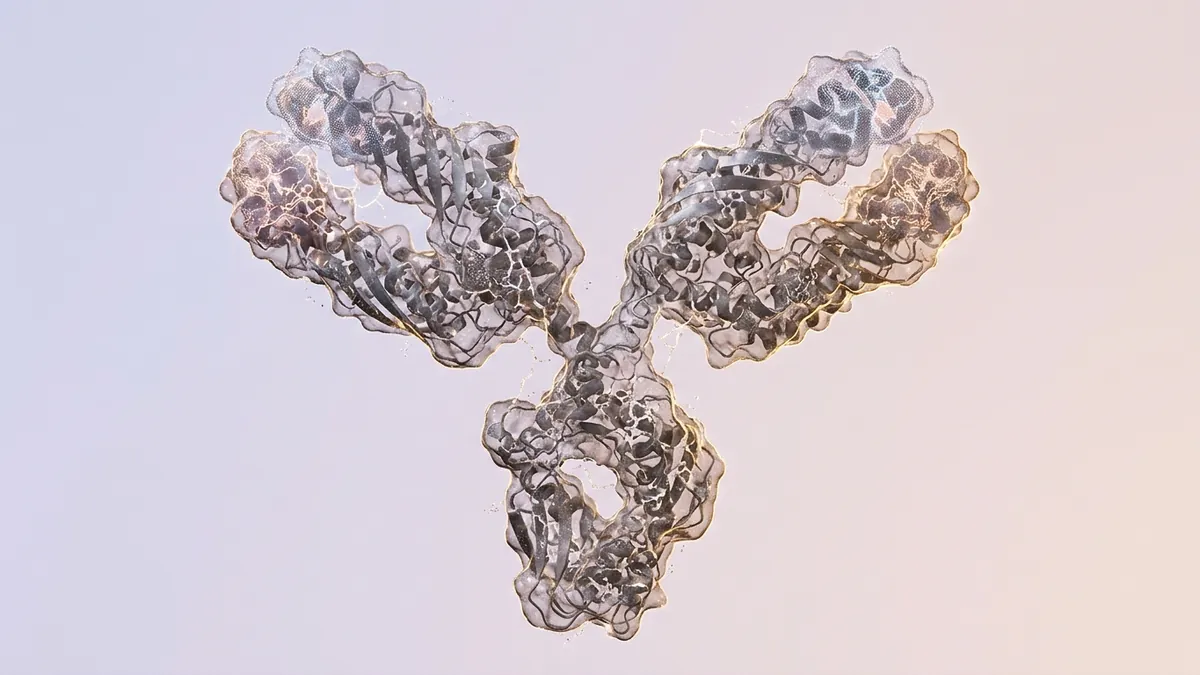
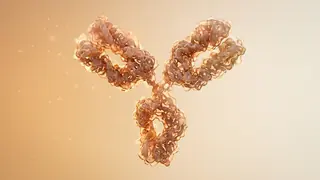
Have you ever wondered why so many modern hospital medicines end in those exact letters -zumab? Let us break the three words apart so the name makes complete sense. First, antibodies are natural Y-shaped defense proteins (immunoglobulins) that your white blood cells produce every day to tag viruses, bacteria, or rogue cells. Second, monoclonal simply means "from one single clone"—meaning millions of identical copies are grown in specialized laboratory cells so every single molecule seeks out the exact same microscopic target.
Third, humanized tells us how the protein was built. Decades ago, the very first therapeutic antibodies were made entirely from mouse cells, and human immune systems quickly attacked them as foreign invaders. By replacing almost the entire mouse protein frame with a natural human antibody structure—keeping only the microscopic target-grabbing tips—scientists created medicines your body welcomes smoothly over months or years of treatment. Pretty clever, right?
How Does a Humanized Monoclonal Antibody Work Inside Your Body?
Think about a high-security Yale lock on your front door for a second: only one exact key cut to the right ridges will turn it. Inside your bloodstream, a humanized monoclonal antibody works the exact same way. During laboratory engineering, scientists transplant just the tiny target-grabbing loops—known medically as antigen-binding loops (complementarity-determining regions, or CDRs)—onto a sturdy human immunoglobulin G (IgG) backbone. That prevents your body from forming immune rejection proteins (human anti-mouse antibodies, or HAMA) that plagued older treatments.
Look closely at what happens once this Y-shaped protein reaches its target tissue. Depending on which condition we doctors are treating, humanized monoclonal antibodies act through four main clinical pathways:
- Blocking Growth or Inflammatory Switches: Drugs like trastuzumab park directly on growth receptors (such as HER2 on certain breast or stomach cancer cells) so tumor cells stop receiving signals to divide.
- Mopping Up Inflammatory Messengers: Medicines like omalizumab, mepolizumab, or tocilizumab act like microscopic sponges, soaking up excess allergy or inflammation chemicals (such as IgE, interleukin-5, or interleukin-6) before they trigger asthma attacks or joint swelling.
- Flagging Rogue Cells for Cleanup: Once the top arms grab an abnormal cell, the stem of the Y-shaped protein waves down your natural killer cells to clear it away—a process called targeted immune cell clearance (antibody-dependent cellular cytotoxicity, or ADCC).
- Releasing Immune Brakes or Delivering Payloads: Immunotherapies like pembrolizumab unmask hidden cancer cells so your T-cells can attack them, while newer antibody-drug conjugates carry tiny packets of medicine straight inside tumor cells.
Because these medicines are large proteins rather than synthetic chemical pills, your body gently breaks them down into everyday amino acids over several weeks instead of processing them through liver enzymes or filtering them intact through your kidneys. We rarely stop to think about why biologic drugs seldom clash with blood pressure or cholesterol tablets, do we?
What Medical Conditions Cause Doctors to Prescribe Humanized Monoclonal Antibodies?
When people type "humanized monoclonal antibody causes" into a search engine, they are usually asking a very practical question: what underlying medical conditions cause a doctor to recommend this treatment? In everyday practice across the US, UK, Canada, and Australia, your family GP or Primary Care Physician (PCP) handles your initial workup and standard prescriptions, then refers you to a hospital specialist when targeted biologic control is needed.
Specialists prescribe -zumab medicines across four major areas of modern medicine:
- Targeted Oncology & Cancer Immunotherapy: Oncologists use trastuzumab for HER2-positive breast and gastric cancers, pembrolizumab and atezolizumab across lung, melanoma, kidney, and bladder cancers, and bevacizumab to cut off abnormal tumor blood vessel growth.
- Autoimmune Gut & Joint Diseases: Gastroenterologists prescribe vedolizumab to calm gut-specific inflammation in ulcerative colitis and Crohn's disease without suppressing immunity across the whole body, while rheumatologists use tocilizumab for moderate-to-severe rheumatoid arthritis and giant cell arteritis.
- Severe Asthma & Chronic Allergic Conditions: Respiratory and allergy specialists prescribe omalizumab, mepolizumab, reslizumab, or benralizumab when high-dose inhalers cannot stop severe eosinophilic or allergic asthma flare-ups—helping patients step away from frequent oral steroid courses.
- Neurological Disorders & Chronic Migraine: Neurologists use ocrelizumab and natalizumab to slow relapsing or primary progressive multiple sclerosis, and prescribe monthly CGRP-blocking pens like fremanezumab or galcanezumab for debilitating chronic migraines.
Makes sense why two neighbors can both receive a "humanized monoclonal antibody" for completely different health conditions, right?
What Normal Lab Ranges, Screening Tests, and Dosing Schedules Should You Expect?
Let us clear up a very common point of confusion around "normal ranges." If you look at a standard blood panel at your family GP clinic, there is no normal natural range for a humanized monoclonal antibody—unless you are taking the drug, your level is zero! Occasionally, gastroenterologists or rheumatologists check specialized therapeutic trough levels to confirm enough medicine stays in your bloodstream between doses, alongside testing for neutralizing immune proteins (anti-drug antibodies, or ADAs), where the ideal healthy result is negative or undetectable.
Instead, when we doctors talk about "normal ranges" before starting a humanized monoclonal antibody, we mean your mandatory pre-treatment safety blood work and organ checks:
- Complete Blood Count (CBC / FBC): Infection-fighting white blood cells (absolute neutrophil count, or ANC) generally need to sit at 1.5 × 10⁹/L (1,500 cells/µL) or higher, with clotting cells (platelets) typically 100 × 10⁹/L (100,000/µL) or higher before immunosuppressive or oncology infusions.
- Liver & Kidney Function Panels: Liver enzymes (ALT and AST) should normally sit within lab reference limits—typically less than 2.5 times the upper limit of normal—alongside a baseline kidney filtration check (eGFR).
- Mandatory Hidden Infection Screens: Before immunomodulating biologics, we check for hidden tuberculosis infection (latent tuberculosis via a negative QuantiFERON/IGRA blood test) and past or active hepatitis B (negative HBsAg and anti-HBc) so dormant germs cannot wake up during treatment.
- Drug-Specific Organ Checks: For example, natalizumab requires JC virus antibody screening to guard against rare brain infection, while trastuzumab requires a baseline heart ultrasound (echocardiogram) confirming a healthy heart pumping score (left ventricular ejection fraction, or LVEF, normally 55% to 70%).
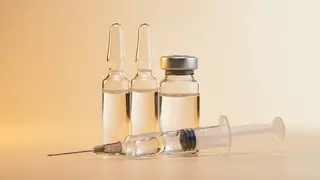
How is the medicine actually given? Because stomach juices would digest an antibody just like a piece of chicken or yogurt, dosing happens either via a slow drip into a vein (intravenous or IV infusion lasting 30 to 120 minutes at an outpatient infusion suite) or a 10-second under-the-skin injection (subcutaneous autoinjector pen into your thigh or abdomen). Because IgG antibodies stay active in circulation with a half-life of roughly 14 to 28 days, doses are spaced every 2, 3, 4, or 8 weeks—or even once every 6 months for drugs like ocrelizumab. Before IV infusions, nurses often give acetaminophen (paracetamol) and a gentle antihistamine, then observe you for 30 to 60 minutes afterward.
How Do Antibody Types, Delivery Routes, and Reactions Compare in Everyday Care?
Remember how we talked earlier about antibody suffixes, delivery options, and immune monitoring? Putting these side by side makes it much easier to understand what your specialist is watching for and what steps you should take at home.
| Factor, Antibody Type, or Clinical Situation | Clinical Meaning & Practical Action Steps |
|---|---|
| Humanized (-zumab) vs. Chimeric (-ximab) & Fully Human (-umab) | Chimeric antibodies (like infliximab or rituximab) contain roughly 65% human protein and carry a slightly higher risk of infusion reactions. Humanized (-zumab, 90%–95% human) and fully human (-umab, like adalimumab, 100% human) biologics trigger far fewer allergic responses. What you should do: Check the ending of your medication's generic name on your pharmacy label, and always tell your nurse if you ever reacted to a previous biologic drip or injection. |
| Outpatient IV Infusion vs. Home Subcutaneous Pen | Hospital IV drips deliver precise weight-based or fixed doses straight into your bloodstream under nursing supervision, while pre-filled subcutaneous pens let you self-inject at home in seconds after training. What you should do: Store home injection pens in your kitchen fridge at 36°F to 46°F (2°C to 8°C)—never freeze them—let the pen rest at room temperature for 30 minutes before injecting to prevent stinging, and rotate between thighs and stomach sites. |
| Mild First-Dose Infusion or Skin Site Reaction | Low-grade chills, mild headache, flushing, tiredness, or a coin-sized patch of redness and itching at the needle site commonly appear within 24 hours of your first one or two doses and usually settle quickly. What you should do: Alert your infusion nurse right away during a drip—simply slowing the infusion rate often stops flushing immediately. At home, apply a cool damp cloth to a mildly sore injection spot and ask your doctor before taking acetaminophen (paracetamol). |
| Targeted Immune Suppression & Infection Risk | Blocking specific immune pathways (such as IL-6, B-cells, or integrins) can make sinus, chest, skin, or urinary tract infections slightly easier to catch or mask a typical high fever. What you should do: Never ignore a lingering cough, painful urination, or warm skin rash—contact your family GP or specialist clinic promptly, and pause non-cancer biologic doses if advised while treating an active bacterial infection. |
| Anti-Drug Antibodies (ADAs) & Fading Benefit | In a small percentage of people—especially when scheduled doses are skipped—the immune system forms neutralizing antibodies that clear the medicine faster, allowing symptoms to creep back before the next dose is due. What you should do: Stick closely to your dosing calendar, keep a brief symptom diary in the week before each scheduled dose, and let your specialist know if symptoms start wearing off early. |
In day-to-day life, simple habits make infusion or injection days much smoother. Drink plenty of water or an electrolyte drink the day before and the morning of your appointment so your veins stay plump and post-dose headaches stay away. Eat a light, comfortable meal beforehand—such as oatmeal (porridge), whole-wheat toast, crackers with soup broth, or a banana—and sip warm ginger tea if mild queasiness sets in afterward. Also check in with your Primary Care Physician (PCP) or family GP about updating inactivated seasonal flu, COVID-19, and pneumonia vaccines ideally two to four weeks before starting immune-modifying biologics.
✔️ What You Should Do & ❌ What to Avoid
- ✔️ Do carry a medication alert card or phone list: Dentists, Urgent Care clinicians, and Emergency Room doctors need to know the exact generic -zumab medicine you take and the date of your last dose.
- ✔️ Do keep up with routine blood and heart checks: Even when you feel completely back to normal, scheduled lab work catches quiet liver enzyme shifts or low white cell counts early.
- ✔️ Do discuss pregnancy and breastfeeding plans early: Many IgG monoclonal antibodies cross the placenta during the second and third trimesters, so specialists tailor timing carefully before conception.
- ❌ Don't receive live vaccines without specialist clearance: Live vaccines (such as MMR, chickenpox/varicella, yellow fever, or nasal-spray flu vaccines) are generally avoided during immunosuppressive biologic therapy—inactivated shots are the safe choice.
- ❌ Don't freeze, shake vigorously, or warm pens in a microwave: Extreme temperatures or hard shaking damages fragile antibody proteins and ruins the dose.
- ❌ Don't skip or abruptly stop doses on your own: Long gaps between scheduled doses actually raise the chance of developing anti-drug antibodies and infusion reactions when restarting.
🚨 When to Seek Immediate Emergency Care (Red-Flag Symptoms)
If you or someone near you develops any of these red-flag symptoms during or even days after treatment, do not wait — call 911 (US & Canada), 999 or 111 (UK), or 000 (Australia) immediately or go straight to the nearest hospital Emergency Room (ER / A&E):
- Signs of a severe allergic reaction (anaphylaxis): Sudden swelling of your lips, tongue, face, or throat, widespread hives, hoarse voice, wheezing, or trouble swallowing.
- Possible cytokine surge (cytokine release syndrome, or CRS): High fever with shaking chills combined with lightheadedness, racing heartbeat, confusion, or fainting from dropping blood pressure.
- Lung or heart warning signs: Sudden or worsening shortness of breath at rest, persistent dry cough with low oxygen levels, chest pain, or rapid ankle swelling.
- Severe immune-related organ inflammation: Bloody diarrhea or six or more watery stools per day, yellowing of the eyes or skin (jaundice), or severe abdominal pain (especially on cancer checkpoint antibodies).
- Sudden neurological changes: New one-sided arm or leg weakness, blurred or double vision, clumsiness, confusion, or difficulty speaking—vital to check urgently to rule out rare brain infections such as progressive viral brain disease (progressive multifocal leukoencephalopathy, or PML).
💡 Key Take-Home Message
- A humanized monoclonal antibody (-zumab) is a 90%–95% human-engineered protein designed to target one exact disease pathway while leaving healthy tissues largely unharmed.
- Pre-treatment blood work—checking white blood cells, liver function, and hidden infections like tuberculosis and hepatitis B—sets a safe foundation before your very first dose.
- Staying well hydrated, storing home autoinjectors properly in the fridge, avoiding live vaccines when immune-suppressed, and reporting new fevers or breathing changes early keeps long-term therapy safe and effective.



No comments yet. Be the first to share your question or experience below.