
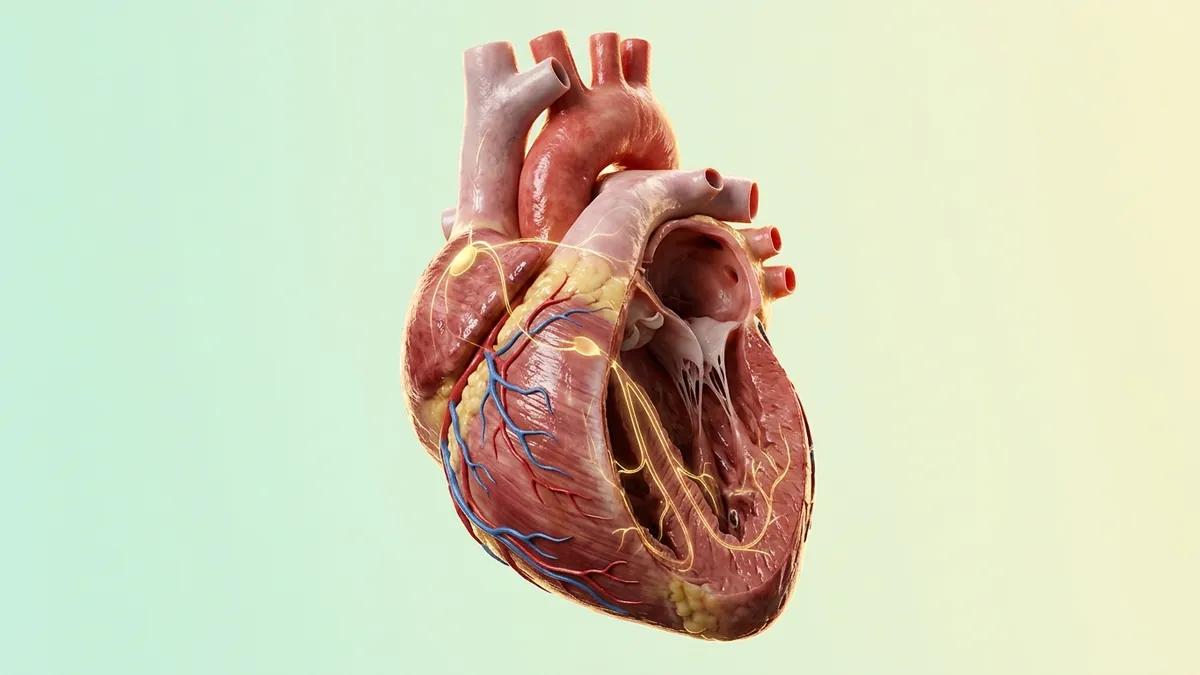
Understanding the liver ablation procedure: clinical meaning, causes, normal ranges & next steps gives you calm, practical clarity when a scan uncovers a spot on your liver. Instead of making a large surgical incision across your abdomen, specialists use a thin, needle-like probe guided through a tiny pinhole in your skin to destroy abnormal liver cells right where they sit. Pretty remarkable how far modern medicine has come, right?
Be honest, hearing words like "burning" or "freezing" near a vital organ sounds a little intimidating at first, doesn't it? When we doctors walk patients through an ablation liver procedure in our clinics, we always start with a comforting fact: your liver is the only internal organ capable of regenerating healthy tissue, and pinhole ablation spares almost all of that healthy working liver. That tissue-saving precision matters enormously if your liver already works extra hard due to scarring or past treatments.
Whether your Primary Care Physician (PCP) or family GP clinic recently referred you to a hospital liver specialist, or you are helping a loved one prepare for treatment day, knowing how the procedure works, which pre-test blood numbers must fall within safe ranges, and how recovery unfolds takes away so much guesswork. Let's walk through everything together in plain, everyday English.
📌 Key Takeaways at a Glance
- Pinhole tumor destruction: Liver ablation uses targeted heat, extreme cold, or gentle electrical pulses to destroy small liver tumors without open surgery.
- Best-fit size cutoff: Cure and local control rates are highest when treating one to three liver lesions measuring 3 cm (about 1.2 inches) or smaller.
- Pre-procedure lab checks: Specialists verify safe blood clotting (INR ideally below 1.5 and platelets above 50,000/µL) plus stable liver and kidney numbers beforehand.
- Quick hospital turnaround: Most people go home the very same day or after a single overnight observation stay, returning to light routines within a few days.
- Follow-up imaging is essential: A contrast CT or MRI scan at 4 to 6 weeks confirms the treated spot is completely inactive.
What Is a Liver Ablation Procedure and How Does It Work?
A liver ablation procedure (percutaneous hepatic tumor ablation) is a minimally invasive, pinhole-sized treatment that destroys small liver tumors in place using targeted heat, extreme cold, or electrical pulses without open surgery. Guided by live ultrasound or CT imaging, it clears cancerous or abnormal cells while sparing healthy surrounding liver tissue.
Think about it for a second: during traditional liver surgery (hepatic resection), a surgeon removes an entire wedge or lobe of the liver. By contrast, an interventional radiologist performs ablation through a nick in the skin barely wider than a ballpoint pen tip—usually no stitches required! Using real-time ultrasound or computed tomography (CT scan) as a GPS map, the specialist guides a slender needle probe directly into the center of the liver spot.
Once the tip is positioned with millimeter accuracy, controlled energy heats or freezes the abnormal cells until they undergo irreversible cell breakdown (coagulative necrosis). We doctors also make sure the specialist treats an extra 5 to 10 millimeters of normal-looking tissue all the way around the tumor—much like weeding slightly around a dandelion root so nothing grows back. Over the next several weeks, your body's natural cleanup cells quietly absorb that treated tissue and replace it with a tiny, harmless scar. Makes sense, right?
Why Do Doctors Recommend an Ablation Liver Procedure? (Causes & Clinical Meaning)
Have you ever wondered why one person gets traditional liver surgery while another is advised to have an ablation liver procedure instead? Your multidisciplinary hospital team—bringing together your hepatologist, oncologist, surgeon, and interventional radiologist—chooses ablation when destroying a targeted spot offers equal tumor control with far less strain on your body.
In everyday clinical practice, we doctors most often see liver ablation recommended for three main medical reasons:
- Primary liver cancer (hepatocellular carcinoma, or HCC): For early-stage tumors measuring 3 cm or less, international liver guidelines recognize thermal ablation as a first-line, potentially curative therapy—especially when underlying liver scarring (cirrhosis) makes open surgery risky.
- Secondary liver spreads (hepatic metastases): Cancers starting in the colon, rectum, breast, or neuroendocrine cells sometimes travel to the liver. Ablation neatly clears small, isolated spots either on its own or alongside chemotherapy.
- Bridge therapy or select benign growths: For patients waiting on a liver transplant list, ablation keeps tumors safely in check so they remain transplant-eligible. Less commonly, it shrinks hormone-sensitive or symptomatic benign growths (hepatic adenomas).
Look at what happens when someone has cirrhosis, high pressure in the liver vein (portal hypertension), or heart and lung conditions: major anesthesia and blood loss carry steep risks. Pinhole ablation sidesteps that surgical stress while preserving precious working liver cells.
What Are the Main Types of Liver Ablation Techniques?
Not every liver tumor sits in the same neighborhood inside your abdomen, so specialists keep four specialized ablation tools on hand. What do you think happens if a tumor rests right beside a large blood vessel or a delicate bile duct? Flowing blood can carry heat away like a car radiator—a quirk specialists call the "heat-sink effect"—or excess heat could irritate a nearby duct.
- Microwave ablation (MWA): Currently the go-to choice in most US, UK, Canadian, and Australian centers. Electromagnetic waves rapidly agitate water molecules inside tumor cells, creating fast, uniform heat above 60°C (140°F) that resists cooling from nearby blood vessels.
- Radiofrequency ablation (RFA): Uses high-frequency alternating electrical current to generate friction heat. It has decades of proven success for classic tumors under 3 cm tucked safely away from major veins.
- Targeted freezing (cryoablation): Circulates compressed argon gas through the probe to form an ice ball reaching -40°C (-40°F), cracking tumor membranes apart. Because doctors can watch the ice ball edge clearly on CT scans, it helps near sensitive borders.
- Non-thermal electrical pulses (irreversible electroporation, or IRE): Delivers microsecond electrical pulses that punch microscopic pores in cancer cells without heating collagen structures, keeping neighboring bile ducts and major veins intact.
Pretty reassuring to know your specialist matches the exact energy source to your tumor's precise address, isn't it?
What Normal Lab Ranges, Tumor Sizes & Prep Steps Are Checked First?
Before scheduling your treatment date, your Primary Care Physician (PCP) or family GP clinic and hospital radiology team run a stepwise safety checklist. Because the liver manufactures your body's natural blood-clotting proteins, we doctors never let a needle touch the liver without checking your blood numbers first!
- Tumor size and count cutoffs: Optimal cure rates happen with a single lesion 3 cm or smaller (or up to 3 lesions each under 3 cm). Select tumors between 3 cm and 5 cm may still be treated, sometimes paired with targeted artery-blocking therapy (transarterial chemoembolization, or TACE).
- Blood clotting speed (INR): Normal range is 0.8 to 1.2; specialists generally require your INR to sit safely below 1.5 before proceeding.
- Platelet count: Normal range is 150,000 to 450,000 per microliter (150–450 × 10⁹/L); for safe liver puncture, platelets typically need to be above 50,000/µL.
- Liver reserve (Bilirubin & Albumin): Normal total bilirubin is 0.1 to 1.2 mg/dL (2 to 21 µmol/L). Stable Child-Pugh Class A or well-compensated Class B liver function without uncontrolled abdominal fluid (ascites) keeps recovery smooth.
- Kidney filtration (eGFR): Normal eGFR is above 60 mL/min/1.73m², checked so intravenous contrast dye used during CT or MRI mapping stays gentle on your kidneys.
For preparation, you will usually fast from solid food for 6 to 8 hours beforehand, take only approved morning blood-pressure pills with a tiny sip of water, and pause blood thinners—such as apixaban, rivaroxaban, clopidogrel, or warfarin—strictly on the exact day your specialist instructs.
Liver Ablation Options, Clinical Findings & Next Steps Compared
Remember how we talked earlier about matching tumor features and post-procedure signs to the right action plan? Below is a straightforward, side-by-side clinical guide you can check before and after your hospital visit.
| Factor, Technique, or Finding | Clinical Meaning & Action Step |
|---|---|
| Single tumor ≤ 3 cm away from major ducts | Ideal candidate for microwave ablation (MWA) or radiofrequency ablation (RFA), achieving local tumor eradication rates of 85% to 95% comparable to open surgery. What you should do: Complete your pre-procedure fasting and blood tests on schedule, and arrange a trusted family member or friend to drive you home. |
| Tumor touching large bile ducts or portal veins | Standard thermal heat could irritate bile ducts or lose strength against flowing blood, so specialists often choose irreversible electroporation (IRE) or specialized laparoscopic guidance. What you should do: Ask your interventional radiologist which protective technique or cooling safeguard they plan to use for your tumor's exact spot. |
| Mild flu-like ache & low fever on Days 2–5 | Classic post-ablation syndrome caused by your immune system naturally clearing treated liver tissue, typically producing fatigue and temperatures under 101°F (38.3°C). What you should do: Rest well, sip plenty of fluids, and use only the exact pain or fever reliever approved by your liver doctor. |
| Dull ache in your right shoulder tip | Harmless referred nerve irritation from the breathing muscle (diaphragm) sitting right above your liver—not an actual shoulder joint injury. What you should do: Apply a warm compress to your shoulder, change resting positions gently, and mention it if it lingers past 48 to 72 hours. |
| Low platelets (< 50,000/µL) or high INR (> 1.5) | Signals elevated bleeding risk if a probe enters the liver without preparation, commonly seen in portal hypertension or blood-thinner use. What you should do: Never stop blood thinners on your own; let your hospital team coordinate safe medication pauses or a brief pre-procedure platelet boost. |
What Should You Expect During Recovery, Home Care & Follow-Up Scans?
On treatment day, most hospitals perform percutaneous liver ablation under general anesthesia or deep intravenous sedation, meaning you sleep comfortably and feel zero pain during the 30-to-90-minute session. Afterward, nurses monitor your pulse, blood pressure, and tiny skin bandage for 4 to 6 hours—or overnight if you live far from the hospital or have extra health needs.
Have you ever wondered why your right shoulder might ache after a liver procedure? Just like we saw in the table above, your liver rests directly underneath your diaphragm, which shares a sensory nerve pathway (the phrenic nerve) with your right shoulder tip. Pretty surprising how body wiring works, right? About one in three patients also notices mild "post-ablation syndrome" starting a day or two later—feeling a bit wiped out, warm, or mildly queasy for three to five days while your body tidies up treated cells.
At home, ease back into eating with gentle, familiar comfort foods for the first 48 hours: warm oatmeal (porridge), clear chicken noodle or vegetable soup, scrambled eggs on toast, plain Greek yogurt, mashed sweet potato, and baked fish or lean chicken, paired with plenty of water or herbal tea. Your specialist will book a multiphasic CT or MRI scan at 4 to 6 weeks to confirm zero blood flow remains in the ablated zone, followed by routine check-up scans every 3 to 6 months.
✔️ What You Should Do & ❌ What to Avoid
- ✔️ Double-check every painkiller with your doctor first: Many people with liver conditions must avoid anti-inflammatory drugs like ibuprofen or naproxen (NSAIDs) and stick to strictly capped doses of acetaminophen (paracetamol)—only take what your liver team approves.
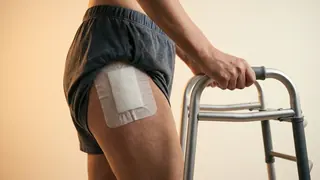
- ✔️ Keep the pinhole dressing clean and dry for 48 hours: Quick showers are usually fine after a day or two, provided you pat the tiny bandage site gently dry.
- ✔️ Walk gently around the house each day: Easy indoor strolls keep blood moving in your legs and help shake off anesthesia grogginess.
- ❌ Avoid heavy lifting for 7 to 10 days: Skip hoisting grocery bags, laundry baskets, gym weights, or grandchildren heavier than 10 pounds (4.5 kg) while the internal liver seal heals.
- ❌ Avoid all alcohol during recovery: Beer, wine, and spirits force regenerating liver cells to process toxins right when they need rest.
🚨 When to Seek Immediate Emergency Care (Red-Flag Symptoms)
If you or someone near you develops any of these red-flag symptoms, do not wait — call 911 (US & Canada), 999 or 111 (UK), or 000 (Australia) immediately or go straight to the nearest hospital Emergency Room (ER / A&E):
- Worsening or severe belly pain: Sharp, escalating pain in your upper-right abdomen or spreading across your stomach that prescription pain relief does not calm.
- High fever with shaking chills: A temperature reaching 101.3°F (38.5°C) or higher, especially a week or more after treatment, which can signal a liver infection (hepatic abscess).
- Signs of internal bleeding: Sudden dizziness, feeling faint when standing, pale clammy skin, a racing heartbeat, or fresh blood soaking through your skin dressing.
- Yellowing of eyes or skin (jaundice): Newly yellow eyes, tea-colored dark urine, or pale clay-colored stools pointing to bile duct irritation.
- Shortness of breath or chest pain: Trouble taking a deep breath, which occasionally happens if fluid or air collects near the lower right lung lining.
💡 Key Take-Home Message
- Liver ablation destroys small primary or secondary liver tumors through a pinhole opening, offering surgery-level local control for spots 3 cm or under with minimal downtime.
- Checking blood clotting, platelet counts, and kidney numbers beforehand—and showing up for your 4-to-6-week follow-up CT or MRI—keeps both safety and long-term success high.

No comments yet. Be the first to share your question or experience below.