
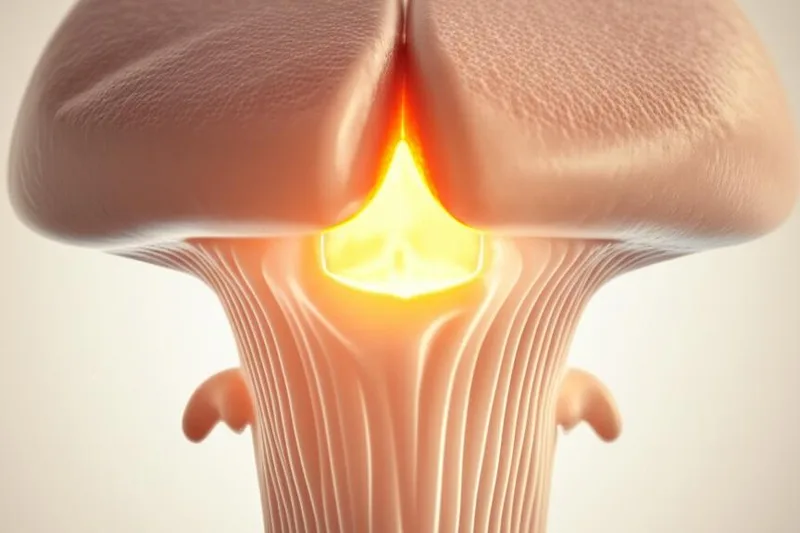
Have you ever wondered how we can do things like breathe and blink without paying any attention to them? The brainstem is the automatic control center of our body. It's like the main switchboard that powers the entire house. Today we're going to talk about a very important, little bridge-like part of this brainstem. That's called the 'pons.'
Well, what is this 'Pons'? Where is it located?
Simply put, the pons is a major bridge that connects your brain to the spinal cord that runs through your spine. It's located at the bottom of the brain, between the brainstem, midbrain, and medulla oblongata.
Think of it like two big cities. One is the cerebrum - the big brain where we think and make decisions. The other is the cerebellum - the little brain that controls our body's balance and movement. The main highway, or bridge, that carries information back and forth between these two cities is the pons. Not only that, it also helps communicate messages between the right and left sides of the brain.
Many of the nerves in our face and head are controlled by this 'pons'. Several nerves that help you control emotions such as chewing food, blinking, focusing, crying, understanding what you hear, smiling, and showing sadness originate here.
What really happens with 'Ponce'?
The pons is like a busy message center, carrying out several essential functions for our body.
- Regulating breathing: When you run, walk, or just sit, your breathing rate changes, doesn't it? It happens naturally. This is controlled by a cluster of nerve cells in the pons. This is called the pneumotaxic center. This center determines how much air you take in with each breath and how long it takes to take the next breath.
- Regulating the sleep-wake cycle: The pons plays a major role in regulating the deep sleep we get. Sleep is not just about closing our eyes, it is a valuable time for the brain to repair itself and process the information it has gathered throughout the day. The pons helps to ensure that this process is carried out properly.
- Providing sensations and controlling movements: Sensations such as taste, touch, and hearing are also sent to the relevant areas through the 'pons'. It is also essential for controlling the movements of our body, especially the muscle activity of the face.
Simply put, the 'pons' is a silent servant that helps us maintain our lives, without us even realizing it.
How do you recognize a problem with 'pons'?
The brainstem is a very complex structure. Therefore, it can sometimes be difficult to identify damage to this part. However, if there is a problem with the 'pons', the following symptoms may occur. If one or more of these symptoms occur suddenly, it is very important to go to a hospital's Emergency Department (ETU) immediately, as it may be a sign of a stroke.
| Symptom | A simple explanation |
|---|---|
| Vertigo | Feeling as if you or the environment around you is spinning violently. |
| Dizziness | General dizziness, feeling of lightheadedness. |
| Severe loss of balance | A condition where you are unable to maintain your balance while walking or standing, and tend to fall to one side. |
| Double vision | It seems like two things. |
| Slurred speech | Slurring of words, not being able to understand what is being said. |
| Loss of consciousness | Not being able to understand what is happening, feeling sleepy, or unconscious. |
If you experience these symptoms without any damage to your head or neck, it could be a silent sign of a brain problem. Some severe brainstem strokes can cause a condition called 'locked-in syndrome', where the patient can only move their eyes, but they have full consciousness and the ability to think.
What medical conditions can affect the pons?
Because the pons is located in a central location in the brain, it can also be affected by many of the medical conditions that commonly affect the brain.
Among them:
- Stroke, especially strokes affecting the pons (Pontine Strokes )
- Central Pontine Myelinolysis - This is a condition that can be caused by a sudden change in sodium levels in the body.
- Immune system diseases, for example, multiple sclerosis
- Diseases related to the degeneration of the nervous system, such as Multiple System Atrophy
- Some conditions that occur at birth
- Brain tumors
In addition, the pons can also be damaged by head injuries.
- Concussions - minor injuries to the brain caused by a blow to the head
- Traumatic brain injuries
Strokes affecting the pons are mainly caused by problems with the blood vessels that supply blood to the back of the brain (vertebral and basilar arteries). This can have several causes.
- Atherosclerosis: Fatty deposits (atherosclerosis) form in the walls of blood vessels, which can rupture and cause a blood clot to form, blocking the vessel. This is the most common type of stroke.
- Embolism: A blood clot that forms in the heart or elsewhere breaks loose and becomes lodged in a blood vessel in the brain.
- Vasculitis: Inflammation of blood vessels, meaning that blood flow is obstructed due to swelling.
- Hypercoagulability: Conditions in which the blood clots too quickly.
How do we keep our entire brain, including our 'pons', healthy?
The brain uses about 20% of the energy our body produces. This means the brain needs constant good nutrition and energy. Keeping the brain healthy means protecting the entire nervous system, including the pons.
- Get good sleep: Getting enough sleep improves brain function, memory, and attention span.
- Exercise regularly: Exercise increases blood flow to the brain, which can help you stay more alert.
- Maintain a healthy diet: Eating a balanced diet can reduce the risk of conditions like stroke, diabetes, and Alzheimer's disease.
- Manage chronic conditions: If you have chronic conditions like high blood pressure or diabetes, they can negatively affect your brain. Therefore, it is very important to see your doctor , get proper treatment, and manage those conditions well.
- Wear safety gear: Head injuries can cause irreversible brain damage. So always wear a helmet when riding a bicycle, motorcycle, or engaging in any other sport that could cause head injury.
Take-Home Message
- The 'pons' is an essential bridge in our brain stem that connects different parts of the brain.
- This part controls many things that we do unconsciously, such as breathing, sleep, balance, and facial function.
- Symptoms such as sudden dizziness, slurred speech, and difficulty walking may be signs of a stroke. In such a case, immediately go to a hospital's Emergency Treatment Unit (ETU).
- A balanced diet, regular exercise, and good sleep can protect your overall brain health.
- Manage chronic diseases such as high blood pressure and diabetes well, following your doctor's advice.
- Wearing a helmet during activities that could cause head injuries can prevent serious brain damage.


💬 Comments (0)
No comments yet. Be the first to share your thoughts here.
Add Your Comment