
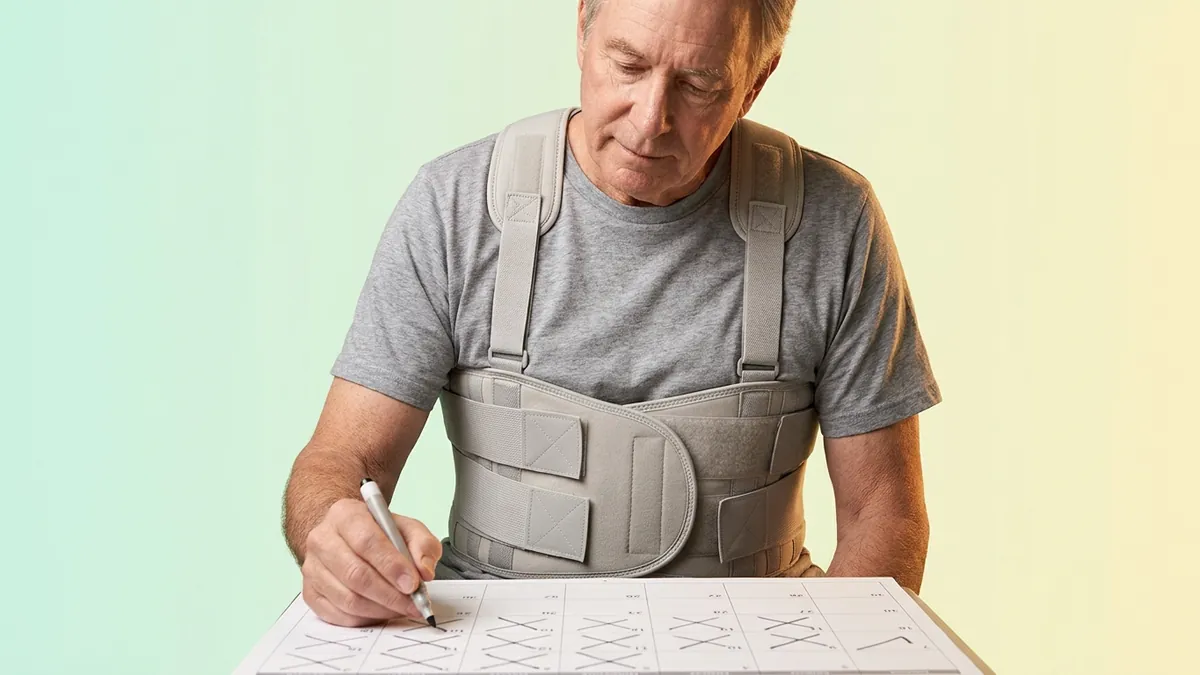
Understanding the recovery time for spinal stenosis surgery: clinical meaning, causes, normal Ranges & next steps helps you prepare realistically for life after the operating room. When narrowed spaces inside your backbone pinch delicate nerves—a condition known medically as spinal canal narrowing (spinal stenosis)—walking even to the mailbox can feel exhausting. Have you ever wondered why one neighbor bounces back from spine surgery in a month, while another needs half a year? We doctors explain that your healing clock depends almost entirely on whether your surgeon simply frees the trapped nerve or also joins two spinal bones together for stability.
When conservative steps like physical therapy, targeted anti-inflammatory medications, and clinic-referred steroid injections stop keeping you on your feet, we doctors at your Primary Care Physician (PCP) or family GP clinic refer you to an orthopedic spine surgeon or neurosurgeon. Knowing what happens to your muscles, bones, and nerves week by week takes the fear out of the unknown. Think about it for a second: when you know which twinges are normal healing and which ones need a quick phone call, you recover with far more confidence, right?
📌 Key Takeaways at a Glance
- Decompression vs. Fusion Timelines: Simple nerve-freeing surgery (laminectomy or laminotomy) typically takes 4 to 6 weeks for everyday activities and 3 months for full healing, whereas adding bone stabilization (spinal fusion) extends full recovery to 6 to 12 months.
- Hospital Stay & Early Walking: Most patients go home the same day or after 1 to 3 nights in the hospital, starting gentle, assisted hallway walks within 24 hours of waking up.
- Nerves Heal Differently Than Skin: Your skin incision seals in 10 to 14 days, and leg pain often eases quickly, but longstanding numbness or pins-and-needles regenerate slowly at roughly 1 millimeter per day.
- Core Precautions ("BLT" Rule): Protecting your spine means avoiding Bending at the waist, Lifting anything heavier than a gallon of milk (about 8 to 10 lbs / 4 kg), and Twisting your torso during the early weeks.
- Team-Based Follow-Up: Your surgeon guides structural restrictions, while your local PCP or family GP clinic helps manage blood sugar, blood pressure, wound checks, and physical therapy referrals.
What Is the Normal Recovery Time for Spinal Stenosis Surgery?
The normal recovery time for spinal stenosis surgery ranges from 4 to 6 weeks for minimally invasive decompression (such as a lumbar laminectomy) to 3 to 6 months for initial return to activity—and up to 12 months for complete bone healing—if spinal fusion is performed alongside nerve decompression.
Why is there such a wide gap between those two numbers? Look at what happens inside your back during each procedure. In a standalone decompression, the surgeon trims away thickened ligament and a tiny roof of bone to take pressure off the pinched spinal nerves. Nothing has to knit back together structurally except soft muscle and skin. Pretty straightforward, right?
Now compare that with a procedure that includes spinal fusion. If your vertebrae have slipped out of alignment—a condition called slipped vertebra (degenerative spondylolisthesis)—taking away bone alone could leave your back wobbly. So the surgeon places bone graft and small titanium rods or screws to lock those two segments into a single solid bridge. Just like a broken arm in a cast, living bone cells need months to build a rock-solid weld. During that window, you can still walk around your neighborhood, make a cup of tea or coffee, and live comfortably at home, even while deep bone remodeling continues quietly underneath.
How Does Spinal Stenosis Surgery Work Inside Your Body?
Spinal stenosis surgery works by widening the central spinal canal or side nerve tunnels (foramina), physically removing bone spurs, thickened yellow ligaments, or bulging disc material so compressed nerves regain healthy blood flow and electrical signaling without mechanical pinching when you stand or walk.
To picture why recovery feels the way it does, let us look at the underlying mechanism. Inside a healthy spine, nerves float cushioned in fluid. Over decades of wear and tear, arthritis thickens the facet joints and a tough band called the yellow ligament (ligamentum flavum) buckles inward. When you stand upright, that tunnel narrows further, choking tiny blood vessels feeding your nerve roots. That causes classic nerve-related leg cramping (neurogenic claudication)—pain or heaviness that eases the moment you lean over a grocery cart! Have you noticed yourself leaning on that shopping cart in the supermarket aisle just to finish your errands?
Before we doctors ever refer you for surgery, we carefully rule out look-alike conditions. For instance, blocked leg arteries—known as poor leg circulation (peripheral artery disease or PAD)—also trigger calf cramping when walking, yet PAD stops hurting simply by standing still, whereas spinal stenosis usually requires sitting down or bending forward. Hip osteoarthritis and diabetic nerve damage (peripheral neuropathy) can also mimic stenosis. Once an MRI or CT scan ordered through your specialist confirms true mechanical nerve crowding, surgery directly reopens that space. Once blood supply rushes back into the decompressed nerve root, aching pain often lifts rapidly, while bruised outer nerve insulation (myelin) repairs itself gradually over several months.
What Factors Change Your Surgery for Spinal Stenosis Recovery Time?
Your surgery for spinal stenosis recovery time is directly shaped by five clinical variables: whether fusion hardware was added, how many spinal levels were treated, neck (cervical) versus lower back (lumbar) location, how long nerves were compressed beforehand, and everyday health factors like smoking or diabetes.
We rarely stop to think about how much the rest of our body affects back healing, do we? Yet two people having the exact same operation on the exact same Tuesday morning can heal at noticeably different speeds. Here is what we doctors look at when mapping out your personal timeline:
- Number of Spinal Levels Operated On: Freeing a single pinched level requires a tiny incision and minimal muscle retraction. Opening three or four levels in the lower back involves more tissue healing and extra fatigue during the first month.
- Lumbar vs. Cervical Spine Location: Lower back (lumbar) surgery carries your full upper-body weight every time you stand up, demanding careful posture habits. Neck (cervical) decompression or anterior cervical discectomy and fusion (ACDF) often causes temporary throat soreness when swallowing cold drinks or toast for a week or two, though walking is much easier right away.
- Duration of Pre-Surgery Nerve Pinching: If a nerve root was squeezed tightly for three years, its internal fibers are exhausted. Pain usually improves fast, but foot numbness or mild weakness takes longer to wake up than a nerve pinched for only three months.
- Smoking, Vaping, and Nicotine Patches: Nicotine constricts microscopic blood vessels and starves bone-building cells (osteoblasts). In fusion patients, nicotine more than doubles the risk of incomplete bone healing (pseudoarthrosis).
- Blood Sugar, Nutrition, and Bone Density: Keeping hemoglobin A1c well controlled (ideally below 7.0% to 7.5% before elective surgery) and treating thin bones (osteoporosis) lowers infection risk and helps surgical screws anchor firmly.
What Are the Exact Stages and Normal Ranges of Recovery Week by Week?
Spinal stenosis recovery unfolds across four predictable clinical milestones: hospital mobilization (Days 1–3), incision healing and pain tapering (Weeks 1–2), structured outpatient physical therapy and light desk work (Weeks 3–6), and deep tissue or bone remodeling for heavy activities (Months 3–12).
Patients always ask us for real numbers so they can arrange time off work, dog walking, or help with groceries. While your surgeon has the final word on your specific clearance, evidence-based surgical guidelines follow clear stages:
Days 1 to 3: Waking Up and First Steps
For minimally invasive micro-decompression, you may head home the very same afternoon once you can walk safely down the ward corridor, keep fluids down, and pass urine normally. Multi-level decompressions or fusions usually involve a 1- to 3-night hospital stay. Nurses and physical therapists teach you the "log-roll" method—keeping your shoulders and hips aligned as one unit as you swing your legs out of bed.
Weeks 1 to 2: Incision Healing and Short Daily Walks
Your skin stitches, surgical glue, or staples heal across 10 to 14 days. Instead of staying flat on the sofa all day, you will take short, frequent indoor walks—starting with 5 minutes every couple of hours and building up steadily. Most patients transition off prescription opioid pain relievers onto plain acetaminophen (paracetamol in the UK and Australia) within 5 to 10 days. Note that if you had a spinal fusion, surgeons routinely tell you to avoid NSAIDs like ibuprofen or naproxen for up to 3 months because they can slow new bone growth! Pretty surprising, right?
Weeks 3 to 6: Driving, Desk Work, and Outpatient Physical Therapy
Once you are completely off sedating pain medication and can press your foot firmly on the brake pedal without hesitation—typically 2 to 4 weeks after decompression, or 4 to 6 weeks after fusion—you can usually resume short local drives. Desk-based or remote computer work often restarts around weeks 2 to 4 for decompression (with standing breaks every 30 minutes) and weeks 4 to 6 for single-level fusion. Guided physical therapy begins strengthening your deep abdominal and hip muscles.
Months 3 to 12: Returning to Full Strength and Sports
Decompression patients are generally cleared for gardening, golf, swimming, and heavier lifting around the 12-week mark. Fusion patients reach solid initial X-ray bridging around 3 to 6 months, with full high-impact clearance arriving between 6 and 12 months.
How Does Recovery Compare by Procedure and Symptom?
Comparing surgical approaches side by side clarifies what normal recovery looks like versus when to check in with your healthcare team, because nerve wake-up tingles, incision tightness, and fusion bracing follow distinct clinical rules.
Remember how we talked earlier about telling normal healing sensations apart from problems? Use this quick two-column guide to match your procedure or symptom with its clinical meaning and practical next step:
| Procedure Type or Post-Op Finding | Clinical Timeline, Meaning & Action Step |
|---|---|
| Minimally Invasive Laminotomy / Micro-Decompression | Targets one or two pinched areas through a small opening with minimal muscle stripping. Everyday independence returns in 2–4 weeks; full recovery takes 6–12 weeks. What you should do: Start short, flat walks immediately at home, keep the dressing clean and dry, and still honor lifting limits until your 2-week surgical checkup so deep tissues seal cleanly. |
| Open Multi-Level Lumbar Laminectomy | Removes the bony arch across several vertebrae to relieve widespread central stenosis. Initial recovery takes 4–6 weeks, with full back endurance building over 3–4 months. What you should do: Pace your daily walking gradually, use a raised toilet seat or grabber tool at home for the first month, and begin supervised physical therapy when your surgeon clears you around week 4. |
| Decompression with Spinal Fusion (e.g., TLIF, PLIF, ACDF) | Stabilizes unstable or slipped vertebrae using bone graft and hardware. Light daily tasks resume in 4–6 weeks, while solid bone fusion requires 6–12 months. What you should do: Wear your prescribed back or neck brace exactly as instructed, strictly avoid nicotine and unauthorized anti-inflammatory pills (NSAIDs), and attend every scheduled X-ray follow-up. |
| Mild Calf Cramping or Fleeting "Zings" in Weeks 2–6 | Previously compressed nerve roots often experience temporary swelling or electrical "wake-up" twinges as blood flow and nerve coatings repair themselves. What you should do: Ease walking distance back by 20% for two days, apply an ice pack wrapped in a towel over the surgical area for 15 minutes, and mention it at your routine PCP or surgical clinic visit if it lingers. |
| Constipation & Bloating During Week 1 | Anesthesia, reduced walking speed, and short-term opioid pain tablets slow down natural bowel contractions right after hospital discharge. What you should do: Drink plenty of water, eat fiber-rich oatmeal, berries, prunes, or whole-wheat toast, and take the gentle stool softener or osmotic laxative recommended on your hospital discharge sheet so you never strain on the toilet. |
How Should You Prepare Your Home and Daily Routine for Healing?
Preparing your home before surgery—by placing everyday kitchen and bathroom items at waist height, clearing floor tripping hazards, prioritizing protein-rich meals, and pacing short daily walks—prevents accidental bending and lowers your risk of falls, blood clots, and wound setbacks.
Be honest, you have probably caught yourself reaching down to grab a heavy laundry basket or dog food bag without thinking twice, haven't you? After back surgery, setting up your living space ahead of time saves your spine from accidental strain. Before heading to the hospital, move everyday plates, coffee mugs, kettle, oatmeal, and toiletries onto waist-high countertops. Pick up throw rugs, loose phone chargers, and clutter along the path from your bedroom to the bathroom so you have a clear runway at night.
Slip-on walking shoes with sturdy non-skid soles (plus a long-handled shoehorn and a cheap aluminum reacher/grabber tool from your local pharmacy) quickly become your best friends. For seating, skip deep, marshy couches that swallow your hips below your knees; pick a supportive dining chair or firm armchair with armrests so you can push yourself upright using your leg muscles.
Your kitchen plays a huge role in tissue repair, too! Healing muscle, ligaments, and bone grafts crave lean protein, vitamin C, calcium, and vitamin D. Simple everyday meals—like scrambled eggs on whole-grain toast, Greek yogurt with berries, grilled chicken or salmon with steamed broccoli, hearty lentil or vegetable soup, and plenty of water—fuel collagen formation while keeping post-surgery constipation away. If you notice any uncertainty about restarting blood thinners, blood pressure tablets, or diabetes medications once you get home, book a quick phone or in-person check-in with your Primary Care Physician (PCP) or family GP clinic so every prescription stays safely coordinated.
✔️ What You Should Do & ❌ What to Avoid
- ✔️ DO follow the "BLT" spine rule every day: Avoid Bending forward at the waist, Lifting anything heavier than 8–10 lbs (about 4 kg, roughly a gallon jug of milk or a full kettle), and Twisting your spine; pivot with your feet instead.
- ✔️ DO walk little and often: Four 10-minute walks spread across the day boost circulation, prevent leg blood clots (deep vein thrombosis), and calm stiff back muscles far better than one exhausting 45-minute march.
- ✔️ DO keep your incision clean, dry, and uncovered as directed: Shower only once your discharge instructions allow (usually 48–72 hours post-op with waterproof coverage, letting soapy water run gently without scrubbing), and pat dry with a clean towel.
- ❌ DON'T soak in bathtubs, swimming pools, or hot tubs: Never submerge a healing surgical incision until your surgeon confirms the skin is 100% sealed—typically at least 3 to 4 weeks post-op—to prevent serious deep spinal infections.
- ❌ DON'T sit uninterrupted for more than 30 to 45 minutes: Prolonged sitting loads extra pressure onto your lower spine; stand up, stretch gently, or stroll down the hall during TV shows or car rides.
- ❌ DON'T smoke, vape, or take over-the-counter NSAIDs without asking: Nicotine starves healing tissues, and drugs like ibuprofen, naproxen, or high-dose aspirin can interfere with bone fusion and increase post-op bleeding unless explicitly approved by your surgical team.
🚨 When to Seek Immediate Emergency Care (Red-Flag Symptoms)
If you or someone near you develops any of these red-flag symptoms, do not wait — call 911 (US & Canada), 999 or 111 (UK), or 000 (Australia) immediately or go straight to the nearest hospital Emergency Room (ER / A&E):
- Sudden Bladder or Bowel Changes (Cauda Equina Warning): New inability to urinate, sudden loss of bowel or bladder control, or strange numbness around your groin, buttocks, and inner thighs ("saddle anesthesia"), which signals urgent pressure on lower spinal nerves.
- New or Rapidly Worsening Leg or Arm Weakness: Sudden foot drop (your toes dragging or slapping the floor), knees buckling beneath you, or dropping cups from your hand that was not present right after surgery.
- Clear, Watery Fluid Leaking From the Incision: Clear or pinkish watery fluid soaking your dressing—especially accompanied by a throbbing headache that worsens when sitting upright and eases when lying flat—which can indicate a spinal fluid (dural) leak.
- Signs of Deep Surgical Infection: A fever of 101.0°F (38.3°C) or higher, chills, spreading redness, hot swelling, foul-smelling pus draining from the wound, or worsening severe back pain that will not settle with rest.
- Blood Clot Symptoms (DVT or Pulmonary Embolism): One-sided calf swelling, warmth, redness, and tenderness, or sudden shortness of breath, sharp chest pain when breathing in, or a racing heartbeat.
💡 Key Take-Home Message
- Expect 4 to 6 weeks to get back to comfortable everyday life after standard nerve decompression, and give your body 6 to 12 months to finish deep bone welding if spinal fusion was part of your operation.
- Relief from heavy, cramping leg pain often arrives early, whereas pre-existing numbness or tingling wakes up gradually over months—patience and consistent short walks are your strongest allies.
- Protect your surgical investment by sticking to the no-bending, no-lifting, no-twisting rule, fueling up on protein and fiber, and reaching out promptly to your surgeon, local Urgent Care center (for minor non-emergency concerns), or ER / A&E if any red-flag symptoms appear.






No comments yet. Be the first to share your question or experience below.