
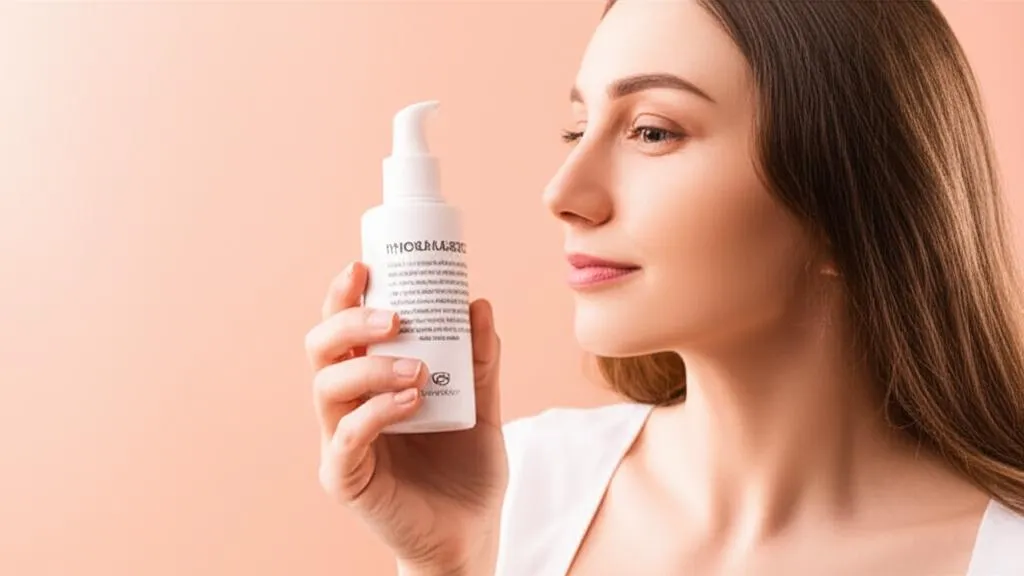
You love looking your best every single day. Because of that, you likely use a wide range of beauty products, face creams, daily moisturizers, makeup items, and lovely perfumes to feel confident, fresh, and ready to take on the world.
However, have you ever applied a brand-new face cream or cosmetic only to wake up with an uncomfortable, itchy red rash? Instead of the glowing, healthy skin you hoped for, you are left dealing with burning skin, flaking patches, or angry red bumps that make you feel self-conscious.
If you have ever experienced this frustrating skin reaction, you are definitely not alone. Millions of people struggle with cosmetic-related skin irritation every single day. Today, we will explore why these reactions happen, how your skin barrier works, and how you can safely choose skin-friendly products that protect your natural health.
Key Takeaways: What You Need to Know About Skincare Reactions
- Cosmetics and beauty products can easily trigger two main skin issues: irritant contact dermatitis and allergic contact dermatitis.
- Always check product ingredient lists and choose simple formulations with fewer chemical additives to lower your allergy risk.
- Always perform a simple patch test on your inner elbow for 48 to 72 hours before applying any new product to your face.
- Labels like hypoallergenic or dermatologist-tested are helpful, but they do not offer a 100 percent guarantee against irritation.
- If you develop severe swelling, blistering, or spreading redness, stop use right away and contact your doctor or emergency services.
Simple Ways to Choose Skin-Friendly Products
If your skin is naturally sensitive, or if you easily react to new cosmetics, you need to be very careful before buying anything new. Protecting your skin does not have to be confusing or complicated. By following a few simple steps, you can prevent painful rashes and keep your skin healthy and glowing.
1. Read the Label Carefully
To put it simply, you should always choose products with fewer ingredients. When a cosmetic contains dozens of different chemicals, plant extracts, synthetic dyes, and preservatives, your skin has a much higher chance of reacting badly to at least one of them.
Products with very long ingredient lists are harder for sensitive skin to tolerate. Every additional chemical ingredient introduces another variable that your skin barrier must tolerate. By picking minimalist formulas with simple ingredients, you drastically lower your risk of developing an allergic reaction or skin irritation.
2. Perform a Patch Test Before You Use Anything New
This is one of the most important steps you can take to protect your skin from unexpected flare-ups. Before you apply any new beauty product all over your face, neck, or body, you must test a tiny amount first to see how your skin reacts.
- Take a small dab of the new lotion, cream, or makeup item and apply it directly to a clean patch on the inside of your elbow.
- Leave the product on your skin and watch that exact spot closely for 48 to 72 hours without washing it off aggressively.
- If you notice zero redness, swelling, itching, or burning during those few days, you can safely assume the product is gentle enough for your skin.
Taking this extra two-minute precaution can save you from days or even weeks of painful facial rashes and embarrassing skin irritation.
3. Think Carefully Before You Apply Perfume
Perfumes, colognes, and scented body sprays contain complex chemical compounds that often irritate delicate skin. Instead of spraying fragrance directly onto your bare skin, you should spray it onto your clothing instead.
Spraying perfume on your clothes greatly lowers your risk of developing a painful skin rash. Also, this simple habit prevents fragrance chemicals from mixing with your body lotions and skin oils, reducing the chance of unexpected chemical reactions and stubborn contact dermatitis.
4. Do Not Trust Every Label 100 Percent
Many beauty products feature attractive marketing words on their packaging. You will often see terms like hypoallergenic, dermatologist-tested, or sensitivity-tested printed boldly on bottles and jars.
While these terms mean the manufacturer took steps to reduce irritation, they do not guarantee 100 percent safety. Every single person's skin is completely unique. Just because a product works well for thousands of shoppers does not mean your unique skin will not react to it.
"The single most important rule in skincare is watching how your own skin responds. A patch test is always more reliable than catchy marketing words on a label."
5. What Should You Do If You Get an Allergy?
If you notice skin irritation after using a new cosmetic product, you must stop using that product right away. Continuing to apply an irritating product will only worsen the damage to your skin barrier.
For mild redness or minor stinging, applying an over-the-counter hydrocortisone cream can often provide quick relief by reducing local inflammation. However, if your skin symptoms do not improve, or if they start getting worse, you must schedule an appointment with your doctor or dermatologist.
You may need a stronger prescription-strength topical cream or specialized medical treatment to calm the inflammation and restore healthy skin function.
Two Main Types of Skin Problems Caused by Beauty Products
Medical experts divide cosmetic-related skin reactions into two main categories. Understanding the difference between these two conditions helps you identify what went wrong and how to treat it properly.
1. Irritant Contact Dermatitis
This is by far the most common type of skin reaction caused by beauty products. In this condition, a harsh chemical inside the cosmetic damages your skin's protective outer barrier directly, triggering immediate irritation much like spilling a strong cleaning agent on your hands.
Common signs and symptoms of irritant contact dermatitis include:
- Intense burning, stinging, or a hot feeling on the skin.
- Persistent itching in the affected area.
- Noticeable skin redness and localized inflammation.
- Symptoms that remain strictly confined to the exact spot where you applied the product.
If your skin is already dry, cracked, or damaged from harsh weather or prior injury, you have a much higher risk of having this type of reaction because your natural barrier is already weakened.
2. Allergic Contact Dermatitis
This reaction works quite differently inside your body. Here, your immune system mistakenly identifies a specific harmless ingredient in the cosmetic as an invader and mounts an aggressive allergic defense against it.
Common signs and symptoms of allergic contact dermatitis are more severe and include:
- Widespread skin redness and severe swelling.
- Intense, deep-seated itching that is hard to control.
- Tiny fluid-filled blisters that may ooze and crust over.
The primary culprits behind allergic contact dermatitis are added fragrances and preservatives. Interestingly, even products labeled as unscented often contain masking agents, which are secondary fragrances used to cover up unpleasant chemical smells. If you have known fragrance allergies, you must look strictly for products labeled fragrance-free rather than merely unscented.
Which Products Are Most Likely to Cause Skin Problems?
Certain cosmetics and personal care items carry a much higher risk of triggering skin irritation than others. Review the detailed comparison table below to understand which everyday products require extra caution.
| Product Category | Key Risks & Specific Considerations |
|---|---|
| Soaps and Detergents | Strip natural skin oils, causing severe dryness, flaking, and skin barrier disruption. |
| Antiperspirants | Aluminum compounds and added scents can trigger redness and chafing in sensitive underarm skin. |
| Eye Makeup | The skin around your eyes is exceptionally thin and delicate, making it prone to quick allergic flare-ups. |
| Moisturizers and Shampoos | Frequent use of products containing harsh preservatives and synthetic fragrances often sparks contact allergies. |
| Nail Polish and Glue | Contain powerful allergens like formaldehyde and methacrylate that cause severe eyelid and facial rashes when touched. |
| Hair Dyes and Lighteners | Chemicals like p-phenylenediamine (PPD) and ammonium persulfate often trigger intense scalp and facial allergic reactions. |
| Anti-Aging & Brightening Creams | Active ingredients like alpha-hydroxy acids (AHAs) and tretinoin can cause significant stinging, peeling, and redness. |
| Sunscreens | Chemical UV filters often cause skin sensitivity. Mineral formulas are much gentler alternatives. |
If chemical sunscreens consistently trigger rashes or burning on your skin, consult your doctor or a board-certified dermatologist for guidance. Mineral sunscreens containing zinc oxide or titanium dioxide sit on top of the skin rather than absorbing into it, making them exceptionally safe for sensitive skin types.
When to Seek Emergency Medical Help
Most cosmetic skin reactions are mild and resolve after stopping the product. However, seek immediate emergency medical attention (call 911 in the US/Canada, 999 in the UK, or visit your nearest Emergency Department) if you experience severe symptoms such as difficulty breathing, swelling of the lips, tongue, or throat, widespread blistering across large areas of your body, or signs of a severe systemic allergic reaction (anaphylaxis).
💡 Take-Home Message
Protecting your skin from cosmetic reactions requires patience, careful product selection, and attentiveness. Keep these essential tips in mind every time you try something new:
- Always perform a patch test on your inner elbow for 48 to 72 hours before applying any new beauty product to your face.
- Choose minimalist products with fewer ingredients to greatly lower your overall risk of skin irritation.
- Remember that marketing terms like hypoallergenic do not provide a 100 percent guarantee of safety.
- Stop using any cosmetic right away if you notice redness, burning, or itching, and consult your doctor if symptoms persist.
- Spray perfumes on your clothing rather than your bare skin, and consider mineral-based sunscreens if chemical UV filters irritate you.
Sources & Medical References
- American Academy of Dermatology (AAD). Contact Dermatitis: Diagnosis and Treatment Guidelines.
- Mayo Clinic. Contact Dermatitis - Symptoms and Causes. Available from:.
- NHS UK. Contact Dermatitis overview and self-care advice. Available from:.
- Cleveland Clinic. Cosmetics and Skin Allergies: What You Need to Know.
- U.S. Food and Drug Administration (FDA). Cosmetics Safety & Ingredients.





No comments yet. Be the first to share your question or experience below.