

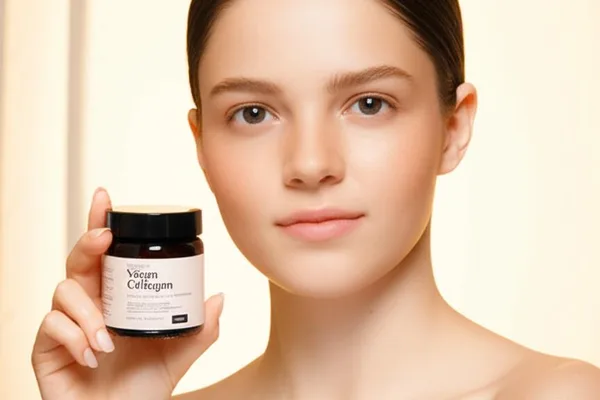
Nowadays, many people, especially young people, are very interested in keeping their skin beautiful, wrinkle-free and youthful, right? They use various creams and supplements to stop the skin from sagging and wrinkling. In the meantime, you must have heard the word 'Collagen' all the time. A new and popular word that is being heard recently is 'Vegan Collagen'. Let's see what this really is, is it as useful as it claims to be, and what we need to know about it.
First, let's see what collagen is.
Simply put, collagen is a type of protein that our bodies naturally produce. It is found in many places in our bodies. For example, our skin, hair, nails, bones, tendons, ligaments, blood vessels, and intestines contain collagen. Two of the main things collagen does is keep our skin youthful (elastic) and keep our bones strong.
But as we age, our bodies gradually slow down in the production of collagen. That's when the skin starts to sag and fine lines start to appear. In an attempt to prevent this, many people turn to collagen supplements. These are available in powders, pills, creams, and injections.
Traditionally, these collagen supplements are made from animal parts. That is, using things like pork, beef, and fish bones. But now, as many people are moving away from animal foods altogether, that is, adopting a 'vegan' diet, 'vegan collagen' has become popular as an alternative.
Can 'Vegan Collagen' really be made?
A 'vegan' is someone who does not eat anything that comes from animals, not just meat, fish, poultry, eggs, dairy products, but also anything that comes from animals, such as honey. So how do you make collagen without animal parts?
This is a bit of a complicated story. Some scientists say they can genetically modify microorganisms like yeast and bacteria, inserting genes that make human collagen, to produce "vegan" collagen that doesn't contain animal parts. But this technology is still in the research stage. There hasn't been enough research to say for sure whether it works as well as animal collagen, or how safe it is.
So remember, many products sold on the market as 'vegan collagen ' do not actually contain collagen. They simply provide nutrients that help our bodies make their own collagen.
Plant-based foods that help our bodies produce collagen
The best, most natural, and safest way to get collagen is to eat a diet rich in nutrients that help our bodies produce collagen. Even experts recommend getting this nutrition from food rather than supplements.
Our bodies need nutrients like Vitamin C, Zinc, and Copper to make collagen. So if you're a vegan or someone who prefers a plant-based diet, it's important to know about foods that are rich in these nutrients.
| Food type | Examples and importance |
|---|---|
| Fruits and vegetables rich in vitamin C | Oranges, tangerines, limes, bell peppers (red and green), tomatoes, broccoli, strawberries, blueberries. Vitamin C is an essential vitamin for collagen production. |
| Beans/Legumes | Things like lentils, chickpeas, green beans, peas, and soybeans. These contain amino acids and copper, which are necessary for collagen production. |
| Nuts and Seeds | Cashews, almonds, pumpkin seeds, sunflower seeds. These are rich in the minerals zinc and copper. These also help in collagen production. |
| Whole Grains | Brown rice, corn, oats, and chickpeas. These also contain nutrients like zinc that help build collagen. |
Take care of these things too.
Not only food, but you can also protect the collagen in your skin through several other practices .
- Use sunscreen every day when you go out in the sun: This helps prevent the sun's harmful ultraviolet rays from damaging the collagen in our skin. It is best to choose a sunscreen with an SPF of 30 or higher, labeled 'broad spectrum' , and containing Zinc Oxide or Titanium Dioxide .
- Drink enough water throughout the day: Keeping your body hydrated is very important for skin health. It helps keep your skin healthy and glowing.
If you buy a 'vegan collagen' supplement...
Although natural foods are best, if you are considering purchasing such a supplement for any reason, please be aware of these factors.
- Research the manufacturing company carefully. Visit their website and see what ingredients they use.
- Don't be fooled by advertisements that claim results that are too good to be true. Things like whitening your skin overnight or completely eliminating wrinkles are not practical.
- Do not exceed the recommended dosage. Taking more will not provide more results and may cause side effects .
Most importantly: Tell your doctor about any supplements you're taking and why you're taking them. Especially if you have a skin or hair problem, it's best to see a dermatologist for a proper diagnosis and treatment plan rather than guessing and taking supplements.
Remember, in our country, supplements like this are not subject to the same strict regulation as prescription drugs. Therefore, it is difficult for us to be 100% sure about the accuracy and safety of the ingredients in these. If you take a supplement like this and experience any adverse reaction, stop taking it immediately and tell your doctor.
Take-Home Message
- Collagen is a protein that our bodies produce and is essential for our skin and bones. As we age, this production decreases.
- 'Vegan Collagen' is a new concept that is still in the research stage. Most of the products on the market are not actually collagen, but supplements that contain nutrients that help produce collagen.
- The best and safest way is to add plant-based foods (fruits, vegetables, nuts) rich in vitamin C, zinc, and copper to your diet to help your body produce collagen.
- It is very important to use sunscreen every day and drink plenty of water to protect the skin's collagen.
- Before using any supplement, be sure to talk to your doctor. If you have a skin problem, see a dermatologist.




💬 Comments (0)
No comments yet. Be the first to share your thoughts here.
Add Your Comment